
Iran Conflict — 2026-10-10 (AM)
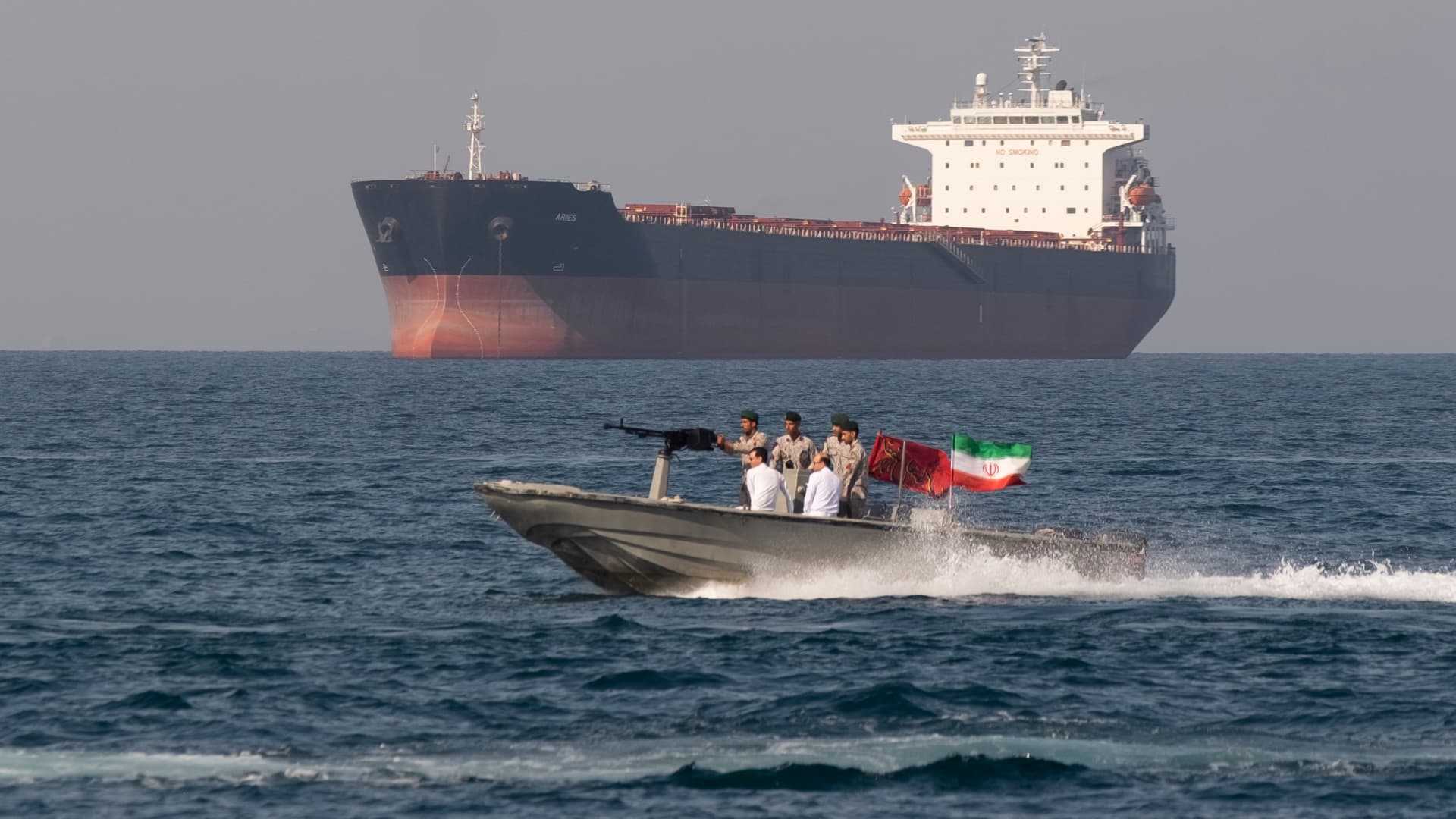
Russia and the Trump administration are exploring direct diplomatic channels to reach a settlement over Iran, signaling a potential shift toward negotiation despite ongoing regional military escalations. Meanwhile, Iran-backed military and proxy actions continue across the Strait of Hormuz and surrounding territories, with reported attacks on shipping and critical infrastructure demonstrating Tehran’s willingness to escalate pressure on global energy markets.
Russia-Trump Diplomatic Framework on Iran Settlement
The Kremlin announced that US President Donald Trump has welcomed Russian involvement in efforts to negotiate a settlement over Iran’s nuclear program and regional military posture. The statement signals potential shift from confrontation toward diplomatic engagement, with Moscow positioning itself as an intermediary between Washington and Tehran. Russia’s proposal reportedly includes revised uranium enrichment thresholds acceptable to both the US and Iran, though major obstacles remain on sanctions relief and verification mechanisms. The development comes as oil markets responded positively to the diplomatic opening, suggesting investor confidence in de-escalation possibilities.
Hormuz Strait Tanker Attacks Surge to Wartime High
Attacks on commercial shipping in the Strait of Hormuz have surged to wartime levels as Iran escalates pressure on global oil transit and Western economic interests. Insurance premiums for tankers passing through the critical chokepoint have skyrocketed, with shipping companies reporting unprecedented risk premiums and multiple daily interception attempts. The surge reflects Iran’s strategy to weaponize energy markets and global commerce, targeting vessels destined for non-aligned states while attempting to disrupt Western-aligned supply chains. Analysts warn the sustained campaign could trigger lasting damage to global energy security and trigger broader economic disruptions.
Flydubai Co-Pilot Planned Suicide Attack on Israeli Airport
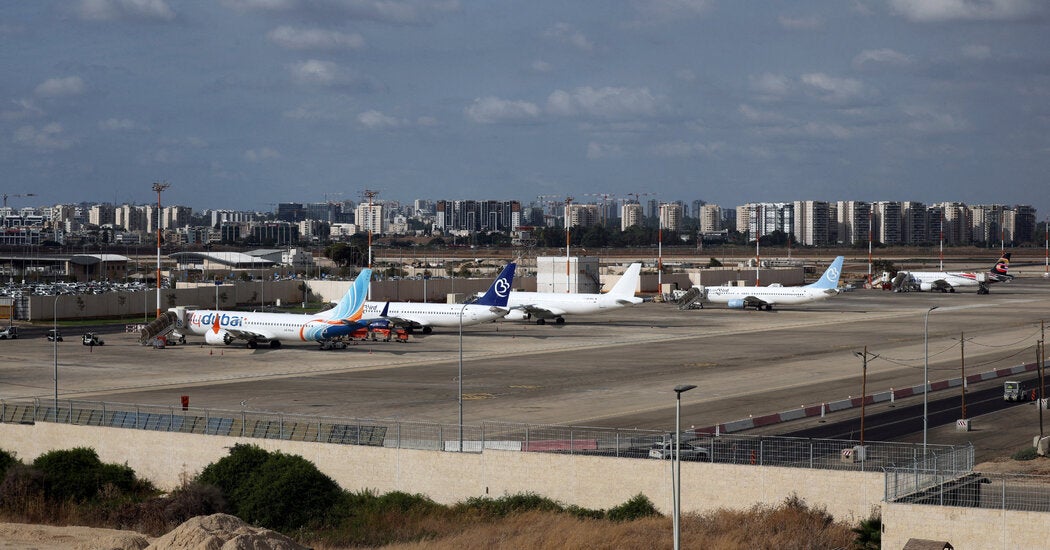
The UAE has revealed that a Flydubai aircraft co-pilot planned a 9/11-style suicide attack on Ben Gurion Airport in Tel Aviv, intending to crash the plane into the terminal in a coordinated operation with external actors. Emirati authorities intercepted the plot before execution and arrested the co-pilot, with investigations revealing detailed planning and external coordination with elements linked to Iran-backed networks. The revelation underscores the penetration of regional proxy networks into civilian aviation infrastructure and demonstrates the credible threats facing commercial air travel in the Middle East. The incident represents a significant escalation in the sophistication and scope of attack planning against Israeli civilian targets.
Yemen Returned to Full-Scale War, UN Warns
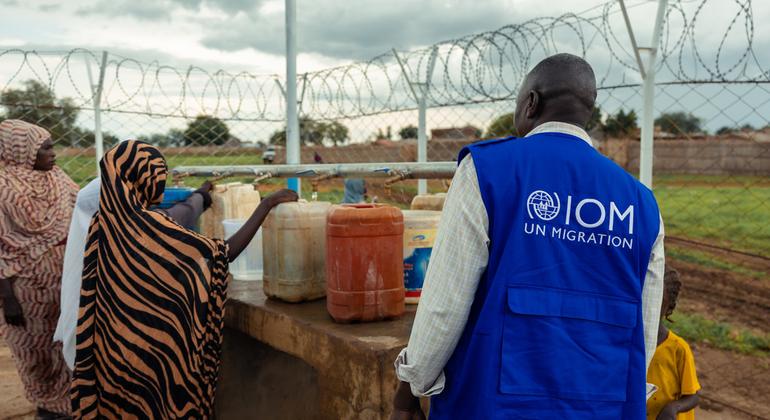
The United Nations envoy to Yemen declared the country has returned to full-scale warfare, warning that humanitarian conditions are rapidly deteriorating as fighting intensifies between Saudi-backed government forces and Iran-backed Houthi militias. Over 200,000 Yemenis have been displaced in recent weeks, with three out of four families in affected regions facing acute food insecurity. The surge in conflict intensity coincides with increased Houthi attacks on Saudi infrastructure and strategic locations, prompting renewed Saudi-led coalition air operations. UN officials are calling for immediate international humanitarian assistance and warning of cascading health and nutrition crises affecting millions of civilians.
Israeli Drone Operations Target Lebanon-Syria Border
Israeli military drone strikes on the Lebanon-Syria border region wounded at least six civilians, including women and children, according to local sources. The operations targeted positions allegedly used by Hezbollah and other Iran-aligned militias, continuing the pattern of cross-border raids into Lebanese territory. The strikes demonstrate Israeli military pressure on Hezbollah’s operational capacity and Iranian logistics networks in the Levant, though the civilian toll underscores the humanitarian cost of the prolonged regional conflict. Hezbollah has not reported retaliatory operations, though the group maintains elevated readiness along the border.
In Brief
- Putin Rejects Trump Peace Talks: Russian President Putin told Trump that peace negotiations over Ukraine are unlikely given the current military situation and recent drone attacks on Russian territory.
Compiled from news agency reports and official government sources.