
Iran Conflict — 2026-10-09 (NOON)
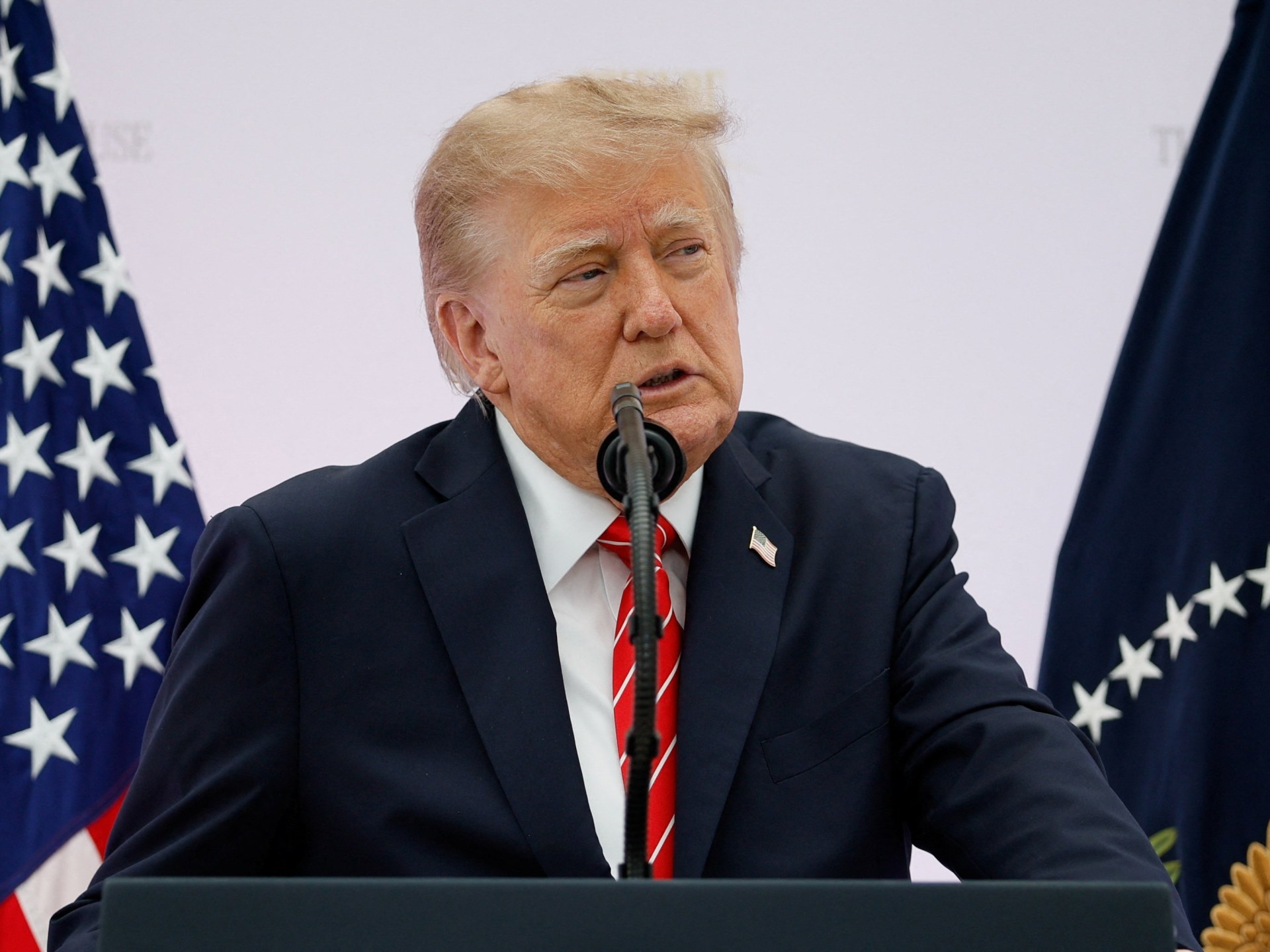
US President Trump announced the United States will not attack Iran prior to the November 3 midterm elections, signalling a tactical pause in military escalation and prompting global energy markets to relax after weeks of elevated supply-disruption anxiety. Simultaneously, Iran’s Foreign Minister Abbas Araghchi indicated Tehran is reviewing the US response to Iran’s seven-day plan for Strait of Hormuz operations, with diplomacy continuing through intermediaries. The announcement provided temporary relief to energy traders even as regional tensions remain historically elevated.
Trump Signals Pre-Election Military Restraint; Oil Prices Fall
Political calculus takes precedence over military momentum. US President Donald Trump stated late Thursday that the United States will not attack Iran before the November 3 midterm elections, citing “productive discussions with the Islamic Republic of Iran” on Truth Social. Oil prices fell sharply on Friday in response, with markets rewarding the de-escalatory signal after weeks of volatility driven by supply-disruption fears from Hormuz transits and proxy operations. Some analysts characterize the statement as an attempt to manage energy prices ahead of election season rather than a fundamental shift in US posture toward Iran.
Iran Foreign Minister Reviews US Strait of Hormuz Response
Diplomatic track running parallel to military standoff. Iran’s Foreign Minister Abbas Araghchi confirmed that Tehran is currently reviewing the US response to Iran’s previously announced seven-day plan for Strait of Hormuz operations, with Iranian officials signalling that a counter-response will come within “the next few days,” according to Iran’s Tasnim news agency. The ongoing negotiations through intermediaries suggest diplomatic channels remain active despite military deployments and positioning throughout the Gulf region.
Yemen Humanitarian Crisis Surges; 200,000 Displaced in Five Weeks
Civilian toll from proxy conflict accelerates. The United Nations reported that over 200,000 Yemenis have been forcibly displaced in just five weeks as intensified fighting between Saudi-backed government forces and Iran-backed Houthi militias spreads across Yemen’s western regions. More than 3,700 Yemenis have fled to neighbouring Djibouti, straining that nation’s overwhelmed social services and healthcare infrastructure. UN assessments indicate that three out of four families in affected areas face acute food insecurity, signalling a deepening humanitarian catastrophe distinct from but directly linked to the broader Iran-US regional conflict.
In Brief
Hormuz Shipping Economics Soar: Tanker captains transiting the Strait of Hormuz are commanding extraordinary compensation packages—base salaries of $100,000 plus $50,000 per-transit bonuses—reflecting the elevated risk profile of Gulf shipping routes amid Iran-US tensions.
Yemeni Cost of Living Crisis: Beyond displacement, Yemen’s remaining population faces sharply soaring costs for basic goods as conflict disrupts supply chains and regional instability inflates prices across food and fuel sectors.
Compiled from the configured RSS feed.