
Iran Conflict — 2026-10-07 (AM)
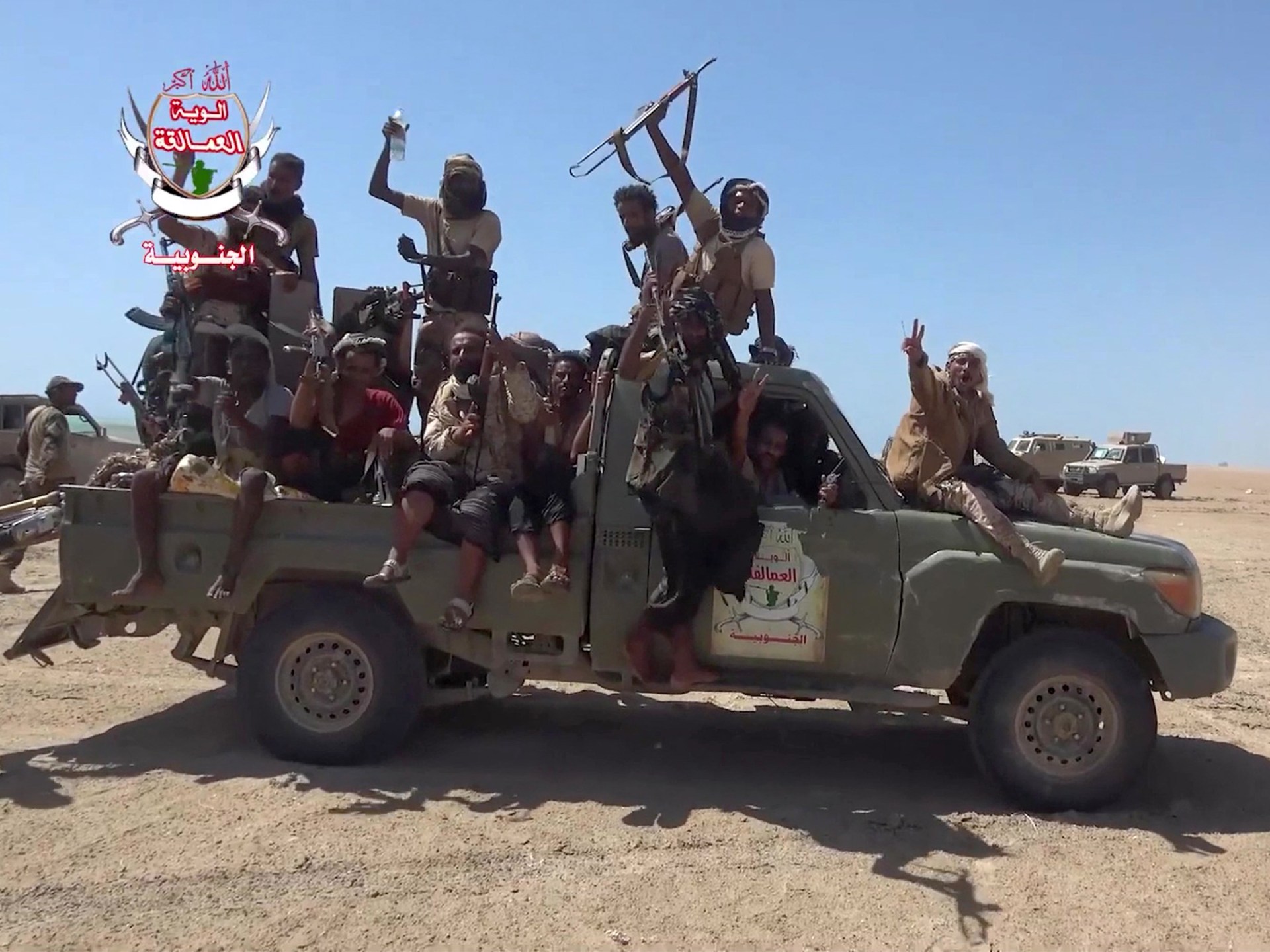
Yemeni government forces are pressing their offensive against Houthi positions in Taiz, consolidating control over strategic mountain peaks while tensions escalate in broader regional energy and political arenas. Trump’s domestic remarks on US sacrifice have reignited debate over burden-sharing in Middle East security, while Iran moves to strengthen its economic defenses against sanctions.
Yemen’s Territorial Offensive in Taiz Intensifies
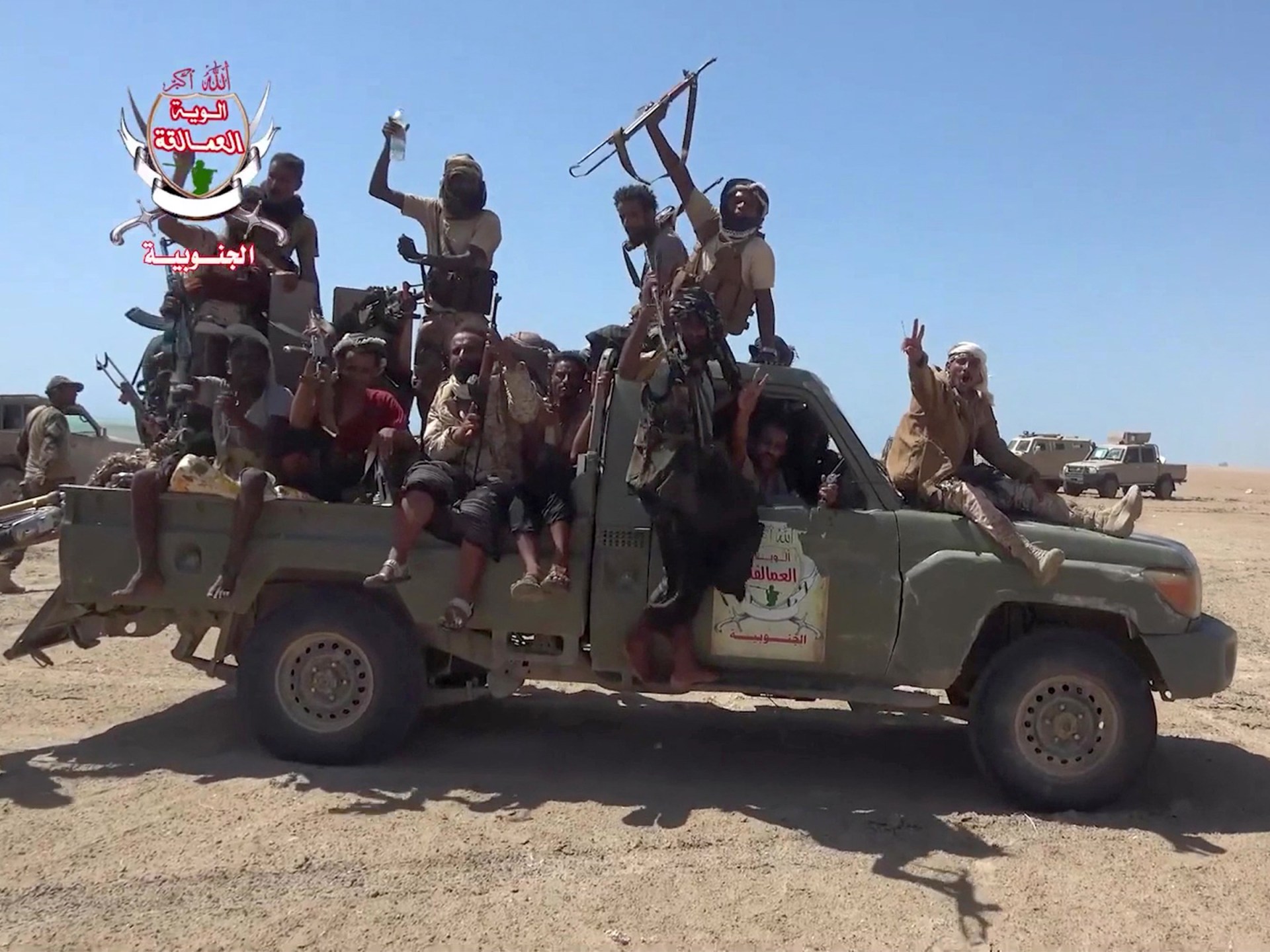
Yemeni government forces claimed control over strategic mountain peaks in the Jabal Habashi district of Taiz, including the highest peak, marking continued territorial gains in their offensive against Iran-backed Houthis. The push represents the most sustained government military operation in months, with forces engaging Houthi positions across multiple fronts. Regional observers note that Saudi-backed momentum and international coordination have enabled the government’s advances, though the humanitarian toll remains severe with over 184,000 newly displaced persons reported.
Hormuz Geopolitics: Trump Shifts Responsibility to Asia

Trump renewed his assertion that Asian economies—not the United States—should bear responsibility for keeping the Strait of Hormuz open, a position endorsed by Singapore’s Foreign Minister who acknowledged that “Trump isn’t completely wrong” regarding burden-sharing. The debate underscores divergent views on who pays the security costs of energy transit through the contested waterway. Meanwhile, Hormuz ship attacks continue to surge, though Saudi Arabia reports sustained oil pipeline operations at 5.8 million barrels per day via its East-West route, suggesting partial workarounds are functioning.
Iran Escalates Economic Defenses Against Sanctions

Iran is implementing new economic arrangements to counter US sanctions and naval blockades, part of Tehran’s strategy to sustain its economy amid intensifying economic pressure. The measures reflect Iran’s determination to circumvent Western financial restrictions and maintain trade partnerships despite international isolation. The scope and effectiveness of these initiatives remain uncertain, though they signal Tehran’s shift toward self-sufficiency and non-Western trade corridors.
Trump’s Controversial Remarks Spark Outrage
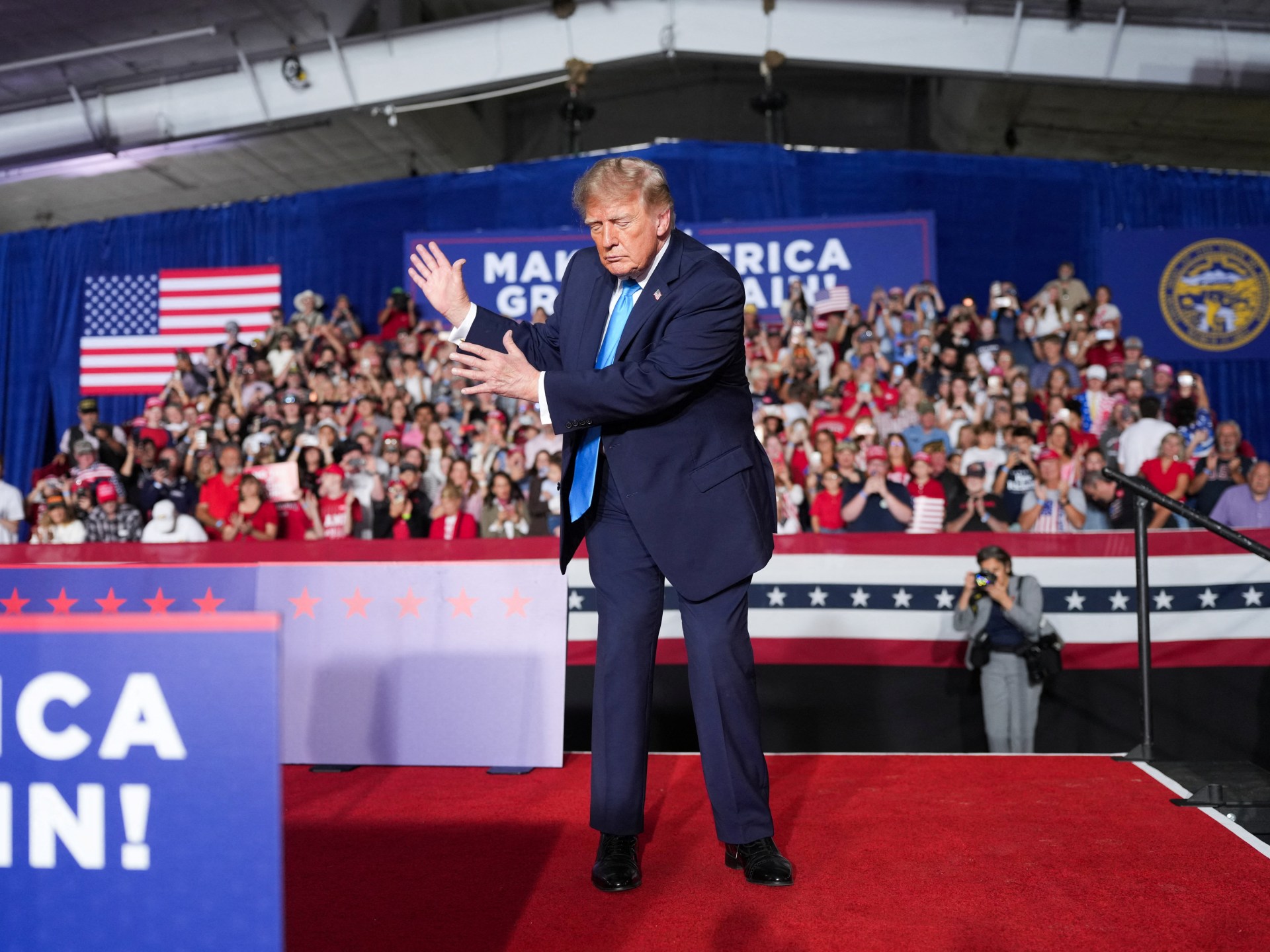
Former President Trump’s suggestion that Iran could “take” San Diego and Los Angeles drew sharp bipartisan condemnation from US politicians who view the remarks as undermining American security commitments and domestic defense. The controversial statements—made at a campaign rally—revived debate over Trump’s unconventional approach to Iran policy and raised concerns among lawmakers about whether such rhetoric signals willingness to compromise US territorial integrity. The domestic backlash reflects deep unease over linkage between regional conflict and election-year political posturing.
Black Sea Spillover: Commercial Shipping Under Threat
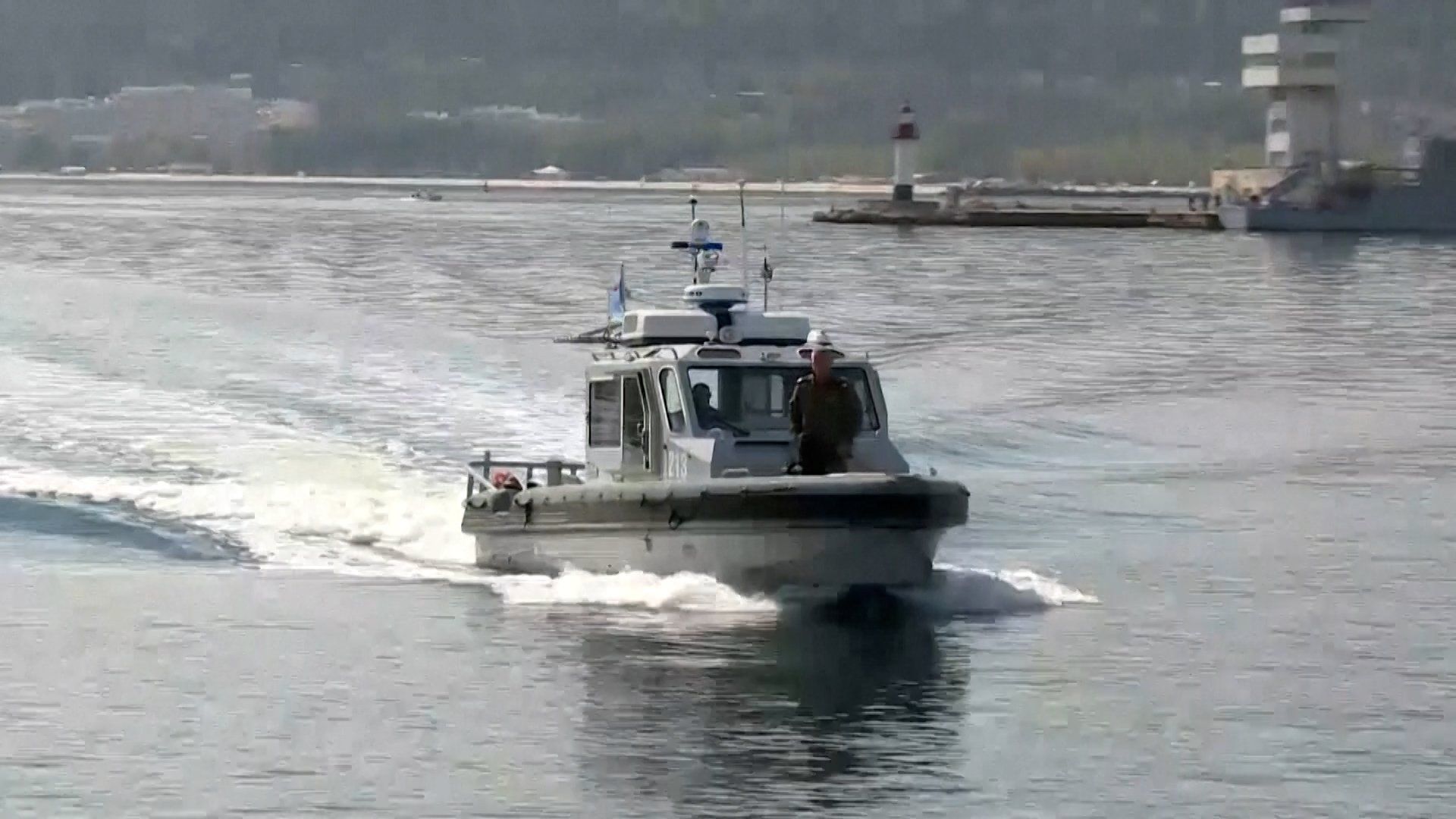
A commercial vessel sank off Bulgaria’s coast following drone attacks in the Black Sea, with a second ship sustaining damage in coordinated strikes. The attacks demonstrate how the Iran conflict is radiating outward to affect shipping lanes and economies far from the Middle East, disrupting European maritime commerce and raising questions about the geographic scope of the conflict’s consequences. Bulgaria launched search operations for missing crew members.
UN Secretary-General Calls for Conflict Resolution
UN Secretary-General António Guterres, speaking in Islamabad, renewed calls for an immediate end to the US-Iran conflict, warning that continued escalation threatens global stability. The diplomatic appeal underscores the international community’s concern about regional tensions spreading further and deepening humanitarian crises across the Middle East and beyond.
Compiled from the configured RSS feed. Day 222 of the conflict.