
Iran Conflict — 2026-10-05 (PM)

As military operations intensify and regional control becomes clearer, the conflict’s economic dimensions are crystallizing. Yemen’s government forces report historic territorial gains near the Red Sea chokepoint while Iran signals control mechanisms over Hormuz shipping—moves that threaten to reshape global energy flows and geopolitical leverage in the Persian Gulf.
Iran Asserts Hormuz Control via Toll System
Iran appears to be implementing a toll collection mechanism for oil traffic transiting the Strait of Hormuz, according to reports analyzing September shipping patterns. Crude exports bypassing the strait surged while oil prices remained elevated, suggesting selective interference rather than total blockade—a strategy that allows Iran to extract economic concessions while maintaining deniability. The Iranian Revolutionary Guards Corps (IRGC) commander declared that oil flows through the US-supervised Hormuz route are “negligible,” indicating Tehran’s confidence in controlling alternative pathways or its willingness to disrupt shipping on demand. The toll system represents a shift from implicit threats to operational control, establishing Iran as the effective arbiter of Middle East energy exports.
Yemen: Government Forces Seize Strategic Red Sea Positions
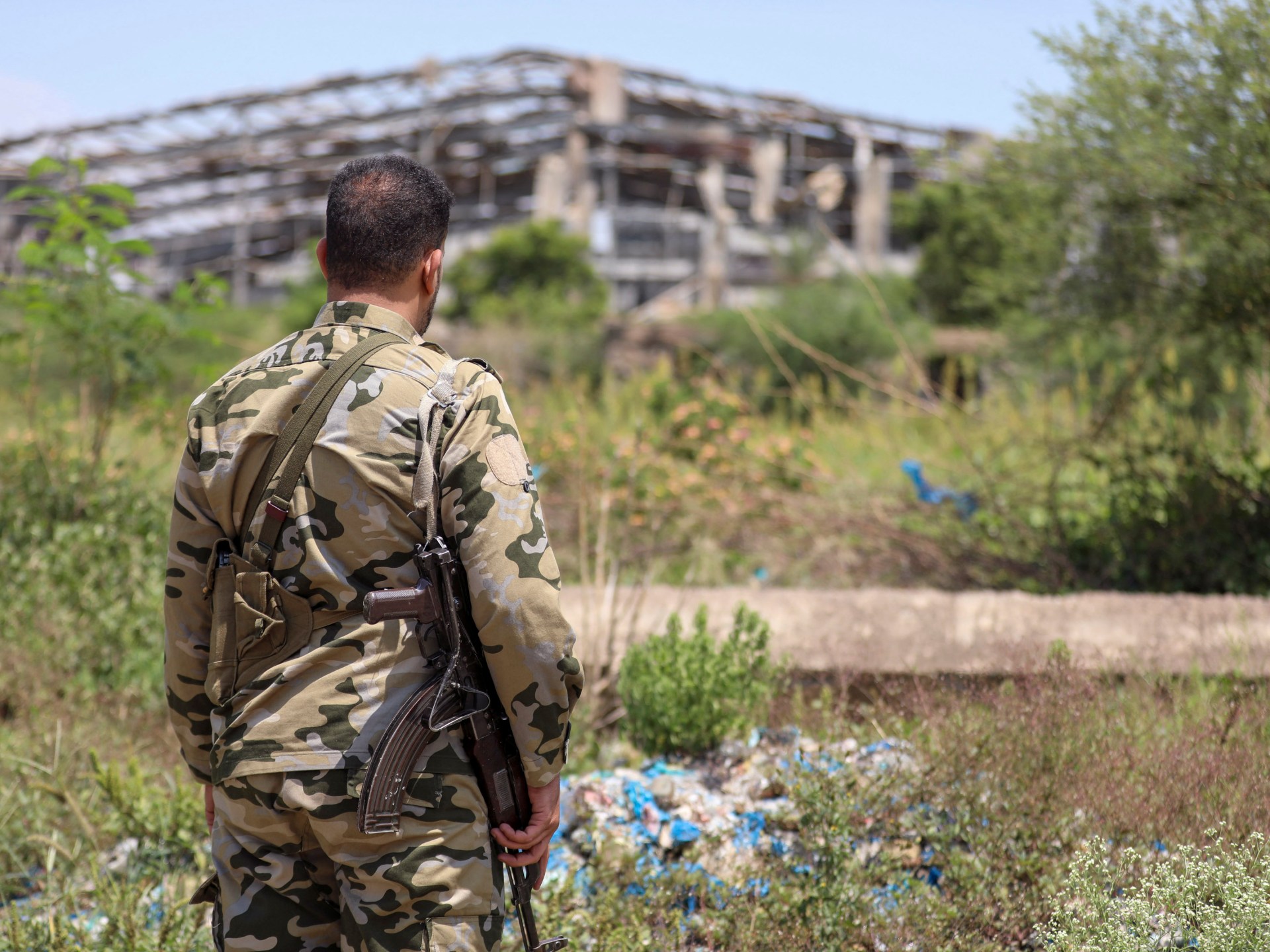
Yemeni government forces claimed a breakthrough victory, recapturing the district of Dhubab and multiple positions near the Bab al-Mandeb strait—critical geography controlling Red Sea chokepoint access. The offensive, launched as part of a broader “battle for liberation” against Houthi-held territories, came just hours before Saudi, Pakistani, and Turkish officials convened to discuss maritime security and coalition coordination. The timing suggests coordinated international backing for the operation and signals renewed momentum in the Saudi-led coalition’s campaign to dislodge Iranian-backed Houthis from the strategic strait. Control of Bab al-Mandeb places government forces in position to interdict Houthi attacks on international shipping and reinforce the coalition’s ability to safeguard Red Sea transit.
Global Oil Supply Faces Two-Year Recovery, Saudi Aramco Warns
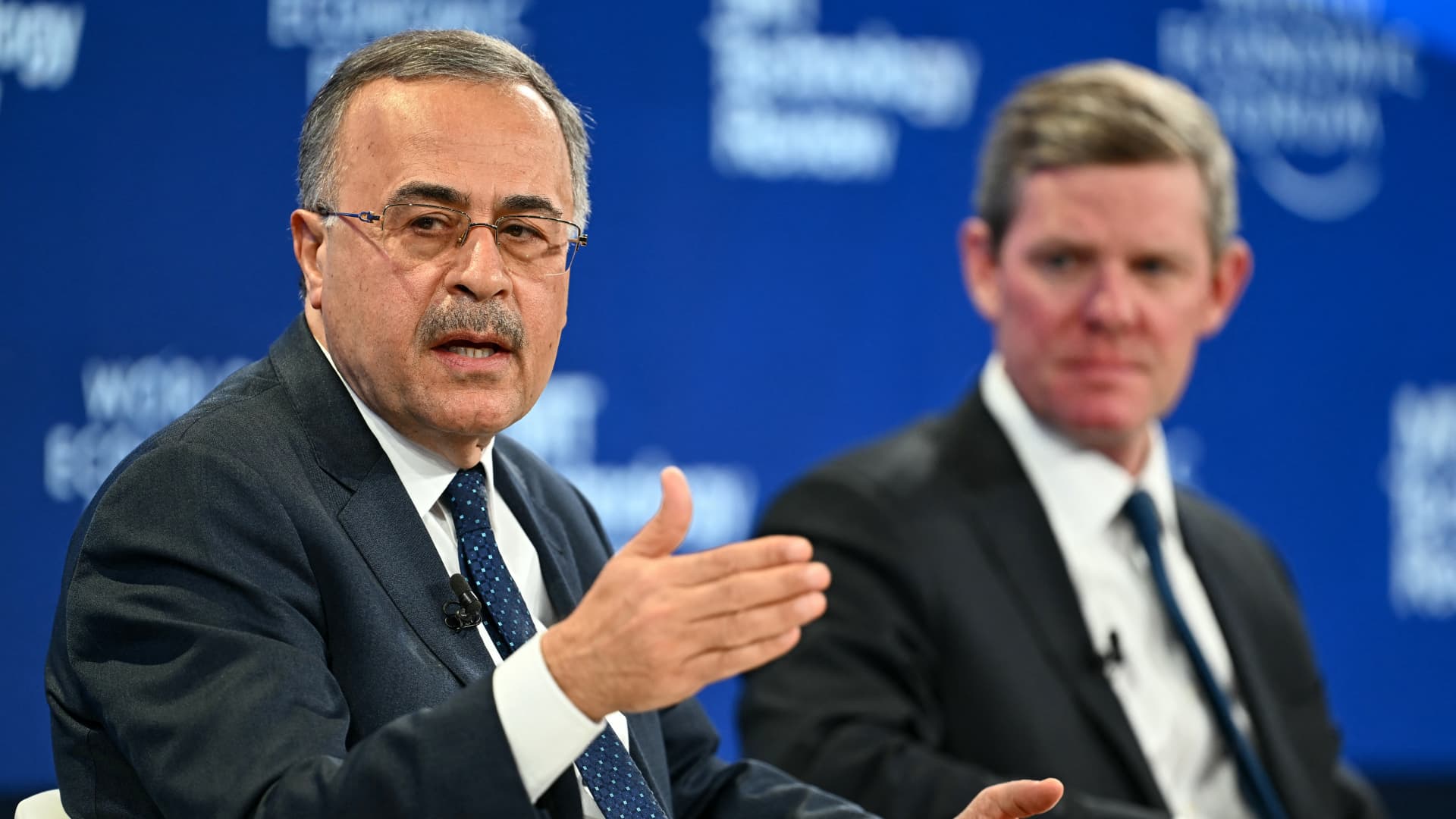
Saudi Aramco’s chief executive declared that rebuilding global oil inventories could require up to two years, citing ongoing disruptions from the US-Iran conflict. The extended timeline signals that even if hostilities stabilize, spare production capacity remains constrained and market recovery will be gradual. Energy traders are hedging against further Hormuz disruptions and Houthi attacks on shipping, keeping crude prices elevated despite Middle East exports exceeding pre-war volumes. The supply squeeze creates leverage for both Iran and coalition partners, making energy security a central lever in the broader geopolitical competition.
Oil Exports Data Contradicts Market Fears—or Masks Coercion
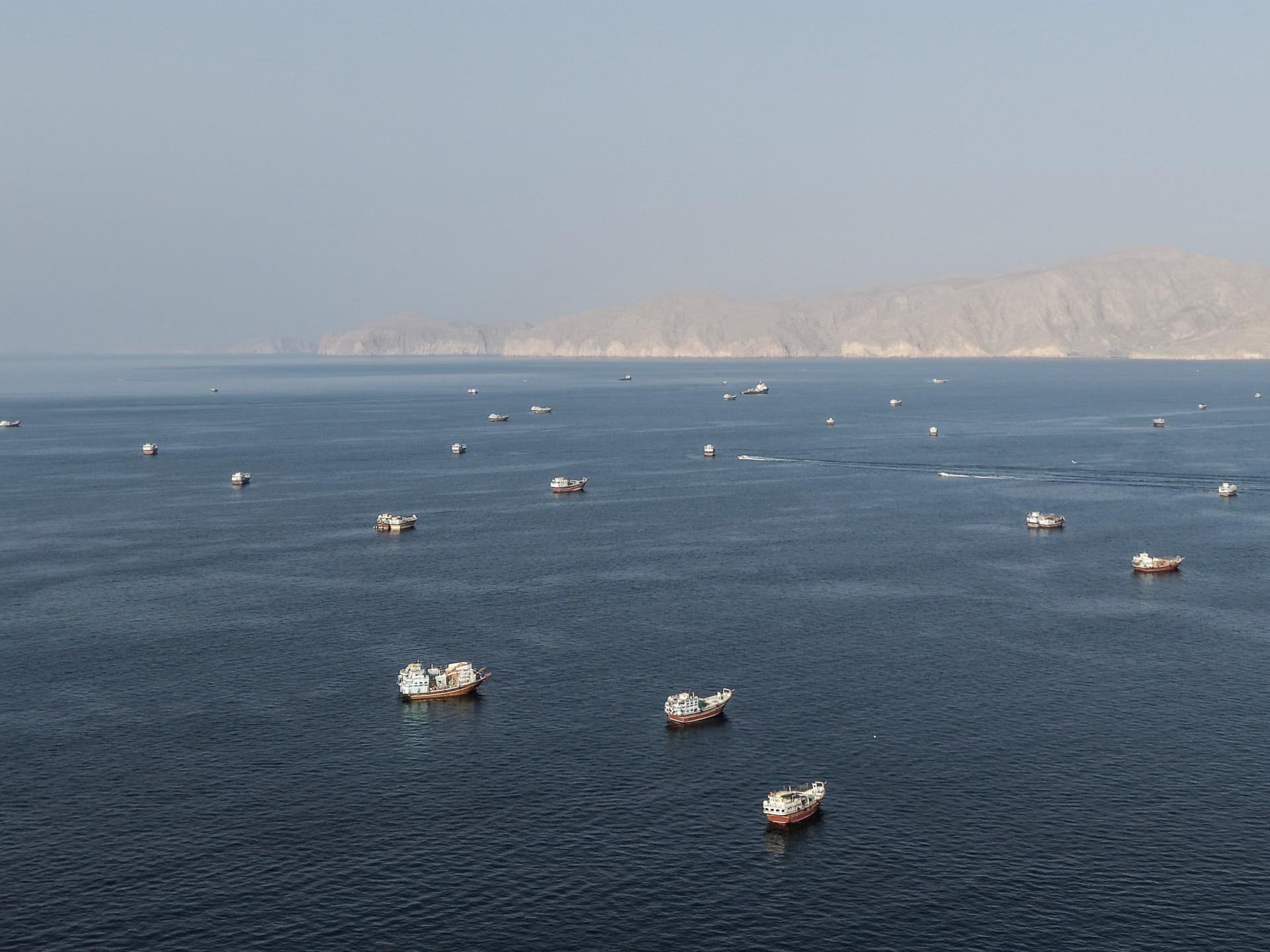
Contrary to market assumptions of widespread export collapse, Middle East oil shipments have actually surpassed pre-war volumes, according to latest shipping data. The paradox—high exports yet elevated prices—points to underlying market anxiety about fragility. Traders appear to be pricing in Iran’s nascent toll collection and the risk that Hormuz blockade remains only weeks away despite today’s robust flows. The disconnect between volumetric data (abundant) and price signals (stressed) suggests markets fear disruption is temporary, accidental, or subject to Tehran’s political calculations rather than reflecting stable supply security.
Compiled from regional news feeds and wire services.