
Iran Conflict — 2026-10-04 (PM)

Iran’s economic collapse accelerates amid naval blockade and sanctions, while Tehran maintains its Strait of Hormuz closure. Concurrently, Iranian operatives surface in Western terror investigations, and proxy forces intensify attacks across the region. A commercial aviation security breach reveals systemic vulnerabilities in background vetting—with the attacker’s extremist associations having been flagged before clearance was granted.
Iran Admits “Dire” Economic Crisis Amid Blockade Escalation
Iran’s senior security chief Mohsen Rezaei issued a rare public admission that the country faces an economic crisis of “dire” proportions, a candid acknowledgment arriving weeks after the U.S. tightened sanctions and expanded its naval blockade. The statement marks an unusual break from Iran’s official messaging of strength and self-sufficiency, signaling that cumulative economic pressure—trade restrictions, asset freezes, and shipping interdiction—has reached critical levels. Rezaei’s comments reflect internal assessments that current economic trajectories are unsustainable without either sanctions relief or drastic policy shifts.
More Tankers Attacked; Iran Reiterates Hormuz Closure Demands
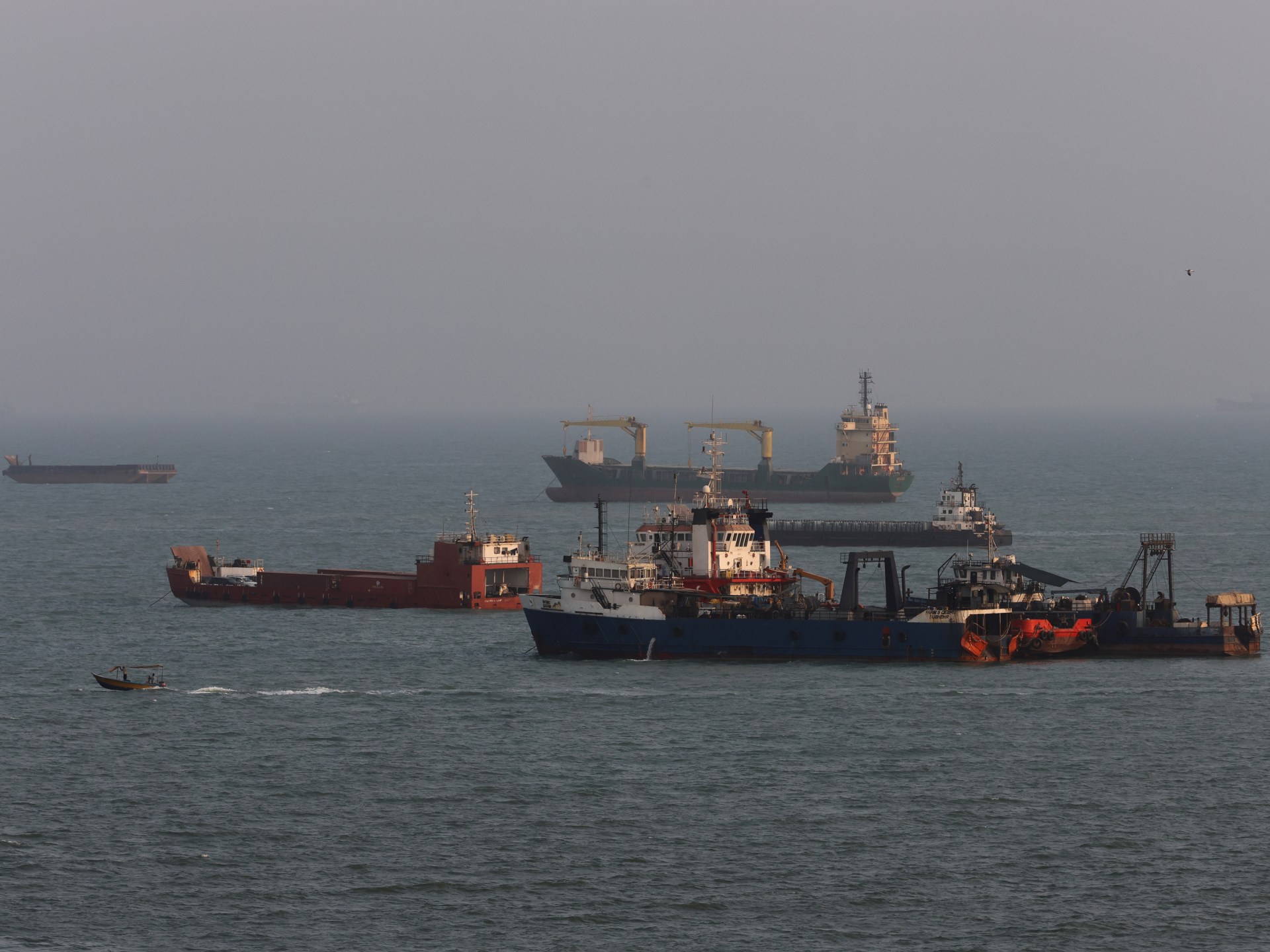
Multiple commercial tankers sustained strikes in Gulf waters as Iran reaffirmed its blockade of the Strait of Hormuz, conditioning reopening on U.S. concessions: cessation of “acts of aggression,” lifting of the naval blockade, end to economic warfare, and release of frozen Iranian assets. The tanker attacks underscore Iran’s ability to disrupt global energy supply despite technological disadvantages—each incident raises insurance premiums and deters shipping, inflicting economic costs even without direct military escalation. Global oil markets price in Hormuz closure risk, with Brent crude hovering near $107/barrel as traders hedge against further disruption. Tehran’s conditions represent a maximalist negotiating posture, bundling military de-escalation with comprehensive sanctions reversal—an unlikely package given Trump administration rhetoric.
UK Charges Two Iranian Nationals in Terror Plot Targeting Jewish Community
British authorities charged two Iranian nationals Friday with terrorism offenses in connection with a suspected plot targeting the Jewish community in Manchester during Yom Kippur observances. The charges represent a rare direct attribution of state-sponsored terror planning to Iran operatives on Western soil, expanding the geographic scope of Tehran’s alleged international operations beyond Middle Eastern theaters. Intelligence assessments, though not yet publicly disclosed, suggest Iranian state coordination rather than independent extremist action—a pattern consistent with Iran’s demonstrated willingness to execute attacks through foreign operatives in allied or neutral countries. The timing during Jewish holiday celebrations underscores targeting precision and suggests operational planning depth, marking a tactical shift toward Western Jewish communities as legitimate targets in Iran’s strategic calculus.
FlyDubai Cockpit Attack Exposes Systemic Security Screening Failures
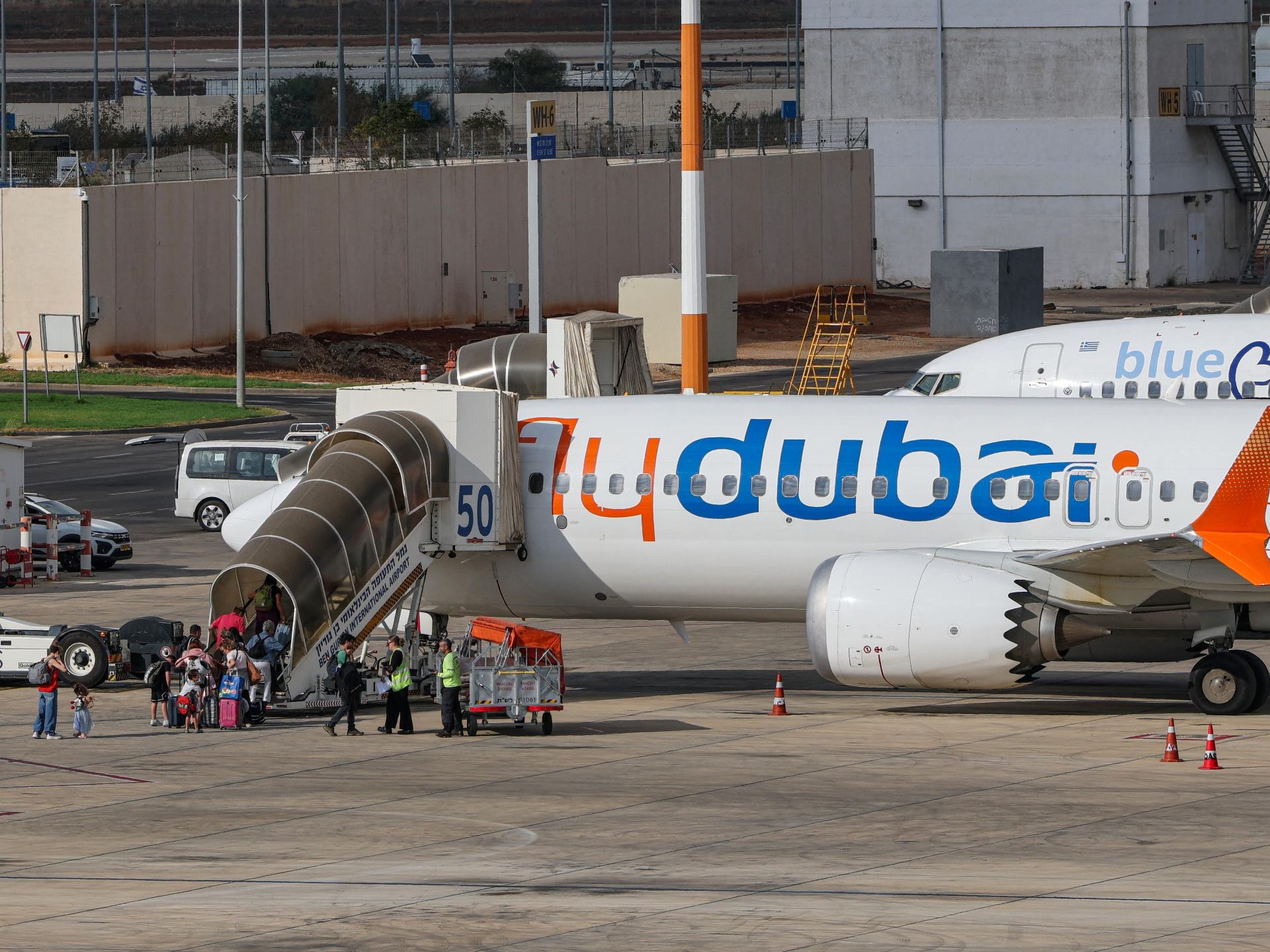
Questions intensify over why Omani co-pilot Muhsin Rayan Harethi—flagged in intelligence assessments as holding extremist views—was cleared to operate a commercial flight to Israel. Captain Smit Makhchar survived the mid-air stabbing attack and maintained aircraft control while crew and passengers subdued the attacker, preventing a potential mass casualty incident over Israeli airspace. Investigators have not disclosed the attacker’s specific motives or ideological affiliations, though timing during peak US-Iran tensions and the aircraft’s Tel Aviv destination suggest political dimensions. Israeli authorities and international aviation regulators are now auditing background check protocols used by Gulf carriers, exposing gaps between intelligence flagging and crew clearance procedures. The incident underscores how proxy or asymmetric operations can emerge not through direct Iranian action, but through radicalized operatives positioned within civilian infrastructure—a threat vectors regulators had underestimated.
Houthis Claim Aramco Strike; Yemen Fighting Escalates
Iran-backed Houthi militia claimed responsibility for striking a Saudi Aramco facility in Riyadh while simultaneously reporting intensified combat operations in Yemen. The claimed attack on Saudi oil infrastructure continues a pattern of Houthi attempts to leverage energy sector vulnerabilities against regional rivals and their backers. Fresh airstrikes on the Yemeni capital coincide with reports of Saudi-backed Yemeni forces claiming 700 Houthi casualties in 24-hour combat operations—casualty figures that, if verified, would indicate escalating intensity and desperation rather than deconfliction. The fighting compounds a humanitarian crisis already characterized by fuel scarcity, malnutrition, and disease, with UN assessments flagging deepening food insecurity across Yemen driven by conflict disruption of agricultural zones and supply routes.
Compiled from the configured RSS feed.