
Iran Conflict — 2026-10-01 (AM)
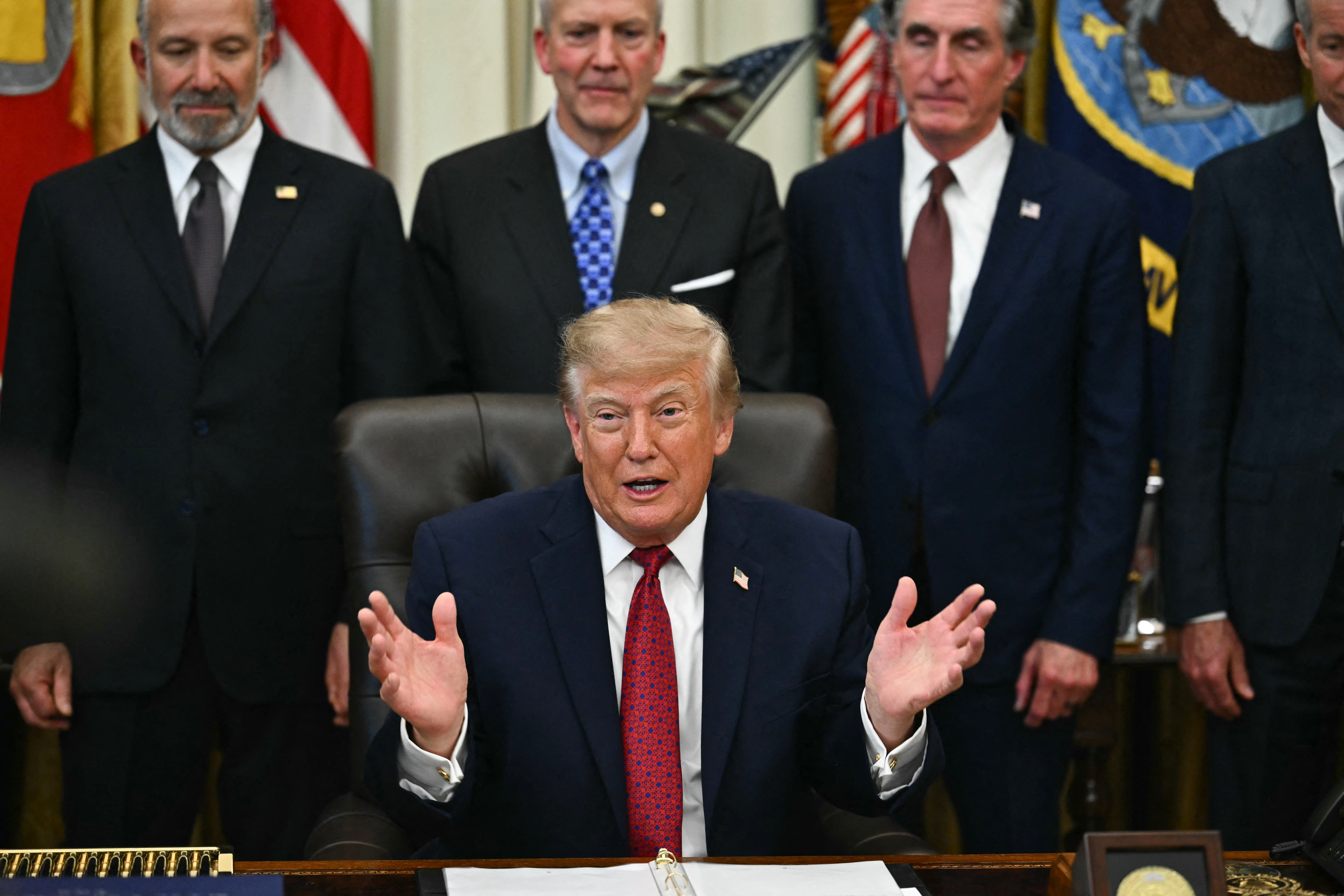
Trump’s escalating rhetoric marks a critical inflection point as US military leadership claims near-total degradation of Iranian forces while intelligence agencies link Tehran to international security plots. The region faces a convergence of immediate threats: a near-miss airliner attack, Iranian weapons displays, and evidence of state-directed foreign operations.
Trump Threatens Military Action as US Claims Iran’s Forces Crippled
President Trump told reporters on October 1 that the US faces a binary choice: either “make a deal with Iran” or “blow them up,” insisting the standoff will end “very soon one way or the other.” Simultaneously, Defence Secretary Pete Hegseth told military leaders at Quantico that American forces have “destroyed” Iran’s navy, air force, defence systems, and military-industrial capacity. Trump also reiterated claims of “virtually total control” over the Strait of Hormuz, a critical global oil transit chokepoint. Oil markets responded with modest gains, Brent crude climbing 0.1% to $98.15/barrel as traders weighed the dual risks of military escalation versus negotiated resolution.
Iran Displays Military Capability with Shahed Drone Parade

Iran conducted a public military parade through the capital on October 1, displaying Shahed drones to crowds of flag-waving citizens. The demonstration, held amid heightened US-Iran tensions, served as a show of indigenous weapons production and resolve. The Shahed series—loitering munitions that Iran has supplied to Russia and used operationally across the region—represent Tehran’s primary asymmetric capability against larger adversaries. The parade timing coincides with Trump’s maximalist military rhetoric and suggests Iran is signalling both deterrence and domestic resolve to its population.
FlyDubai Cockpit Attack Narrowly Averted Catastrophe Over Israel
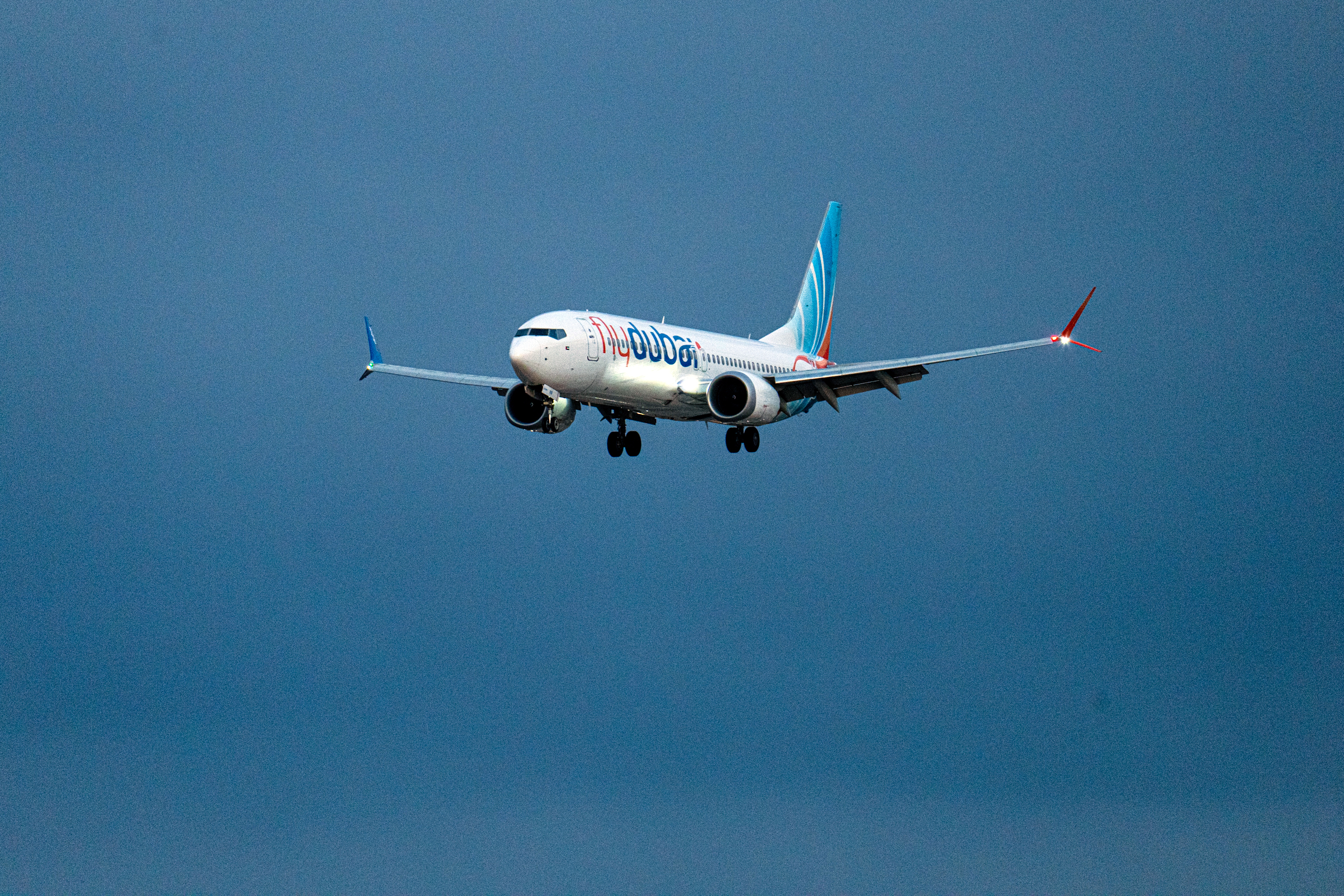
A co-pilot on FlyDubai flight FZ1073 from Dubai to Tel Aviv stabbed the pilot and attempted to crash the aircraft on September 30, precipitating a midair emergency that riveted the region’s attention. Captain Smit Makhchar, the stabbed pilot, managed to maintain control despite severe injuries while passengers and crew subdued the attacker. The aircraft successfully diverted, landing safely in Tel Aviv with 174 people aboard. Israeli Prime Minister Benjamin Netanyahu praised Makhchar as a hero, and the Indian captain’s actions prevented a potential mass casualty incident over a population centre. The motive remains unclear; officials have not disclosed whether the attack carried a political or ideological dimension, though the timing during peak Iran-US tensions raised immediate questions about possible connections to broader regional conflict.
UK Links Iran to Suspected RAF Airbase Security Plot
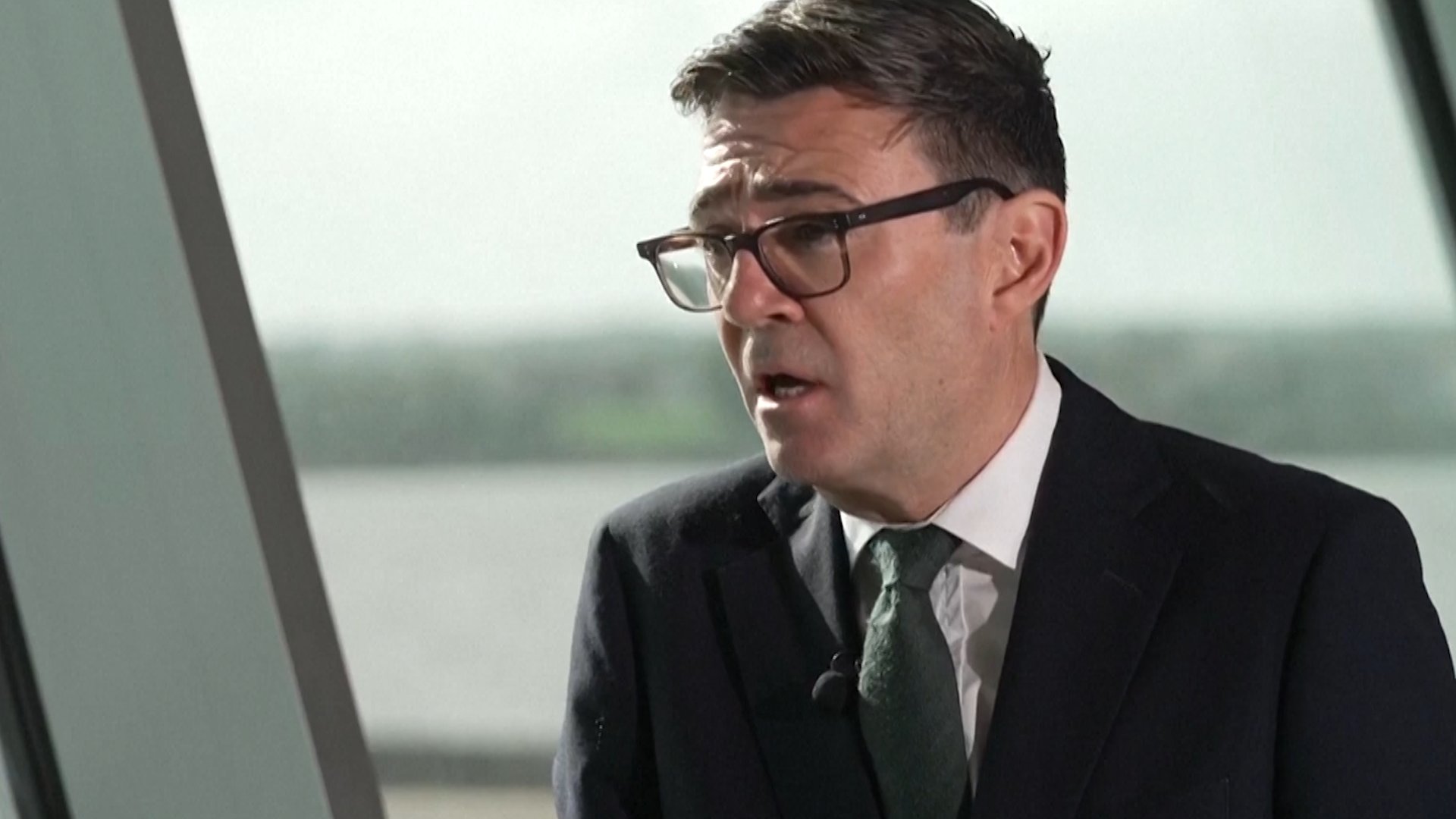
UK authorities have identified “strong indications” that Iran played a role in a suspected security plot targeting RAF Fairford airbase, according to statements by British officials on September 30. RAF Fairford, a US-allied strategic installation that has hosted American bombers, became the focus of a counter-intelligence operation. The revelation expands the scope of Iranian state operations beyond the Middle East proper, suggesting Tehran is conducting reconnaissance or planning attacks against allied military infrastructure in Western nations. The plot disclosure marks a significant escalation in the intelligence dimension of US-Iran conflict, indicating willingness to pursue operations across traditional conflict zones.
Israeli Forces Raid Al-Aqsa Mosque During Jewish Holiday Season

Over 1,300 Israeli settlers and security forces raided the Al-Aqsa Mosque compound in occupied East Jerusalem on September 30, part of an intensified campaign during the Jewish holiday season. The incursions, which have occurred repeatedly in recent months, are seen by Palestinians and regional observers as deliberate provocation that stokes broader regional tensions. The raids compound the escalatory environment, providing fodder for Iranian and proxy narratives about Israeli aggression and Western double standards. Al-Aqsa’s centrality to Islamic identity and the compound’s status as one of Islam’s holiest sites mean such actions carry outsized symbolic weight across the Muslim world.
Saudi Arabia Stands Firm Against Houthis as Regional Security Deteriorates
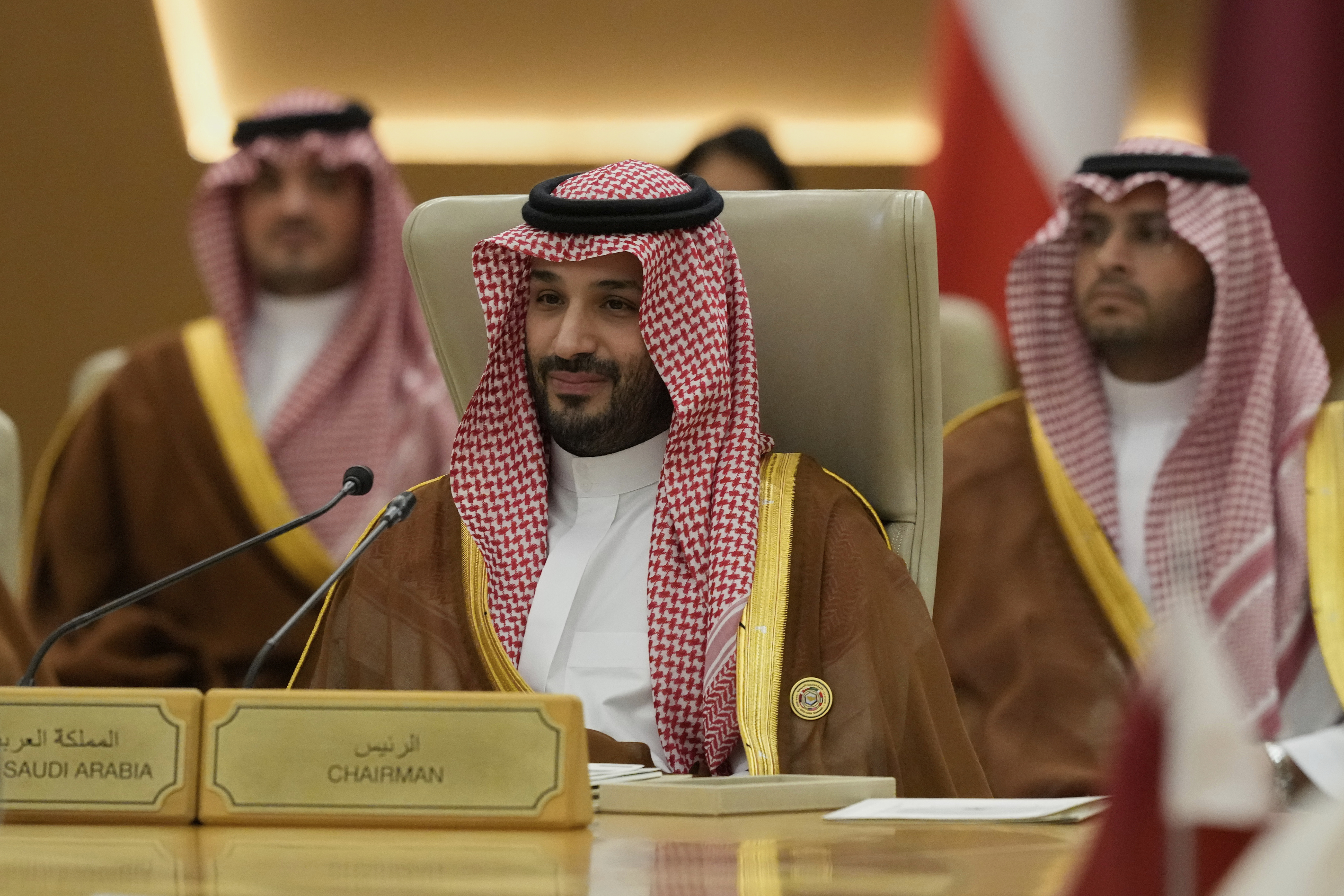
Saudi Crown Prince Mohammed bin Salman warned on September 30 that the kingdom will not compromise on security and accused Yemen’s Houthis of choosing “chaos” over dialogue. The statement comes amid renewed Houthi drone and missile attacks against Saudi infrastructure and shipping in the Red Sea. The Iranian-backed Houthis have escalated operations in recent weeks, targeting critical installations and international commerce. MBS’s hardline stance reflects Riyadh’s assessment that the militant group is not a negotiating partner and must be met with continued military pressure—a posture that keeps a key US ally locked in an open-ended conflict with an Iranian proxy force.
Compiled from the configured RSS feed.