
Iran Conflict — 2026-09-30 (AM)
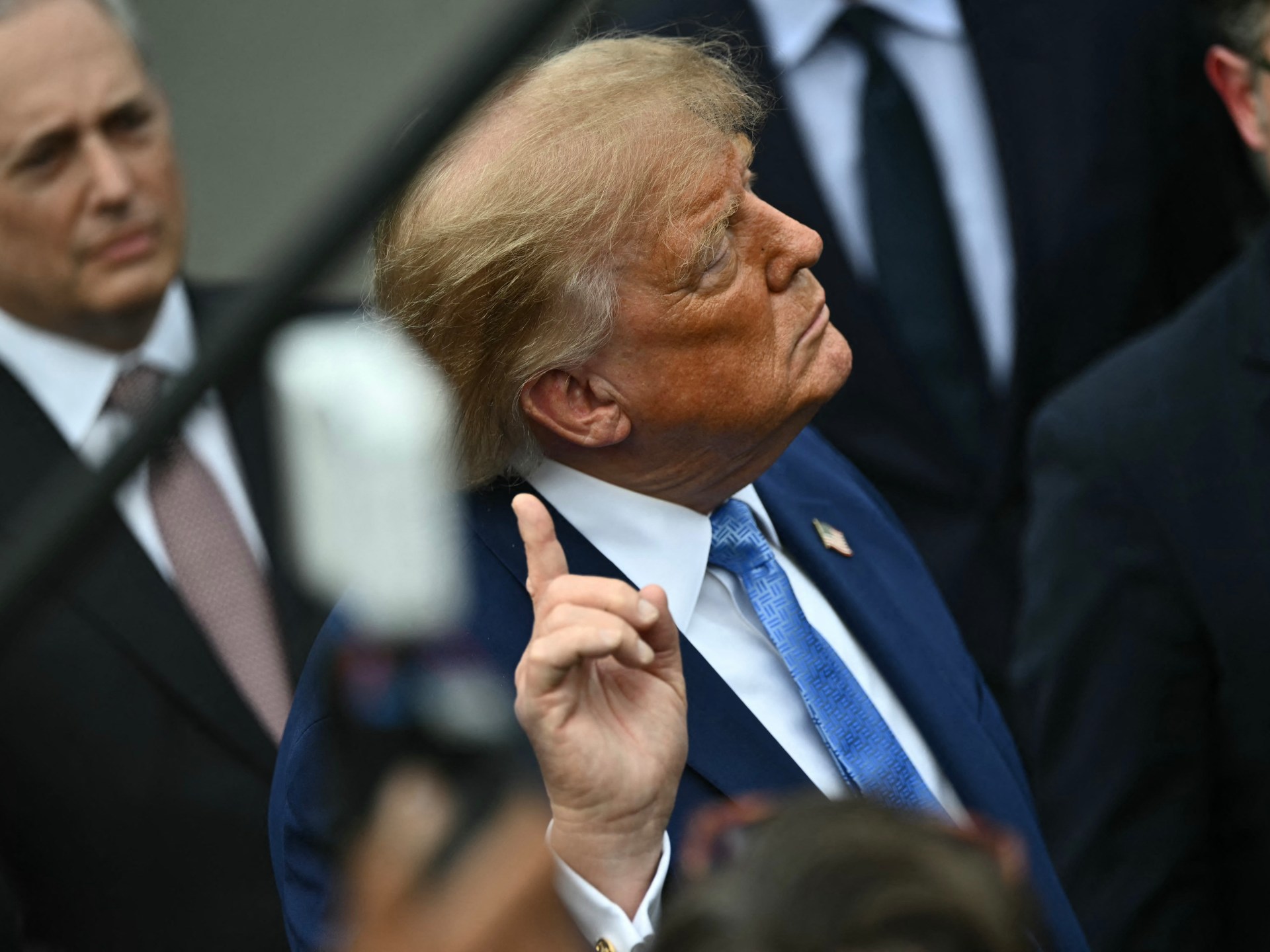
As the conflict approaches Day 215, US President Trump reiterated his claim that the Iran war will end “very soon,” though again providing no specific timelines or operational details. The pronouncement reflects mounting domestic political pressure to demonstrate progress before the November midterm elections. Simultaneously, the Treasury Department imposed new economic penalties targeting entities allegedly supporting Iran’s military, while Tehran’s Revolutionary Guards issued an open letter directly accusing the Trump administration of systematic deception about the war’s actual status. Despite escalating rhetoric and sanctions, diplomatic channels between the US and Iran remain partially functional, though fundamental disagreements persist over enforcement mechanisms and constraints on proxy forces.
Trump Reiterates ‘War Will End Very Soon’—Without Timeline
US President Donald Trump reasserted his recurring claim that the Iran conflict will conclude “very soon,” echoing similar statements made over the past weeks without providing specific military operations, diplomatic breakthroughs, or timelines to support the assertion. The vague pronouncement appears calibrated for domestic consumption, addressing voter concerns about an open-ended military commitment ahead of November elections. Trump did not clarify whether “very soon” means days, weeks, or months, nor did he address the structural obstacles to a negotiated settlement—including Iranian nuclear programme restrictions, sanctions relief terms, and proxy force constraints—that continue to divide the two sides.
US Treasury Sanctions 10 Entities Across China, Pakistan, Turkey, Iran, Saudi Arabia
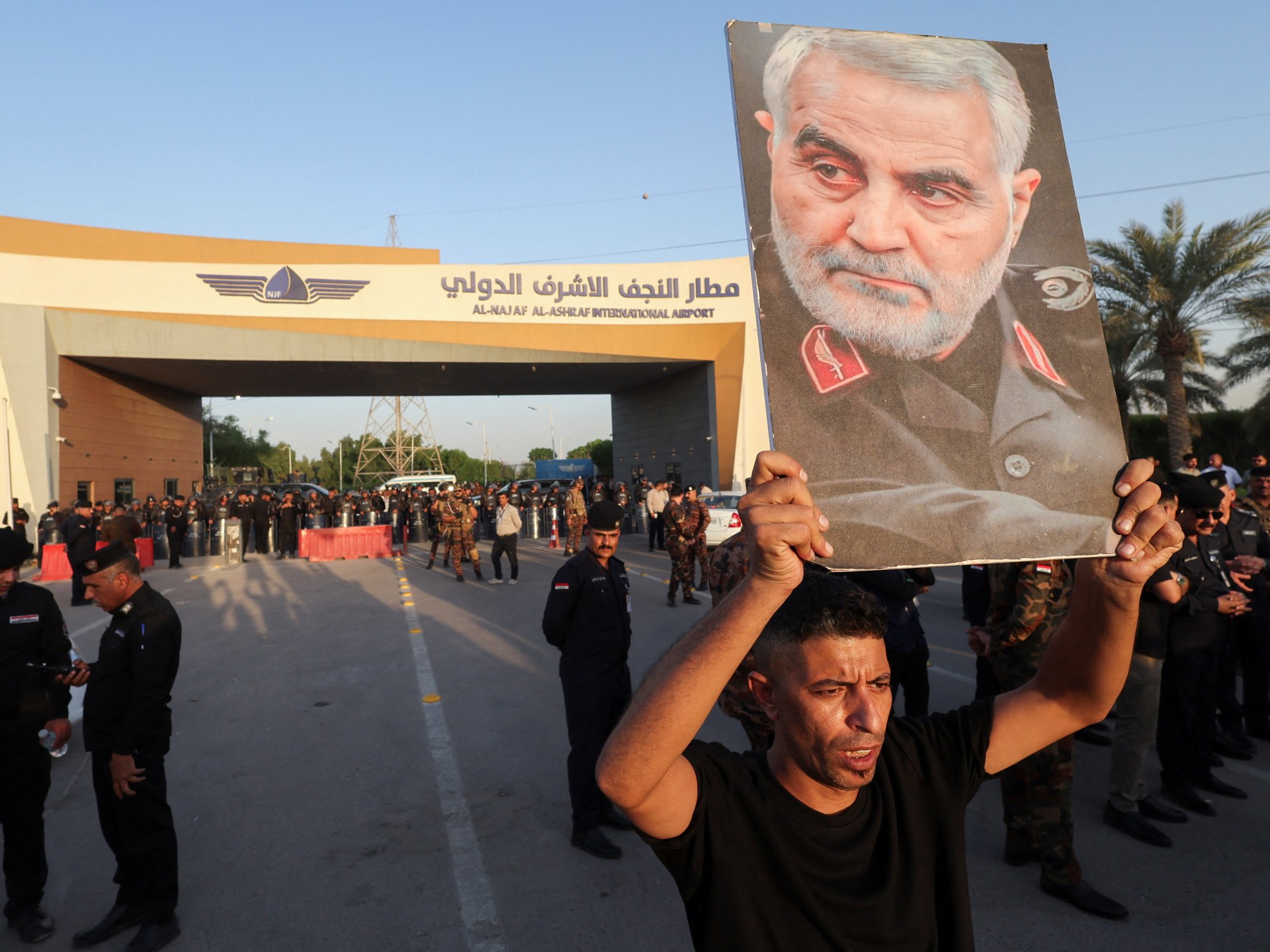
The US Treasury Department announced fresh economic sanctions targeting ten entities located in China, Pakistan, Turkey, Iran, and Saudi Arabia for allegedly providing material support or financial services to Iran’s military apparatus. The targeted entities include intermediaries facilitating procurement of dual-use technologies and financing networks that route funds to Iranian defence operations. The move signals continued US pressure through economic tools even as diplomatic channels remain partially active, reflecting a dual-track approach that combines sanctions escalation with negotiating overtures—a strategy that Iranian negotiators have criticized as contradictory and undermining trust.
Iran’s IRGC Opens Direct Critique: Trump ‘Lying’ About War Status
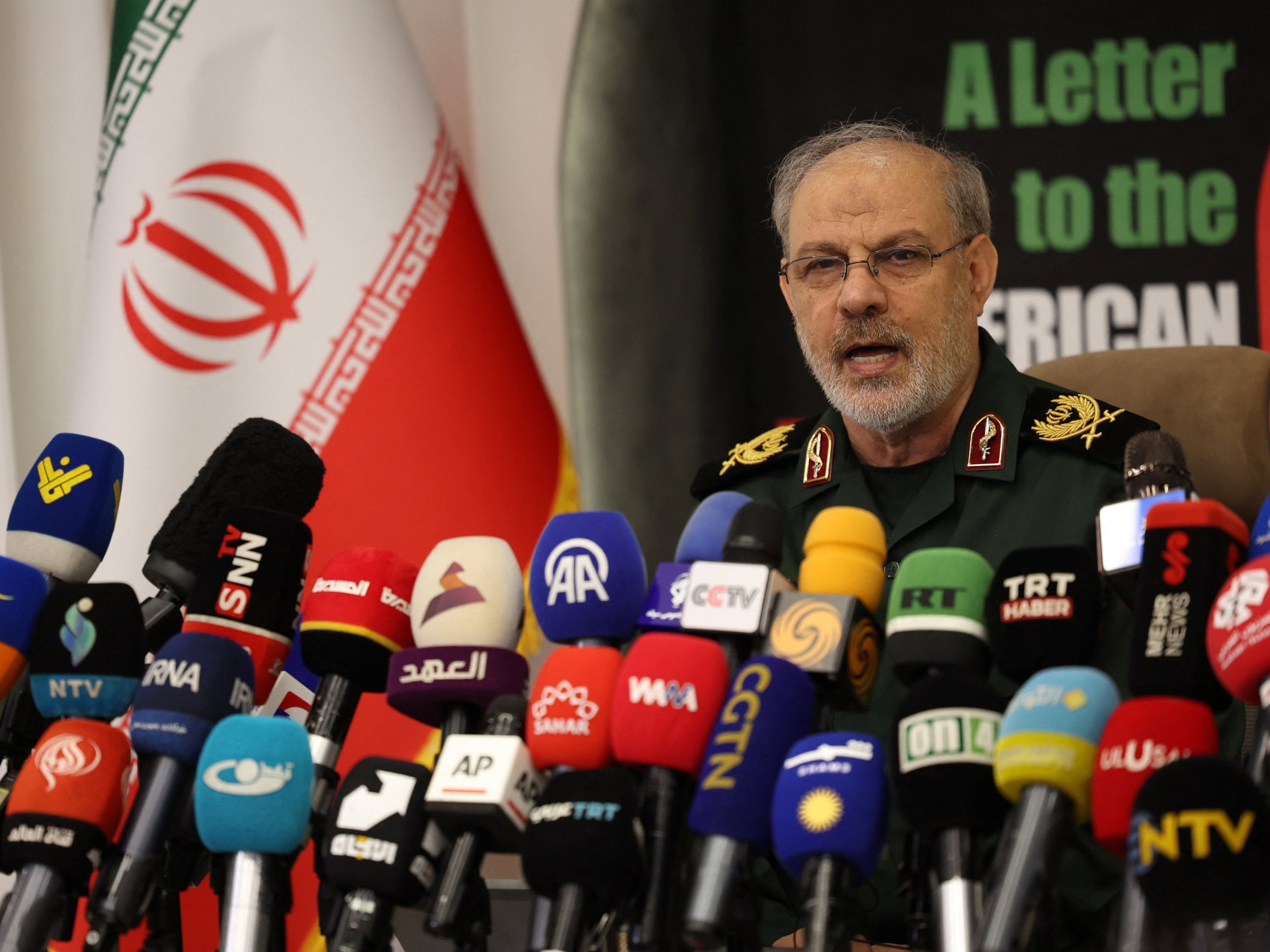
Iran’s Revolutionary Guards published an open letter directly accusing the Trump administration of systematic deception regarding the conflict’s actual status, military losses, and readiness timelines. The statement represents a rare escalation in public messaging, moving beyond formal diplomatic denials to challenge Trump’s credibility with the American electorate. The IRGC letter emphasized that Iran remains militarily prepared for prolonged conflict, contradicting Trump’s assertions that Iranian forces are in disarray or that the US military campaign is achieving decisive results. The public critique signals Iranian frustration with what Tehran views as misleading US war rhetoric designed to manipulate domestic political narratives rather than reflect operational reality.
US-Iran Diplomatic Talks Continue Despite Fundamental Disagreements
Both US and Iranian representatives maintained back-channel communications through Qatar and other intermediaries, but officials from both capitals acknowledged that significant gaps remain between negotiating positions. Iran continues to condition a settlement on substantial sanctions relief and recognition of its regional security interests, while the US insists on strict limits on Iran’s nuclear programme and constraints on proxy force operations. The diplomatic standoff reflects a structural impasse: neither side is willing to make concessions that its domestic constituency would view as capitulation, and the November midterm elections add time pressure for a visible US political victory—a dynamic that incentivizes rhetoric like Trump’s “very soon” claim rather than substantive progress toward a framework agreement.
Day 215 of the conflict. Compiled from the configured RSS feed.