
Iran Conflict — 2026-09-28 (NOON)
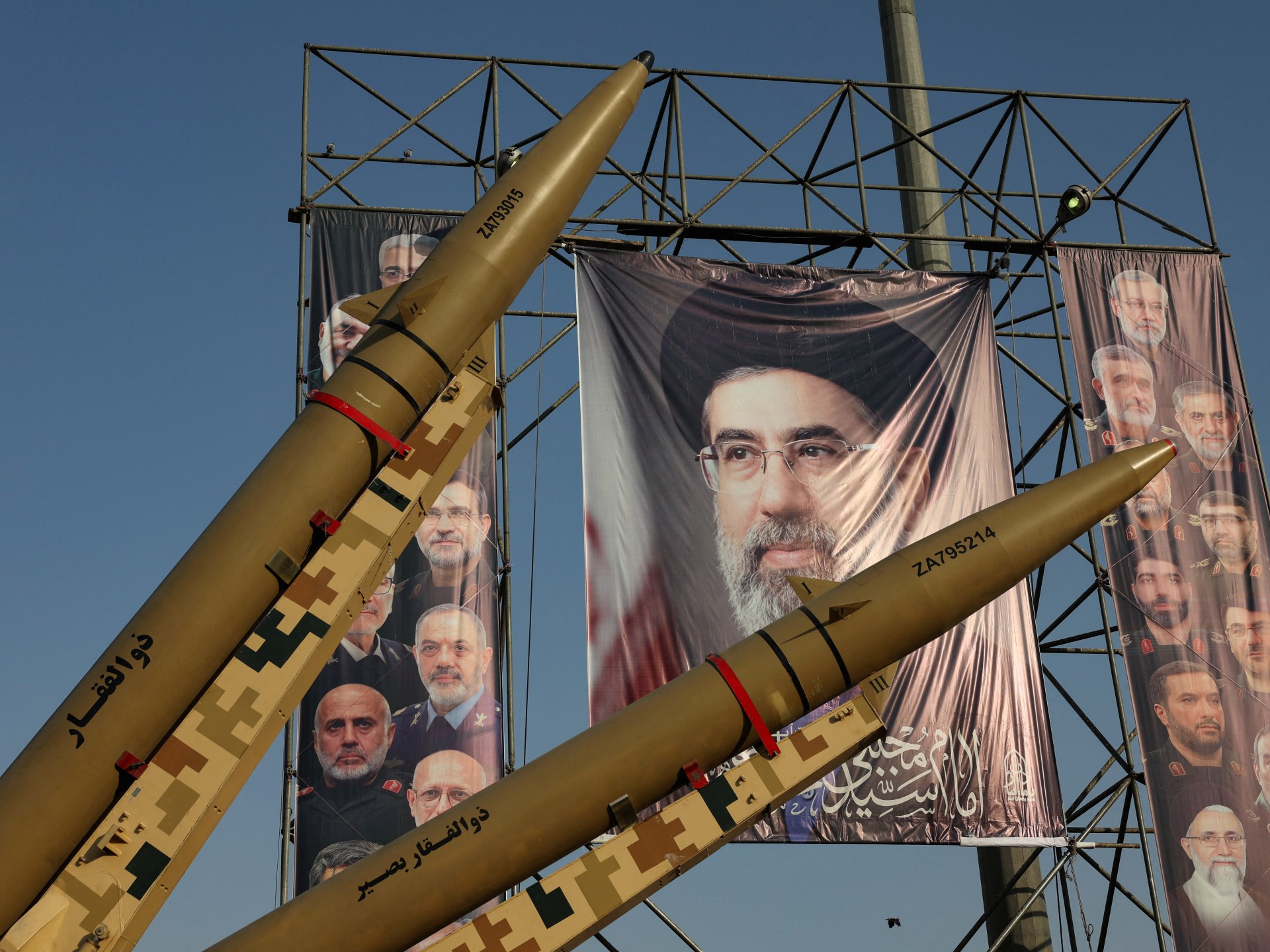
Tensions across the Strait of Hormuz and UK-US territories have escalated rapidly as diplomatic efforts stall and military posturing intensifies. Iran’s leadership doubled down on war readiness while the UK investigates a suspected terror plot with Iranian connections at a US military installation, even as oil markets surge on supply-chain fears.
UK Investigates Iran Link to RAF Fairford Bomb Plot
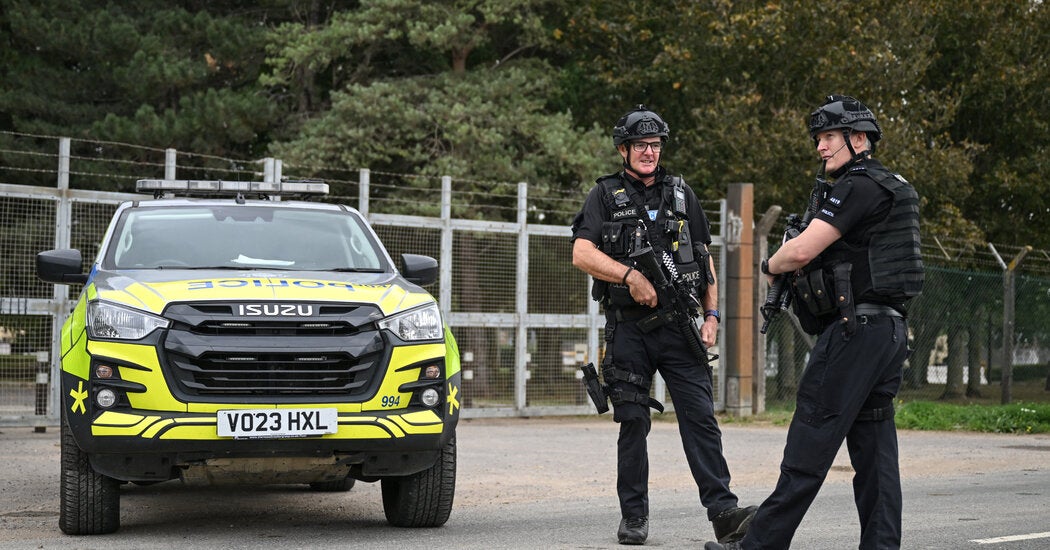
UK counter-terrorism police are investigating a potential link with Iran after five people were arrested near RAF Fairford, a strategic air base hosting U.S. forces in Gloucestershire. Authorities evacuated homes in the vicinity following the discovery of suspected explosives and terrorism charges. The incident comes amid heightened regional tensions and marks a rare homeland security incident directly tied to Iran’s expanding reach.
Trump Rejects Iran’s Peace Proposal; Hormuz Crisis Deepens
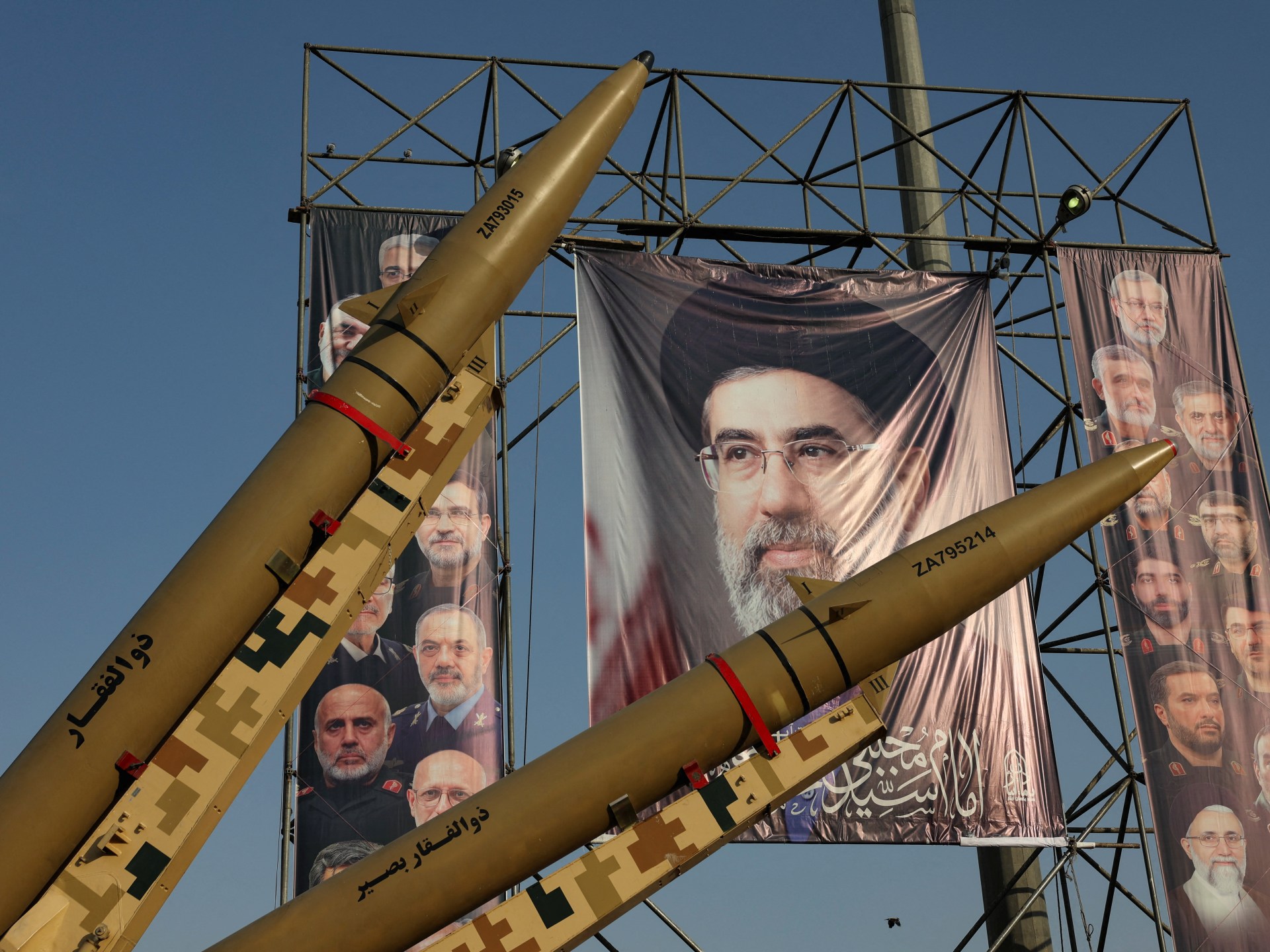
The U.S. administration has rejected Iran’s proposal to reopen the Strait of Hormuz to commercial shipping, a significant diplomatic setback that signals Washington’s intent to maintain maximum pressure on Tehran. Iran had conditionally offered to lift restrictions on maritime traffic if sanctions relief was provided, but Trump’s team dismissed the overture outright. The rejection narrows the diplomatic window at a moment when miscalculation risks military escalation along one of the world’s most critical energy chokepoints.
Oil Prices Surge to $107 as Hormuz Tensions Mount
Global energy markets are pricing in regional conflict risk as Brent crude breached the $107-per-barrel mark. The spike reflects market fears that Hormuz disruptions could constrain the roughly 21% of world oil exports that transit the strait daily. Energy traders are hedging against Iranian naval action or blockade attempts, a pattern familiar from previous escalation cycles but now playing out at a moment when geopolitical consensus on de-escalation has evaporated.
Iran’s Foreign Minister Declares Readiness for ‘Apocalyptic War’

Iran’s Foreign Minister Araghchi declared that Tehran is “fully prepared for war” and ready for an “apocalyptic conflict” should the U.S. escalate further. The rhetoric underscores a hardened Iranian position rejecting U.S. conditions and signaling that Iran views military confrontation as increasingly likely. While such statements often serve domestic political purposes and posturing in negotiations, the consistent messaging from Tehran’s leadership suggests a shift toward contingency planning rather than diplomatic outreach.
U.S. Nuclear Diplomacy Overture
In a counter-signal to the hardening posture, Trump administration officials disclosed that the U.S. had offered to sell Iran enriched uranium for civilian nuclear power generation. The proposal, disclosed by National Security Advisor Mike Waltz, represents a potential opening for normalizing Tehran’s energy sector—though Iranian officials have not publicly responded to the offer. The juxtaposition of military warnings and nuclear incentives suggests internal U.S. strategy uncertainty.
Compiled from the configured RSS feed.