
Iran Conflict — 2026-09-26 (PM)
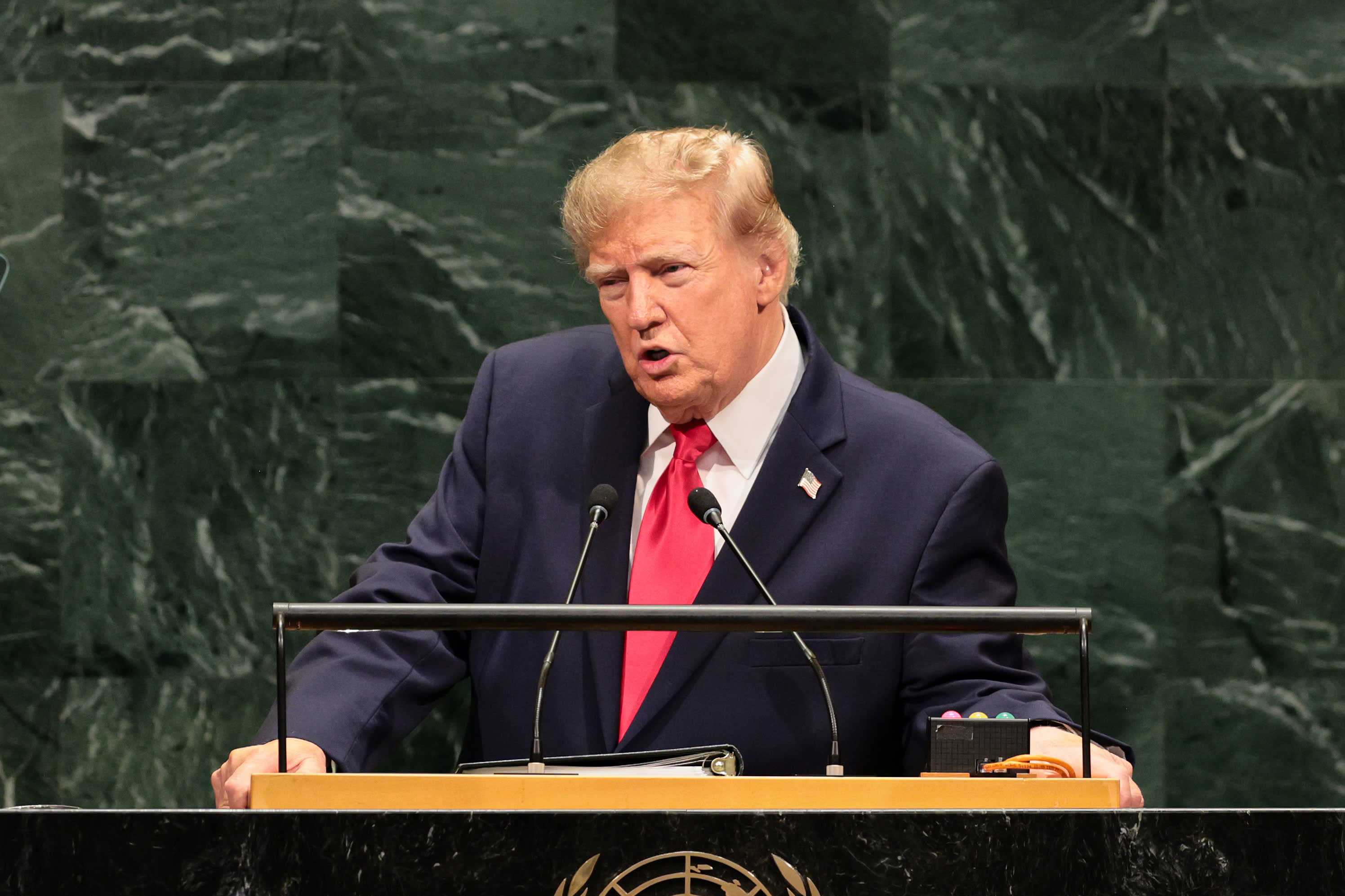
Diplomatic tensions intensified on September 26 as the Trump administration definitively rejected Iran’s ceasefire proposals, with expectations of resumed U.S. military operations following the November midterm elections. The development marks a sharp escalation in rhetoric as Iran’s leadership declared an end to confidence in Washington-led negotiations, while Saudi Arabia and regional partners convened to coordinate responses to ongoing Houthi attacks.
Trump Administration Rejects Iran Ceasefire Proposals
The Trump administration formally rejected Iran’s ceasefire proposals, according to reports, with Trump signalling expectations of renewed bombing campaigns against Iran following the November elections. The Wall Street Journal reported Trump anticipates escalated military operations, while Saudi-backed coalition forces intercepted Iranian projectiles over the region. Analysis suggests Trump may use the election cycle as a timeline for policy decisions on Iran engagement.
Iran President: ‘No Longer Trusts Talks With Washington’
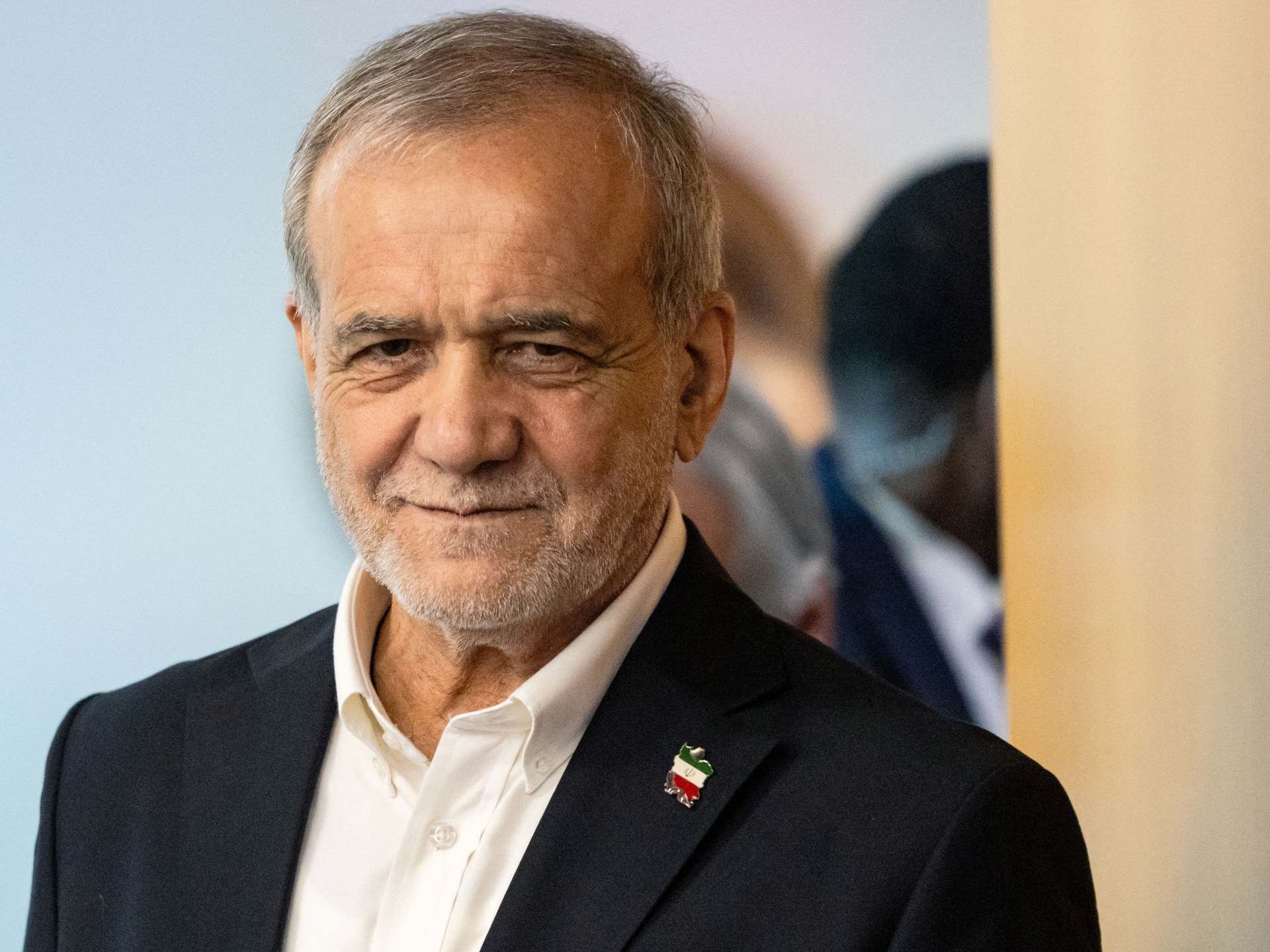
Iran’s President Pezeshkian stated in an interview with Al Jazeera that Tehran has abandoned faith in direct negotiations with the United States. Instead, the Iranian government is relying on intermediaries—Qatar and Pakistan—to relay messages to Washington. The statement reflects deepening distrust in the diplomatic channel and suggests Iran has shifted to indirect communication strategies amid escalating regional tensions.
Regional Defence Alliance Convenes Amid Houthi Escalation
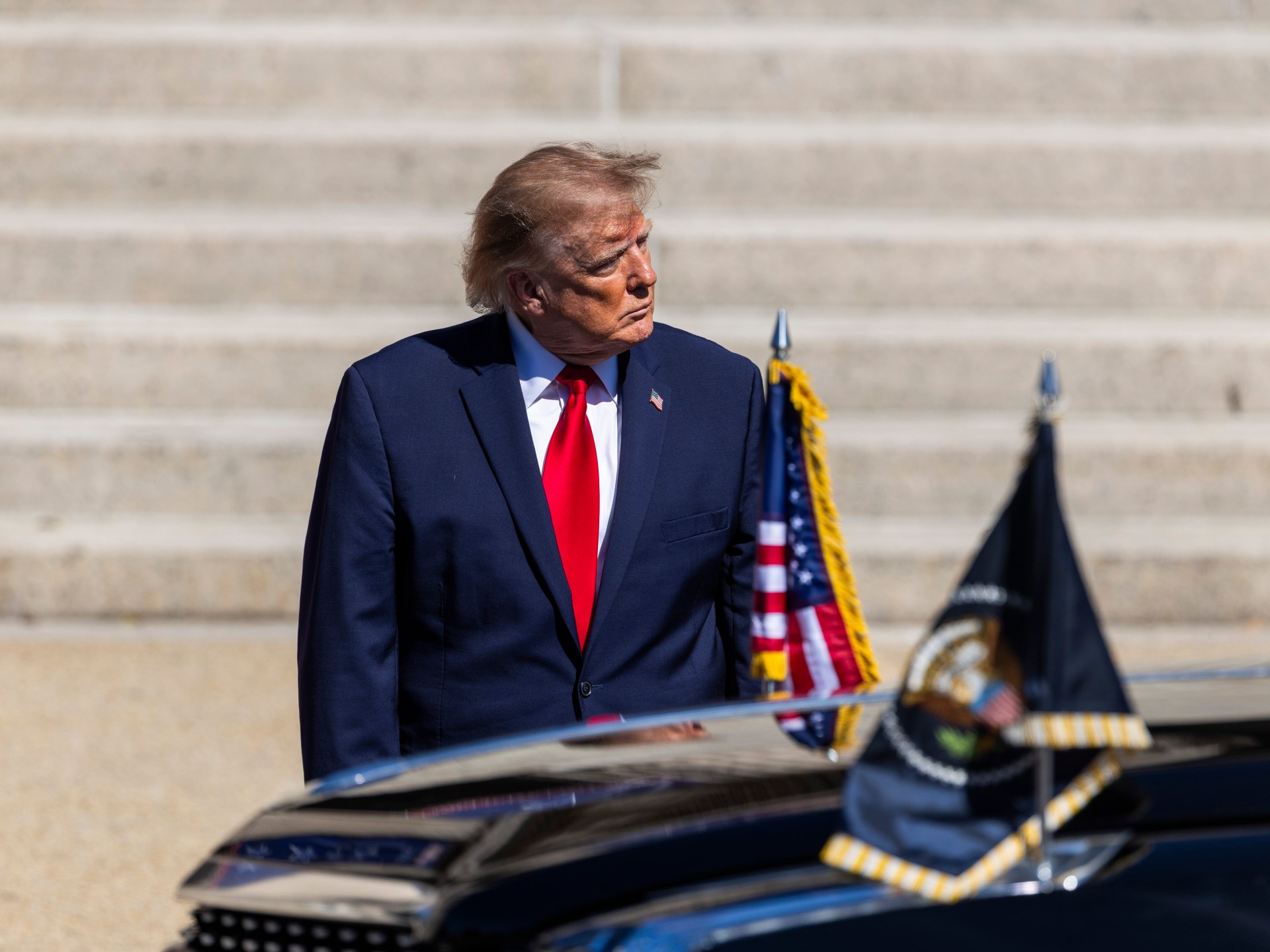
Defence chiefs from Saudi Arabia, Turkey, and Pakistan convened in Riyadh on September 26 to discuss coordinated responses to escalating Houthi attacks against regional targets. The high-level meeting underscores the expanding coalition effort to counter Iranian-aligned militant activities across the Arabian Peninsula. The convergence of key regional military leadership signals intensified preparations for potential further confrontations.
Iraq’s Economy Under Strain From Conflict Spillover
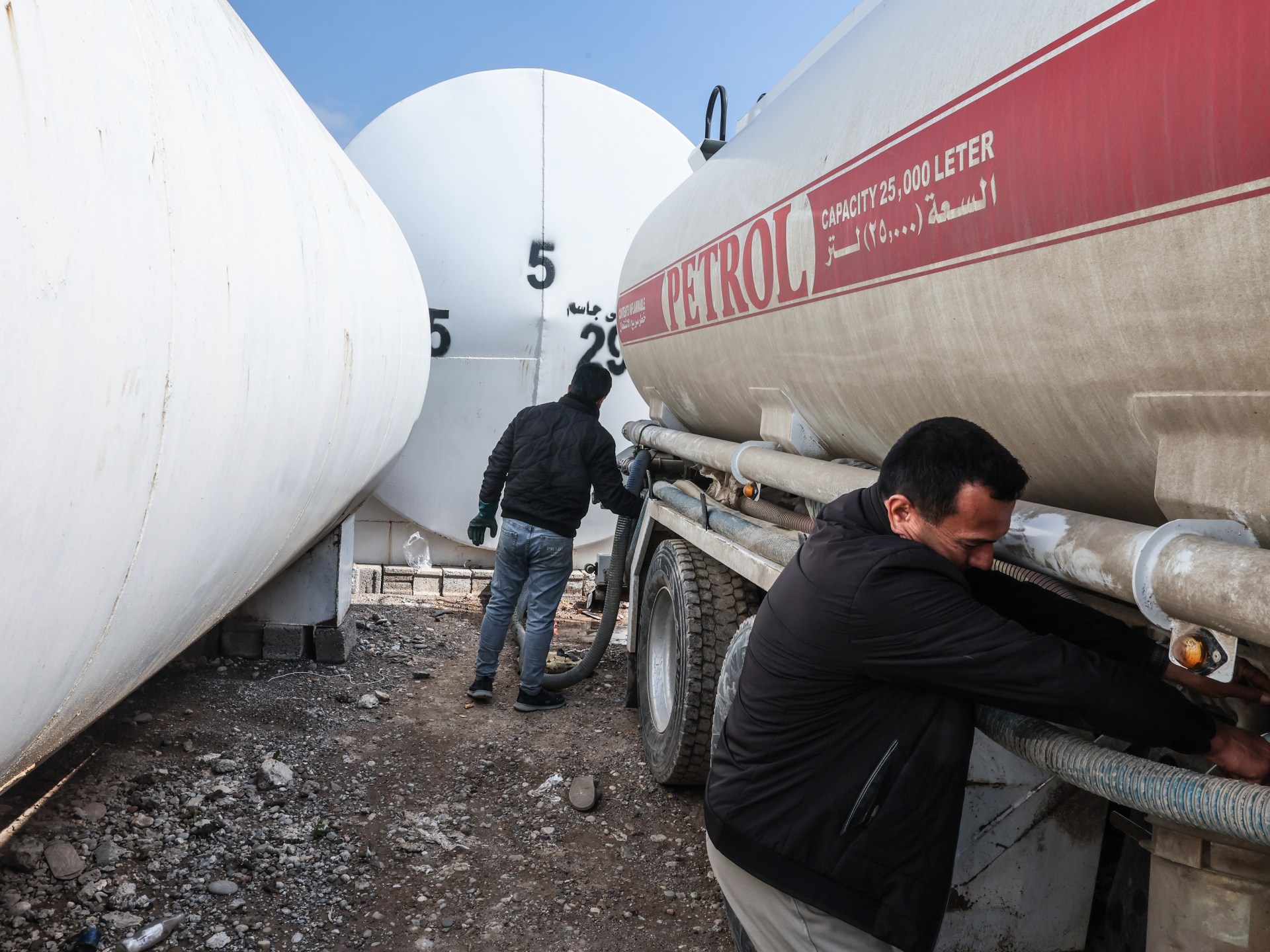
Iraq’s economy faces mounting pressure from cascading effects of the Iran conflict, including disrupted oil exports, rising import costs, and currency weakness. The Iraqi dinar has weakened significantly while import prices surge, exposing the country’s structural dependence on petroleum exports and foreign goods. Economic analysts warn that prolonged regional instability threatens Iraq’s fiscal stability and development prospects.
Compiled from news sources covering the Iran/UAE region conflict.