
Iran Conflict — 2026-09-26 (AM)
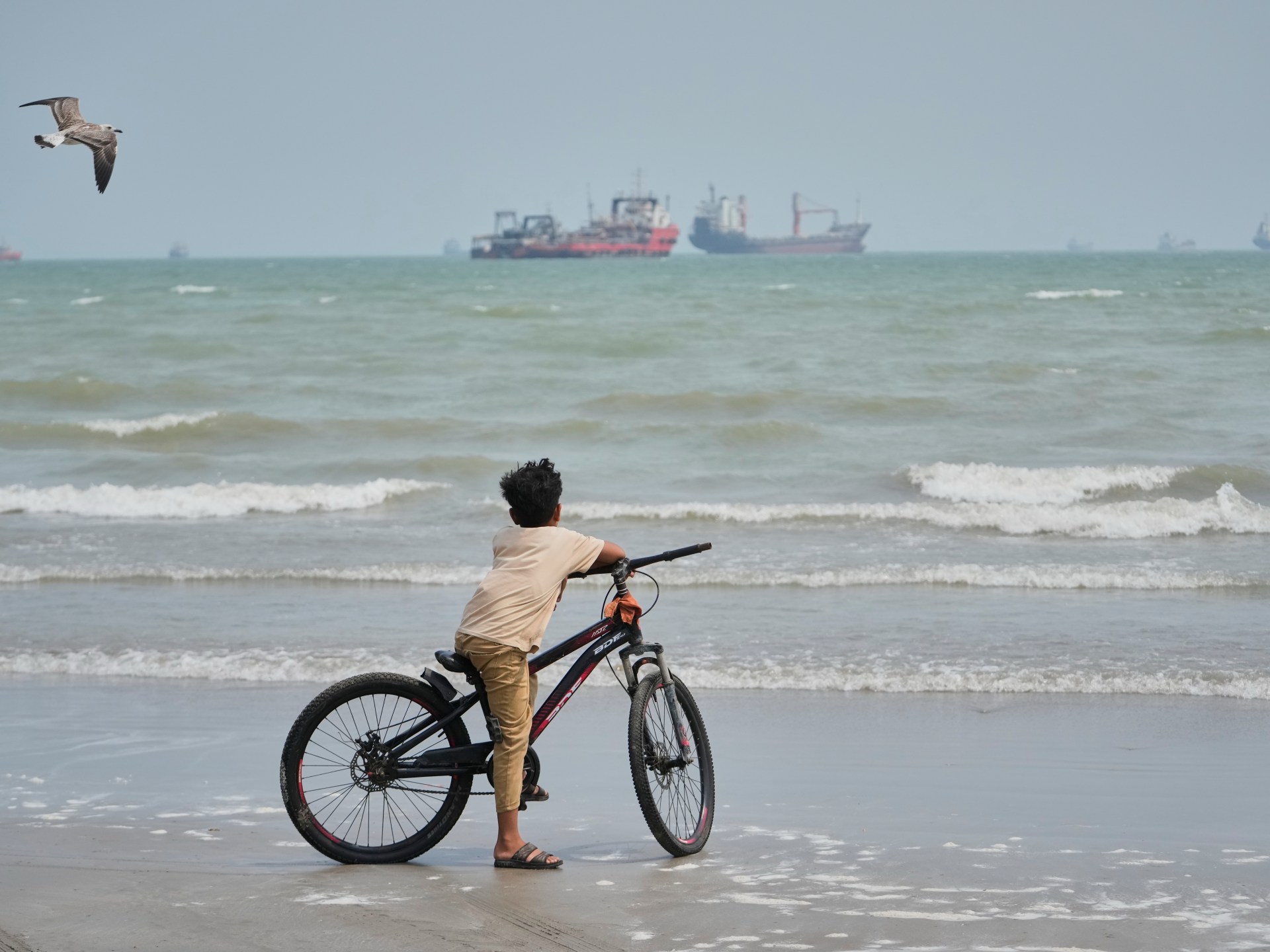
Iran’s Foreign Ministry presented a seven-day proposal to reopen the Strait of Hormuz, shifting the onus to Washington to respond. Meanwhile, the US intensified pressure on Tehran’s aviation sector, prompting Iraq to ground Iranian flights, while regional allies convened to discuss deeper military coordination against escalating Houthi threats.
Iran Proposes Hormuz Reopening Plan
Iran’s Foreign Ministry announced a concrete seven-day roadmap to reopen the strategic Strait of Hormuz, framing the initiative as a pathway to de-escalate regional tensions. The proposal, delivered to Washington through diplomatic channels, places the next move squarely on the United States, with Iranian officials emphasizing that “the choice rests with the US” to approve the framework. The move represents Iran’s latest diplomatic overture amid escalating military pressures and sanctions.
Iraqi Airports Halt Iranian Flights Over US Sanctions

Iraq’s major airports—Baghdad, Najaf, Erbil, and Sulaimaniyah—suspended all Iranian flight operations in response to new US aviation sanctions targeting Iran’s aviation sector. The move represents a significant tightening of Washington’s pressure campaign, extending economic restrictions beyond Iranian airspace into Iraq’s own transport infrastructure. Iraqi officials complied with the US measures despite the broader regional implications for civilian aviation and trade connectivity.
Pakistan Signals Red Line Against Houthi Attacks on Holy Sites
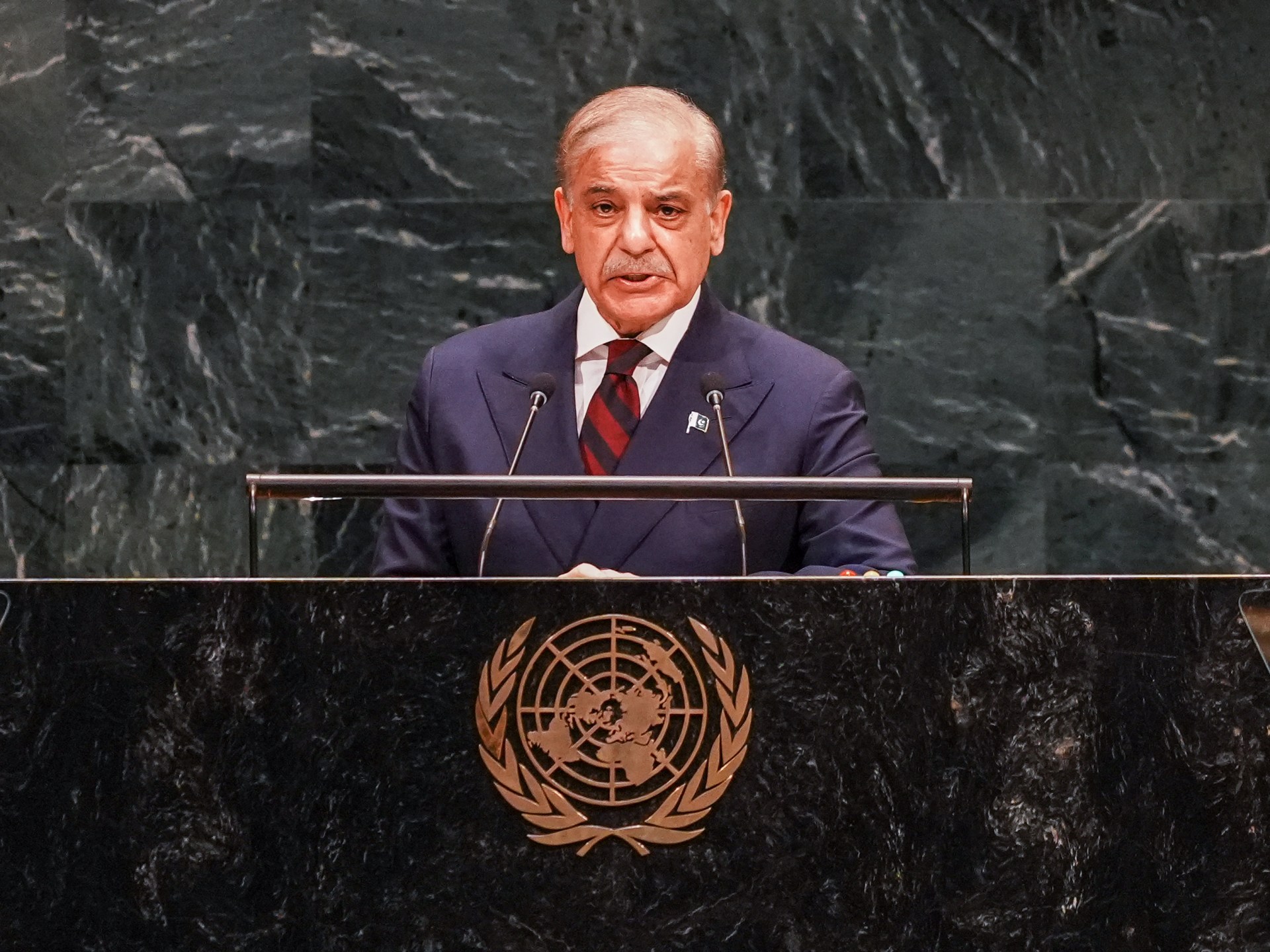
Pakistan’s Prime Minister declared that any Houthi attack on Islam’s holiest sites in Mecca and Medina would constitute a “red line” crossing that could trigger wider regional intervention. The statement came during a trilateral meeting of military leaders from Islamabad, Riyadh, and Ankara focused on strengthening the “Mecca pact” and deepening military coordination. The warning reflects growing concern among Gulf and regional allies about Houthi escalation threats and signals a potential shift toward more direct confrontation if Iran-backed militants target Saudi Arabia’s sacred geography.
Saudi Crude Exports Reach War-High Despite Infrastructure Pressure

Saudi Arabia’s crude oil exports climbed to their highest levels since the Iran conflict began, signaling the kingdom’s resilience despite ongoing attacks from Iran-backed militants in Yemen and Iraq on its critical infrastructure. The sustained export performance underscores Saudi Arabia’s strategic importance and its ability to maintain energy supply despite disruptions from Houthi drone and missile strikes on port facilities and a major domestic pipeline. The data suggests international markets remain stable and supply diversification efforts are limiting the conflict’s impact on global oil flows.
Compiled from the configured RSS feed.