
Iran Conflict — 2026-09-25 (NOON)
A flurry of diplomatic activity amid the ongoing Iran conflict is shifting market dynamics and international attention. US and Iranian officials are reportedly exploring a phased deal to reopen the strategic Strait of Hormuz and end Washington’s economic blockade, prompting optimism that has rippled through global energy markets. Meanwhile, the Trump administration’s mixed messaging—ranging from open diplomacy channels to threats of further military action—continues to create uncertainty about the conflict’s trajectory.
Phased US-Iran Deal Takes Shape Over Hormuz
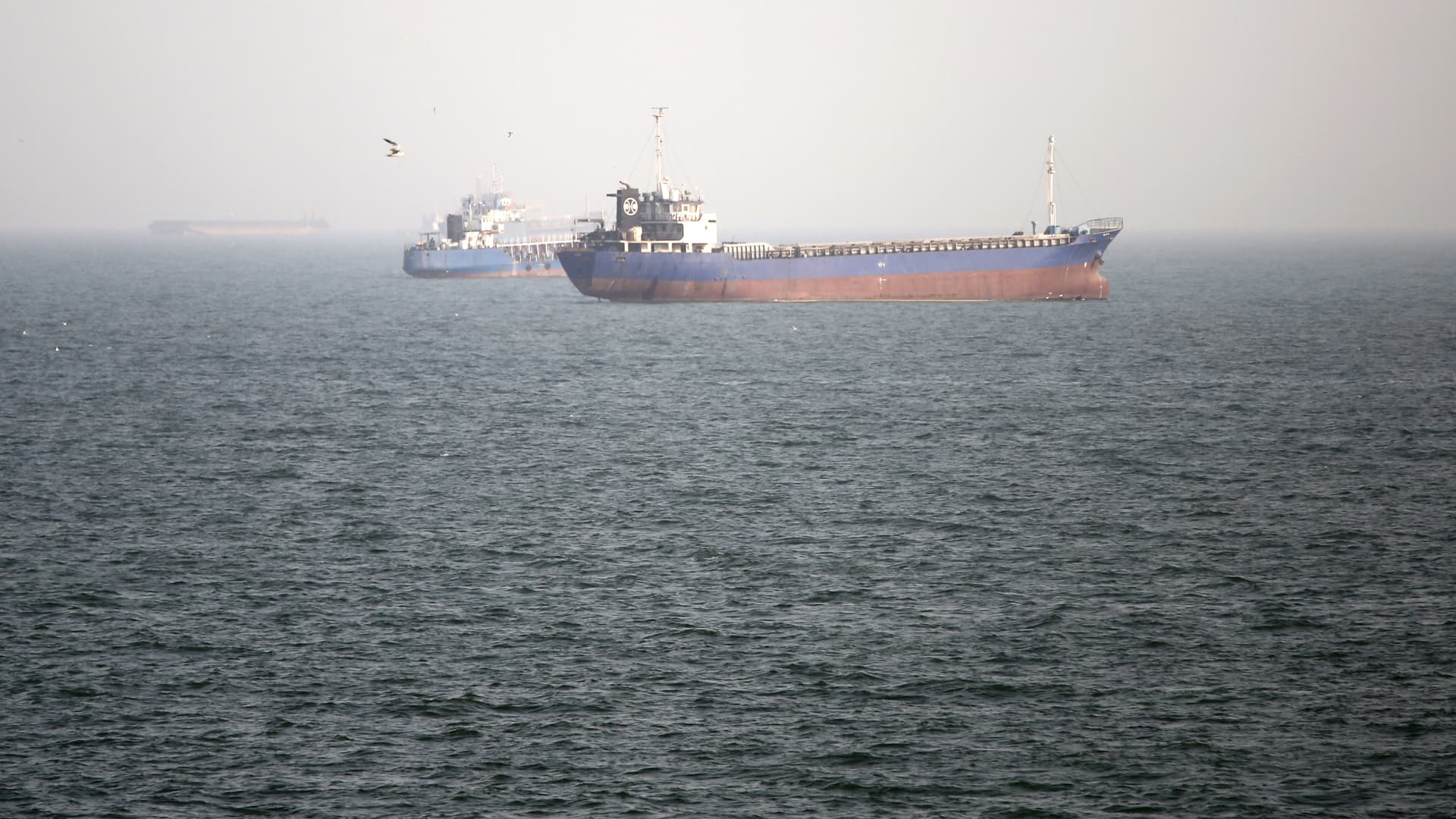
US and Iranian negotiators are engaged in intensive discussions over a phased agreement to reopen the Strait of Hormuz and lift the US economic blockade that has crippled Iran’s oil exports. Sources indicate the discussions are focused on incremental confidence-building measures, with the first phase aimed at stabilizing maritime commerce in the critical waterway. The talks represent the most concrete diplomatic progress in months, reflecting international pressure for a negotiated settlement.
Global Oil Markets React to Diplomatic Optimism
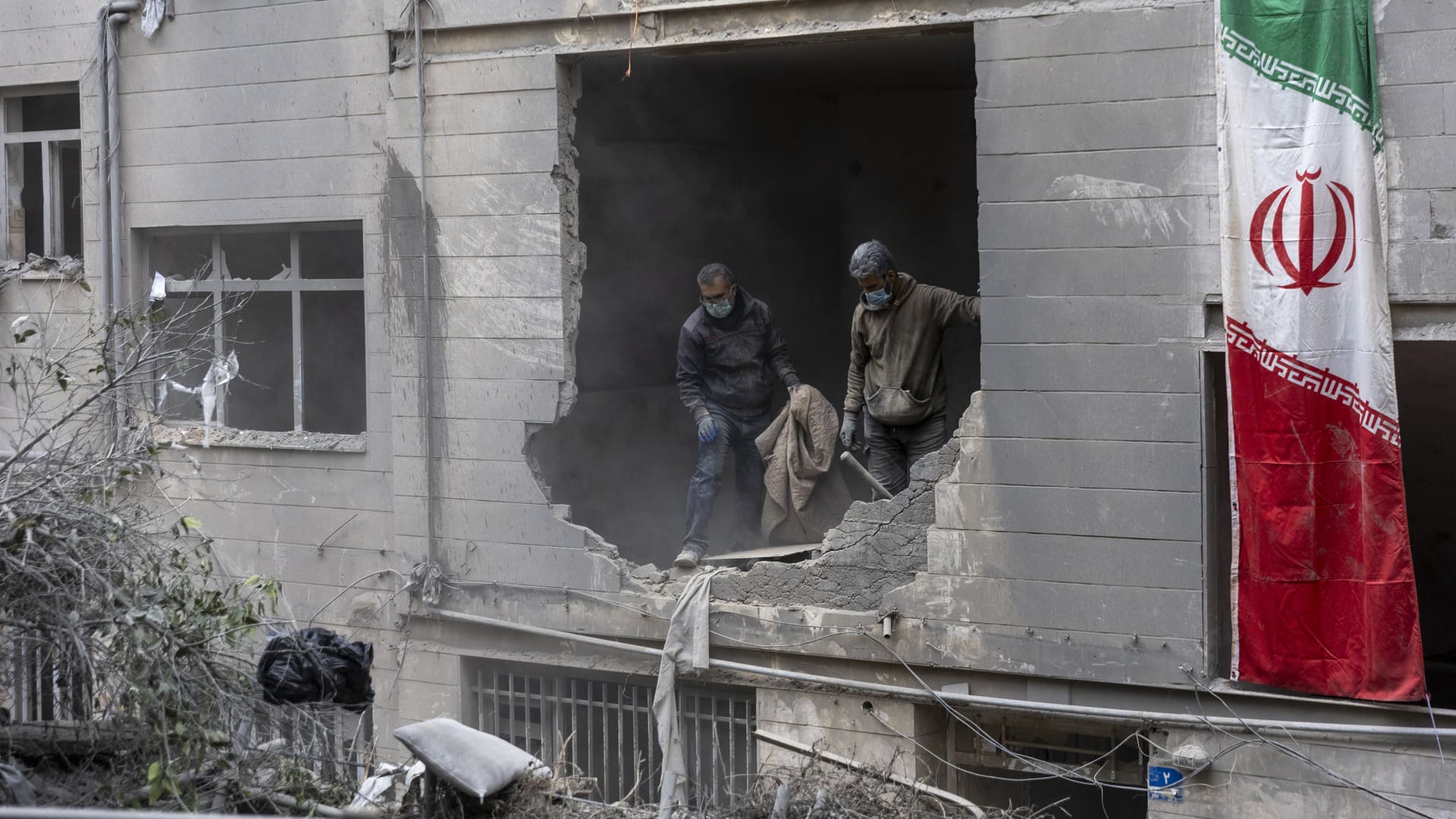
Oil prices fell sharply Friday following reports of the potential phased deal, signaling market confidence that diplomatic channels remain open. The price decline reflects expectations that renewed negotiations could eventually ease energy supply constraints that have driven crude prices higher throughout the conflict. Traders view the diplomatic signal as a relief valve for inflation concerns tied to Middle East tensions.
Trump Administration Balances Threats with Diplomacy
The Trump administration continues projecting competing signals. While diplomatic envoys pursue negotiations in New York, Trump addressed the UN General Assembly with warnings that the US might “annihilate” Iran if negotiations fail. The dual-track approach reflects internal administration disagreement over whether military pressure strengthens or weakens the negotiating position. International observers note the strategy mirrors Trump’s prior approach to North Korea negotiations.
Russia and Regional Players Back Diplomatic Track
Russian Foreign Minister Lavrov joined international calls for a negotiated settlement, with Moscow backing diplomatic engagement and urging all parties to pursue peaceful resolution. Regional leaders, including Pakistani PM Sharif, have similarly called for sustained diplomatic efforts. The convergence of diplomatic pressure from multiple directions—US negotiators, Russia, China, and regional actors—suggests a narrowing window where a deal might be reached.
Houthis Continue Strikes as Talks Proceed
Even as diplomacy advances, the Houthis launched a new wave of missile and drone attacks against Saudi targets Friday morning, underscoring the continued military dimension of the conflict. The strikes indicate Iran’s armed allies remain engaged despite diplomatic progress, raising questions about whether a deal framework can constrain proxy forces.
Compiled from news sources covering the Iran conflict and diplomacy.