
Iran Conflict — 2026-09-25 (AM)

As the conflict enters its 241st day, Iran moves to de-escalate through international diplomacy while facing intensifying economic isolation. A newly proposed seven-day ceasefire plan signals Tehran’s strategic recalibration, even as regional allies employ tighter embargo measures and Western leaders remain skeptical of Iranian intentions.
Iran Tables 7-Day Ceasefire Proposal; Demands MoU Return Before US Midterms

Iran has proposed a seven-day ceasefire plan that would reopen the Strait of Hormuz and revive nuclear negotiations, according to reports from the New York Times. The proposal stipulates that the United States must return to the original JCPOA (Joint Comprehensive Plan of Action) framework before early November, coinciding with the US midterm election cycle. Iranian President Masoud Pezeshkian framed the deadline as an opportunity for the Trump administration to demonstrate commitment to diplomacy ahead of electoral politics. Analysts assess the proposal as a calibrated signal of flexibility, though fundamental disagreements remain on sanctions relief and regional proxy activities.
Netanyahu Assails Iran and Critics at UN; Abbas Counters on Palestinian Threat
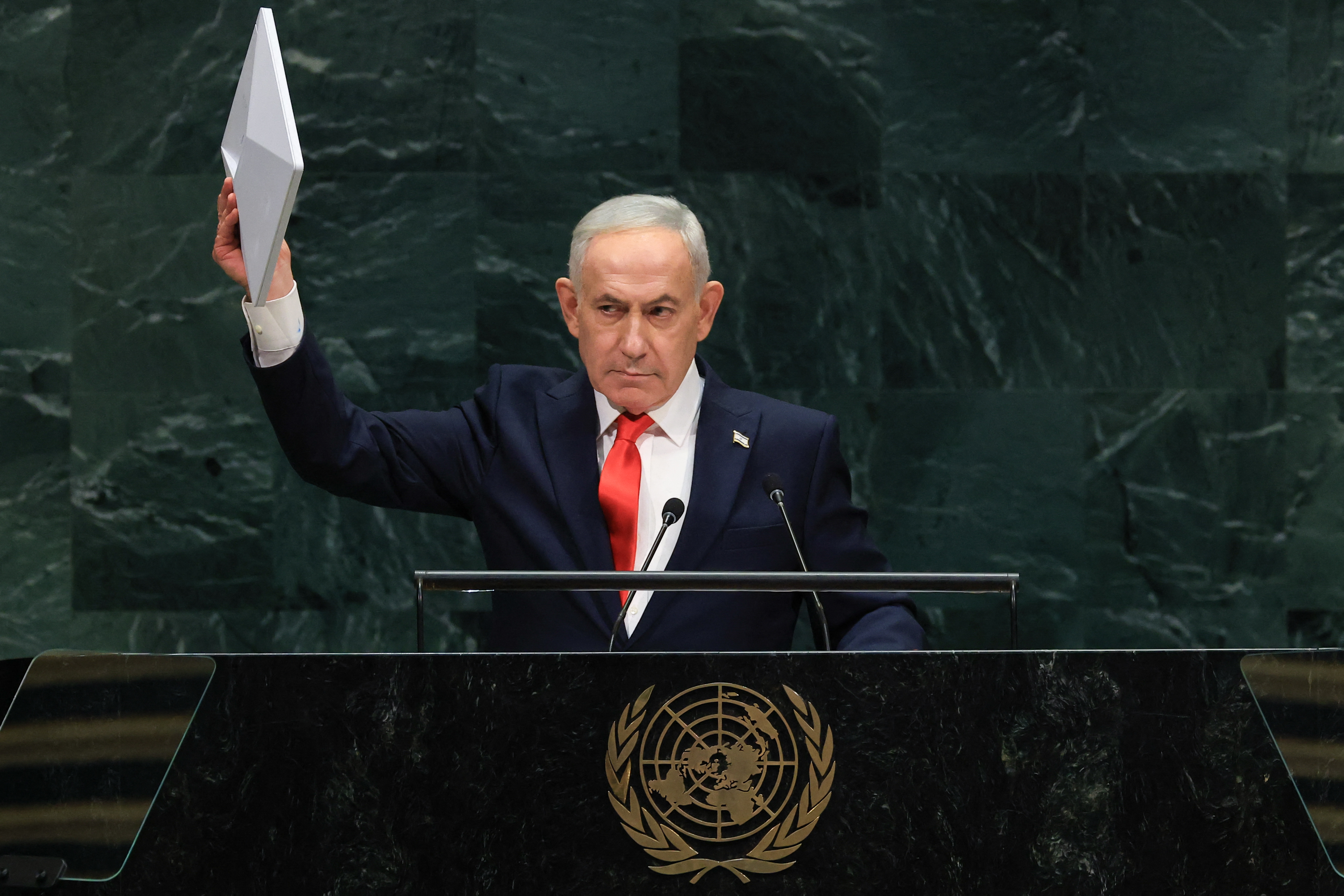
Israeli Prime Minister Benjamin Netanyahu addressed the UN General Assembly with a combative speech denouncing Iran, accusing the Islamic Republic of destabilizing the region and threatening international security. Netanyahu also turned his rhetoric toward domestic critics and international skeptics, labeling opponents as “moral cowards” and taking aim at New York Mayor Zohran Mamdani. Palestinian Authority President Mahmoud Abbas delivered a counterpoint address, warning that Israeli policies threaten the “very existence” of Palestinians and that preserving the two-state solution requires protecting Palestinian lands and populations. The dueling speeches underscored the unbridged chasm between Israeli and Palestinian positions at the General Assembly.
US Senate Narrows War Powers, Rejects Iran Conflict Resolution
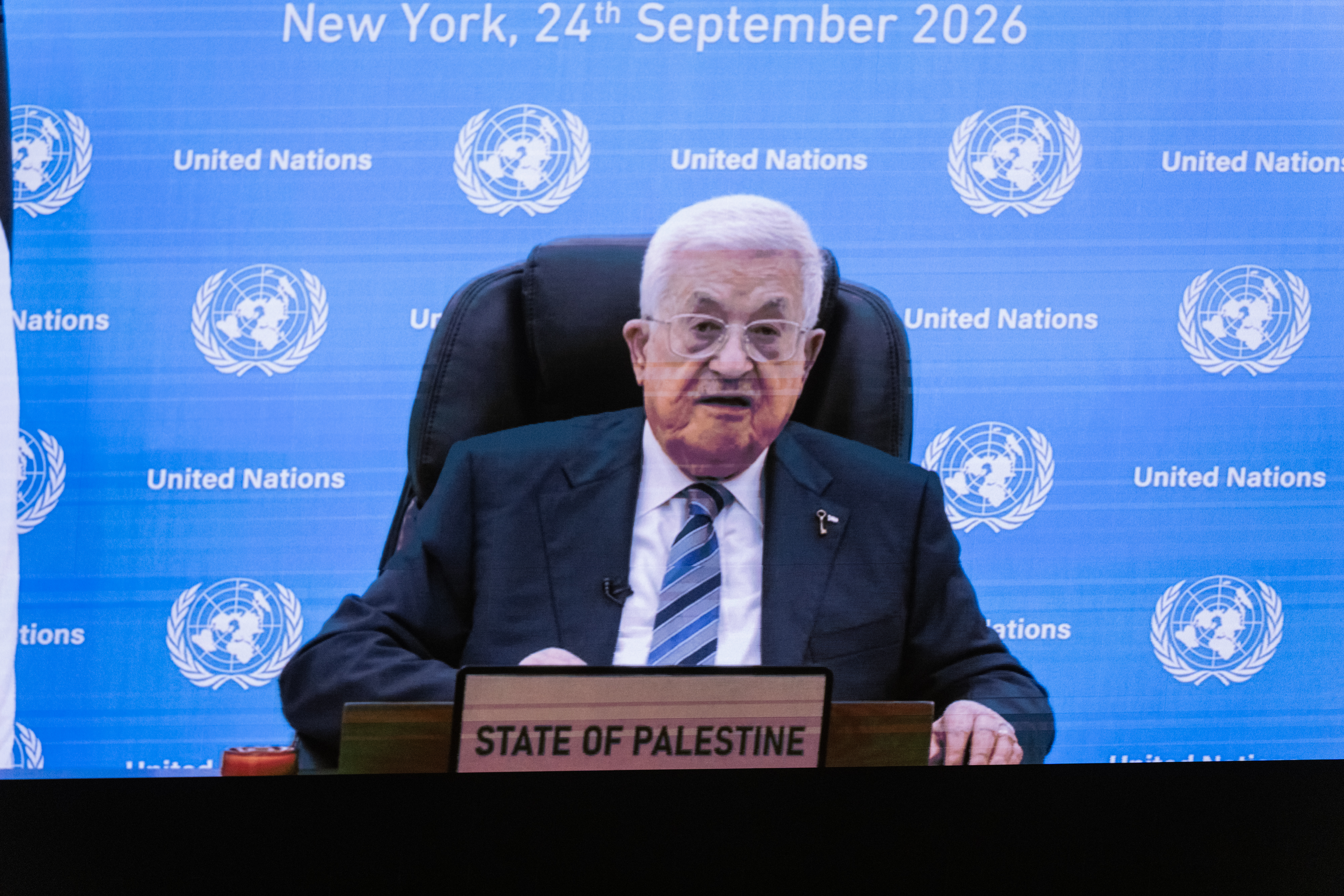
The Senate narrowly voted down a resolution calling for an end to the Iran conflict, signaling continued division in Congress over military authorization and war powers. The vote occurred weeks before the midterm election, with Republicans seeking to retain their congressional majorities. Democratic and some independent senators pressed for congressional oversight, while the administration and its allies argued that flexibility in military strategy remained necessary. The tight margin reflects growing public and legislative fatigue with the conflict, though the failure to pass suggests the White House retains sufficient support for continuing current military operations.
UAE Joins Regional Embargo on Iranian Airlines; Aviation Sector Faces Collapse

The United Arab Emirates has joined Oman, Iraq, Azerbaijan, Georgia, and Turkmenistan in restricting access to Iranian airlines, as US sanctions squeeze Iran’s aviation sector. The coordinated embargo prevents Iranian carriers from operating routes through crucial regional airspace, isolating Iran’s commercial fleet and deepening economic pressure. The move underscores the tightening sanctions regime, which targets energy, finance, and transportation infrastructure essential to the Iranian economy.
Compiled from news sources reporting on the Iran-UAE regional conflict.