
Iran Conflict — 2026-09-23 (PM)
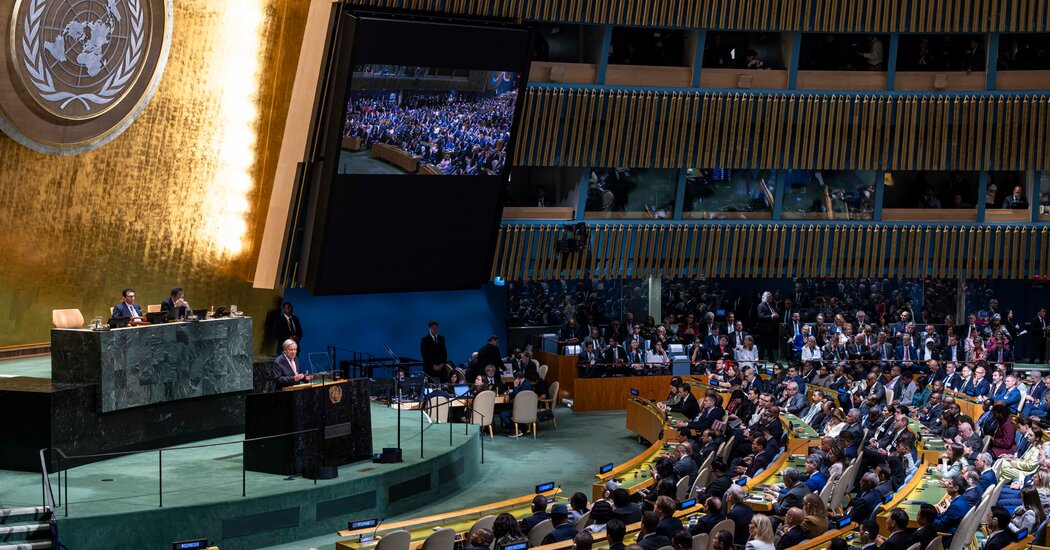
As the UN General Assembly convened in New York, Iran’s President Masoud Pezeshkian took the podium to deliver a sharp rebuke of American and Israeli military actions, setting the tone for a day of escalating diplomatic tensions. The address underscored the deepening gulf between Washington and Tehran, even as back-channel talks hint at possible negotiations. Meanwhile, Western powers are significantly expanding military support for the Saudi-led campaign against Iran’s Houthi allies in Yemen.
Iran’s UN Address: Direct Challenge to US and Israel
Pezeshkian became the first leader of a nation actively at war with the United States to address the General Assembly in person, delivering a forceful speech that accused Washington and Tel Aviv of “lawless attacks” on Iran’s sovereignty. His appearance marked a significant diplomatic moment, with Iran choosing direct confrontation on the global stage rather than isolation. The speech signaled Tehran’s determination to contest Western military actions and international norms it views as double standards.
Trump Escalates Rhetoric; Tehran Warns of Response
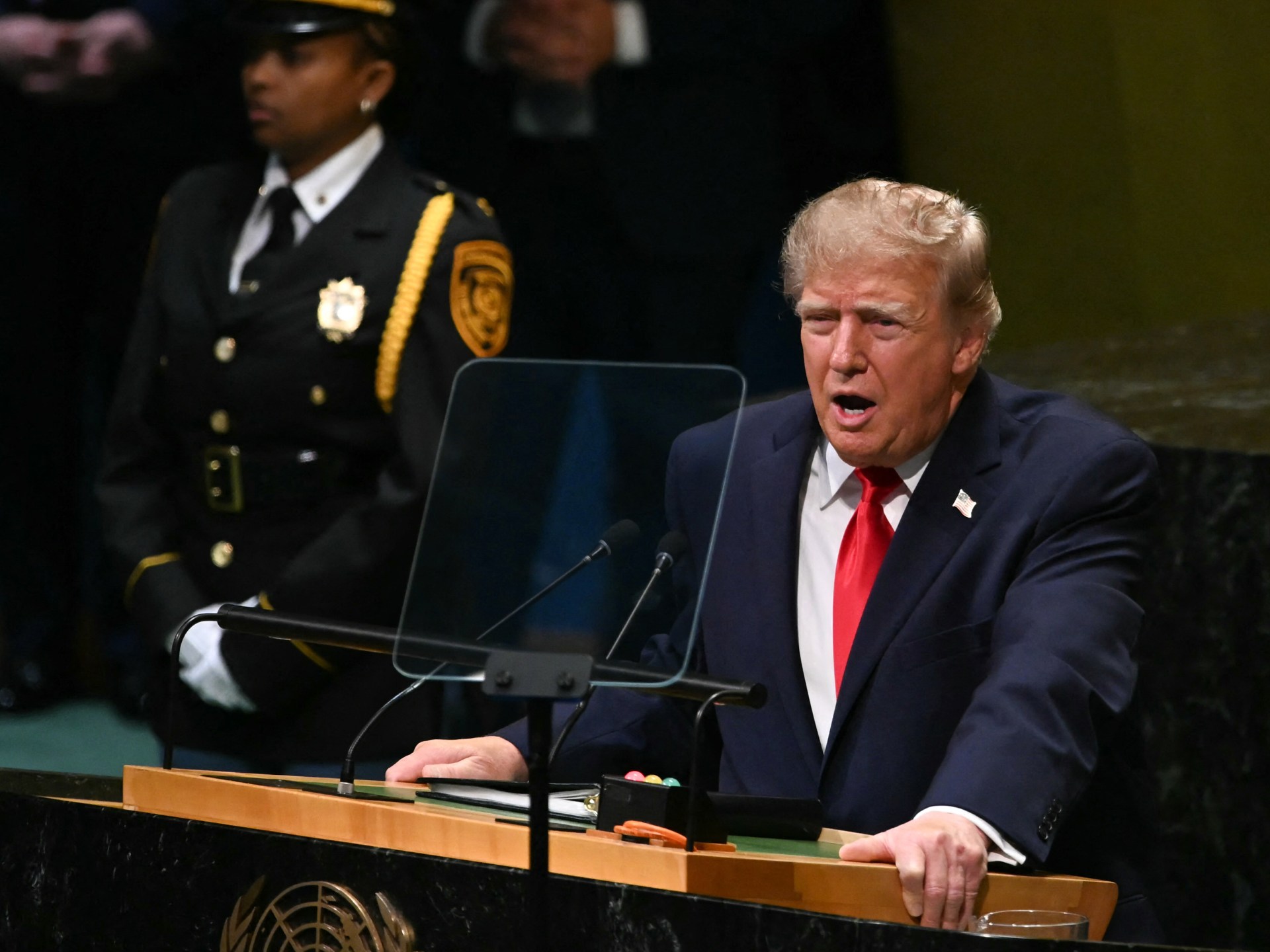
Following Iran’s address, US President Trump responded with heated rhetoric, threatening to “annihilate” Iran—a sharp escalation even by recent standards. The threat came despite simultaneous diplomatic signals suggesting backchannel contacts between the two capitals. Iran quickly countered, warning of proportionate retaliation and dismissing Trump’s militaristic posturing as a distraction from substantive diplomacy. The pattern of alternating threats and diplomatic overtures has characterized recent weeks, creating uncertainty about whether either side is genuinely interested in de-escalation.
Diplomatic Prospects Remain Dim Despite Talks
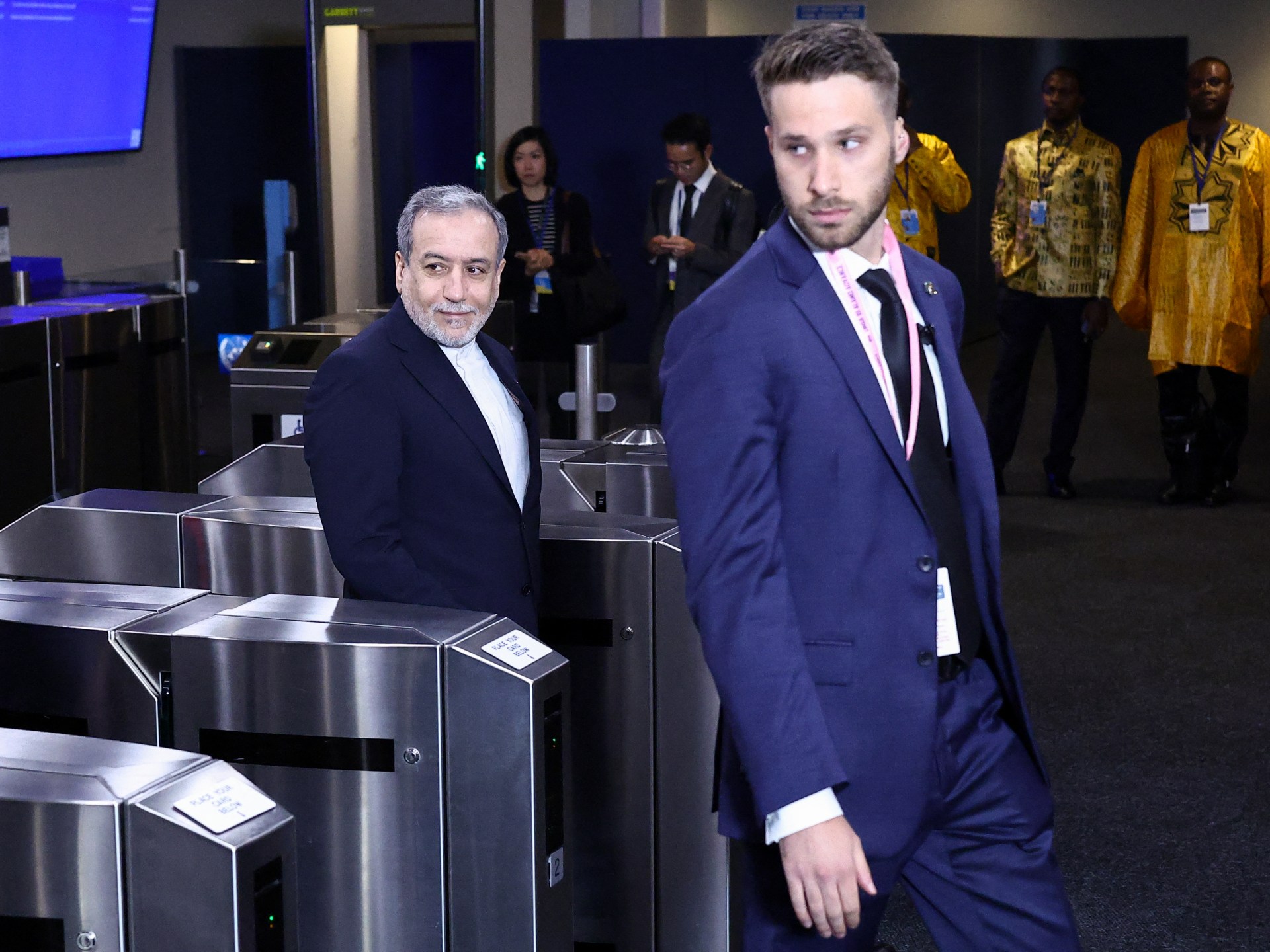
While diplomatic delegations conferred on the sidelines of the General Assembly, analysts assessed that substantive breakthroughs remain unlikely. Core disagreements between Washington and Tehran—over sanctions relief, nuclear inspections, and regional proxy forces—remain unresolved. The flurry of New York diplomacy reflects continued interest in talks, but fundamental structural obstacles persist. Observers noted that any deal framework would require compromise on issues where both sides have publicly hardened positions.
Western Powers Bolster Red Sea Campaign Against Houthis
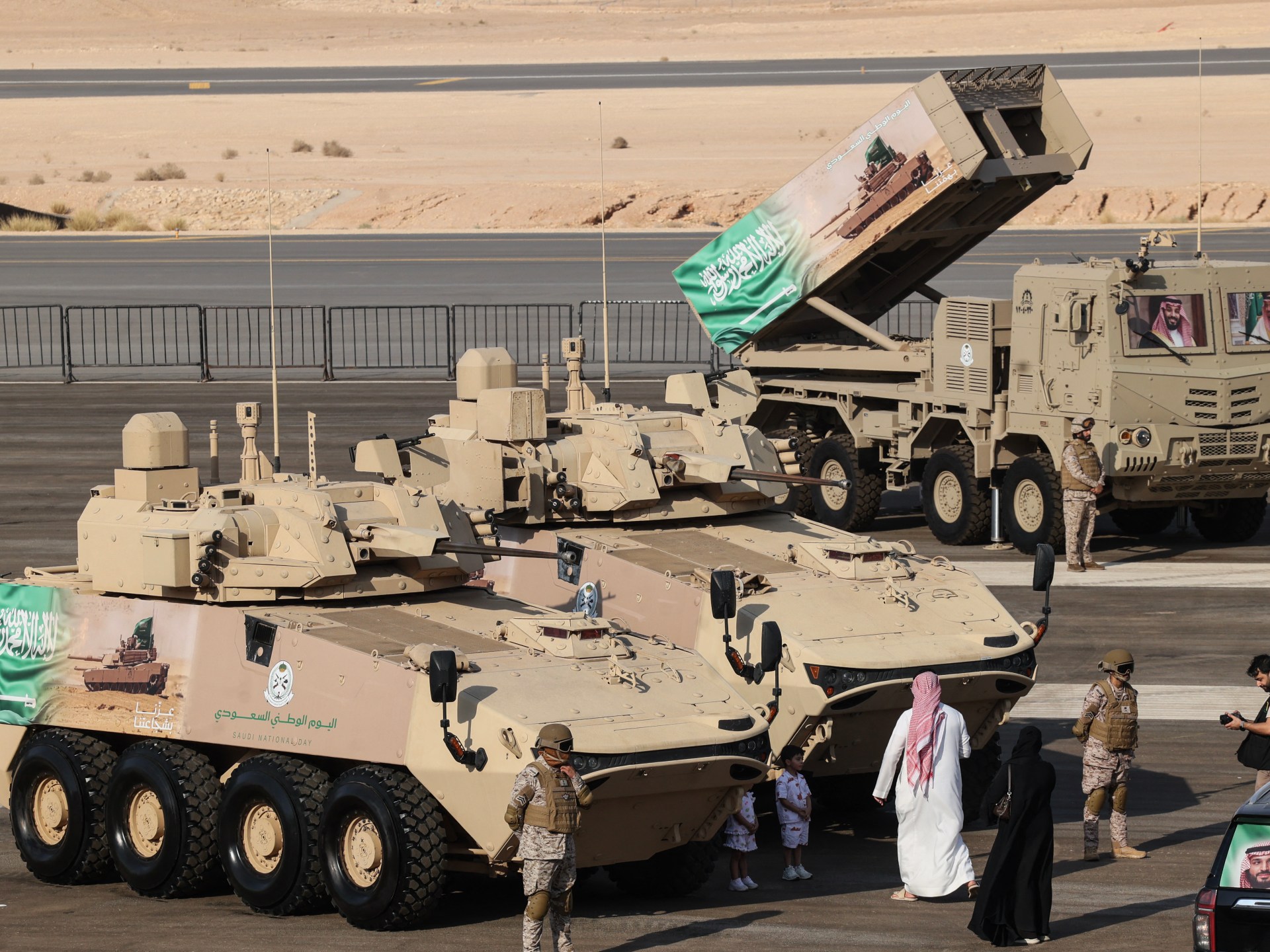
The United Kingdom announced expanded military support for Saudi Arabia’s operations against Yemen’s Houthi forces, including commitments to refuel Saudi fighter jets and joint air operations. France announced its own measures to secure critical energy infrastructure in the region. The expanded Western backing underscores the international dimension of the Yemen conflict and the US-led strategy to contain Iran-backed proxies. The Houthis continue to disrupt Red Sea shipping and conduct strikes on Saudi territory, fueling the regional proxy war that shows no signs of resolution.
Compiled from the configured RSS feed.