
Iran Conflict — 2026-09-22 (NOON)

The Middle East enters a critical phase of escalation as the US moves to dramatically restrict Iran’s international connectivity. Washington’s threat to shut down all Iranian airlines coincides with renewed diplomatic efforts between Iran and regional partners, while Houthi operations in Yemen intensify and humanitarian conditions in Gaza deteriorate further.
US Announces Complete Iranian Airline Shutdown
U.S. Treasury Secretary Scott Bessent announced that all Iranian airlines will be grounded worldwide beginning Wednesday, marking one of the most comprehensive restrictions on Iran’s civil aviation sector. The shutdown threat extends beyond Iranian carriers themselves — the Treasury warned that any airport or company servicing Iranian airlines risks being cut off from the U.S. dollar system, a move designed to prevent workarounds through third-party operators. Oil markets immediately reacted to the escalation, rising amid concerns that further Iran-U.S. tensions could disrupt global energy supplies, with traders pricing in geopolitical risk premiums.
Houthis Battle for Strategic Heights as Thousands Flee Yemen
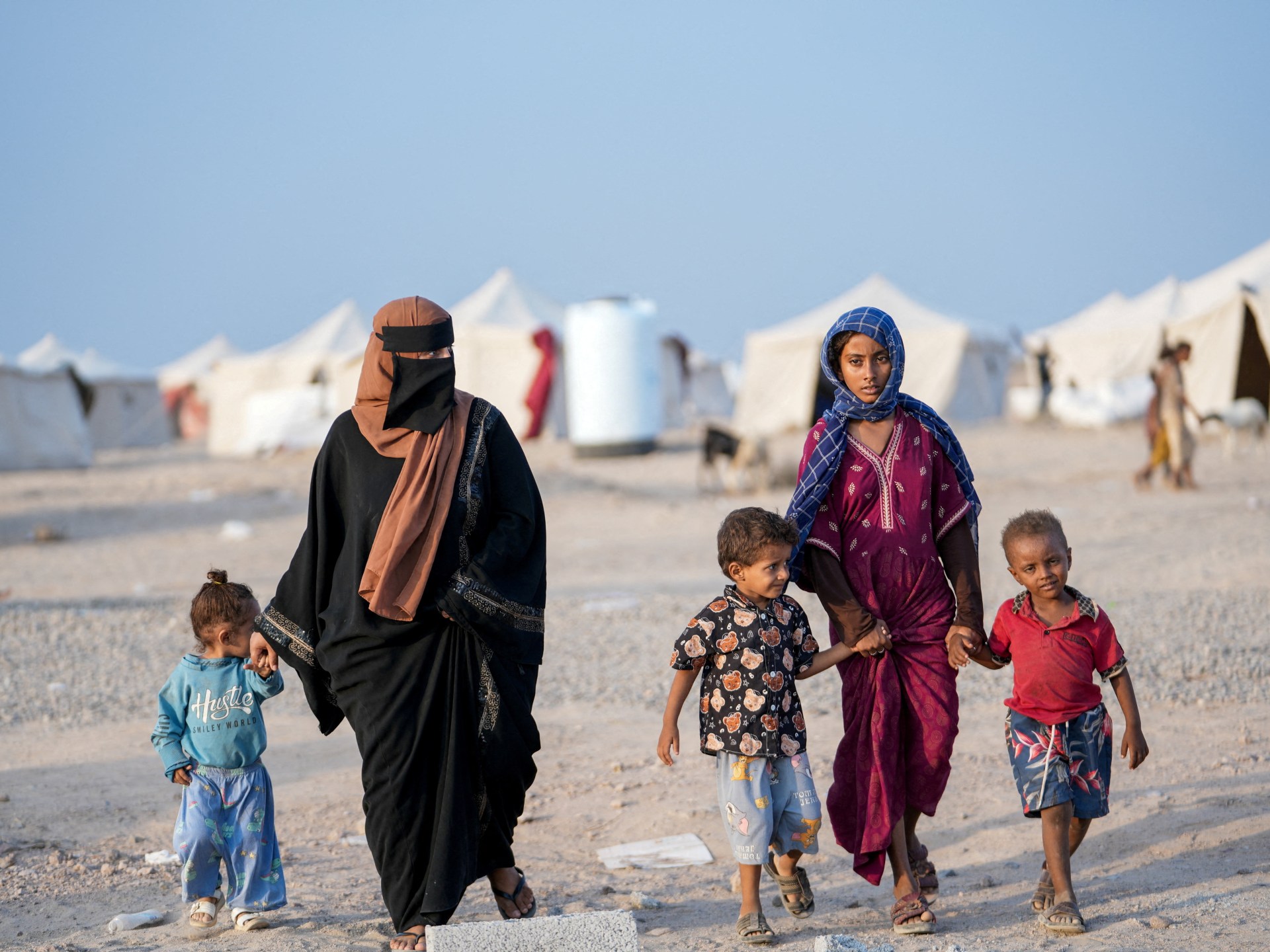
Fighting has intensified across Yemen as Houthi forces battle for control of strategic heights, triggering a fresh wave of displacement. According to U.S. media reports, the escalation nearly triggered American military strikes on Sunday before the Trump administration called off the attacks at the last minute, raising questions about the consistency of U.S. regional policy. The ongoing conflict has created a humanitarian catastrophe, with thousands of civilians forced from their homes as the Iran-backed militant group consolidates its territorial position and continues maritime attacks on international shipping.
Gaza’s Food Crisis Deepens Amid $2.8 Billion U.S. Arms Deal
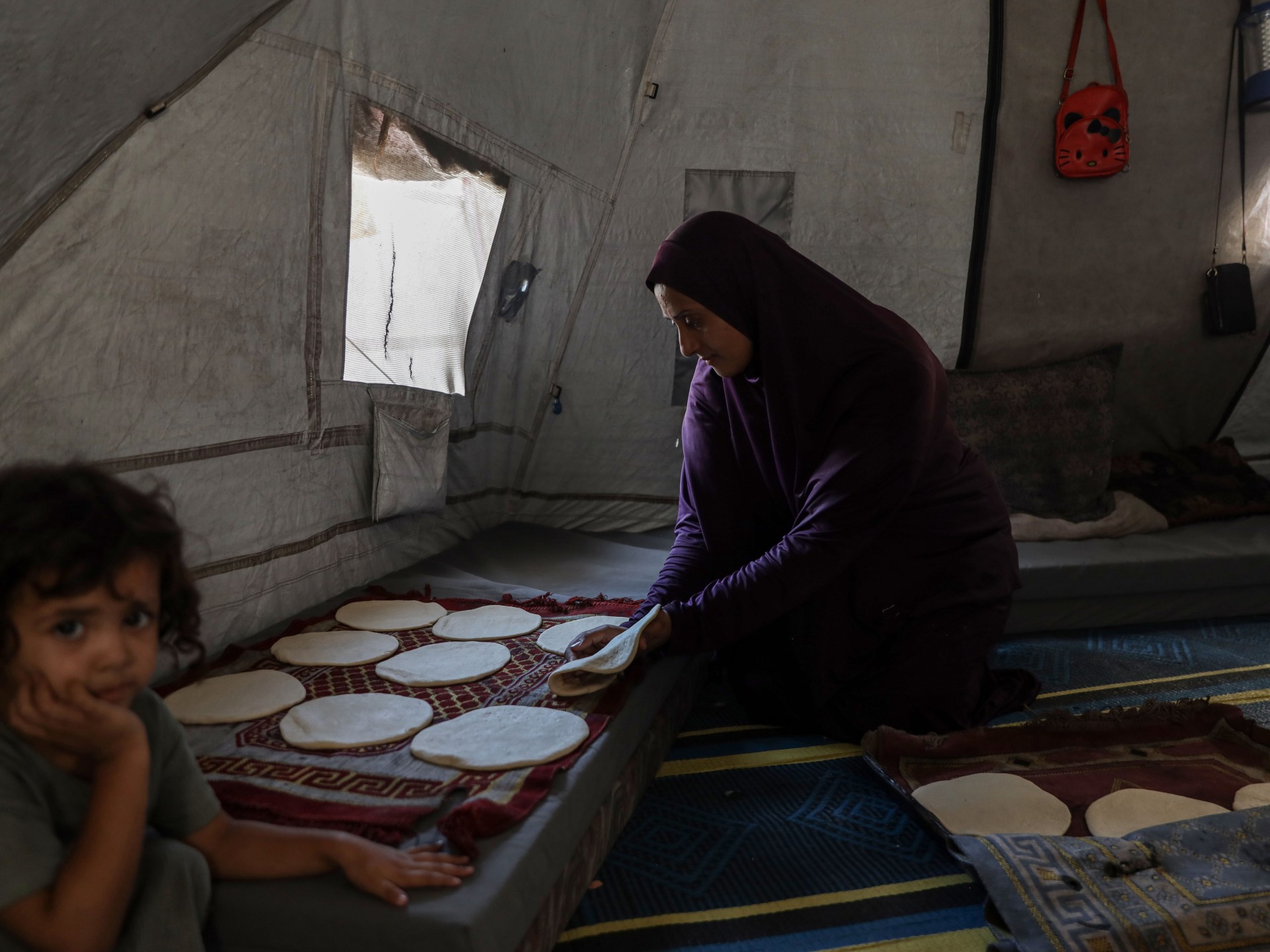
Humanitarian conditions in Gaza have deteriorated further as displaced families resort to communal ovens to conserve costly fuel while baking bread. The food crisis has pushed Palestinians to share resources collectively as external aid remains insufficient to meet growing needs. Compounding the crisis, the U.S. approved a $2.8 billion military aid package for Israel that includes 40,000 bombs, prompting fresh debate over whether the scale of weapons transfers is proportionate to Israel’s security needs or risks inflicting additional civilian casualties in the densely populated enclave.
G7 Foreign Ministers Demand Houthis Halt Strikes
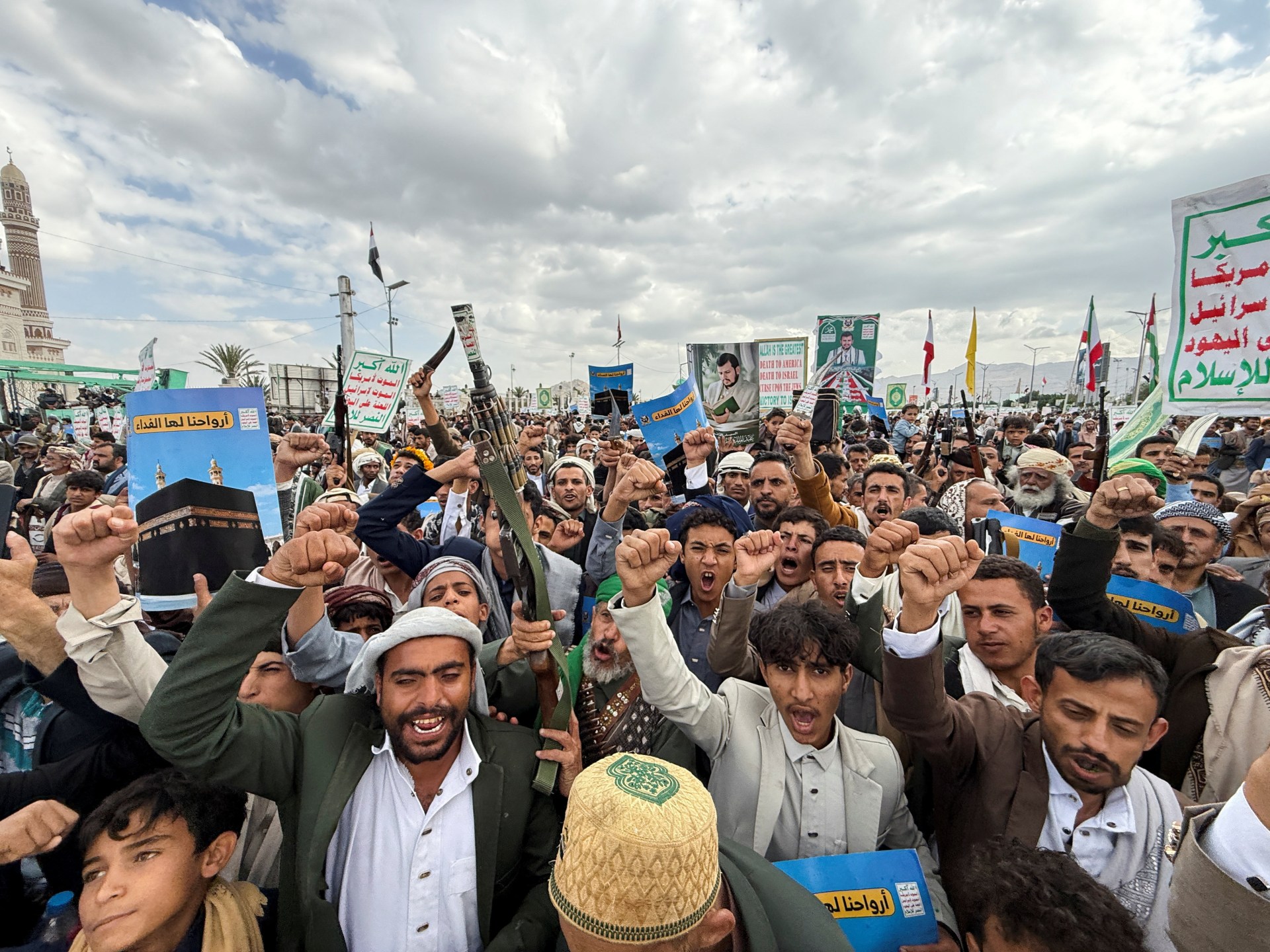
Foreign ministers from the Group of Seven issued a joint demand that Houthi forces cease their maritime shipping attacks and stop threatening international commerce in the Red Sea. The statement explicitly called on Iran to stop arming the Yemeni militia, underscoring international frustration with Tehran’s role in regional instability. The coordinated diplomatic pressure from major Western powers signals an attempt to contain the escalating conflict, even as military tensions rise on multiple fronts and the humanitarian toll mounts across the region.
Iran Pursues Diplomatic Outreach Amid Rising Tensions
Pakistani Interior Minister Naqvi’s visit to Tehran marks Pakistan’s continuing effort to maintain dialogue channels with Iran even as U.S.-Iran tensions escalate. The meeting represents Naqvi’s sixth trip to Tehran and signals Islamabad’s broader diplomatic strategy alongside Doha to revive dialogue with the United States on regional issues. Meanwhile, trade concerns are emerging in bilateral U.S.-China talks, with Iran looming as a central issue in Trump administration discussions with Beijing on tariffs, technology, and geopolitical competition.
Compiled from the configured RSS feed.