
Iran Conflict — 2026-09-21 (AM)
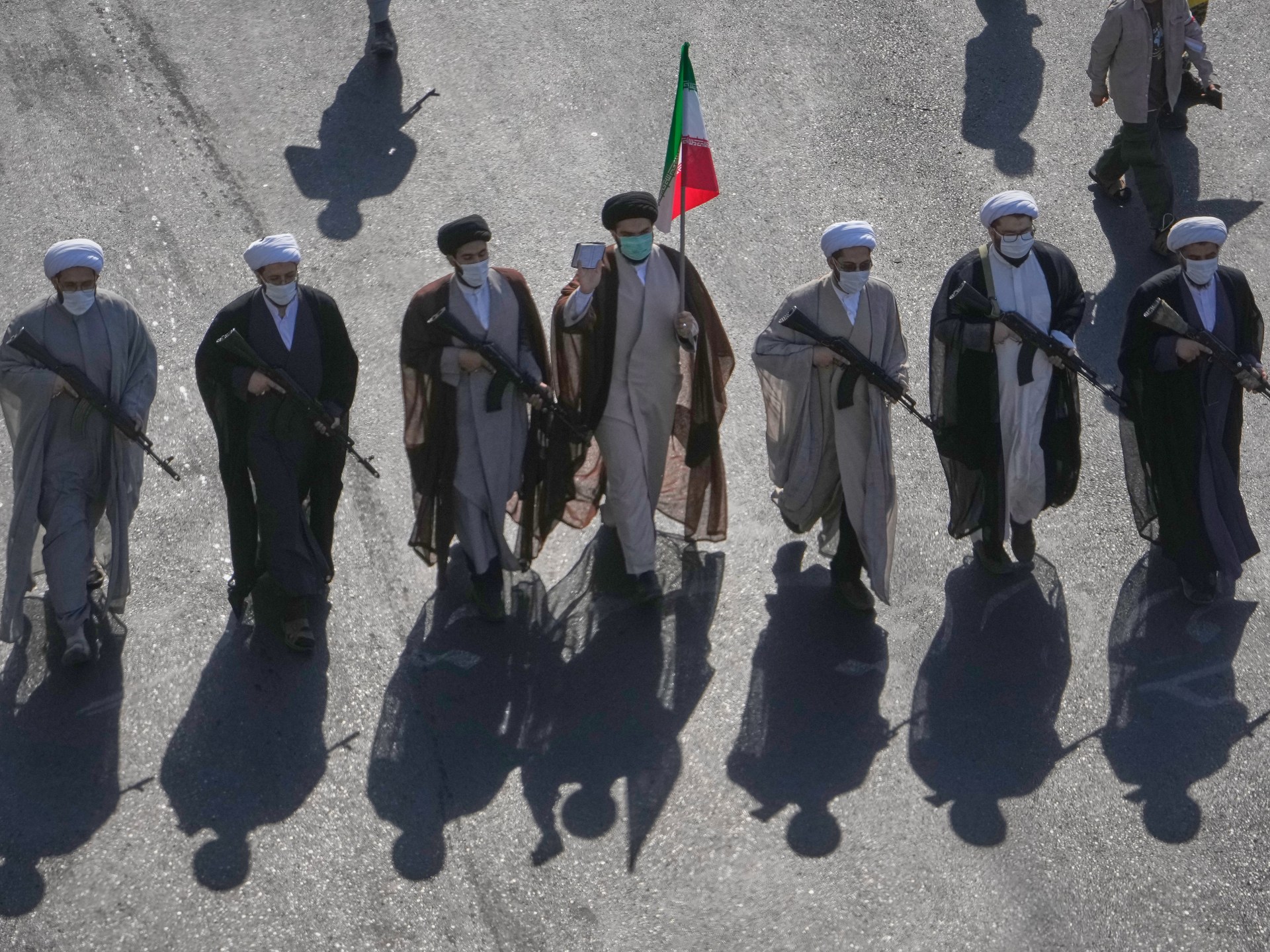
As regional tensions intensify, Iran has issued fresh warnings against renewed US military strikes, threatening unlimited retaliation if hostilities resume. Fighting continues in Yemen with Houthi forces expanding their operational territory and attacking Saudi targets, while diplomatic channels remain fractured by France’s decision to summon Iran’s envoy over the closure of a French language centre in Tehran. Qatar is meanwhile attempting to broker a revival of Iran-US talks despite the mounting military posturing on both sides.
Iran Warns US Against New Strikes; Threatens Unlimited Retaliation
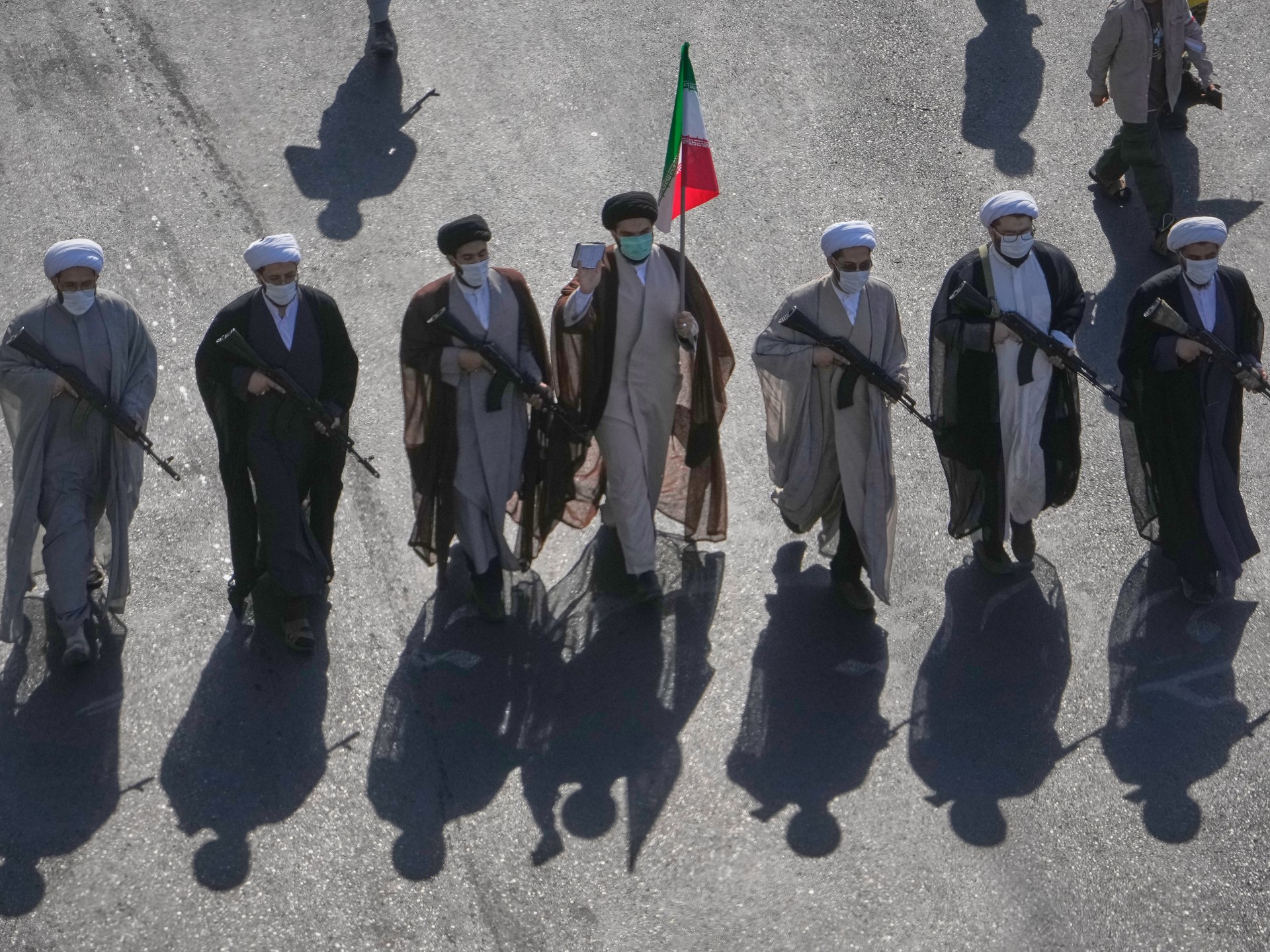
Tehran has issued an escalatory warning after reportedly learning that the United States is planning a new round of military strikes against Iranian targets. Iranian officials have declared that any such action will be met with retaliation “without limitations,” signalling a potential shift toward unrestricted response options beyond previously established parameters. The threat underscores the fragility of the current ceasefire and the hardening of positions on both sides as military and political tensions continue to rise. Fighting in Yemen remains intense, with Houthi forces continuing to conduct operations against Saudi and regional targets in a bid to expand their territorial control and influence.
France to Summon Iran Envoy Over Language Centre Closure

France has announced it will summon Iran’s envoy following Tehran’s closure of a French language centre in the Iranian capital, which Iranian authorities claim was conducting illegal activities that violated diplomatic conventions. The move represents a new diplomatic friction point in France-Iran relations and demonstrates Iran’s willingness to escalate tensions with European nations over perceived interference or breaches of its sovereignty. The closure underscores the broader climate of heightened state-to-state tensions as regional powers reassess their international relationships and assert their positions amid the escalating conflict.
Qatar Mediator Describes US-Israel War Impact as ‘Earthquake’

Qatar’s Prime Minister has characterized the impact of US-Israeli military operations on Iran and the broader Middle East as an “earthquake,” signalling the destabilizing effects of the ongoing regional conflict on Gulf security and stability. Qatar, which has historically mediated diplomatic disputes between Iran and Western powers, is increasingly concerned about the cascading consequences of military escalation. The characterization reflects Qatar’s assessment that the current trajectory of conflict could trigger broader regional upheaval with unpredictable consequences for all nations in the Gulf and wider Middle East.
Qatar Works to Revive Iran-US Diplomatic Talks
Even as military rhetoric escalates, Qatar has indicated it is actively working behind the scenes to revive direct talks between Iran and the United States, hoping to prevent further deterioration of the security situation. Qatar’s diplomatic initiatives underscore the critical role smaller Gulf states are attempting to play as stabilizing forces in the region. Despite the apparent remoteness of successful negotiations given current tensions, Qatar’s persistence suggests that diplomatic channels remain theoretically available should both sides prove willing to engage in serious dialogue about de-escalation.
Houthis Push to Expand Territory; Saudi Arabia Prepares Response
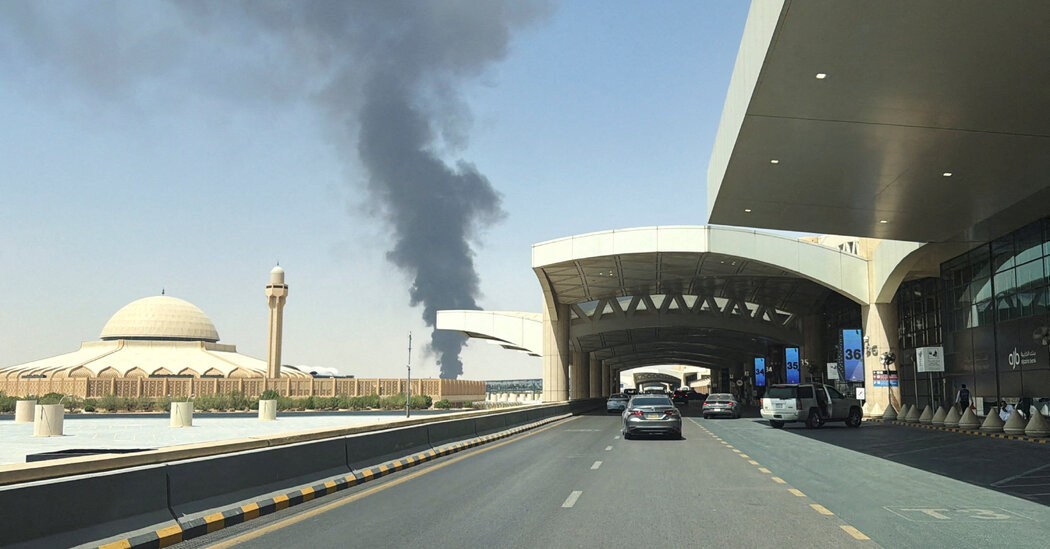
Iran-backed Houthi forces in Yemen are intensifying efforts to expand their territorial control and operational capabilities, drawing sharp warnings from Saudi Arabia that a significant military response is imminent. The Houthi expansion, which includes attacks on Saudi territory and regional shipping routes, reflects the group’s confidence in its growing military capacity and its alignment with broader Iranian regional strategies. Saudi Arabia’s threatened response suggests that Yemen remains a flashpoint where proxy conflicts tied to US-Iran tensions continue to generate localized but significant military confrontations with broader regional implications.
Compiled from the configured RSS feed.