
Iran Conflict — 2026-09-20 (PM)
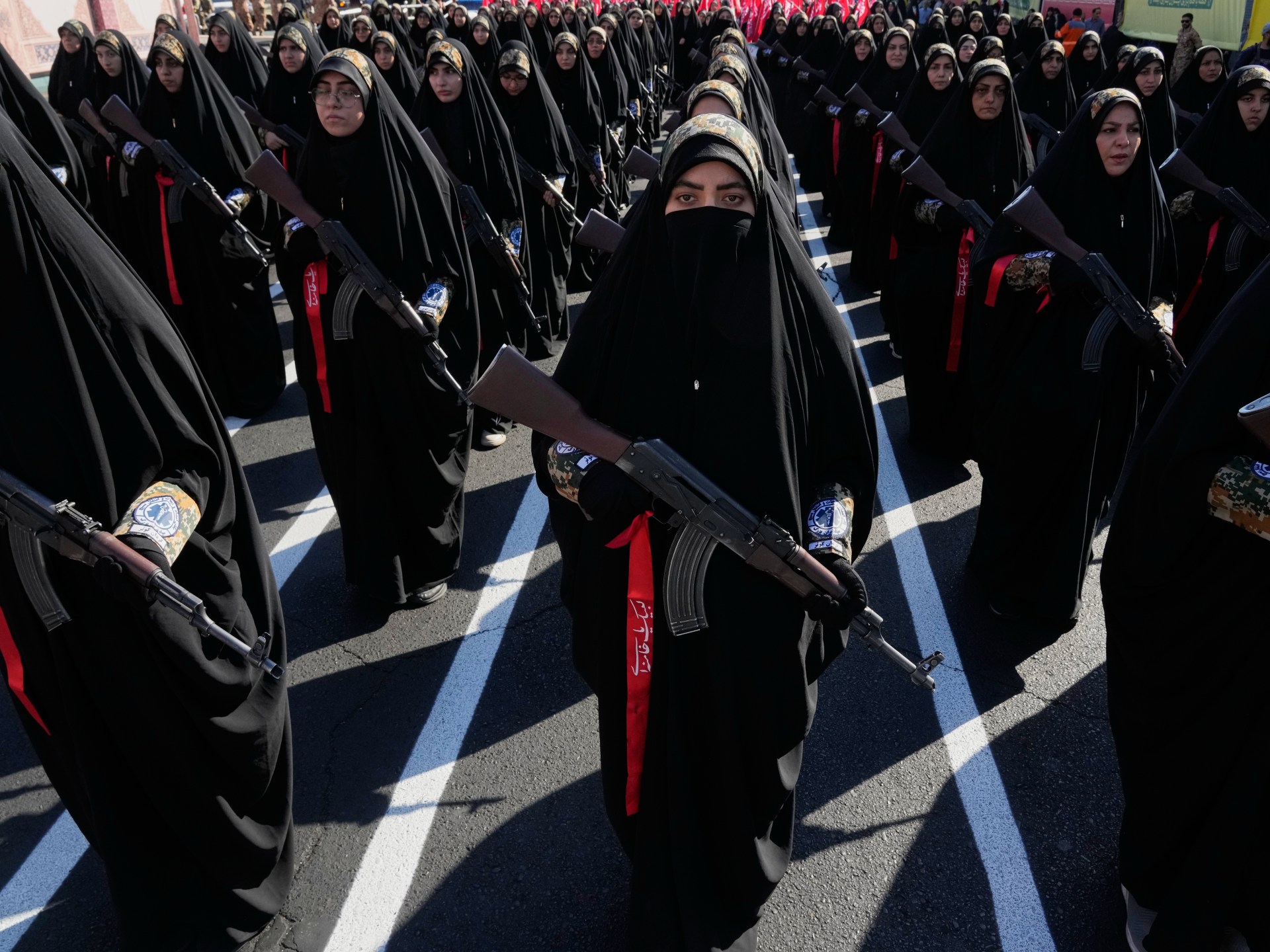
Iran’s authorities have launched a major mobilization drive as regional tensions escalate, with Tehran setting new diplomatic conditions as crude oil prices surge past $100 per barrel. Across the region, Saudi Arabia prepares a significant military response to Houthi attacks from Yemen, while the United States has issued urgent travel warnings for American citizens. In the Israeli-Palestinian context, Gaza’s children are returning to schools as Israel continues military operations in sensitive religious sites.
Iran Launches Mass Mobilization Campaign Amid US Tensions
Iranian authorities have launched a major mobilization drive, sparking widespread fears of renewed conflict with the United States. The coordinated campaign signals Tehran’s preparation for potential military escalation and reflects the hardening positions on both sides of the US-Iran standoff. Military analysts view the mobilization as a significant escalatory step that could trigger counter-moves from Washington and regional allies.
Iran Sets New Conditions to End War as Oil Prices Surge
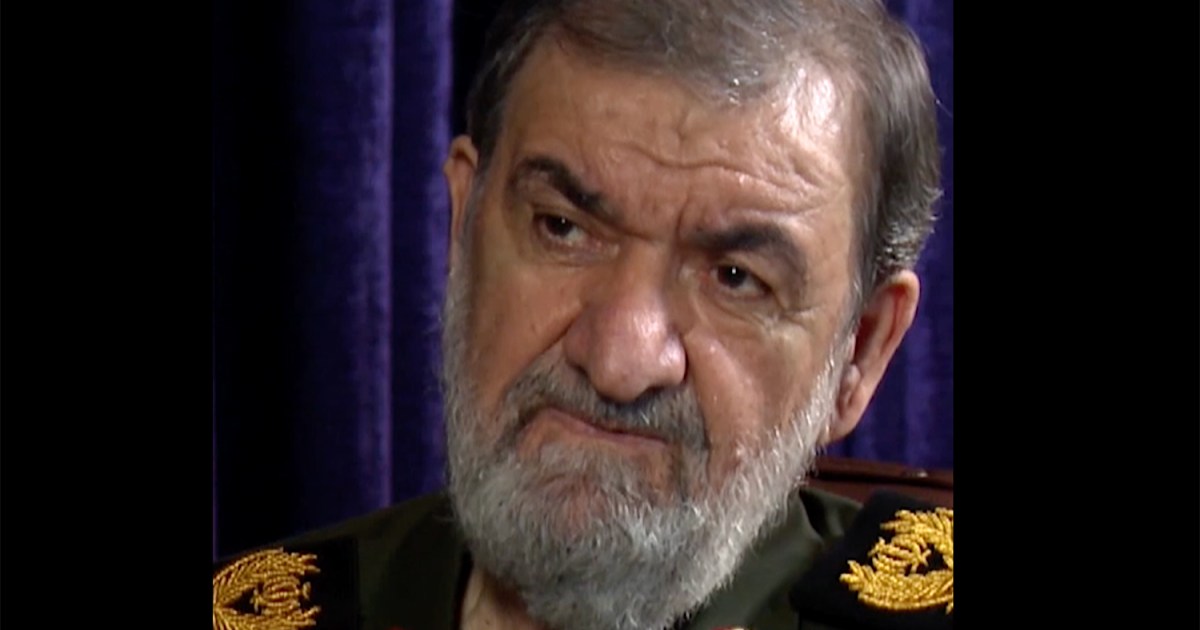
Tehran has presented fresh stipulations for ending its military conflict with the United States, even as the regional escalation drives crude oil prices above $100 per barrel. The new conditions reflect Iran’s hardened negotiating position and come amid mounting concerns about global energy security. Market analysts warn that sustained regional tensions could push petroleum prices even higher, with cascading effects on global economies dependent on stable energy supplies.
Saudi Arabia Threatens Sizeable Response to Houthi Attacks
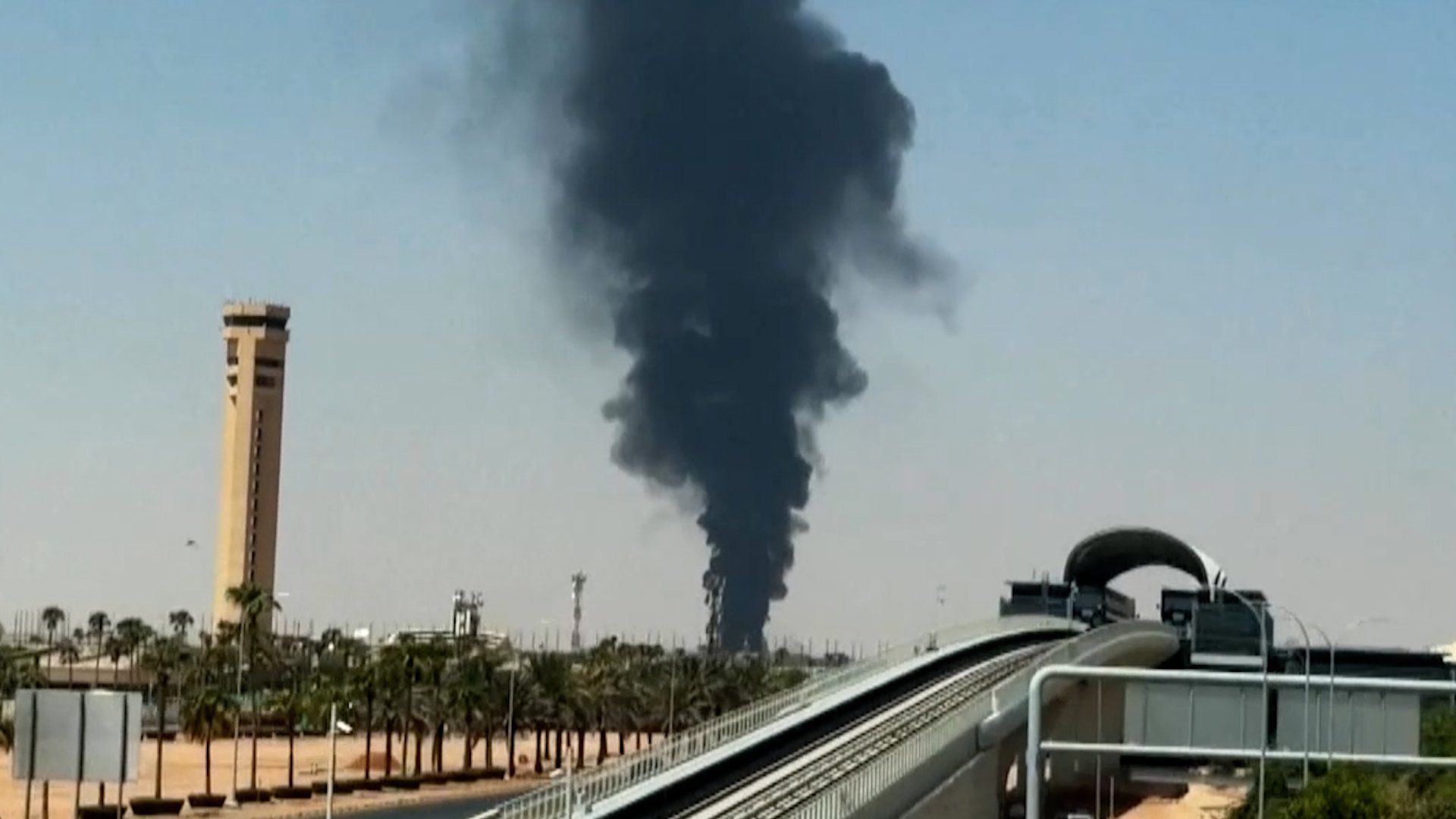
Saudi officials have signaled that the kingdom will deliver a major military response to the intensifying Houthi attacks originating from Yemen. Regional security analysts describe the threatened Saudi response as potentially “sizeable,” indicating that Riyadh is prepared for significant escalation. The Saudi warning underscores how Yemen’s ongoing Houthi campaign continues to draw regional powers into direct confrontation, raising the stakes for broader Middle Eastern conflict.
US Issues Urgent Travel Warning for Middle East as Hormuz Remains Closed
The United States State Department has urged all Americans to reconsider travel to the Middle East due to escalating Houthi attacks and Iran’s closure of the Strait of Hormuz, one of the world’s most critical shipping lanes. The advisory reflects mounting concerns about civilian safety in a region experiencing unprecedented military tension. The Strait of Hormuz closure has immediate implications for global shipping and energy markets, with major trading routes now operating under heightened risk conditions.
Gaza’s Children Return to Classrooms After Years of Israeli Operations
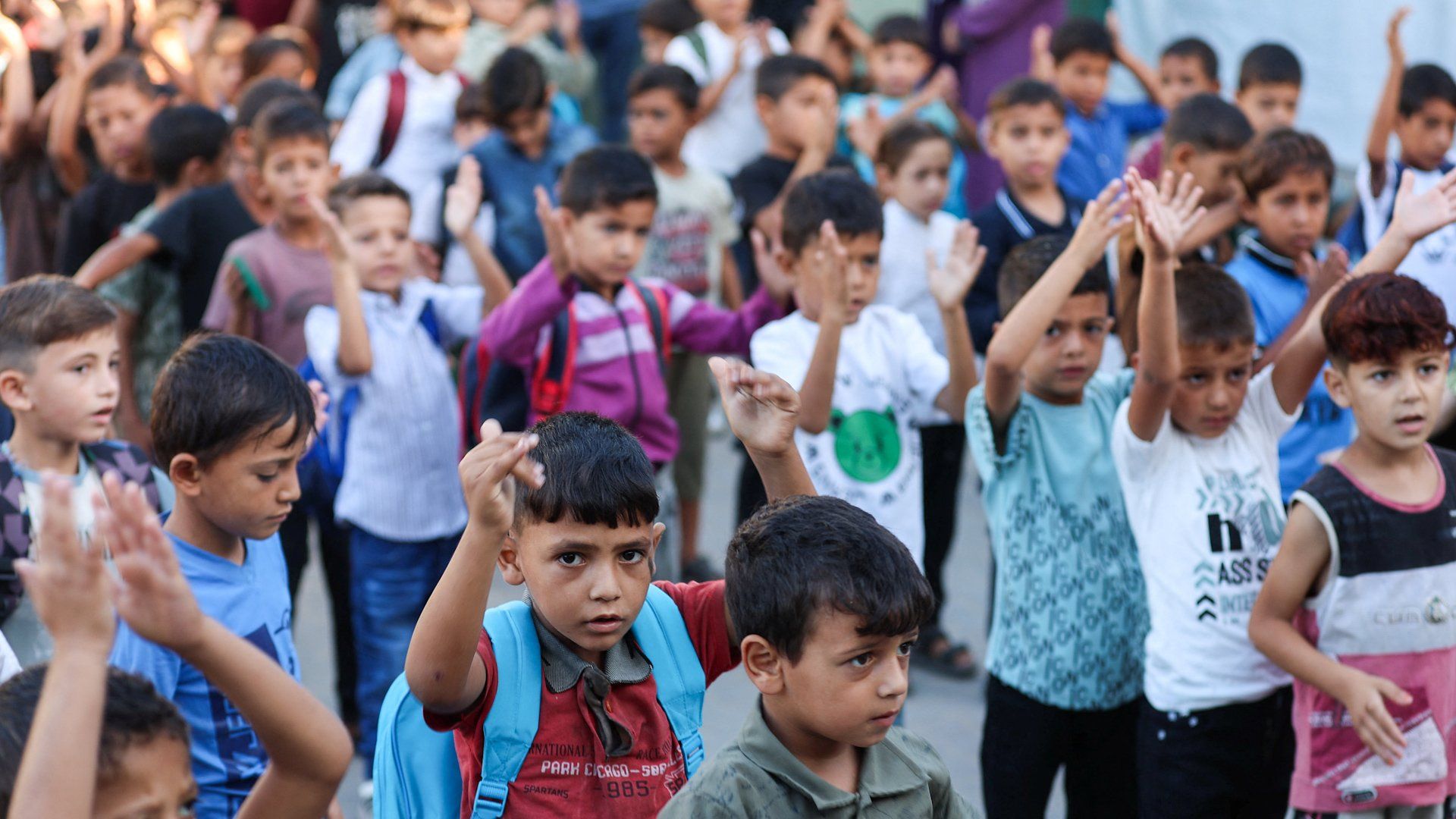
Palestinian children have returned to classrooms across Gaza following years of widespread destruction by Israeli military operations, marking a significant step toward normalizing civilian life in the embattled enclave. Schools damaged or destroyed during military campaigns have been replaced with temporary learning spaces, enabling students to resume their education despite ongoing regional tensions. Education officials describe the school reopening as essential for Gaza’s long-term recovery, though challenges persist in accessing adequate resources and facilities.
Netanyahu Tours Al-Aqsa Mosque Compound, Drawing Palestinian Criticism

Israeli Prime Minister Benjamin Netanyahu and his wife, Sara, have toured tunnels located beneath the Al-Aqsa Mosque compound in Jerusalem’s Old City, a move that has drawn sharp criticism from Palestinian leaders and international observers. The visit to one of Islam’s holiest sites is viewed by Palestinians as a provocative assertion of Israeli sovereignty over contested religious territory. The incident reflects the deep tensions surrounding the status of religious sites in Jerusalem, a central flashpoint in the Israeli-Palestinian conflict.
Compiled from the configured RSS feed.