
Iran Conflict — 2026-09-18 (PM)
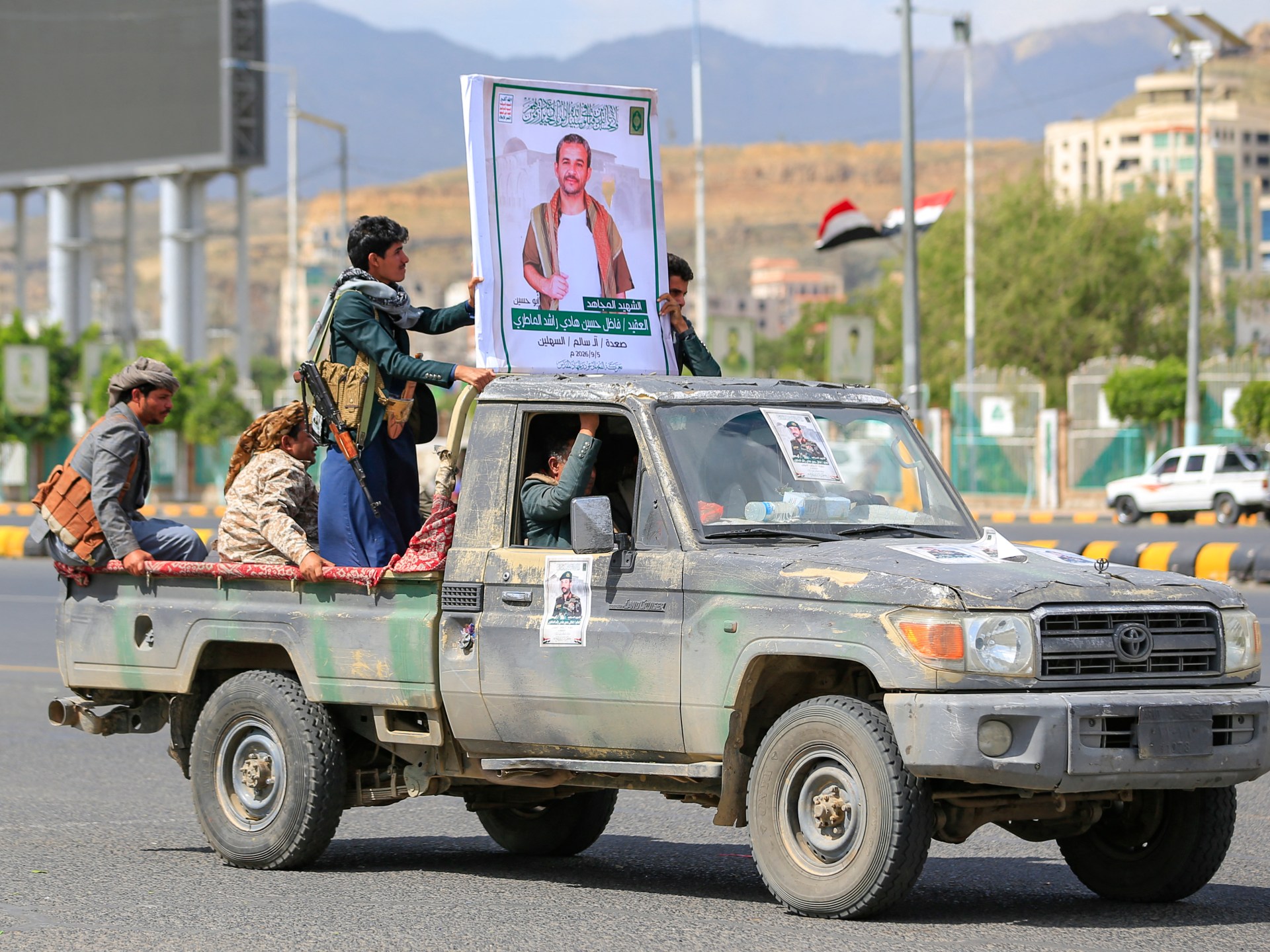
The Houthis’ advance into the Bab al-Mandeb Strait is emerging as the day’s central flashpoint, exposing how stretched the US military posture has become across a widening Gulf war. Alongside it, a UN inquiry accused Washington of unlawfully striking civilian targets inside Iran, President Trump floated renewed direct talks with Tehran, and a new poll shows American public patience with the war eroding fast.
Houthis seize Bab al-Mandeb as US steps back
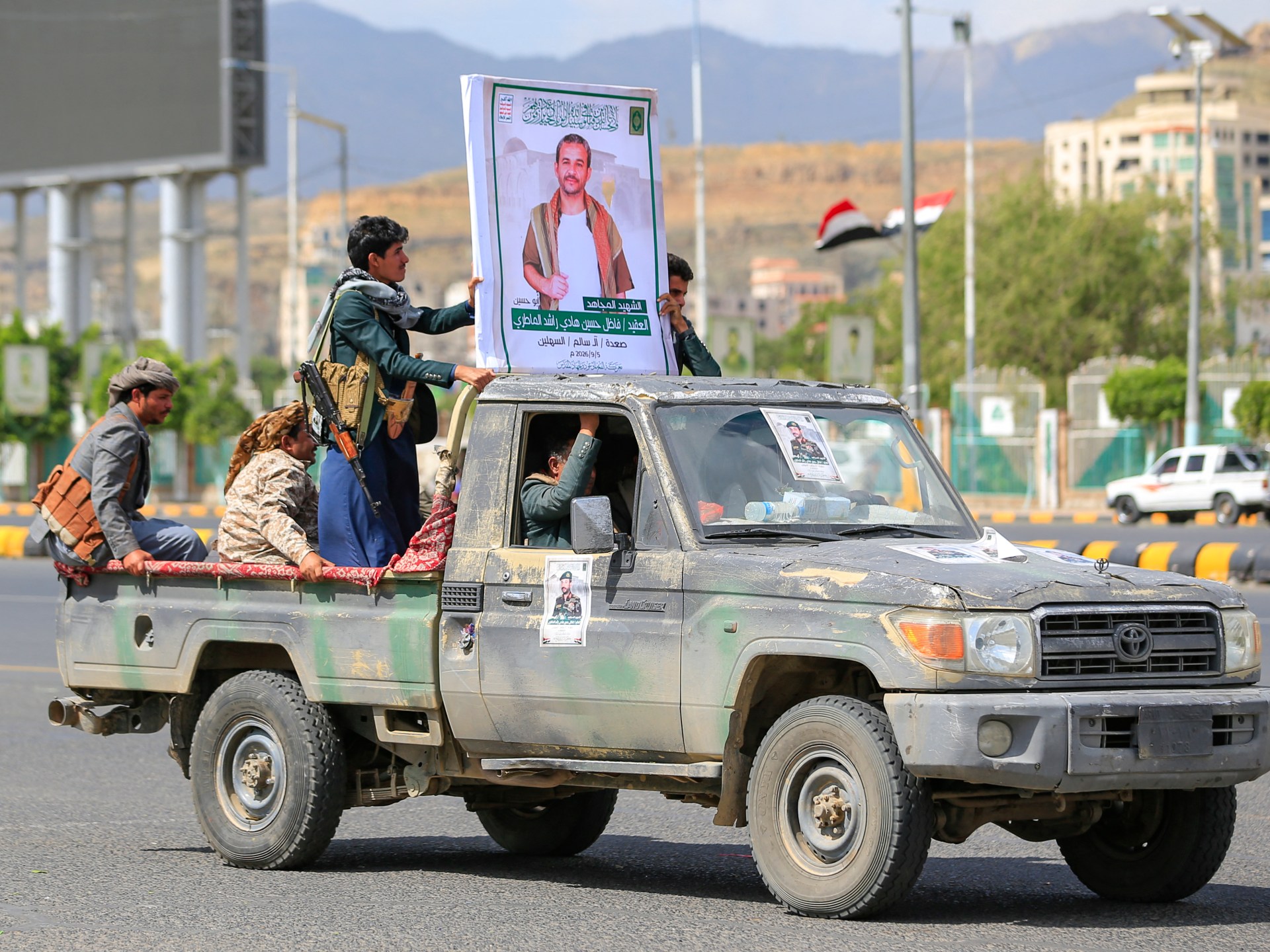
The Houthis have moved to take effective control of the Bab al-Mandeb Strait, one of the world’s most critical shipping chokepoints, and Washington appears to be stepping back rather than confronting the move directly. Analysts say the US military, already stretched thin by its ongoing war with Iran, may have little practical choice but to rely on Houthi assurances that commercial shipping will be allowed to pass safely. A companion analysis argues the episode exposes the limits of the US security umbrella in the Gulf, with regional partners now openly asking whether Washington has effectively ceded the strait to the Houthis rather than risk opening a new front.
UN probe: US strike on Iranian school may be a war crime
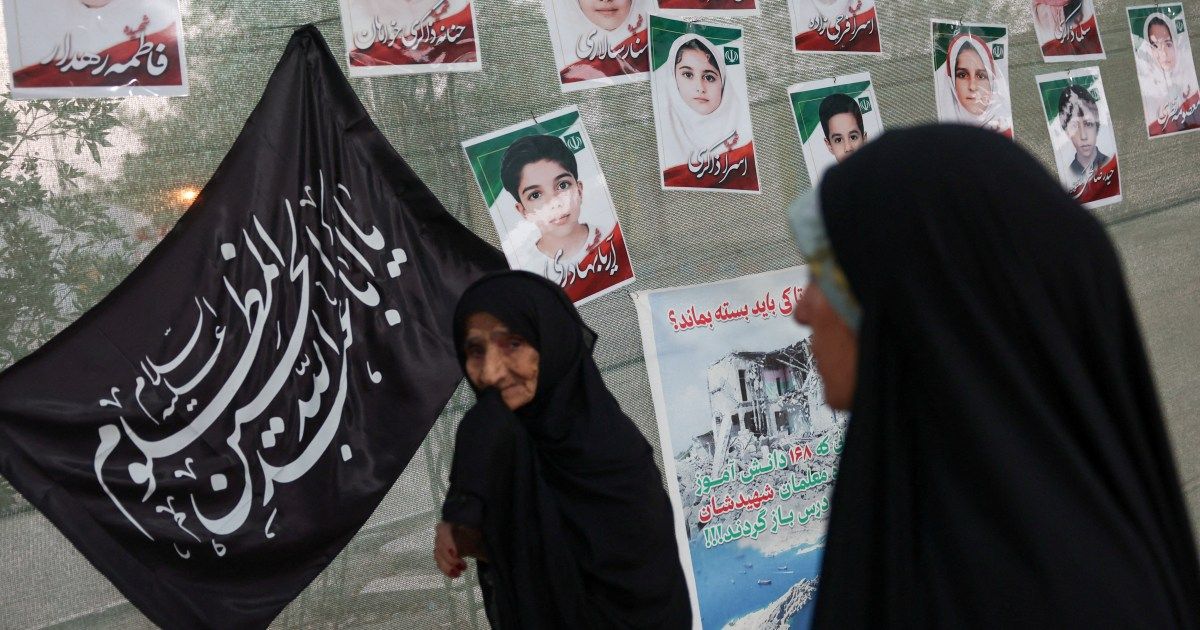
A United Nations investigation has concluded that the United States may have committed war crimes in Iran, finding that a US strike unlawfully hit a school and a sports centre and killed children. The White House has flatly rejected the findings, dismissing the UN’s methodology and conclusions, but the report adds significant international pressure on Washington over the conduct of its air campaign and raises the prospect of further legal and diplomatic fallout.
Trump floats direct talks as Iran mocks US economic strain
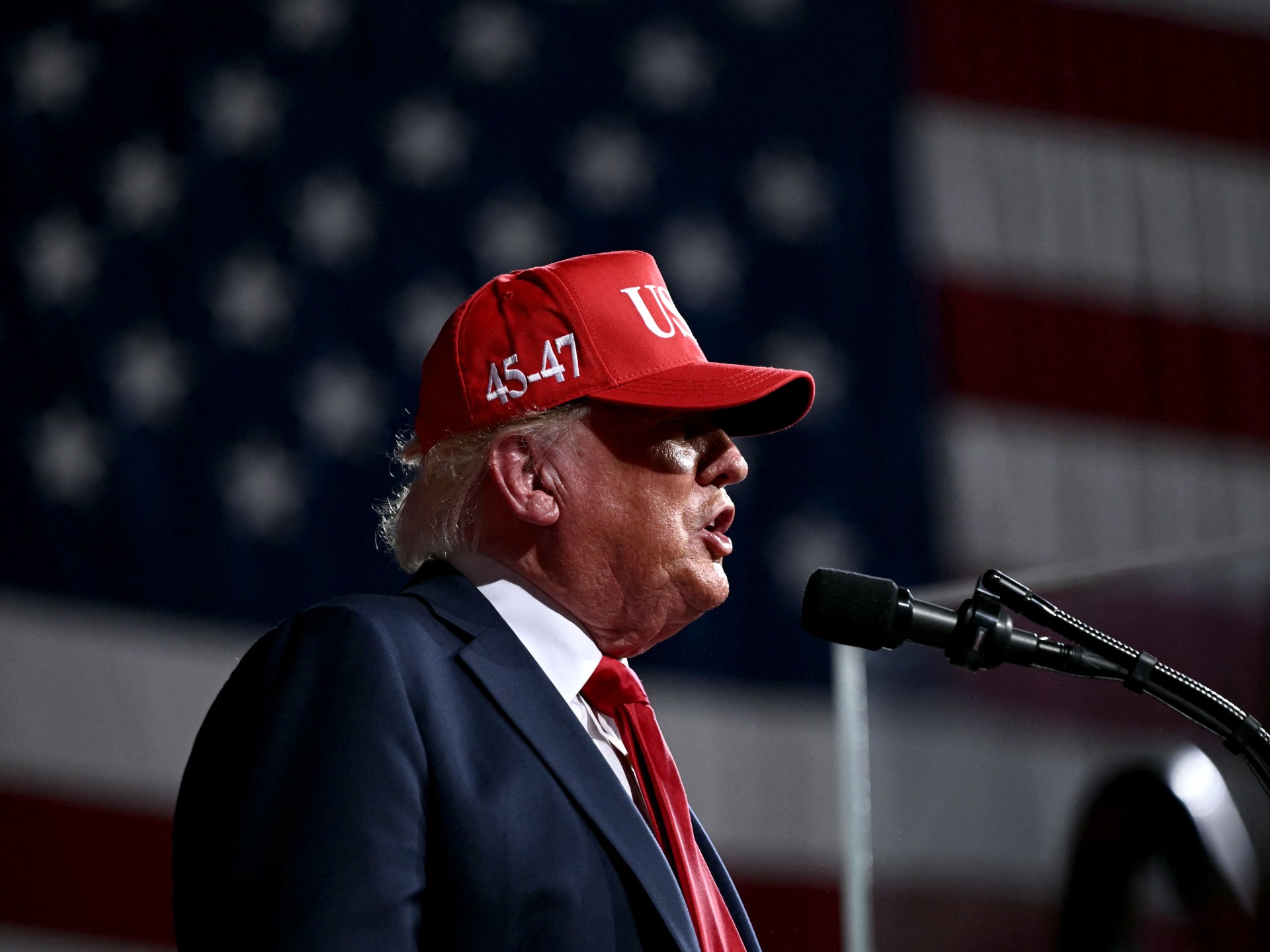
President Trump said the US is “hopefully toward the end” of the war with Iran and suggested Washington is engaged in direct talks with Tehran, even as global energy prices remain elevated because of the conflict. The overture came the same week Iranian parliament speaker Mohammad Bagher Ghalibaf mocked US economic management, invoking the Taylor rule to argue American interest-rate policy is being distorted by the war-driven spike in oil prices and inflation — a sign that economic sparring between the two sides continues even as the diplomatic track shows tentative signs of life.
US voters lose patience with the war
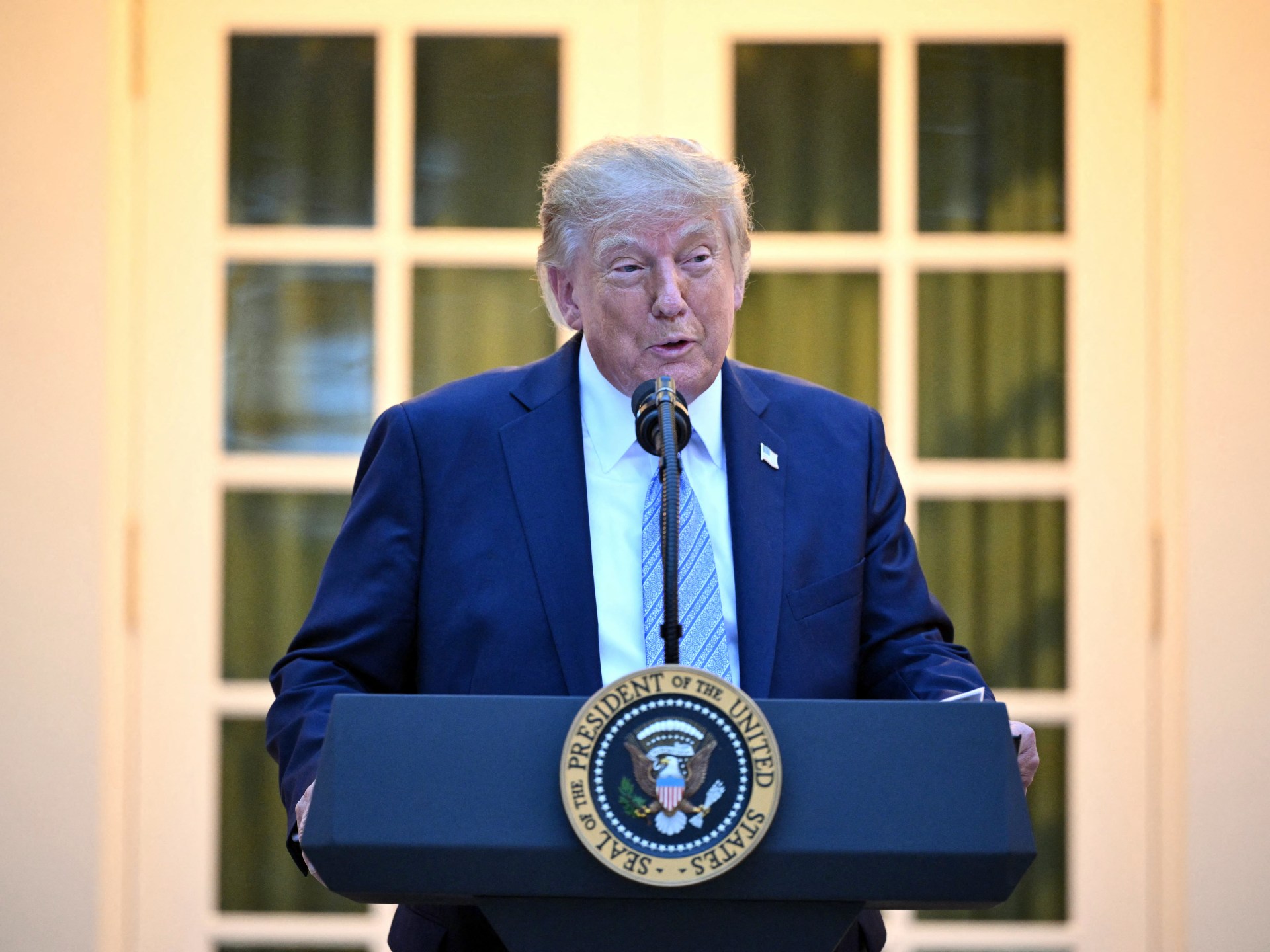
A new poll finds opposition to the war on Iran among US voters has climbed to a new high, with 71 percent of respondents saying the Trump administration lacks a clear strategy for ending the conflict. The finding lands as pressure builds both domestically and internationally on the White House to show a credible path toward de-escalation, adding political weight to Trump’s talk of direct negotiations with Tehran.
Yemen’s displacement crisis deepens amid renewed fighting
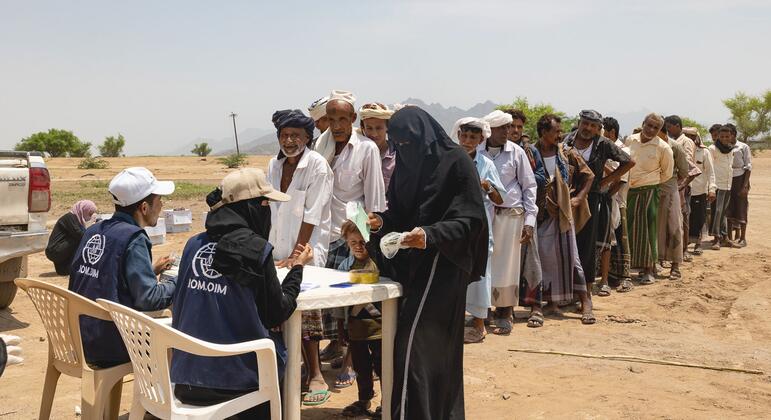
Aid agencies report a dramatic spike in displacement inside Yemen as renewed fighting forces civilians to flee shelling and gunfire, with humanitarian needs rising “by the hour.” Thousands have sought shelter across the border in Djibouti, straining resources in a region already stretched by the wider conflict’s regional ripple effects, according to the UN.
Iran’s regional pressure campaign strains Gulf ties
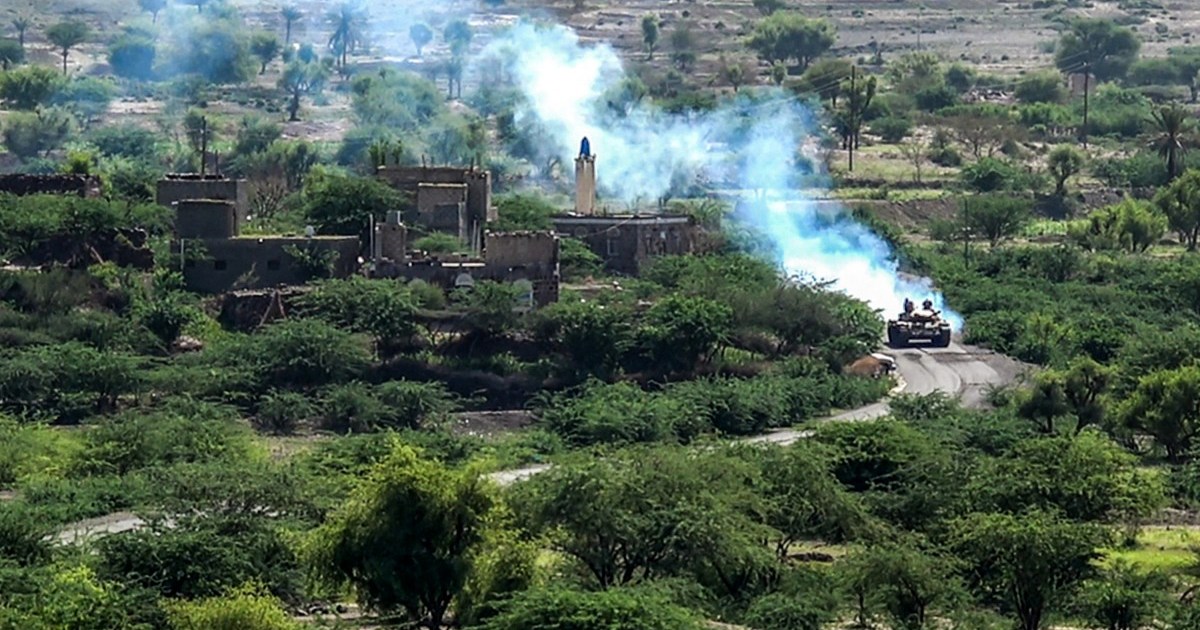
Tehran’s continued use of pressure tactics across the region — from proxy leverage to economic brinkmanship — is straining its recent rapprochement with Gulf states, according to regional analysis, even as Iran remains under one of the most extensive international sanctions regimes in the world, a legacy stretching back to the 1979 revolution. The tension between Iran’s need for Gulf goodwill and its reliance on regional leverage as a bargaining chip is increasingly difficult to reconcile as the war grinds on.
Iran and China deploy autonomous AI influence campaigns

A New York Times investigation reports that Iran and China have built first-of-their-kind autonomous AI influence campaigns, combining Chinese open-source AI models with AI agents to run online manipulation operations — with Israeli firms also identified as participants in similar efforts. The development signals a new front in the information war surrounding the conflict, where state and private actors increasingly use automated systems rather than human operators to shape online narratives.
Compiled from Al Jazeera, UN News, and The New York Times via the configured RSS feeds.