
Iran Conflict — 2026-09-14 (AM)
Oman postponed a planned meeting between Iran and Gulf states on the Strait of Hormuz, saying it acted in the “interests of consensus”, on the same day an Iranian cargo ship was struck near Qeshm Island and Iranian media reported one person killed. In Yemen, Houthi forces pressed toward the government’s strongholds of Marib and Taiz while more than 2,000 people crossed to Djibouti. Oil prices rose more than 2% after fresh strikes on Saudi Arabia, and President Trump predicted the war would end around November’s midterm elections.
Hormuz diplomacy stalls as Oman postpones talks
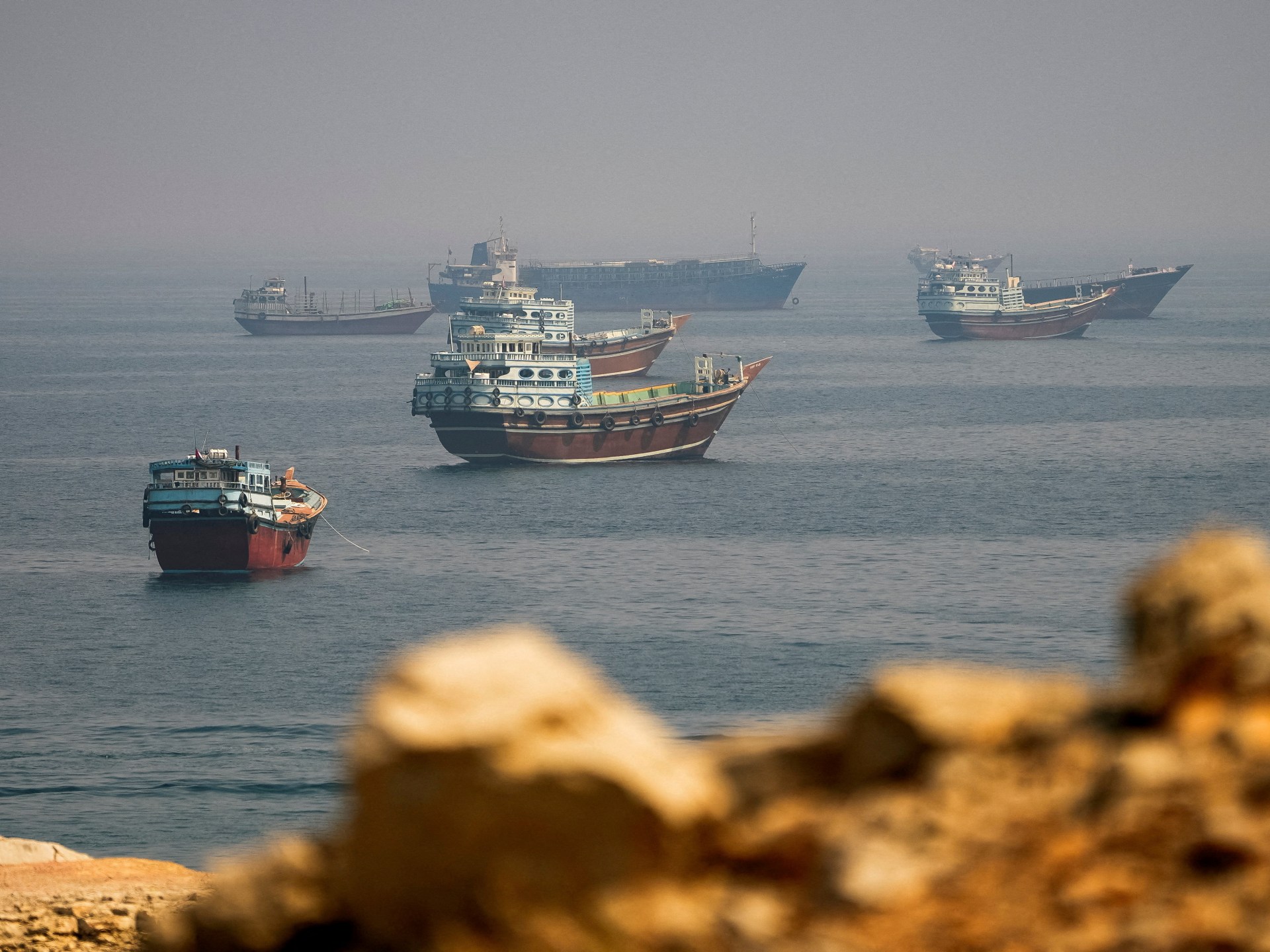
Oman said a planned regional meeting between Gulf states and Iran on the Strait of Hormuz has been postponed “in the interests of consensus”. An Iranian foreign ministry official said the delay came at the request of certain regional countries and was decided jointly by Tehran and Muscat, and Al Jazeera reported the talks had been postponed rather than cancelled. Bahrain had already said it would not take part. The meeting had been presented by Iran as a chance to strengthen shared regional security and to discuss the waterway’s future without Washington at the table.
Iranian cargo ship struck near Qeshm Island
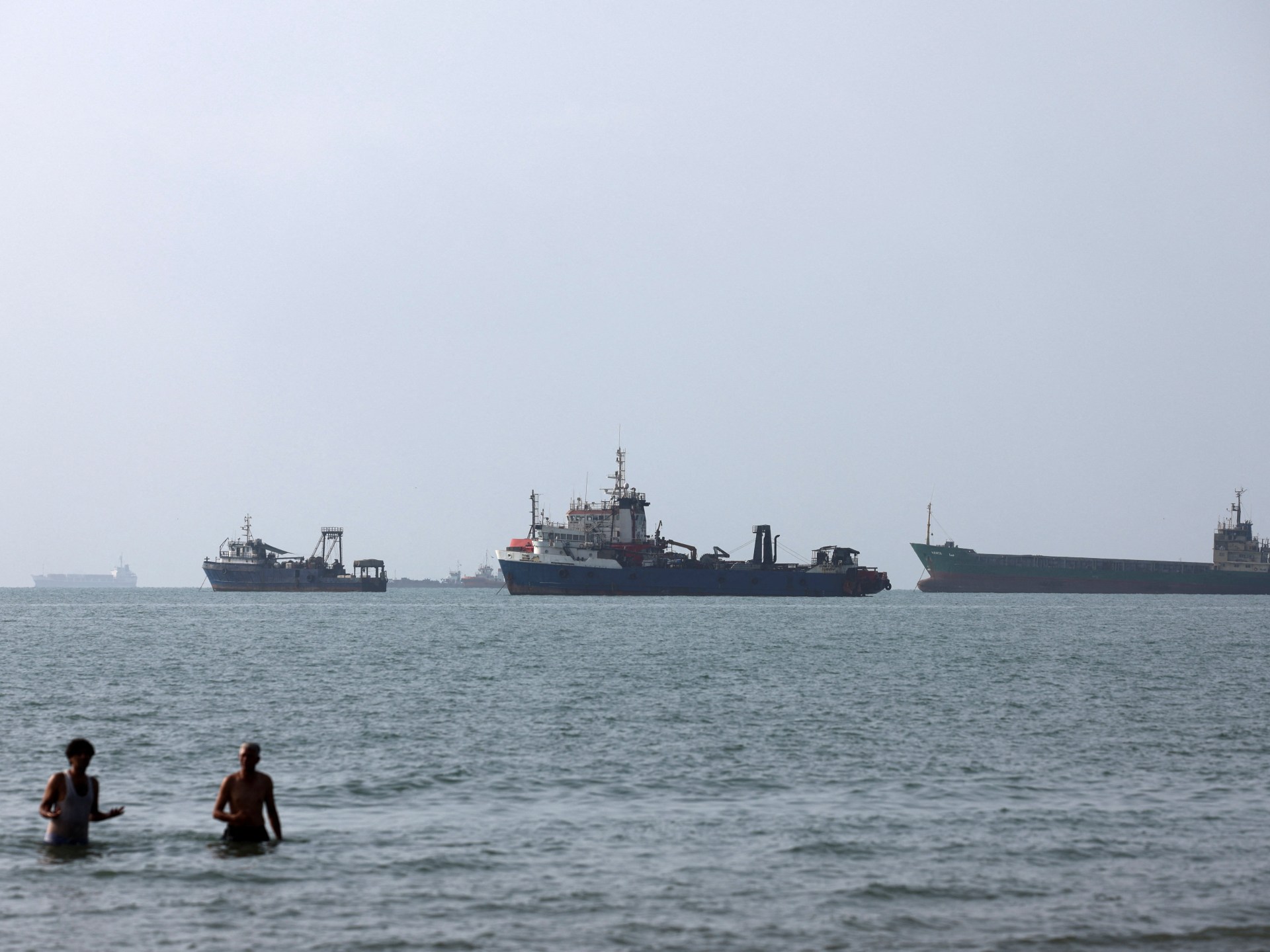
An Iranian commercial vessel was struck in the Strait of Hormuz near Qeshm Island, killing one person, Iranian media said. The UK Maritime Trade Operations agency reported a ship hit in the strait but did not attribute the attack. The strike landed hours before Oman announced the postponement of the regional talks and extends a run of attacks on shipping and on Saudi energy infrastructure that has kept the waterway at the centre of the war.
Houthis advance on Marib and Taiz

Houthi forces advanced toward the Saudi-backed government’s strongholds of Marib and Taiz as fighting intensified across the country, while Yemen’s internationally recognised government said its army was also making gains in Taiz and vowed a nationwide return of state authority. The Houthis accused Saudi aircraft of carrying out 129 airstrikes in Yemen over 48 hours and kept up attacks on Saudi territory. Houthi control of the Bab al-Mandeb strait has choked Suez Canal revenue, exposed regional security gaps and left Red Sea states watching the consolidation of the group’s hold on the coastline.
Displacement and hunger deepen in Yemen

More than 2,000 Yemenis have fled to Djibouti since Houthi forces began their advance along the Red Sea coast, adding to the more than 46,000 people the UN migration agency has counted as displaced by the renewed fighting. UN News marked the crisis with a report on child brides in Yemen, where girls as young as 13 are being married off as families slide deeper into hunger, and agencies warn the displacement figures are still climbing.
Israeli raids kill Palestinians as Kushner faults Doha strike
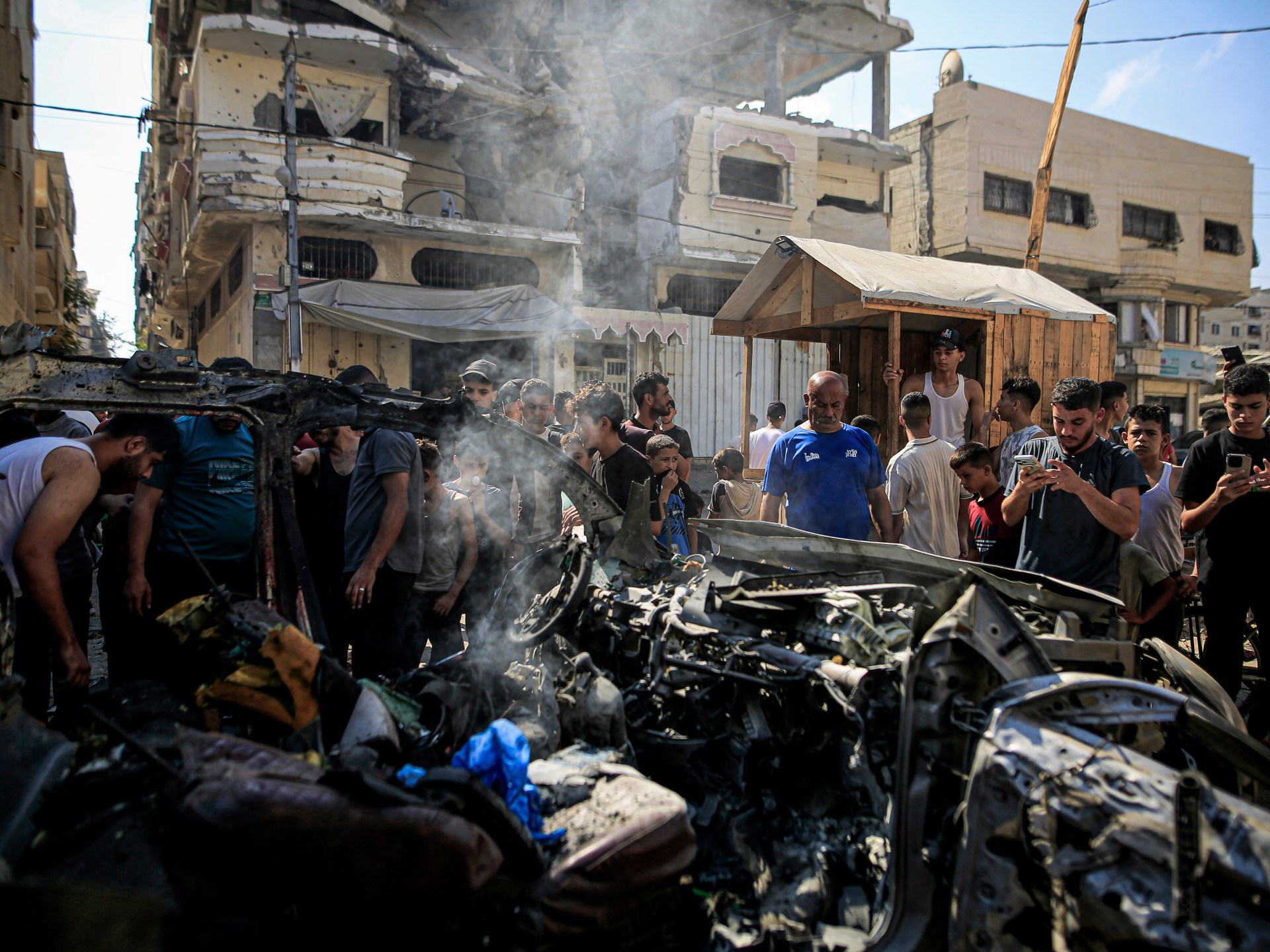
Israeli forces killed a pregnant Palestinian woman in Gaza and an attack in the territory killed two Palestinians, while settler violence intensified across the occupied West Bank, according to Al Jazeera’s Jerusalem Daily. An Israeli quadcopter was reported to be targeting homes in Gaza City, and a raid hit the family home of Palestinian journalist Ali al-Samoudi. In Washington, US envoy Jared Kushner said the failed Israeli strike on Hamas leaders in Doha was “terrible” and had left Israel “globally isolated”, an unusually blunt assessment of an operation that killed Qataris on Qatari soil.
Oil jumps on new strikes
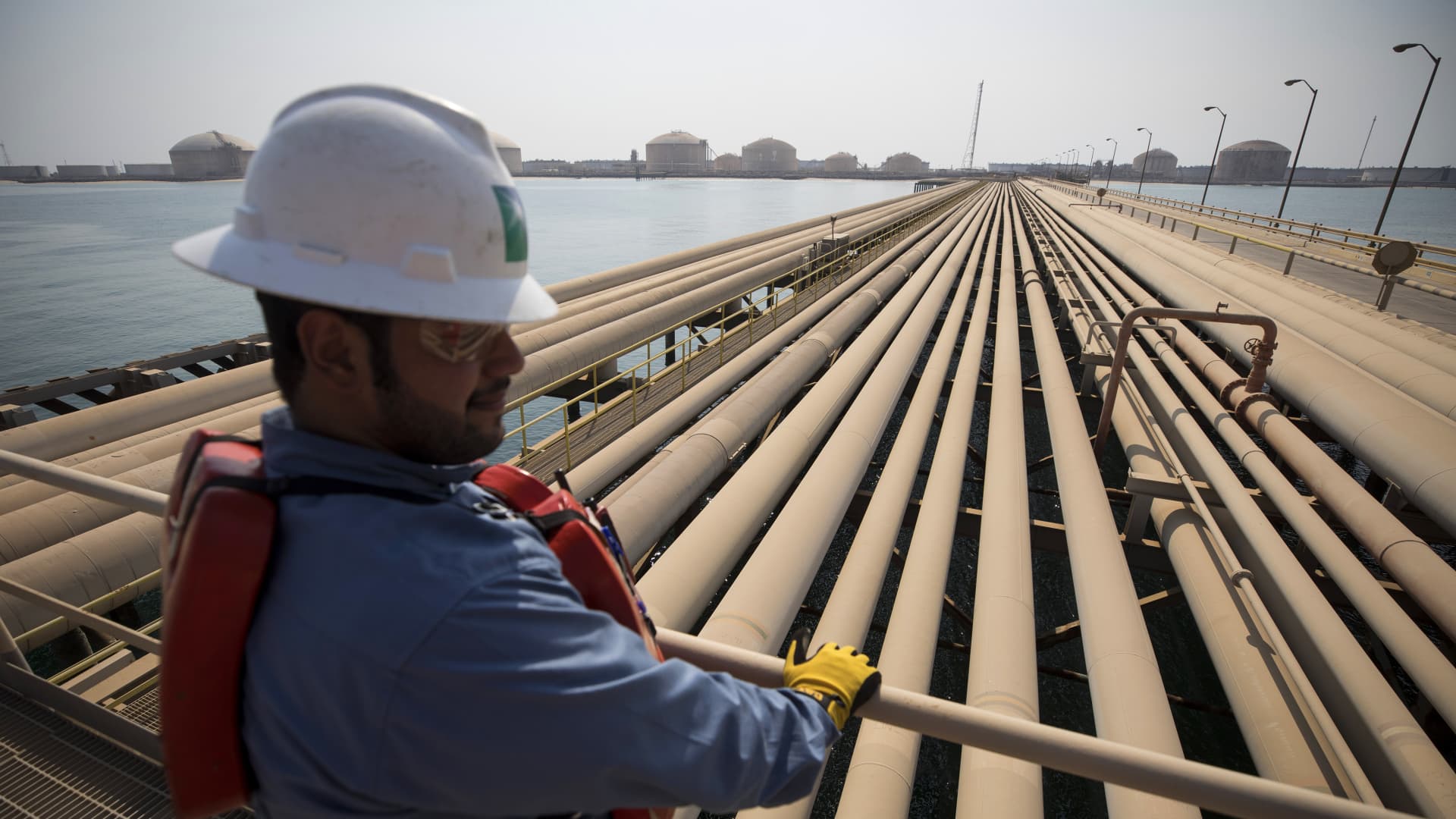
Oil prices jumped more than 2% after fresh strikes on Saudi Arabia and in the Strait of Hormuz, with US crude rising more than $3, extending a week in which Brent and WTI posted sharp gains despite a retreat on Friday. CNBC attributed the move in part to Saudi Arabia’s shutdown of the East-West pipeline that bypasses the strait, which has removed the kingdom’s main workaround to the blockade. President Trump told reporters the war could end around November’s midterm elections and floated the idea of the United States staying in Iran and keeping the oil, likening it to the Venezuela arrangement; he added that prices would fall once the fighting stops.
In Brief
The BRICS summit in New Delhi closed with a joint declaration urging “maximum restraint” in the Middle East, with Iran and the UAE among the signatories; analysis in Al Jazeera argued the war has exposed the bloc’s difficulty in turning economic weight into diplomatic sway.
The Israeli documentary NAZA, which examines the war in Gaza, won the Special Jury Prize at the Venice Film Festival after a 25-minute ovation at its premiere.
Britain’s sanctions on Israeli settlers have divided British rabbis, the New York Times reported.
The New York Times documented the ancient Lebanese city of Tyre, engulfed by the war in the south of the country.
Compiled from the configured RSS feed.