
Iran Conflict — 2026-09-13 (PM)
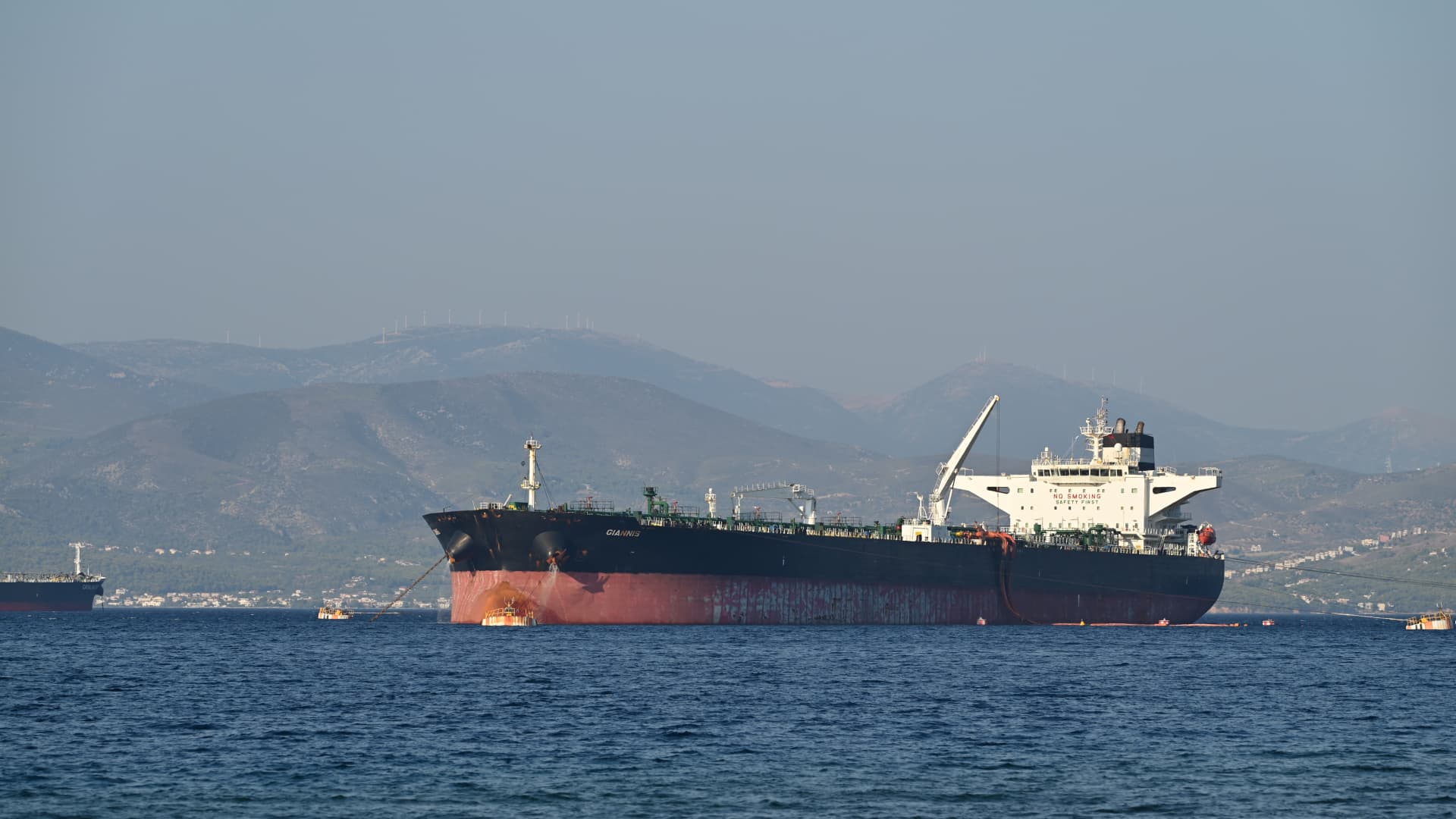
Another vessel was struck in the Strait of Hormuz on Sunday, hours before Iranian and Gulf officials were to meet in Oman to sign a shipping agreement covering the waterway, a fresh sign that diplomacy to end the war with the United States is stalled. Yemen’s war widened further as Houthi forces consolidated their hold on the Red Sea coast and Saudi aircraft struck back, while the wreckage of the sabotage campaign that sank an earlier peace deal began to surface in Iranian accounts of how the talks collapsed.
Hard-liners blamed for sinking the peace deal, as another ship is hit in Hormuz
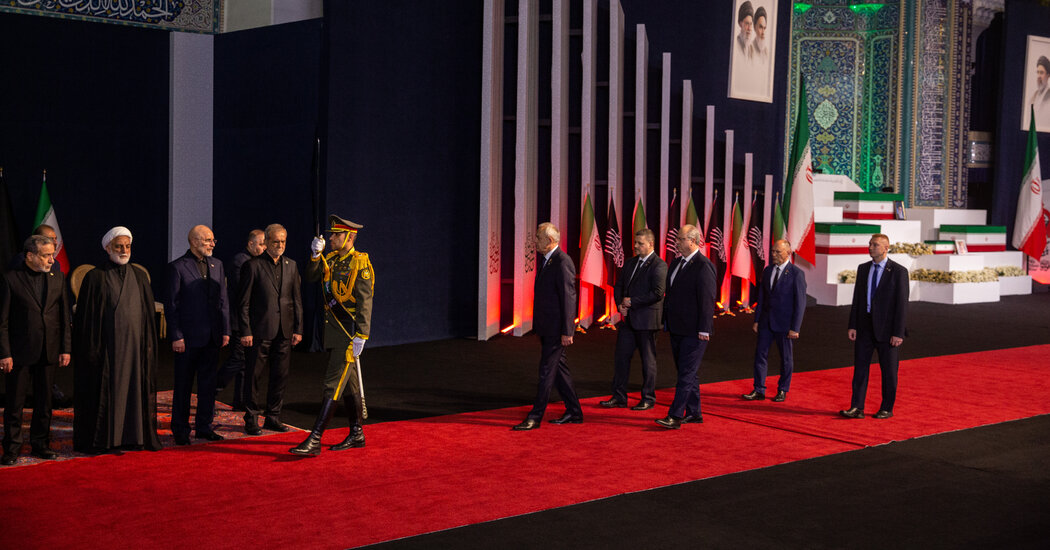
Regime insiders say opponents of the agreement with Washington derailed it through a clandestine campaign to attack ships in the Strait of Hormuz, and that Iran’s president was furious when he learned what had happened. The manoeuvre has left Tehran’s negotiating position in ruins even as its negotiators prepare to sit with Gulf neighbours. A merchant vessel was struck in the strait again on Sunday, maritime monitors said, the latest in a run of attacks that have kept shipping through the world’s most important oil chokepoint well below normal levels.
Iran to meet Gulf Arab states in Oman amid a widening regional conflict
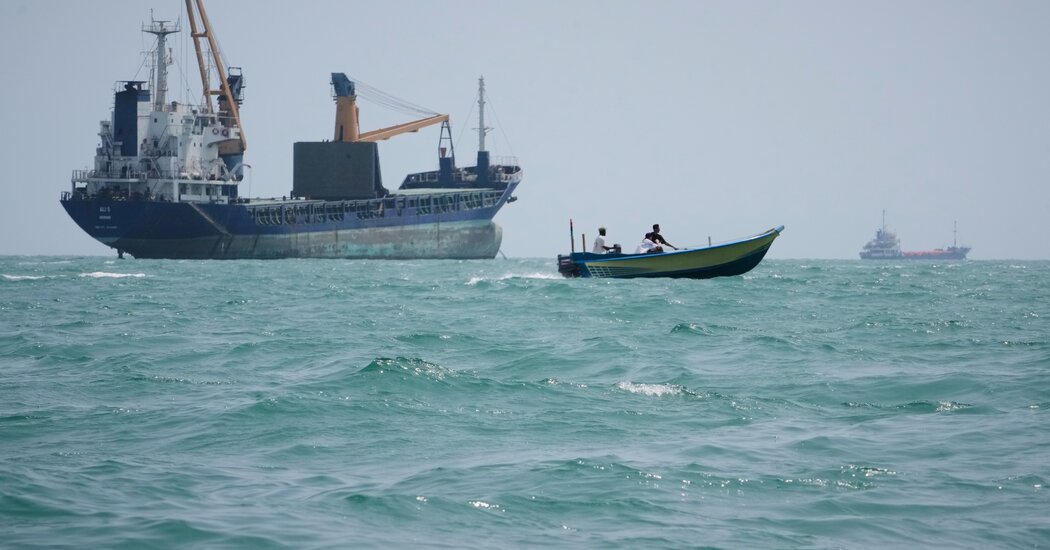
Talks between Iran and Gulf Arab states are expected on Monday, officials said, with a shipping agreement for the strait on the table and Tehran casting the meeting as a confidence-building gesture toward its neighbours. Diplomacy to end the war with the United States has stalled, and Iranian-allied forces have advanced in Yemen since the last round of contacts. Iran and the UAE have also backed a joint BRICS statement urging restraint in the war, though analysts argue the conflict has exposed the limits of what the bloc can actually deliver for Tehran or its Gulf members.
Yemen government forces and Saudi aircraft hit back as Houthis dig in
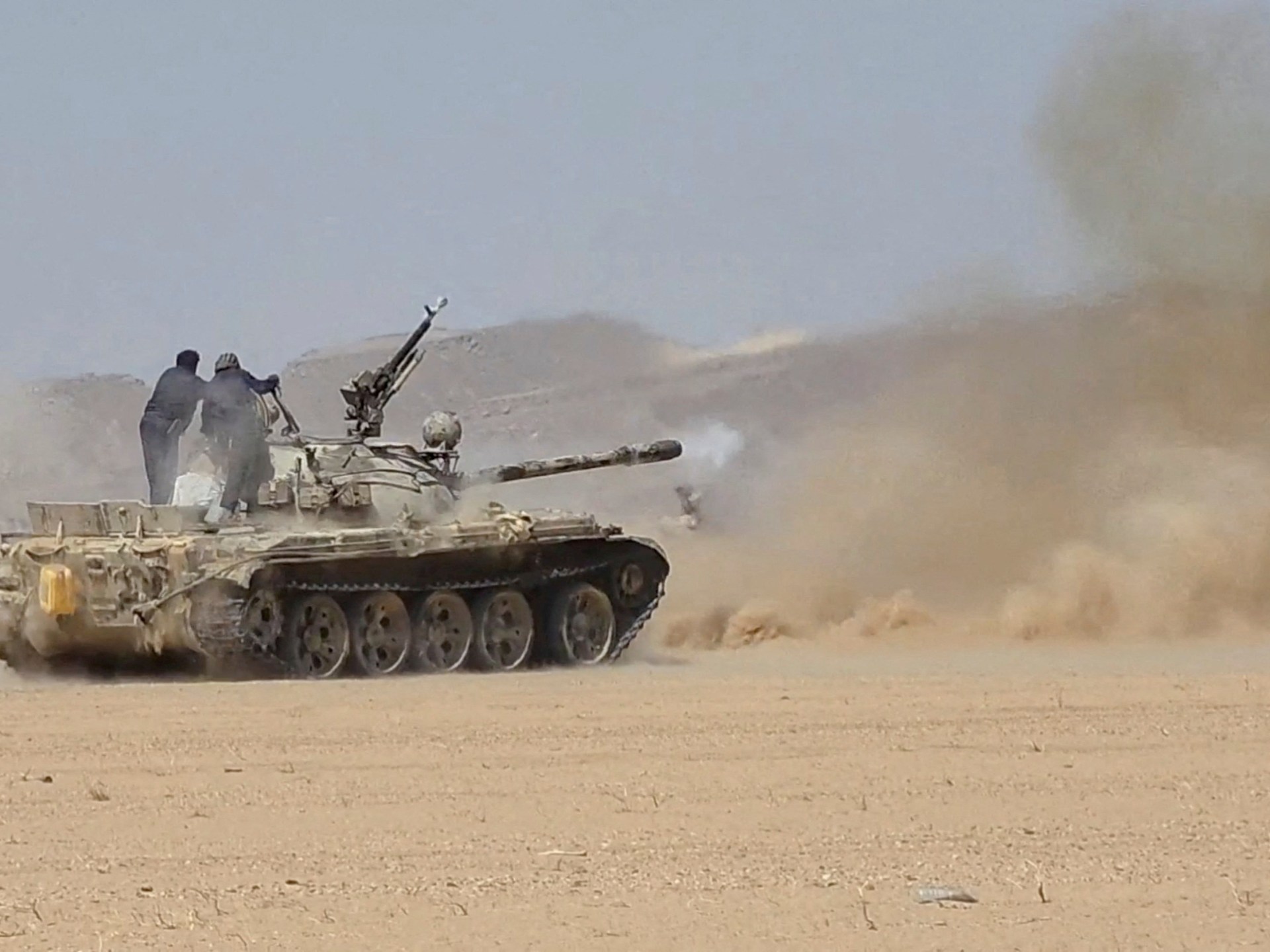
Yemen’s government forces and Saudi Arabia have carried out air attacks aimed at halting the Houthi advance along the Red Sea coast, as renewed fighting pushes thousands of families from their homes and deepens what aid agencies already call one of the world’s worst humanitarian crises. Houthi fighters have been celebrating the seizure of the coast in a rapid offensive, and the group’s spokesman, Yahya Saree, said maritime navigation in the Red Sea is safe for all shipping except Saudi vessels. Analysts warn the escalation may yet backfire, potentially rallying Red Sea states into a unified front against the Houthis and Iran rather than forcing concessions.
Saudi Arabia’s East-West pipeline stays shut after drone attack
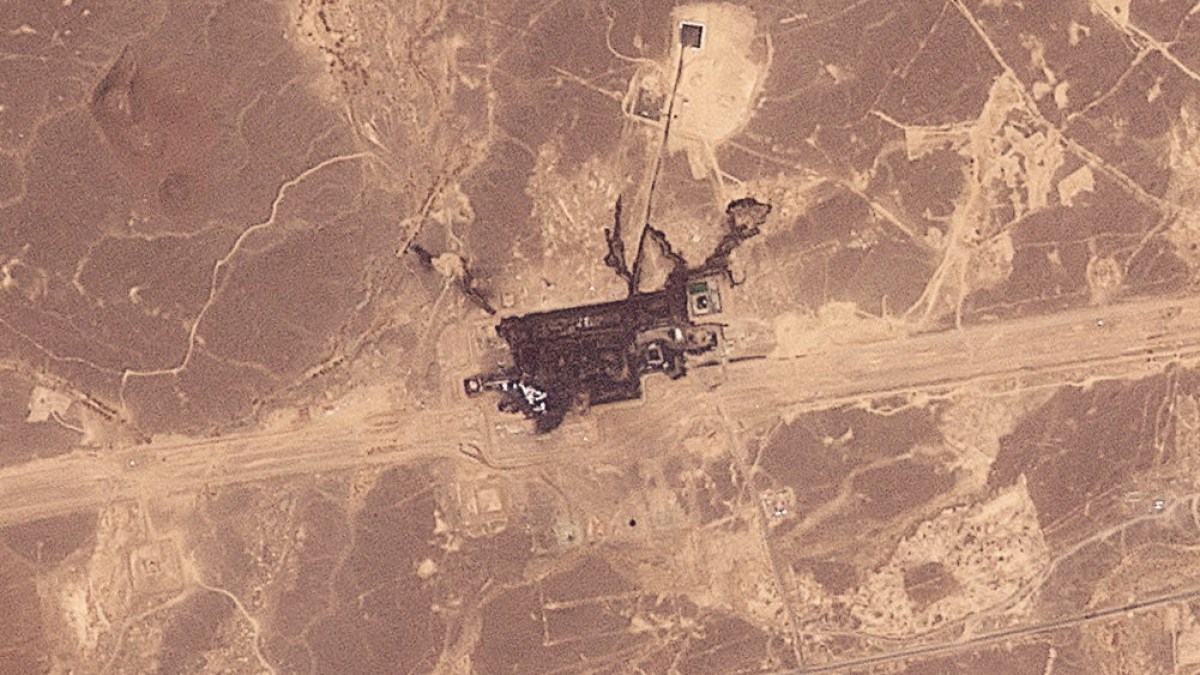
Riyadh has shut the critical East-West crude pipeline after a drone attack that Baghdad says originated from Iraqi territory, cutting Saudi Arabia off from the export route it had leaned on since the Strait of Hormuz became unsafe. Iraq has launched an investigation and closed a border crossing as part of the probe. Damage has also been reported inland: a mosque and several homes were hit in Saudi Arabia in what was described as an alleged Houthi strike, underscoring how far the war’s reach now extends beyond the two main fronts.
Tehran’s escalation bet pays off abroad as hope fades at home
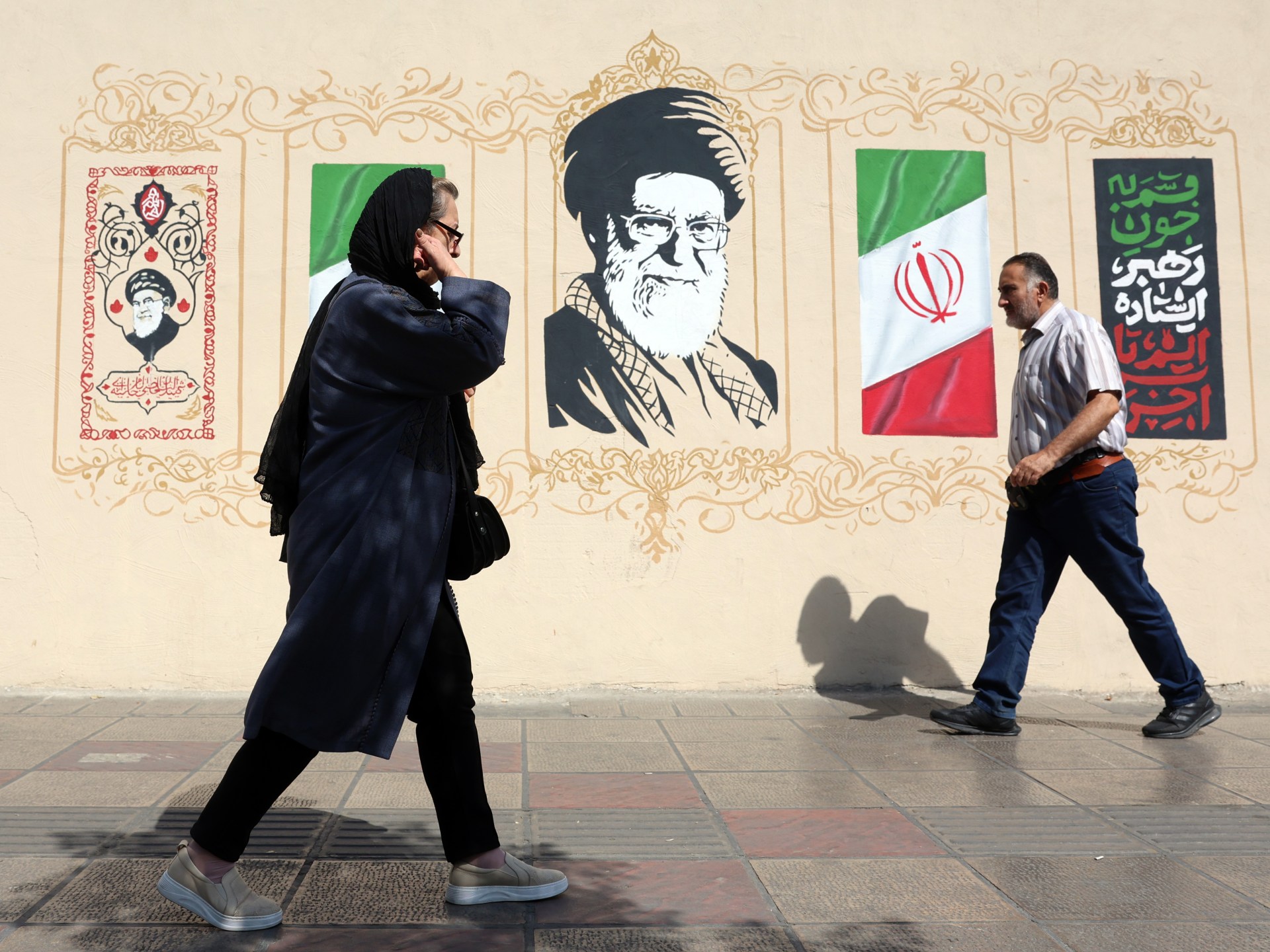
Iran and its allies now hold sway over two key oil shipping routes, and Tehran is setting the stage for a diplomatic win that could enhance its regional stature — a result that has made escalation look like the most productive available path in a war it did not start with an advantage. Inside Iran the picture is bleaker, with families describing a dignified life as a distant dream as the economy degrades and no improvement is in sight. In Washington, the political cost is mounting: President Trump tied the end of the war to November’s midterm elections, but with Tehran holding firm that timeline is looking harder to deliver.
Israel’s demolitions make displacement in south Lebanon permanent

Israel’s destruction across south Lebanon is turning what began as wartime displacement into a permanent condition, with livelihoods gone, homes demolished and little security for those who might return. Israeli forces say they used more than 1,100 tonnes of explosives to demolish alleged Hezbollah tunnels in the hills, blasts that levelled whole ridgelines and erased villages around them. For many displaced Lebanese, the question is no longer when they will go home but whether there is anything left to return to.
Gaza strikes continue despite the US-brokered ceasefire
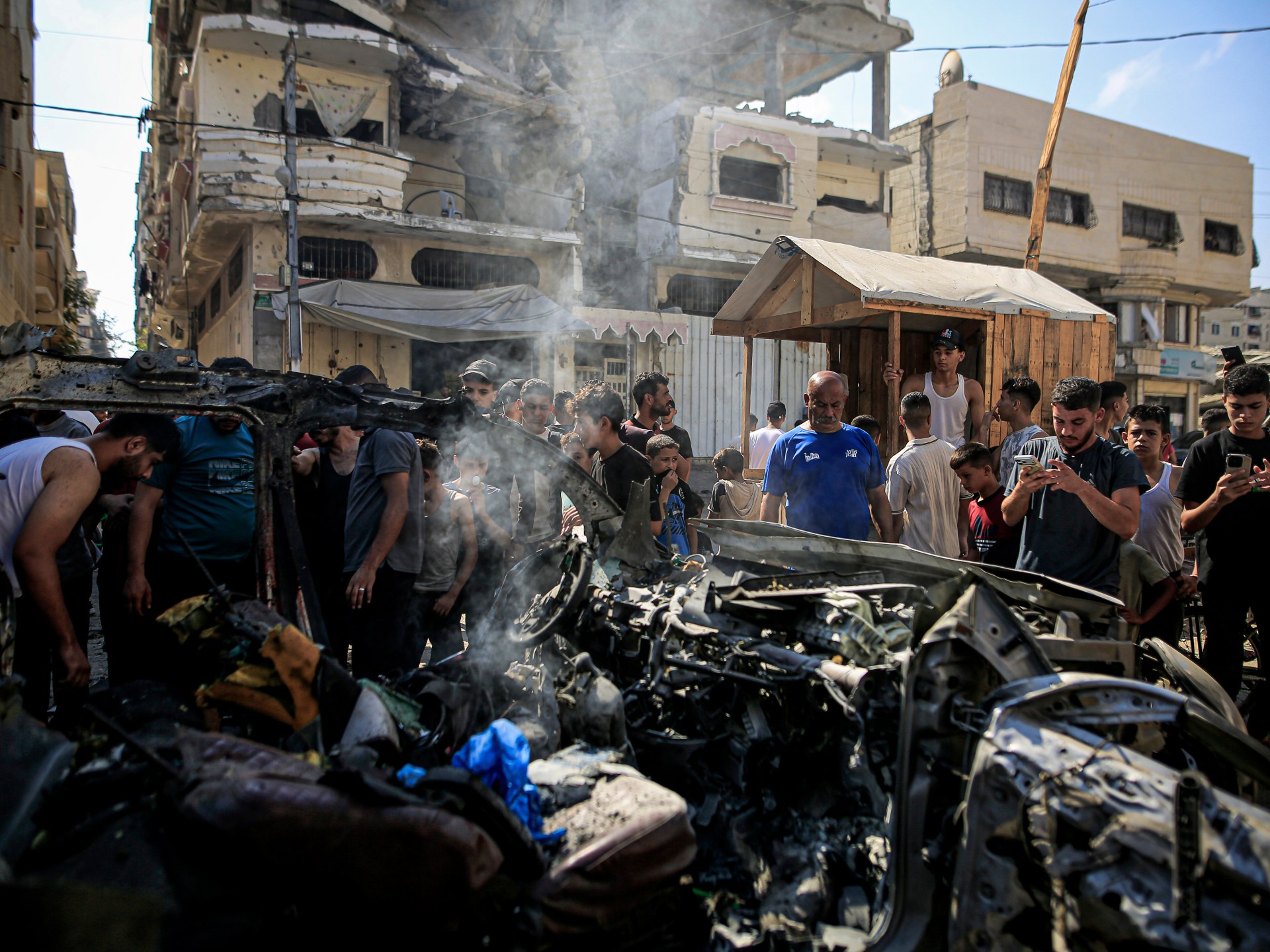
Israeli strikes on Gaza have continued despite the ceasefire brokered by the United States, with two Palestinians killed in the latest attack on Sunday. Days earlier, four members of a single Palestinian family — including girls aged eight and 12 — were killed as they slept when an air strike hit their home. The continuing casualties are steadily eroding the credibility of a truce that Washington has presented as the template for ending the wider regional war.
In Brief
Israel arrested about 100 Palestinians in a week in the occupied West Bank, including children, journalists and a former prisoner released in a recent exchange deal, according to the Palestinian Prisoner’s Society.
Anthropic says its Claude AI was used to develop missile guidance software in Yemen and to power cyber operations and espionage, according to a report by the company.
Kurdish women fighters of the YPJ are pushing to join Syria’s new national army but face exclusion from its ranks.
The UAE plans to invest 40 billion euros (about $46.4 billion) in Germany, with data centre infrastructure a key part of the package.
Crude oil tanker futures have posted the biggest gains of any shipping trade during the Iran war oil shock, one freight fund is up 3,600%, as surging oil prices compounded freight stress from tariffs.
Compiled from the configured RSS feed.