
Iran Conflict — 2026-09-13 (NOON)
A merchant vessel was hit in the Strait of Hormuz on Sunday, killing one person and injuring three, as Iran prepared to host Gulf states for talks on the waterway. Iraq announced it had seized the drone-launching platform used against Saudi Arabia’s East-West oil pipeline and invited Iran into the investigation, while Yemen’s displacement crisis spilt across the Bab al-Mandeb in record daily numbers.
One killed as a merchant vessel is struck in the Strait of Hormuz
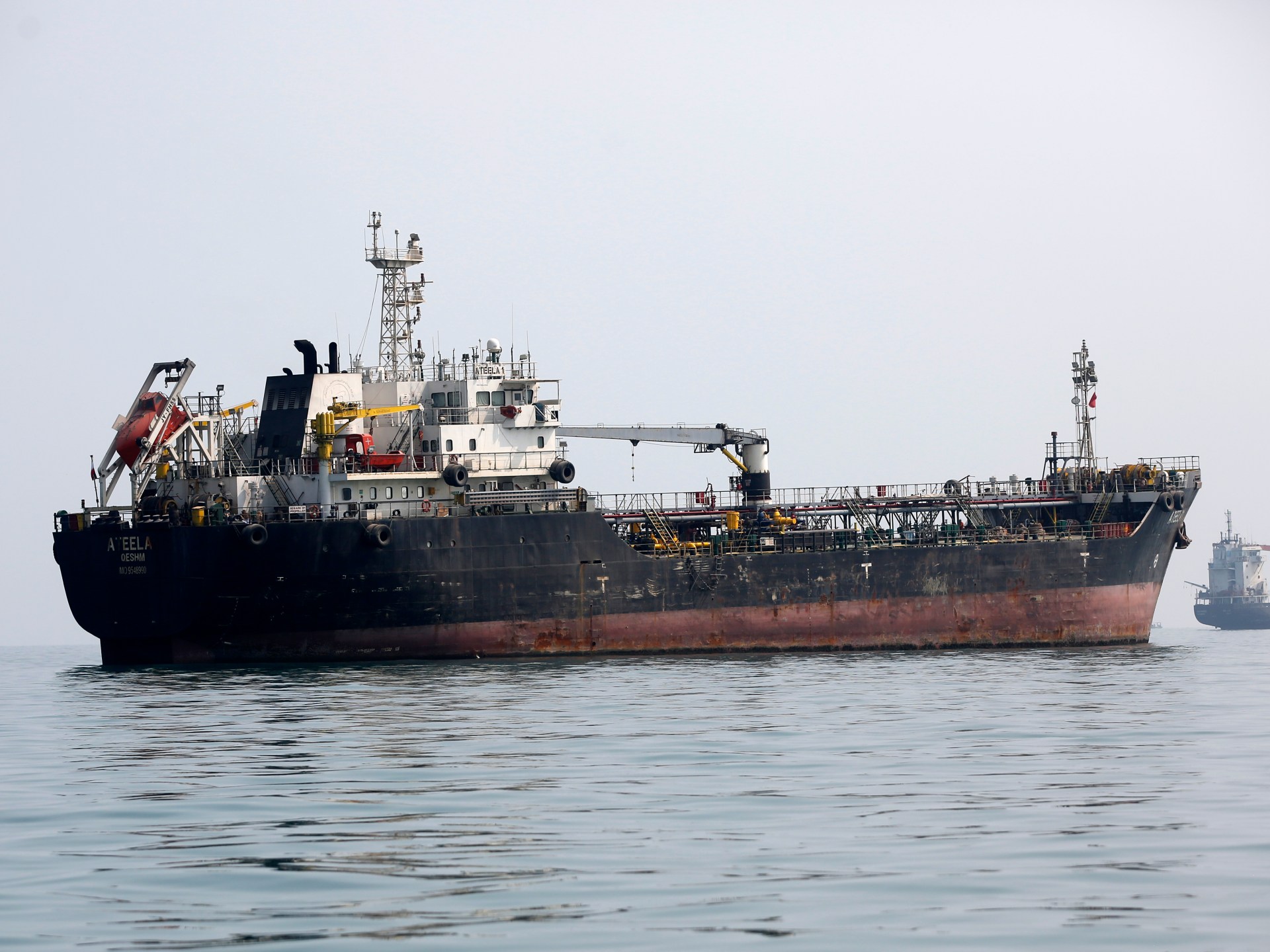
A merchant ship was struck in the Strait of Hormuz, killing one crew member and injuring three others, shipping-monitoring reports said on Sunday. The attack came as Iranian officials prepared to meet Gulf states in Oman on Monday to discuss the strait, which remains far below normal traffic levels under the US naval blockade; Bahrain has said it will not attend. Iran has positioned the meeting as a confidence-building gesture towards its neighbours, while the war has left tanker traffic and Gulf crude exports at a fraction of pre-conflict volumes.
Iraq seizes drone platform and invites Iran into the pipeline probe
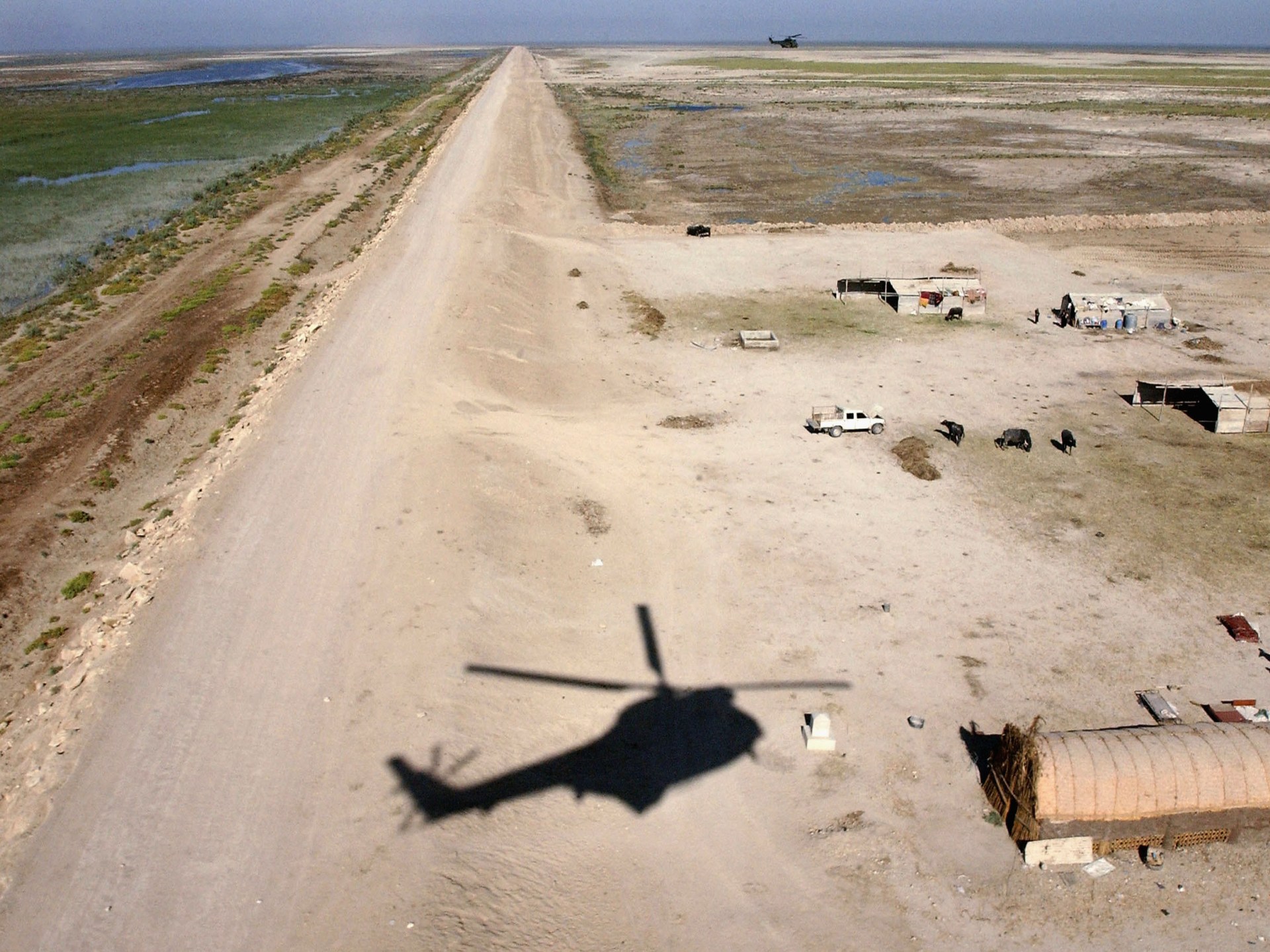
Iraq’s security forces have located and seized the drone-launching platform allegedly used in Friday’s attack on Saudi Arabia’s East-West crude pipeline, the head of the country’s Security Media Cell said, with Saudi authorities tracing the launch site to Maysan province near the Iranian border. Baghdad said its commander-in-chief had approved an Iranian request to join the investigation and review its findings, and that it is sharing intelligence directly with Riyadh under a doctrine of “preventive sovereignty”. The 1,200-km pipeline remains shut, halting the export route Riyadh had relied on since the Strait of Hormuz closed in March.
About 1,400 Yemenis reach Djibouti in a single day
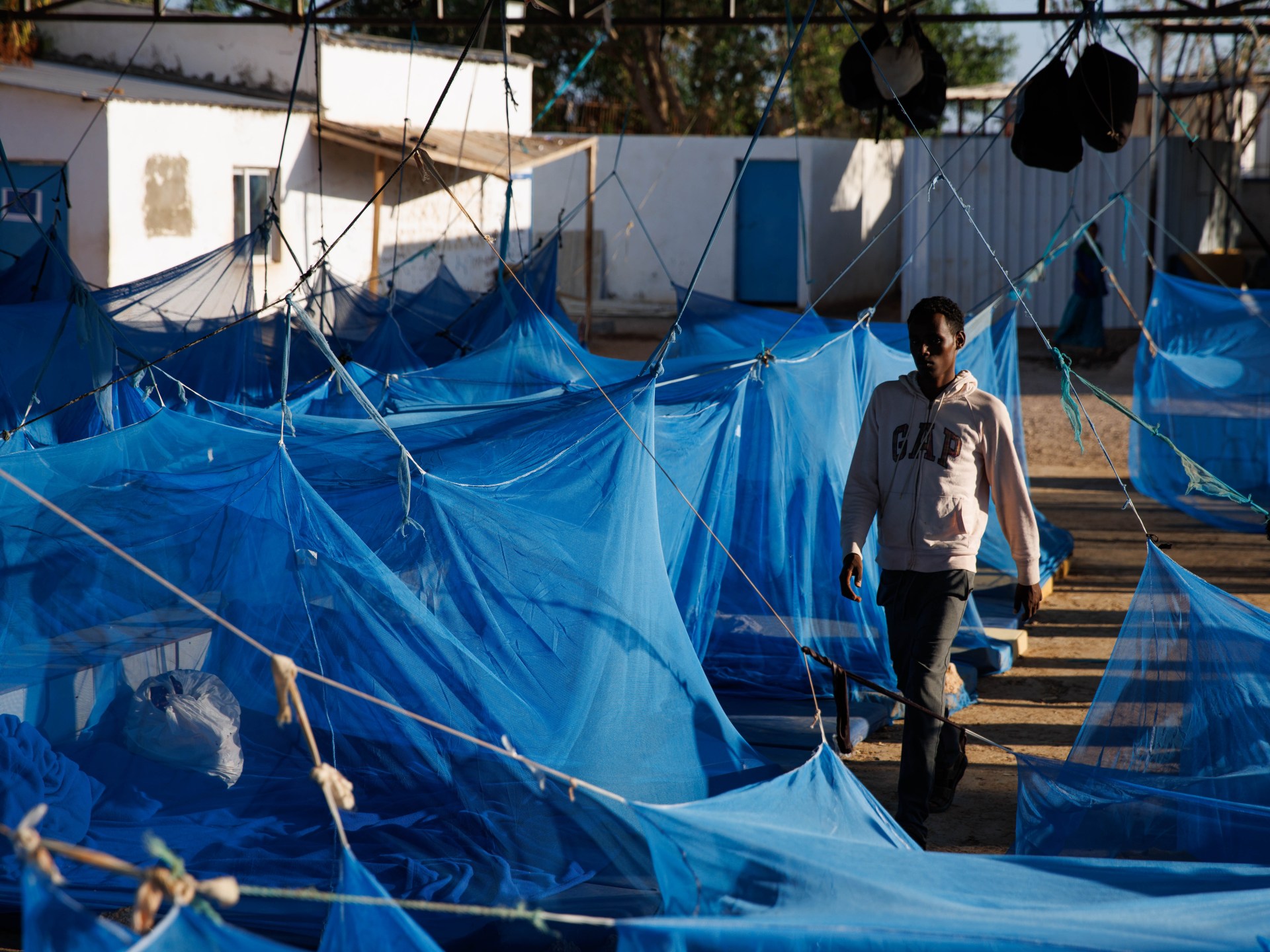
Djibouti’s economy and finance minister said 1,400 refugees arrived from Yemen within 24 hours, days after 500 people — including women and children — were rescued at sea when their boats ran out of fuel crossing the Bab al-Mandeb. The arrivals land mainly in Obock, roughly 20 km across the water from the Yemeni coast, as Houthi forces consolidate their hold on the strait’s eastern shore. The UN migration agency has warned that displacement from renewed fighting in south-west Yemen is rising by the hour, with tens of thousands already uprooted and families fleeing with only what they were wearing.
US Navy concedes severe damage to its Bahrain headquarters
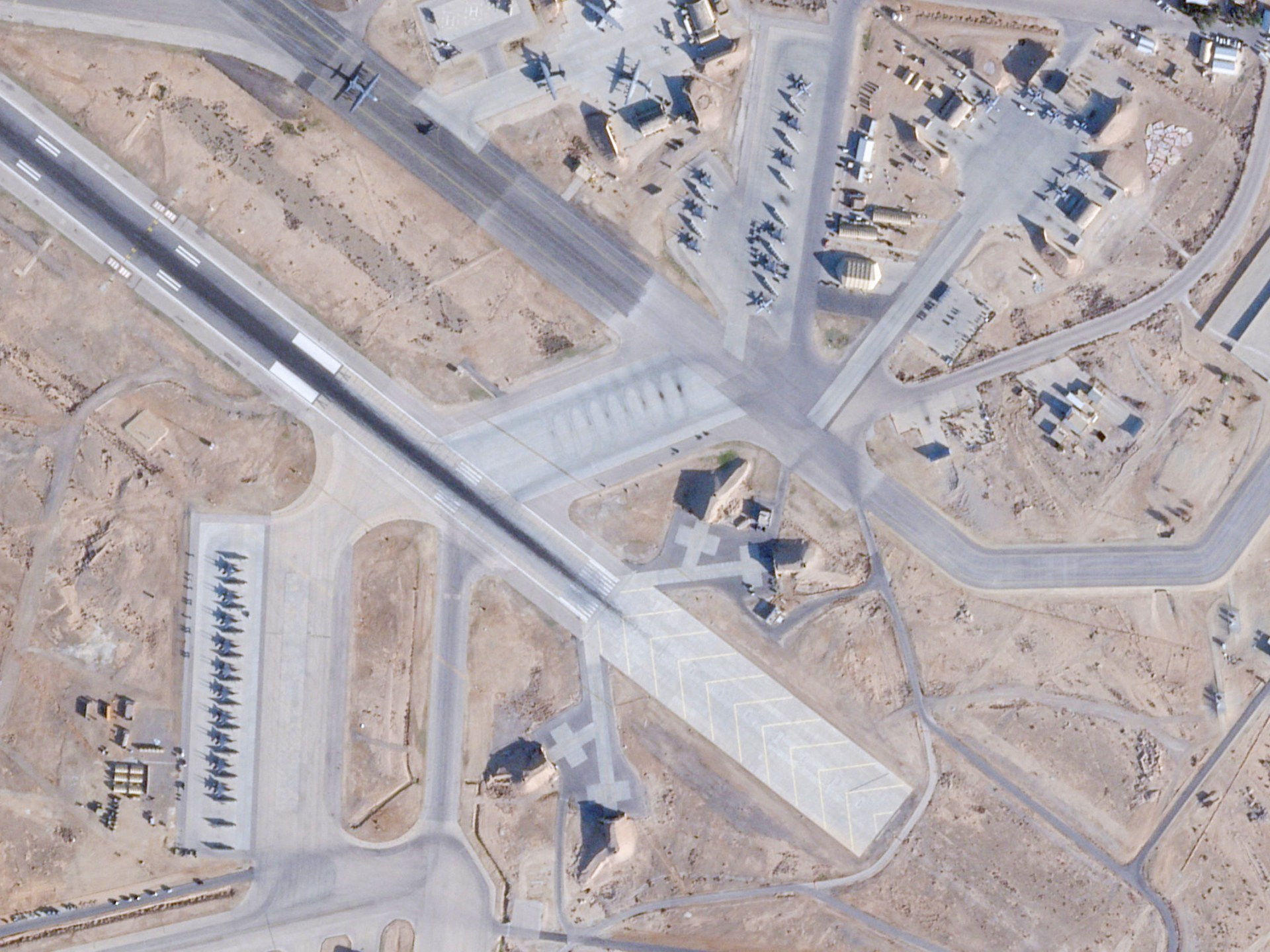
The acting US Navy secretary said a Bahrain-based American military installation sustained severe damage during months of fighting with Iran, telling an interviewer that Iranian strikes “blew the hell out of Bahrain” — a rare official admission about the state of the 5th Fleet’s regional headquarters. Iran’s foreign minister responded publicly that Tehran’s forces had indeed hit the base and other installations supporting what he called US aggression. Washington is now weighing what to do with its Middle East command footprint as Iranian strikes on US bases across the region continue.
Gaza’s power crisis forces hospitals and families to improvise
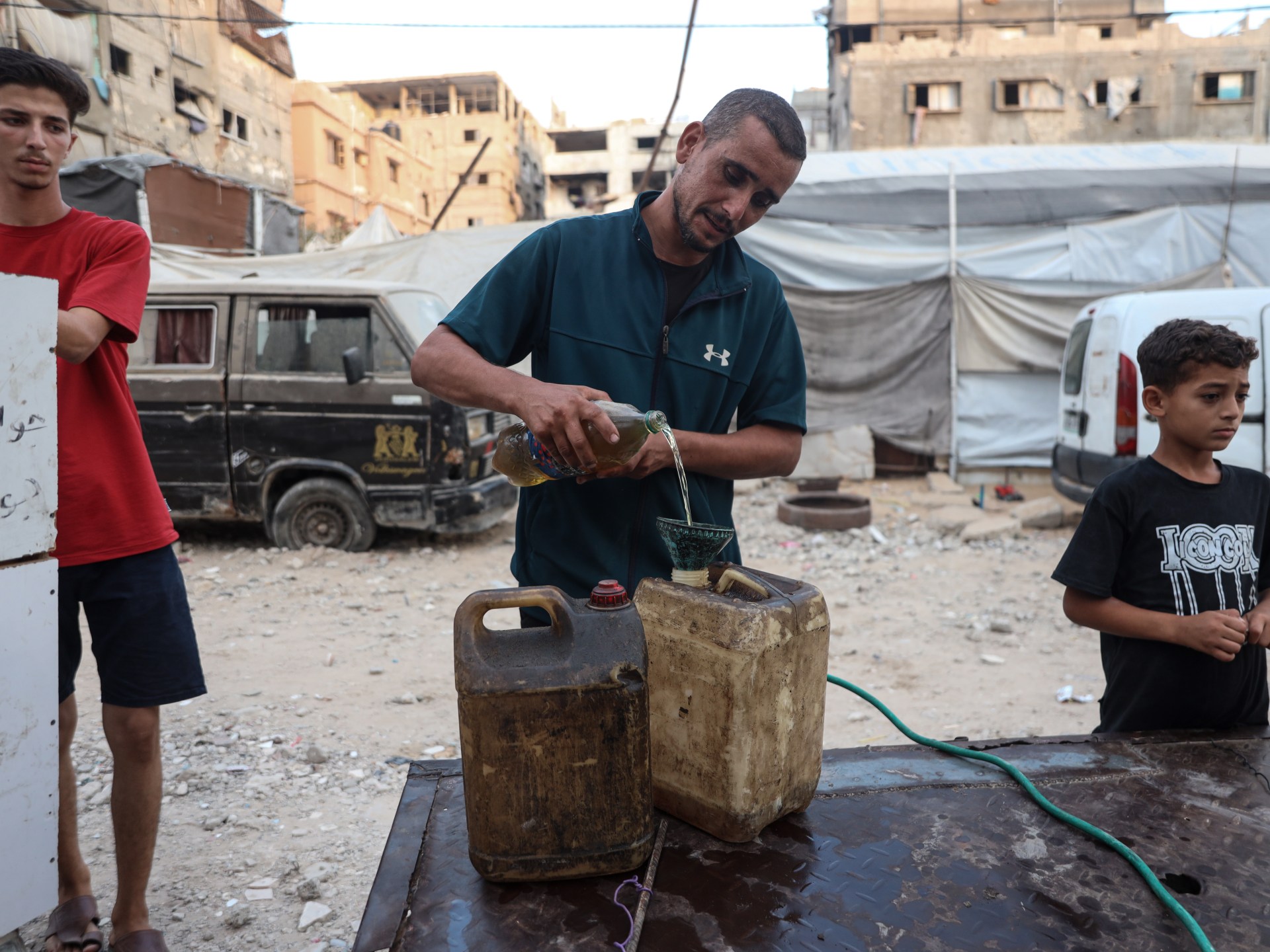
Gaza’s hospitals are rationing electricity as fuel shortages deepen, with medical teams working around outages while generators run short of diesel. Families left with nothing are renting generators by the hour from private owners, paying for brief windows of power to charge phones, refrigerate food or run medical equipment. Aid agencies say the collapse in supply is compounding an already strained health system that has been running on back-up power for months.
The Houthi advance is about more than the Red Sea
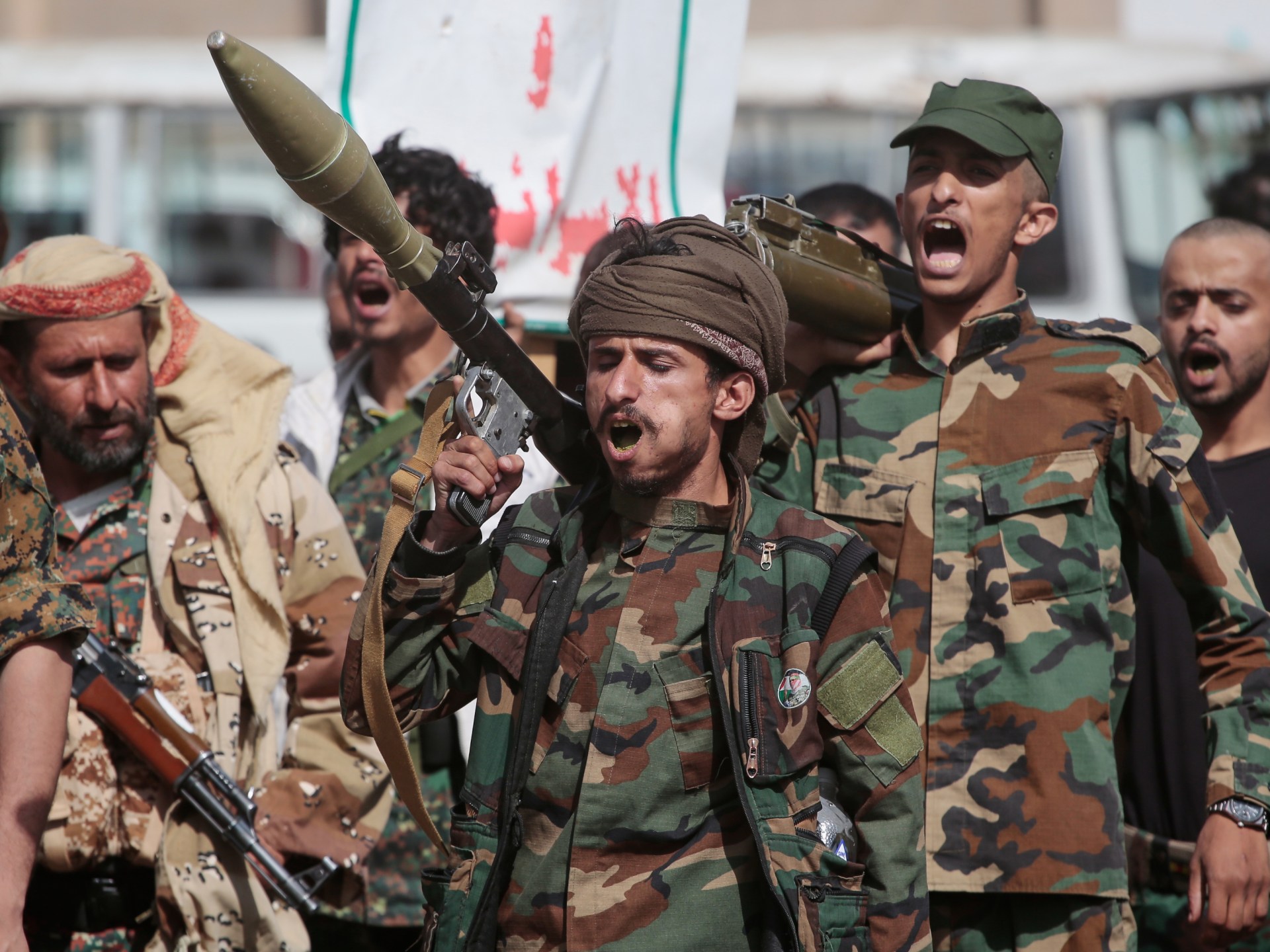
Analysts say the Houthis’ sweep along Yemen’s Red Sea coast has consolidated a capability they already had — the ability to disrupt shipping — while exposing the weakness of Yemen’s internationally recognised government. The question now is whether the group can convert battlefield gains into lasting leverage for Iran in its war with the United States, with Tehran framing the advance as a strategic win and Washington weighing whether the strait can be reopened by force. The New York Times reported that escalation has become Iran’s most productive route to leverage, while Riyadh faces an open question over whether its Red Sea defence alliance can hold the waterway.
In Brief
At least seven inmates were killed in a fire at a prison in the Kurdish town of Kobane in northern Syria, which broke out during a riot following local protests.
Israeli demolitions are threatening schools and homes in the Masafer Yatta area of the occupied West Bank, residents told Al Jazeera.
The UN Security Council marked the 25th anniversary of the 9/11 attacks with a counter-terrorism session focused on artificial intelligence and drones.
Compiled from the configured RSS feed.