
Iran Conflict — 2026-09-13 (AM)
Saudi Arabia shut its East-West crude pipeline after drone strikes launched from Iraqi territory, removing a key workaround to Iran’s blockade of the Persian Gulf and drawing an accusation from President Trump that Tehran was behind it. In Yemen, Houthi forces completed their seizure of the Red Sea coastline and exchanged direct fire with Saudi Arabia, while Iran’s president used the BRICS summit to insist Tehran is not at war with Riyadh. The overlapping fronts pushed US crude back above $100 a barrel.
Saudi Arabia shuts East-West pipeline after drone attack
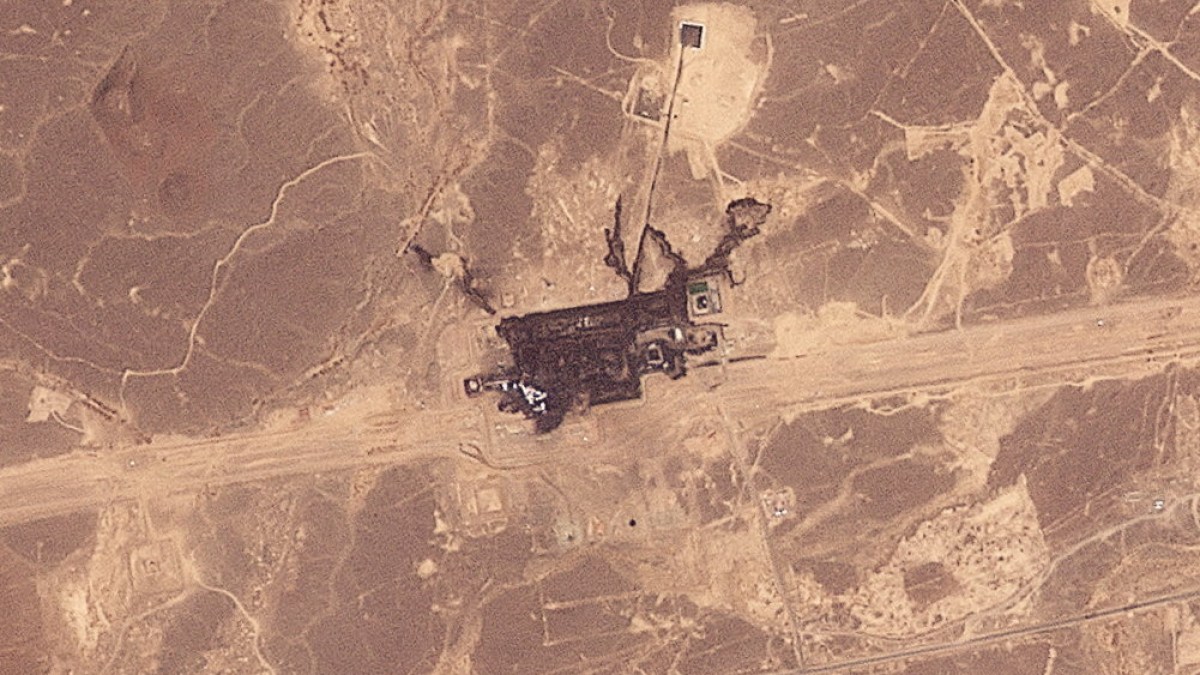
Saudi Arabia said the drones that struck its East-West crude pipeline were launched from Iraqi territory and shut the line down while it assessed the damage, with satellite imagery later showing the pipeline damaged. Iraq’s Prime Minister Ali al-Zaidi dismissed a commander, ordered an investigation into the operations command of Maysan province bordering Iran, and closed three crossings to Iran. President Trump said Iran was probably “behind” the attack without presenting evidence, while the New York Times described the pipeline as Riyadh’s oil “lifeline” — the route that had let the kingdom keep exporting around Iran’s Persian Gulf blockade.
Houthis complete seizure of Yemen’s Red Sea coast
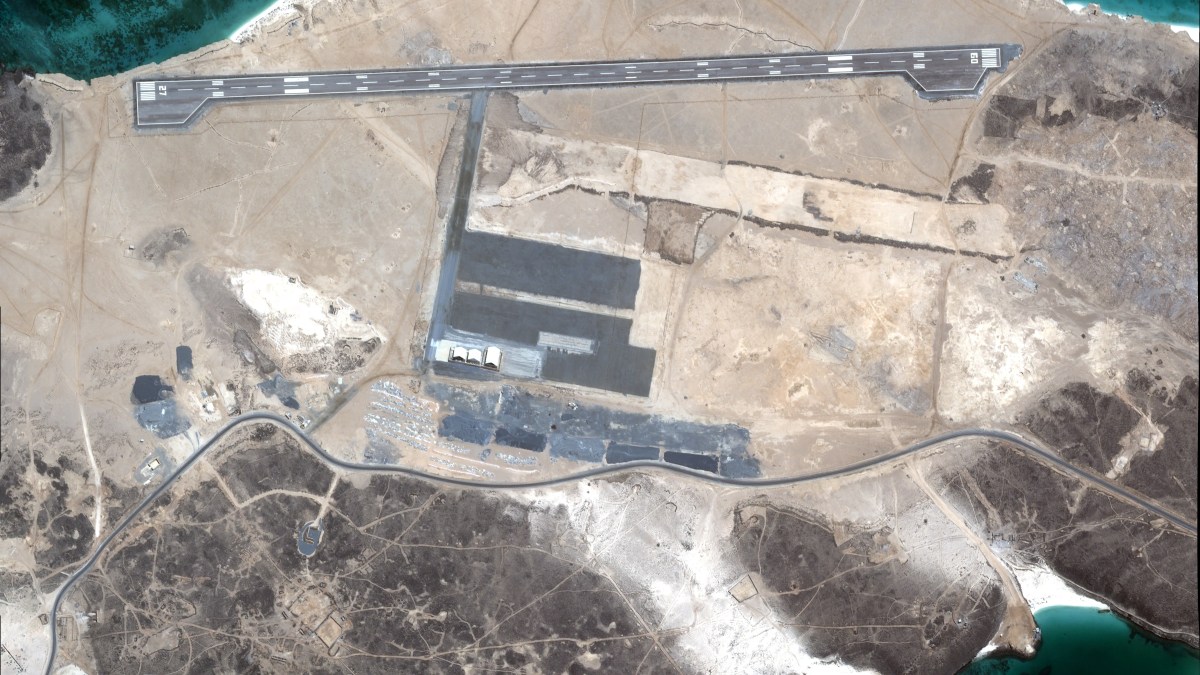
Houthi forces captured Mayun Island in the Bab al-Mandeb strait and reported control of Yemen’s entire Red Sea coastline, including the historic port of Mokha at the southern end of the waterway. Yemen’s internationally recognised government counterattacked with air strikes on Houthi fighters and vehicles along the coast. Iran publicly celebrated what it called a “divine triumph”, and the Houthis declared Red Sea shipping safe for all vessels except Saudi ships. The UN’s migration agency said at least 46,000 people have been displaced by the renewed fighting, a figure it warned is rising “by the hour”.
Saudi-Houthi exchange escalates across the Bab al-Mandeb
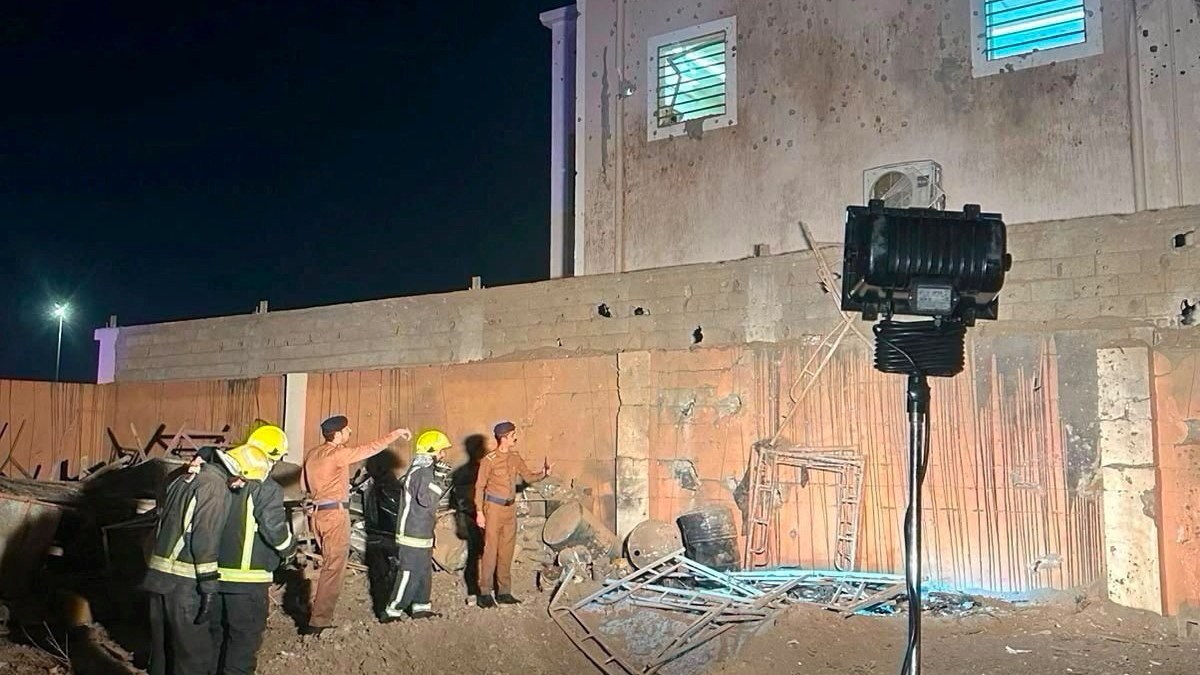
The two sides traded strikes directly across the strait. The Houthis accused Saudi Arabia of carrying out 129 strikes in 48 hours, and a Houthi projectile wounded two people and damaged a mosque in Saudi Arabia’s Jazan region; the group said it had targeted a Saudi military base at Sharurah. The exchange has revived questions about whether the attacks could activate the Mecca Pact, the Gulf mutual-defence arrangement, as concern grows over the impact on Riyadh’s oil industry.
At BRICS, Pezeshkian recasts the war’s diplomacy
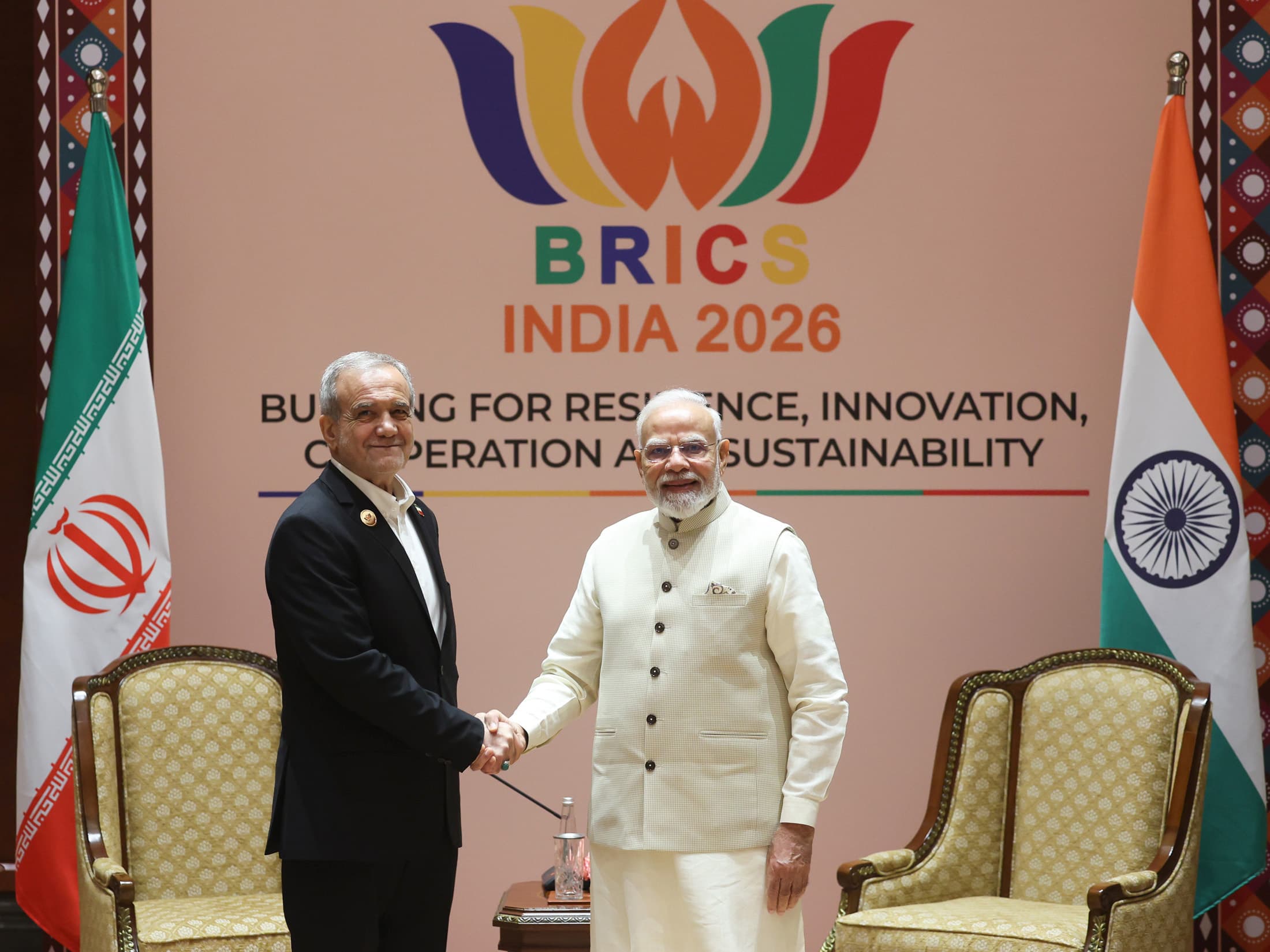
Iranian President Masoud Pezeshkian told the BRICS summit that “we are not at war with Saudi Arabia”, while on his first visit to India he said Tehran would not surrender to the United States and Israel as Prime Minister Narendra Modi renewed calls for dialogue and peace. Iran and the UAE held their first talks at the summit since the conflict began, and Pezeshkian joined Russia’s Vladimir Putin in criticising US dominance of the international order. Analysis in the New York Times argued that escalation has become Iran’s most productive route to leverage in the war.
Bahrain refuses Iran’s Hormuz meeting
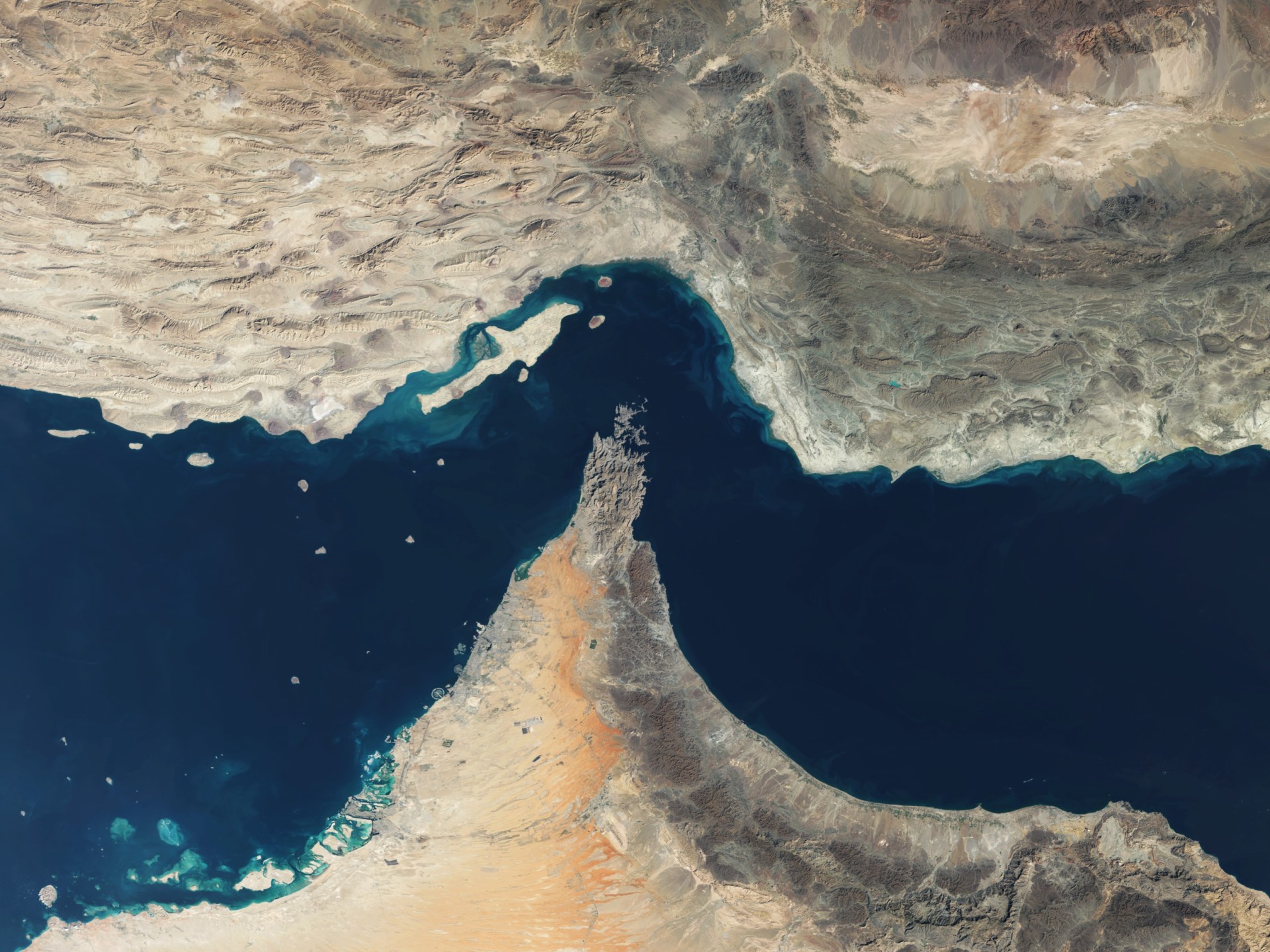
Iran’s foreign ministry said a Monday meeting in Oman on the Strait of Hormuz with Gulf states was meant to “promote better understanding among the countries of the region”, and Iranian officials described the invitation to Al Jazeera as a sign of “good intentions” towards its neighbours. Bahrain said it would not take part. The talks come with traffic through the strait still far below normal levels under the US naval blockade.
Israel strikes Lebanon as talks collapse
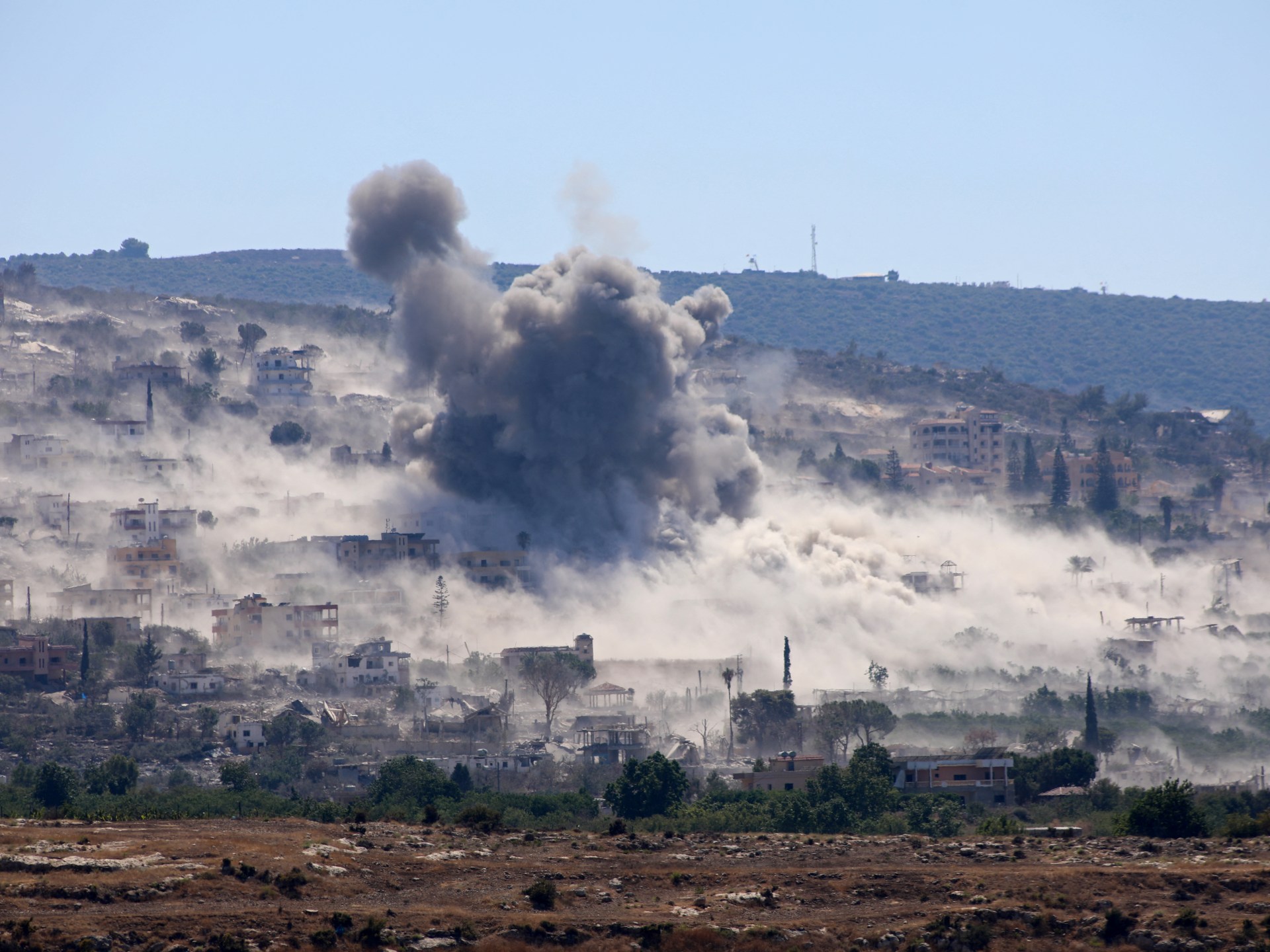
Israeli forces bombed southern Lebanon as planned Israel-Lebanon talks were postponed, with President Joseph Aoun saying there would be “no new negotiations with Israel at the moment”. Israel also destroyed an underground Hezbollah base in southern Lebanon, in blasts large enough to register as a 4.1 magnitude seismic tremor.
Oil tops $100 as refining capacity tightens
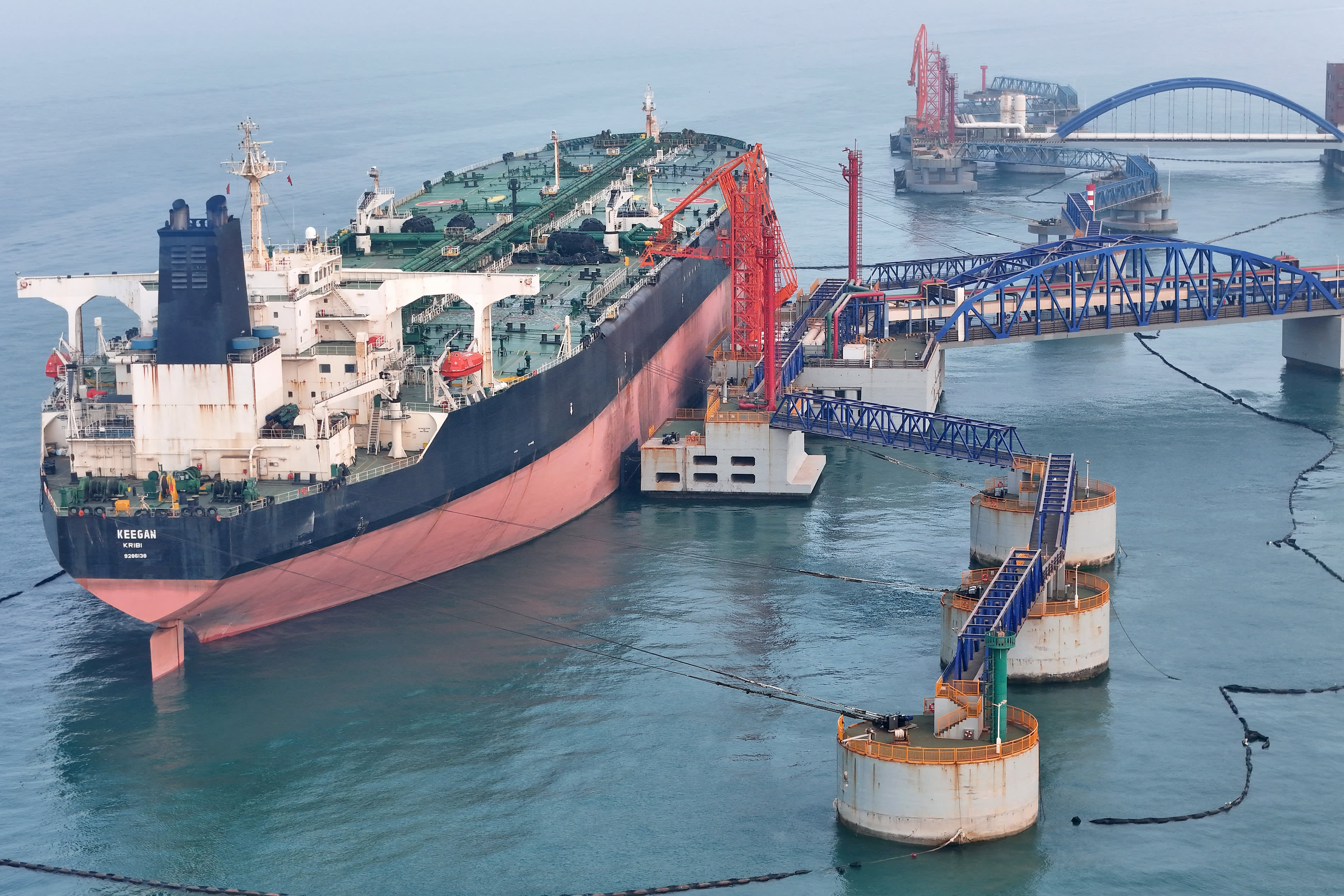
US crude closed above $102 a barrel on Thursday, its highest close since May, before retreating on Friday while still posting sharp weekly gains as traders weighed China’s role in determining the next move. The International Energy Agency warned that the global refining system is “stretched to the limit” as the Iran and Ukraine wars tighten supply. Trump predicted the war would end soon after November’s midterm elections and that oil prices would then fall sharply.
In Brief
An Iranian official told Al Jazeera that a new IAEA resolution on Tehran’s nuclear safeguards was “imposed” by the United States and Israel.
Pakistan is holding talks with Iran as the Houthi-Saudi confrontation escalates, Al Jazeera reported.
Declassified British documents show London was aware of allegations of Israeli war crimes for 24 years.
The UN warned that Israel’s “yellow line” in Gaza is closing in on Palestinian communities, with families saying they have nowhere left to go.
Compiled from the configured RSS feed.