
Iran Conflict — 2026-09-09 (NOON)

As military exchanges between the U.S. and Iran intensify, Tehran finds itself caught between mounting military pressure and a deepening economic crisis. The tightening blockade is now affecting Iran’s ability to import critical medicines, while the escalating tanker war in the Strait of Hormuz threatens one of the world’s most fragile ecosystems. Meanwhile, the conflict’s ripple effects are destabilizing the wider region.
Iran Signals Readiness to Escalate War Amid Economic Squeeze

Iranian government officials are adopting an increasingly aggressive posture as the economic situation deteriorates and Tehran’s control over the Strait of Hormuz faces mounting pressure. Analysts report that Iran is taking steps toward direct escalation, signaling a shift from reactive to proactive military strategy even as its economy shrinks under the weight of sanctions and blockade. The Iranian response reflects a calculation that military escalation may be the regime’s best option to change the conflict’s trajectory and force negotiations from a position of greater strength. Tehran’s increasingly defiant messaging—coupled with demonstrations of military capability—suggests the Islamic Republic believes it has less to lose from escalation than from continued containment.
Medicine Shortages Intensify Crisis for Ordinary Iranians

The U.S. sanctions regime and naval blockade have created acute shortages of essential medicines across Iran, forcing ordinary citizens to choose between food and medication. Pharmacies report that many critical drugs—including cancer treatments, insulin for diabetics, and antibiotics—are now unavailable or prohibitively expensive. Iranian health authorities acknowledge the crisis but insist the pharmaceutical sector will not collapse, yet the reality on the ground paints a grimmer picture. Families are rationing doses, traveling long distances to find supplies, and resorting to black-market purchases at triple the normal price. The humanitarian toll is mounting alongside the military escalation, with Iran’s poorest citizens bearing the heaviest burden.
Tanker War Risks Environmental Catastrophe in Hormuz
The intensifying U.S.-Iran military campaign targeting oil tankers and cargo vessels in the Strait of Hormuz is creating an unprecedented risk of environmental disaster. Experts warn that a major oil spill from a damaged or sunk tanker carrying hundreds of thousands of barrels could devastate one of the world’s most biologically critical ecosystems. The Persian Gulf’s shallow waters, coral reefs, and fisheries—already stressed by decades of industrial activity—are uniquely vulnerable to a catastrophic spill. A collision or deliberate strike on a heavily laden tanker could trigger ecological damage comparable to the Exxon Valdez or the 2010 Deepwater Horizon disaster, with regional consequences lasting decades. Environmental organizations are raising alarms that military planners have not adequately considered the cascading environmental costs of the tanker war.
UN Chief Demands Israeli Withdrawal from Lebanon as Nabatieh Escalates
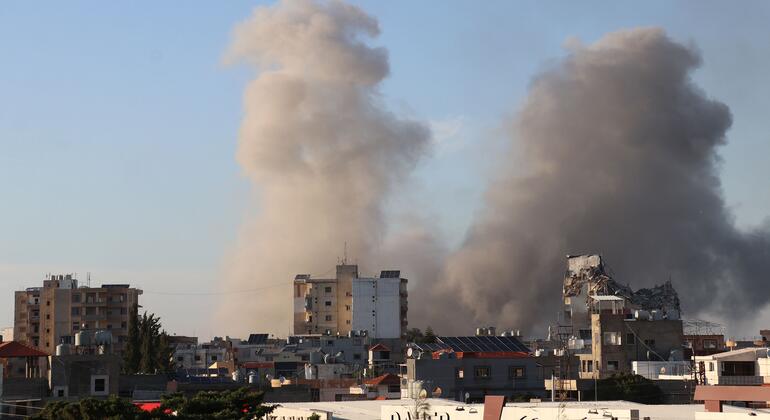
UN Secretary-General António Guterres has formally condemned mounting civilian casualties in southern Lebanon and called on Israel to immediately withdraw its forces, as fighting intensifies in and around Nabatieh. The escalation marks a dangerous expansion of the conflict beyond the Iran-U.S. axis into direct Israeli-Lebanese confrontation. Israeli forces have killed dozens of civilians in residential areas, and the humanitarian crisis is worsening as hundreds of thousands flee their homes. Schools are packed with displaced families; hospitals are overwhelmed; and aid organizations warn of a brewing humanitarian disaster. The UN chief’s stark language—rarely this direct—signals international frustration with the absence of de-escalation efforts and raises the risk that the conflict could spiral into a full-scale Israeli-Hezbollah war.
Yemen’s Proxy Conflict Intensifies as Saudi-Backed Forces Push Back Houthis
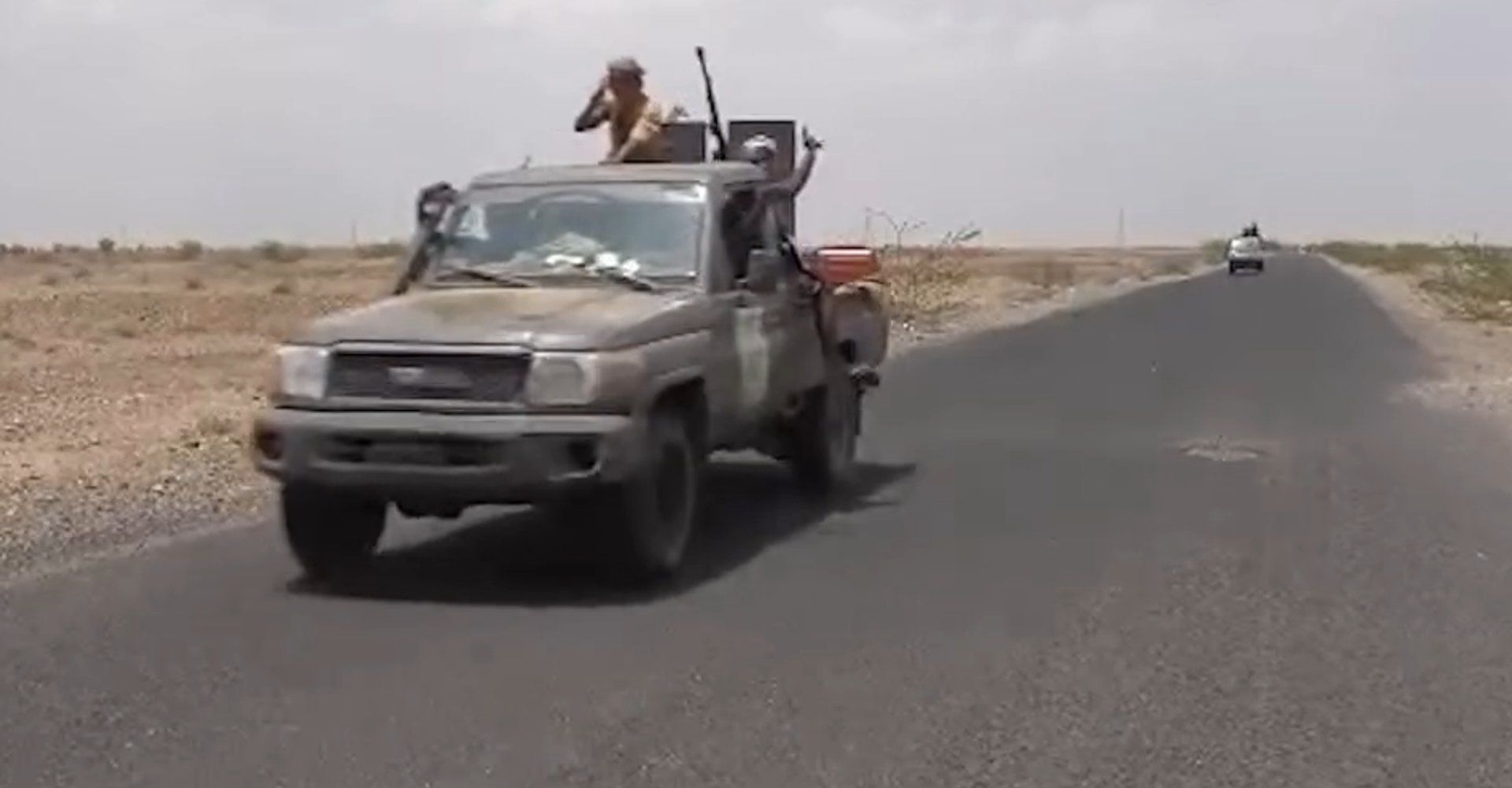
Saudi-backed Yemeni government forces are intensifying their counteroffensive against Iranian-aligned Houthis on Yemen’s western coast, marking a new phase in the long-running proxy conflict. The escalation parallels the broader U.S.-Iran confrontation in the Gulf, with regional military forces now mobilizing in coordination with U.S. operations. The fighting threatens to destabilize Yemen further at a time when millions are already facing famine conditions and humanitarian collapse. The proxy war’s expansion reflects Iran’s strategy of dispersing U.S. military attention across multiple fronts—from direct confrontation in the Gulf to proxy forces across the region.
Oil Markets React as Prices Hit $100 Again
Market prices reflect mounting anxiety about the conflict’s trajectory. Brent crude surged past $100 per barrel as traders priced in the risk of broader Hormuz disruption and escalating military exchanges. Energy market volatility signals that markets have absorbed deeper war premiums—a sign that traders believe the conflict will persist longer than many initially expected.
Compiled from the configured RSS feed. Day 195 of the Iran-UAE conflict.