
Iran Conflict — 2026-09-07 (AM)
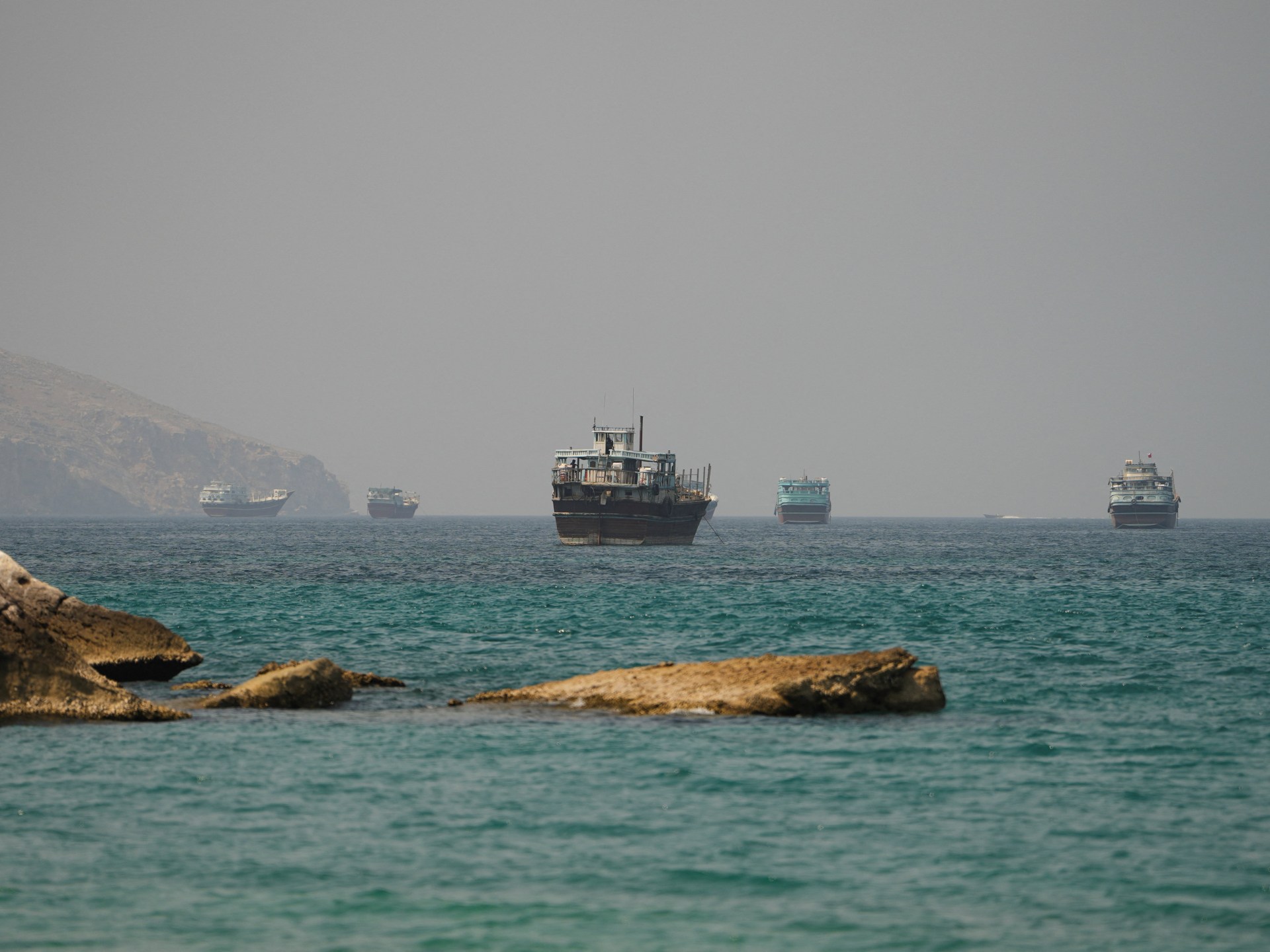
Iran escalated its response to US pressure by announcing plans for a restricted maritime zone and new shipping route around the Strait of Hormuz, while the broader US-Iran tanker war intensified with tit-for-tat strikes on vessels and warships. Shipping through the critical waterway has slowed to its lowest levels since May, disrupting regional energy supplies and forcing countries like Iraq to face fuel shortages.
Iran Announces New Hormuz Shipping Route
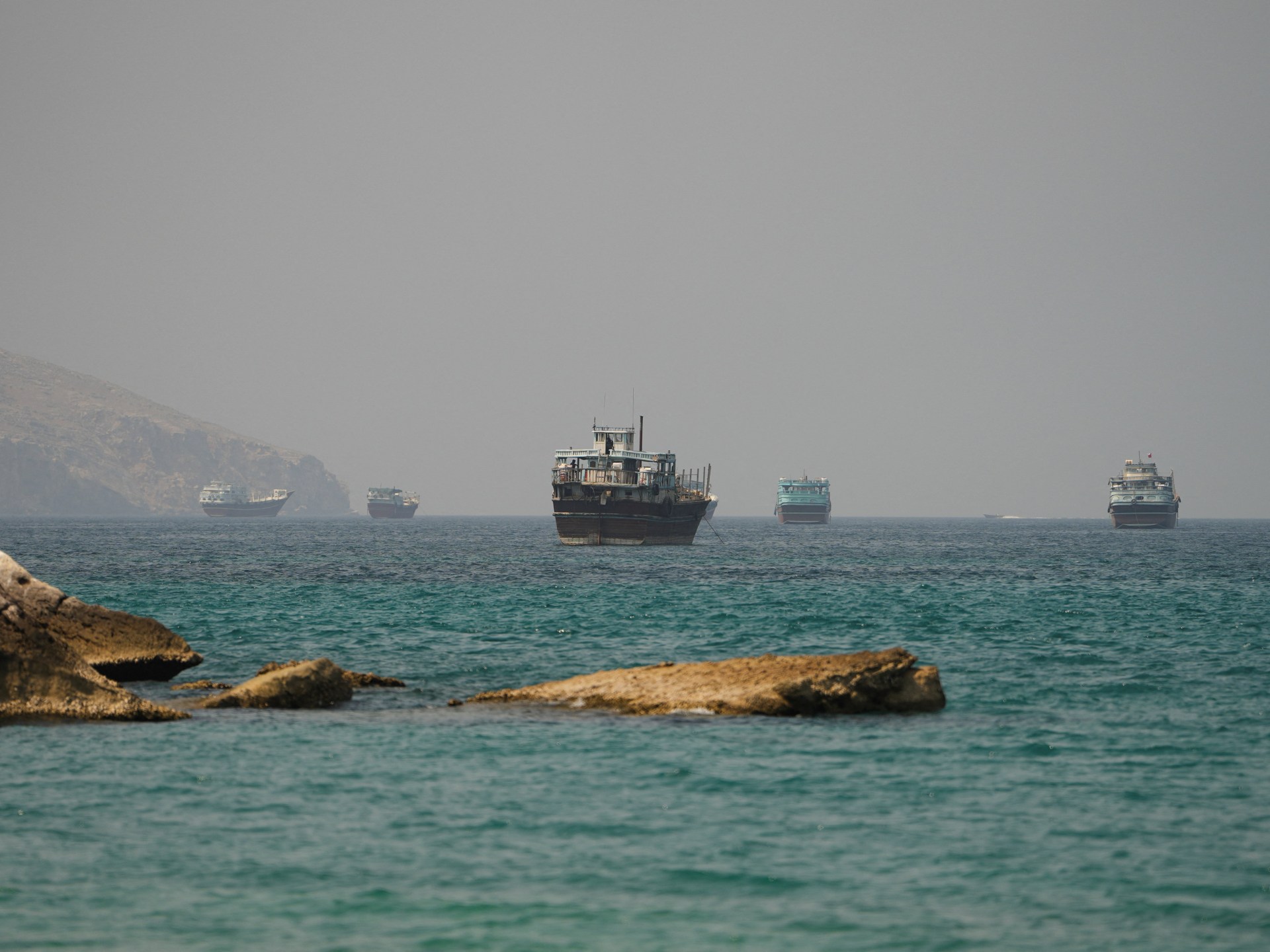
Iran’s top security official Mohsen Rezaei announced that Tehran will declare a restricted maritime zone near the Strait of Hormuz and establish a new shipping route agreed with Oman to be announced “in the coming days.” The move represents Iran’s attempt to reassert control over the strategically vital waterway following months of US naval blockade. Iranian Deputy Foreign Minister Kazem Gharibabadi detailed that the new transit corridor would be temporary, 11.3 kilometers wide, with entry and partial exit through Iranian territorial waters—though key operational details including precise coordinates, vessel restrictions, and fee structures remain unclear.
US-Iran Tanker War Escalates
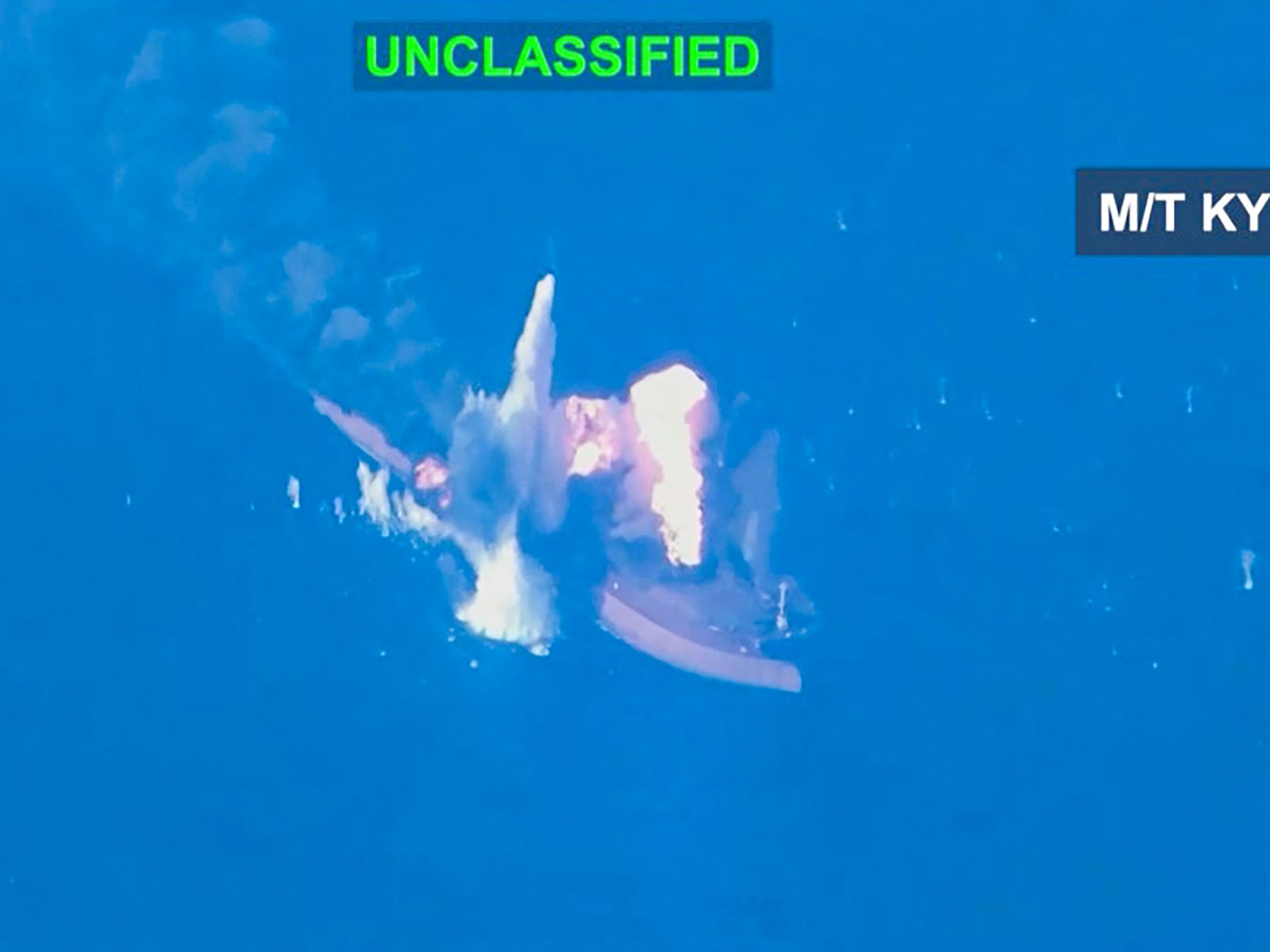
The United States intensified its maritime campaign against Iran by striking three Iranian crude oil tankers on September 6, with US Central Command releasing video showing vessels near Kharg Island, Jask, and in the Gulf of Oman—two permanently disabled and one sunk. In response, Iran’s Islamic Revolutionary Guard Corps fired multiple ballistic missiles at US warships enforcing the blockade, claiming damage to a US aircraft carrier and escort vessel that subsequently fled the area, though US Central Command disputed the claims. Iranian Parliament Speaker Mohammad Bagher Ghalibaf warned of “heavier and more painful” responses if attacks continue, declaring that “the era of proportionate responses has come to an end.” Both sides released conflicting video evidence of the strikes, with the IRGC also claiming it destroyed a US unmanned sea drone attempting to enter Iranian waters.
Strait of Hormuz Traffic Drops to Lowest Levels Since May
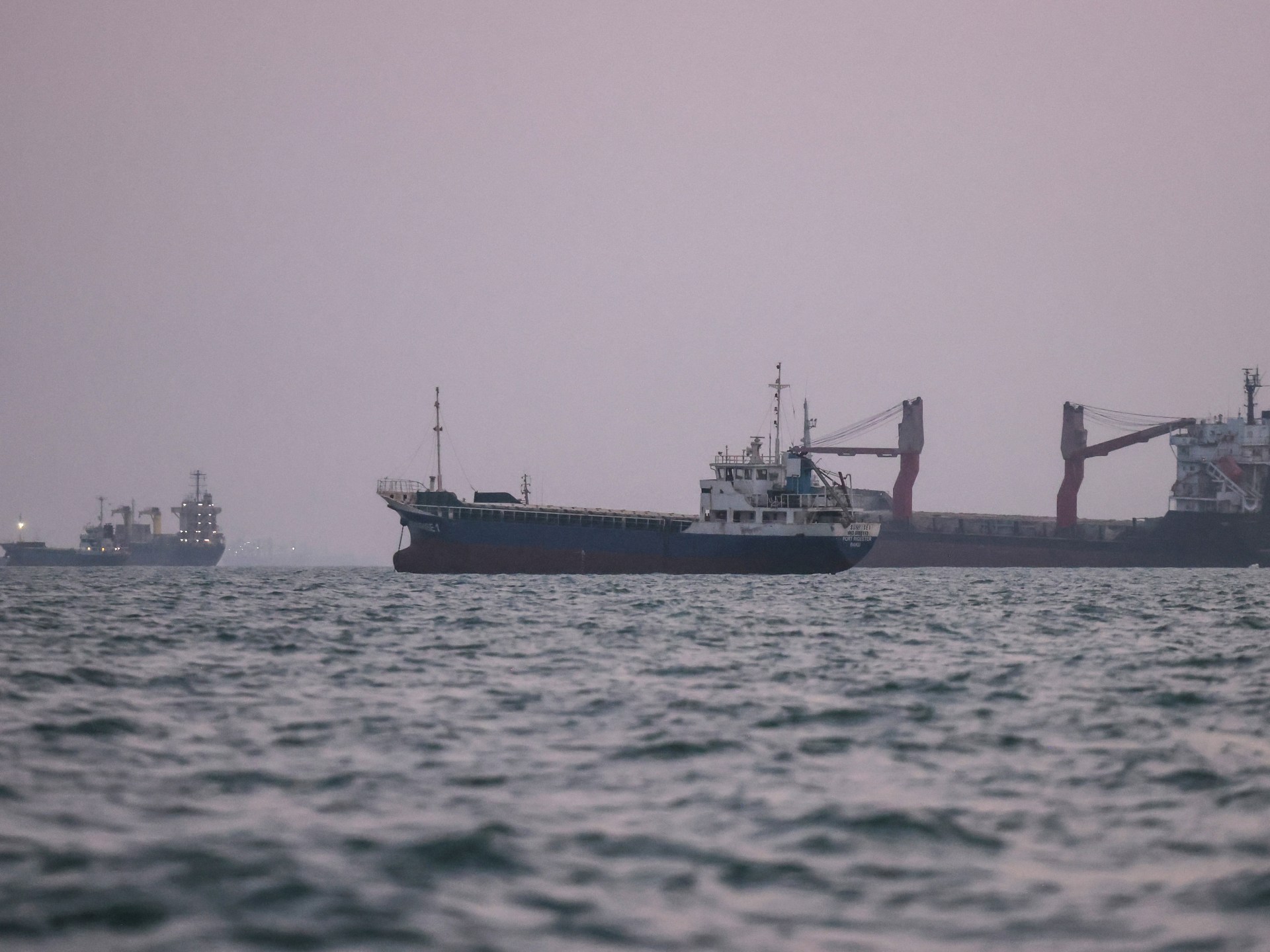
Shipping through the Strait of Hormuz has slowed dramatically to an average of just 10 commodity vessels per day over the past 10 days—the lowest level since May—down from more than 15 vessels on Friday. Only two vessels transited the strait on Saturday and six on Sunday, primarily using Iranian-controlled routes. Shipping data firm Kpler noted that no large crude carriers have exited the waterway since Wednesday, while global crude oil exports from the Middle East during August fell 39 percent from the January-February baseline of 18.5 million barrels per day. Iran’s exports remain effectively at zero under the blockade, though the country has maintained floating storage of up to 90 million barrels sold at discount to China. The UK’s Maritime Trade Operations Agency recorded 27 projectile attack incidents damaging vessels since July 6.
Iraq Faces Fuel Crisis as Imports Blocked
Iraq is experiencing an acute fuel shortage as its inability to pass refined petroleum through the blockaded Strait of Hormuz compounds structural refining deficits. The country, OPEC’s second-largest oil producer, has domestic refineries that cannot meet national demand and relies heavily on imports—now impossible to access. The crisis is raising concerns among businesses and consumers as fuel scarcity spreads across Baghdad and other major cities. Iran’s Economic War Headquarters, established by the Ministry to counter US sanctions pressure, also reflects the broader regional energy disruption triggered by the maritime blockade.
Israel Maintains Gaza Displacement Plans Amid International Condemnation

Israel continues to pursue plans to remove Palestinians from Gaza despite international pushback, with Defense Minister Israel Katz reaffirming that forced ethnic cleansing remains the “only solution” and that President Trump has not cancelled but merely “frozen” depopulation plans. National Security Minister Itamar Ben-Gvir has outlined removing Gaza’s 2 million Palestinians within seven years. Yemen’s government joined the UAE, Saudi Arabia, Qatar, Jordan, Indonesia, Pakistan, Turkey, and Egypt in condemning the plan as a “blatant violation of international law.” Meanwhile, Israeli drone strikes continued on southern Lebanon with at least two people killed in Kfar Reman, violating the US-brokered ceasefire. The WHO estimates more than 5,000 traumatic limb amputations have occurred in Gaza since October 2023, making the territory home to the world’s highest rate of child amputees per capita.
Compiled from the configured RSS feed.