
Iran Conflict — 2026-09-05 (AM)
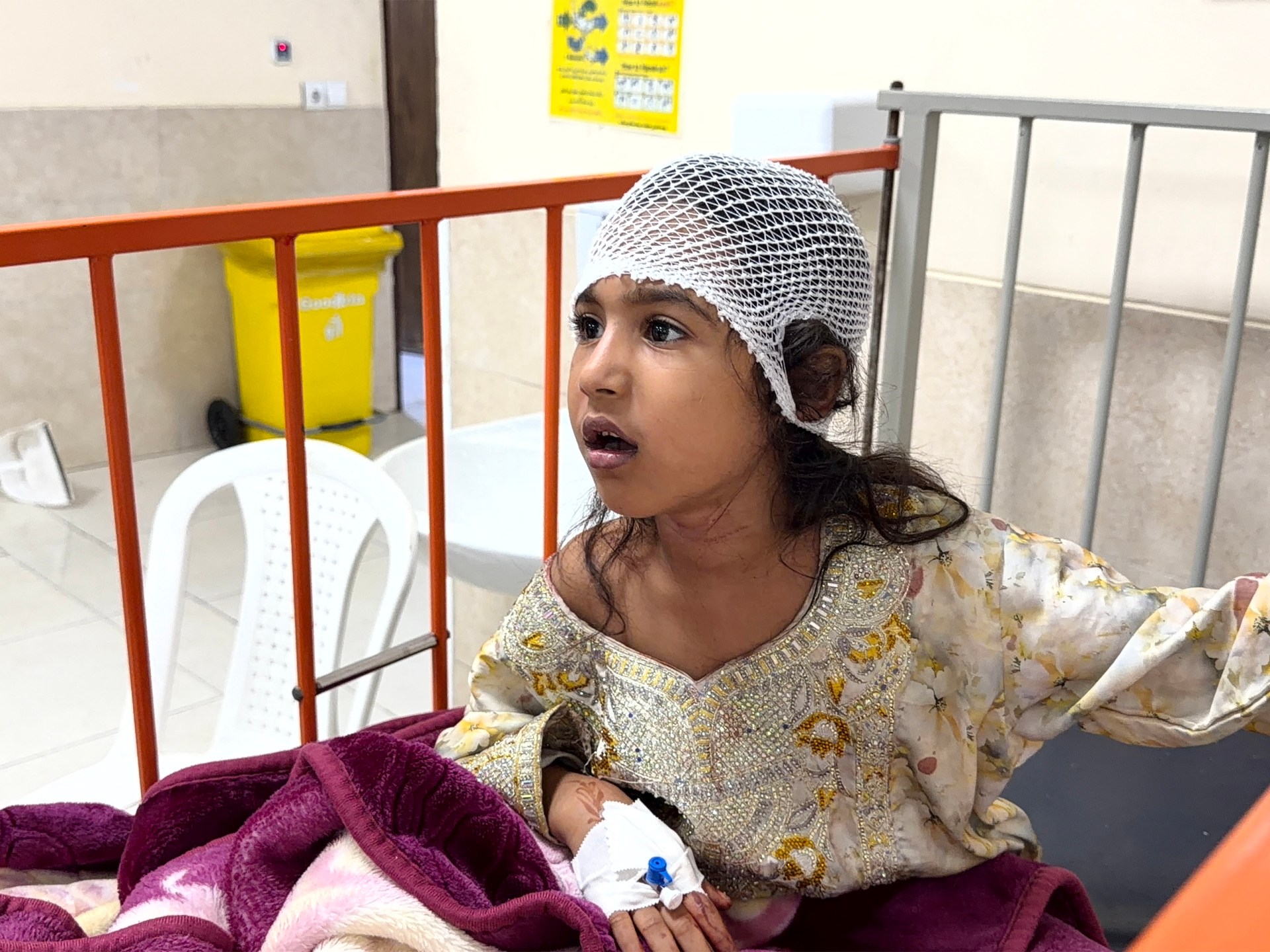
Amid ongoing military operations across the Middle East, President Trump has renewed threats to strike Iran’s Pickaxe Mountain while simultaneously downplaying the seven-month conflict as “small potatoes.” Meanwhile, Israeli forces continue intensive operations in Lebanon and Gaza, and Houthi rebels have launched a major offensive in Yemen seeking to recapture strategic Red Sea territories.
Trump Renews Pickaxe Mountain Threat
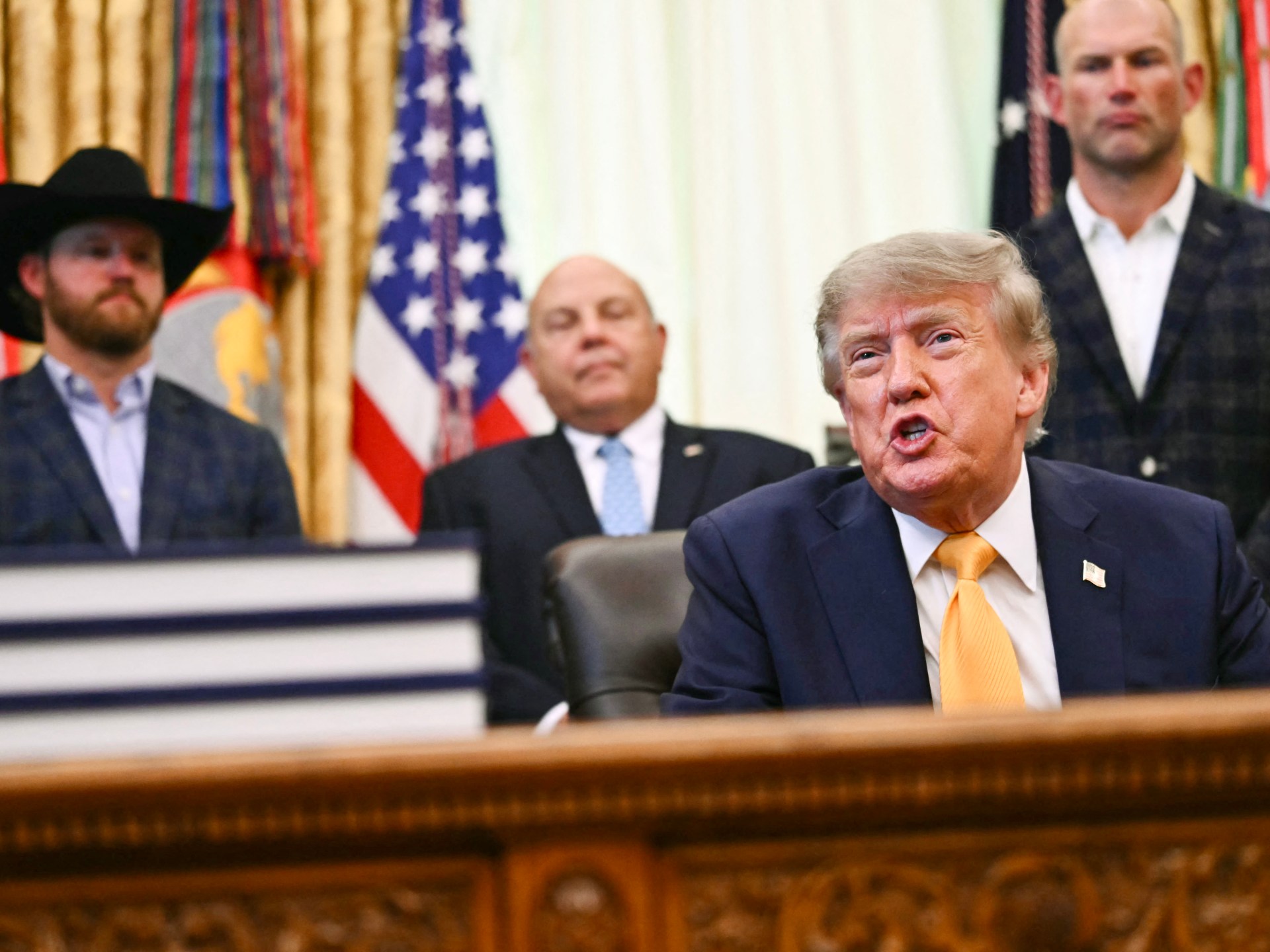
US President Donald Trump has again threatened to attack Iran’s Pickaxe Mountain “very soon,” repeating a warning he first issued in mid-July. Pickaxe Mountain, known locally as Kuh-e Kolang Gaz La, is located near Iran’s Natanz uranium enrichment facility and hosts deeply buried tunnel complexes constructed beneath hundreds of meters of solid granite rock. Western intelligence agencies suspect the site houses an undeclared uranium enrichment plant, though Iran claims it is strictly a centrifuge manufacturing facility. Weapons specialists have evaluated that the tunnels were built at depths that would render them resistant to even the most potent US bunker-buster munitions. The Pentagon has also faced scrutiny, with reports indicating that roughly 50 members of the US military’s Joint Staff have been subjected to polygraph tests over leaks to journalists regarding Iran war munitions shortages.
Trump Downplays War as ‘Small Potatoes’
As the seven-month conflict enters a critical phase with no clear end in sight, President Trump has become the latest US official to minimize the war’s significance, calling it “small potatoes” and comparing it to other military campaigns. Trump stated the conflict is “not a big thing,” noting that the US lost 18 service members in the Iran war compared to zero in the recent Venezuela operation. His remarks echoed Vice President JD Vance’s earlier comments suggesting the conflict had cooled despite ongoing exchanges of fire, with Vance arguing that major combat operations lasted only six weeks. Legal scholars have questioned whether Trump has the constitutional authority to wage war without congressional approval, and both chambers of Congress passed a war powers resolution in June calling on Trump to either halt strikes or seek congressional authorization. The conflict remains widely unpopular, with a recent Reuters-Ipsos poll finding that nearly six in ten US adults disapprove of the military strikes. The war has already claimed 18 American lives, spiked global energy prices, and driven fuel costs in the US to $4.15 per gallon—nearly a dollar higher than last year.
Israeli Strikes Intensify in Southern Lebanon

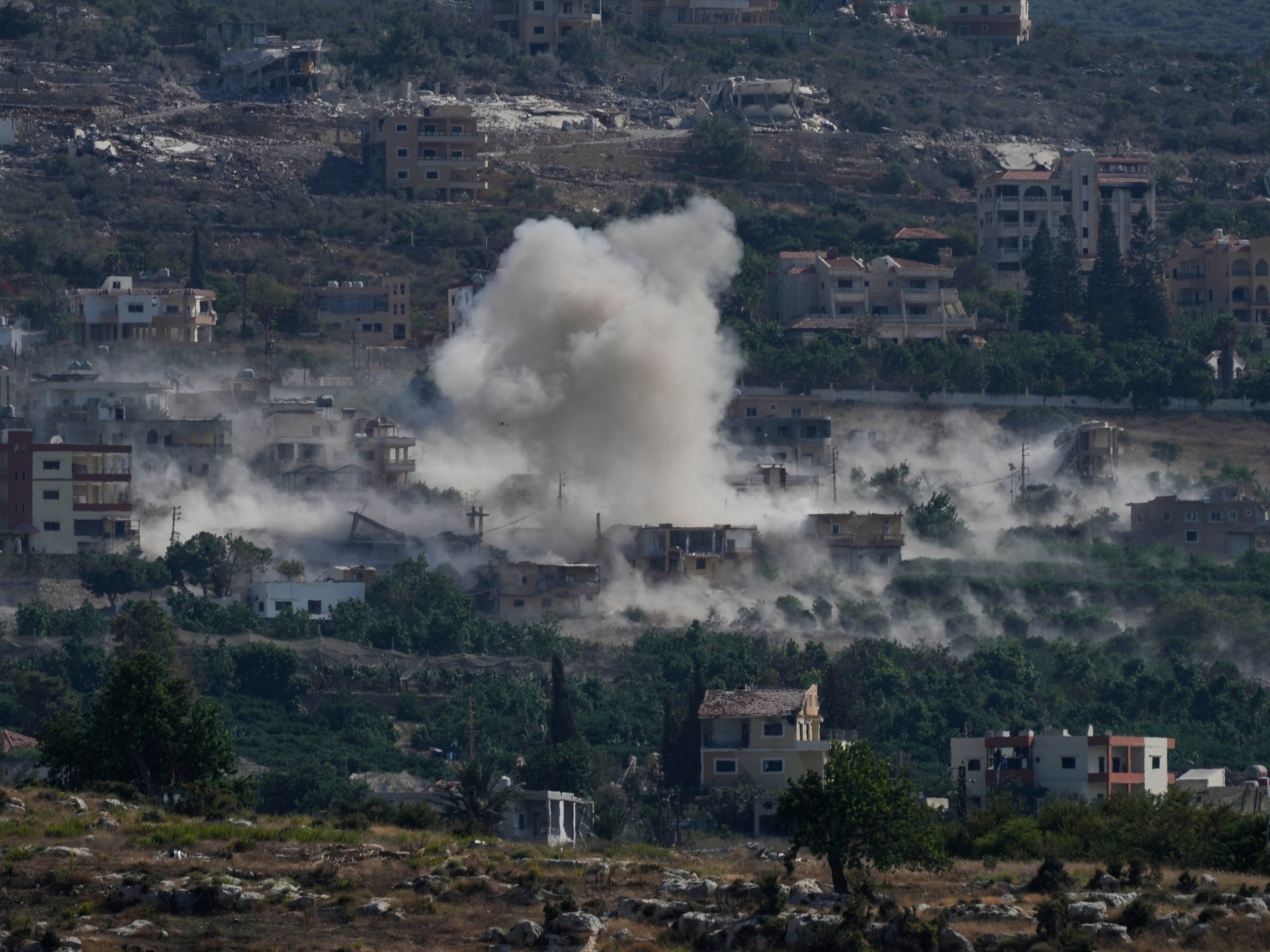
Israeli air strikes have killed two people in the Lebanese town of Kfar Reman, with attacks continuing across southern Lebanon despite multiple truce agreements. An Israeli strike targeting a motorcycle hit the town in Nabatieh near the strategic Ali al-Taher ridge, which the Israeli military claims to have captured, though Hezbollah has not confirmed the loss. Israeli Defence Minister Israel Katz claimed the military had cleared Hezbollah fighters from tunnels beneath the ridge. Additional raids and artillery shelling targeted seven towns in the Tyre and Nabatieh districts, and Israeli forces intercepted a Hezbollah drone beyond the “Yellow Line,” a security zone Israel has claimed. Since March 2, when Israel launched its latest escalation against Hezbollah, Israeli attacks have killed more than 4,000 people and injured at least 12,000 others, forcing over one million people from their homes. The attacks continue despite two ceasefire agreements—one on June 4 and another on June 26—both mediated by the Trump administration.
Houthis Launch Major Yemen Offensive

Yemen’s Houthi rebels have launched a broad offensive aimed at recapturing strategic Red Sea territories, with over 100 fighters killed on both sides in two days of intense clashes. Yemeni government forces claim to have recaptured al-Khazan and al-Makahna hills in Jabal Habashi district west of Taiz city, though the Houthis have captured territories in western Taiz including a strategic military base. Military sources report 24 government troops killed near the west coast and 15 others in Taiz clashes, while medical sources in Houthi-controlled areas report at least 42 rebel fighters dead. Over 120 people have been killed in Yemen since the Houthis launched their advance on Thursday. The rebel group’s strategy appears focused on controlling hills overlooking Bab al-Mandeb and al-Makha before attacking the coast—aiming to regain the port city of al-Makha, which overlooks the Bab al-Mandeb Strait connecting the Red Sea to the Gulf of Aden. The Houthis, who declared a naval blockade against Saudi Arabia in July, seek to use the strait for “military strategic calculation” that could prove significant in future conflicts.
US Sanctions Turkish Financial Entities
The Trump administration has announced new sanctions targeting three Turkish financial entities accused of enabling Iran to circumvent international restrictions. US Ambassador to Ankara Tom Barrack emphasized that the sanctions target one institution’s conduct, not Turkey as a nation or the Turkish banking system overall, noting that “the health of the Turkish financial system is not in question.” The sanctions are part of Washington’s “maximum-pressure campaign” against Iran, designed to close channels through which Tehran launders proceeds from its activities. Barrack reiterated that “the relationship between the United States and the Republic of Turkiye is far larger than any one institution,” signaling that the sanctions reflect tactical financial pressure rather than broader diplomatic rupture between the two NATO allies.
Compiled from the configured RSS feed.