
Iran Conflict — 2026-09-04 (PM)

The regional conflict enters a critical phase as multiple theaters intensify simultaneously: Yemen’s Houthi forces push strategically toward the Red Sea strait with mounting casualties, Israeli military operations expand into Lebanon’s territory, and U.S. officials signal a dismissive stance toward Iranian retaliation. The convergence of these developments, coupled with rising energy prices, underscores the geopolitical fragmentation reshaping the Middle East.
Yemen’s Houthis Surge Toward Red Sea Strait Amid Escalating Casualties

Yemen’s Houthi forces are pushing toward the critical Red Sea strait, a vital global shipping lane, in intensified ground operations that have killed at least 100 combatants and civilians in recent clashes. The militant group’s southward advance represents a strategic shift, moving away from primarily long-range drone and missile attacks to concentrate territorial control. This escalation threatens one of the world’s most important maritime chokepoints and signals the Houthis’ capacity to project sustained military power beyond their northern strongholds. The group, backed by Iran, has long threatened Red Sea shipping but is now demonstrating ability to hold and expand ground positions.
U.S. Vice President Dismisses Iranian Retaliation as Regional Escalation Continues
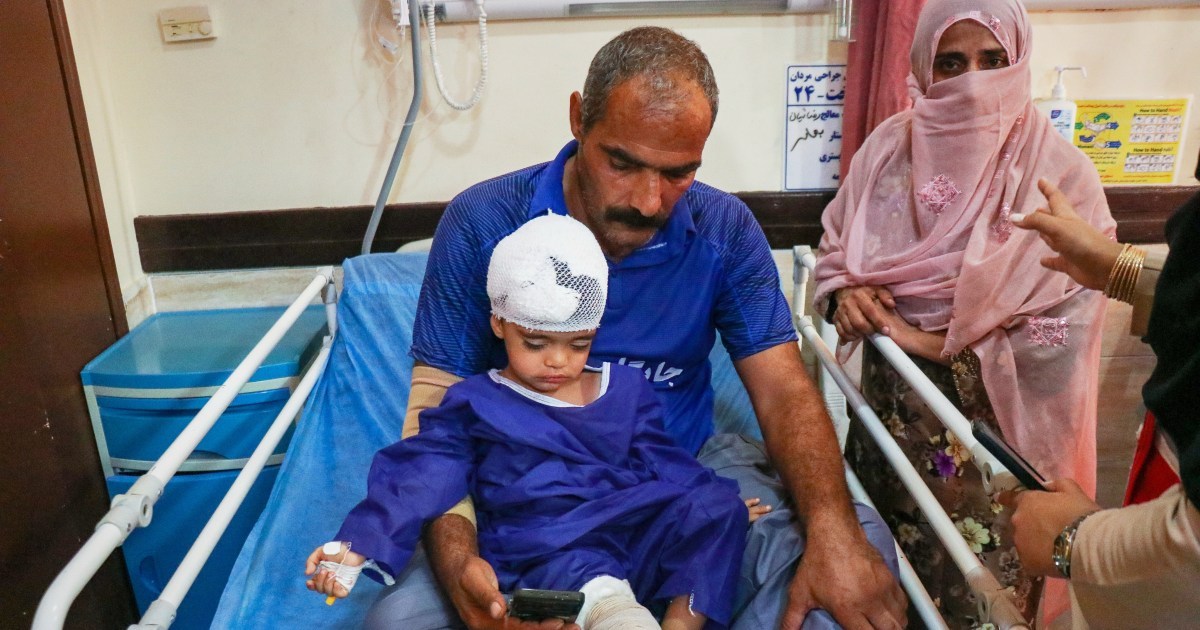
Vice President Vance has downplayed the risk of Iranian retaliation for a controversial U.S. strike on an Iranian wedding that drew international criticism, stating the incident reflects broader U.S. policy patterns in the region. His dismissive stance—characterizing potential Iranian response as routine geopolitical activity—signals a more hawkish U.S. posture and may encourage further escalation if Tehran views American indifference as a green light. The comment comes as Iranian officials weigh their next move, with analysts divided on whether Tehran will pursue direct retaliation or indirect pressure through its proxy forces in Yemen, Iraq, and Syria.
Israel Solidifies Military Control Over Southern Lebanon

Israeli forces have consolidated control over strategic ridges in southern Lebanon, marking a significant expansion of direct military occupation into Lebanese territory. The operation signals Israel’s intent to create and maintain a security buffer zone, potentially cementing a longer-term military presence than previously suggested. This move, combined with Israeli security cabinet statements, suggests planning for an extended occupation or permanent territorial adjustments in Lebanon. Lebanese residents are meanwhile defying Israeli warnings and returning to their devastated villages in the south, risking continued military operations to reclaim their homes.
Israel Integrates AI and Mass Expulsion into Gaza Strategy
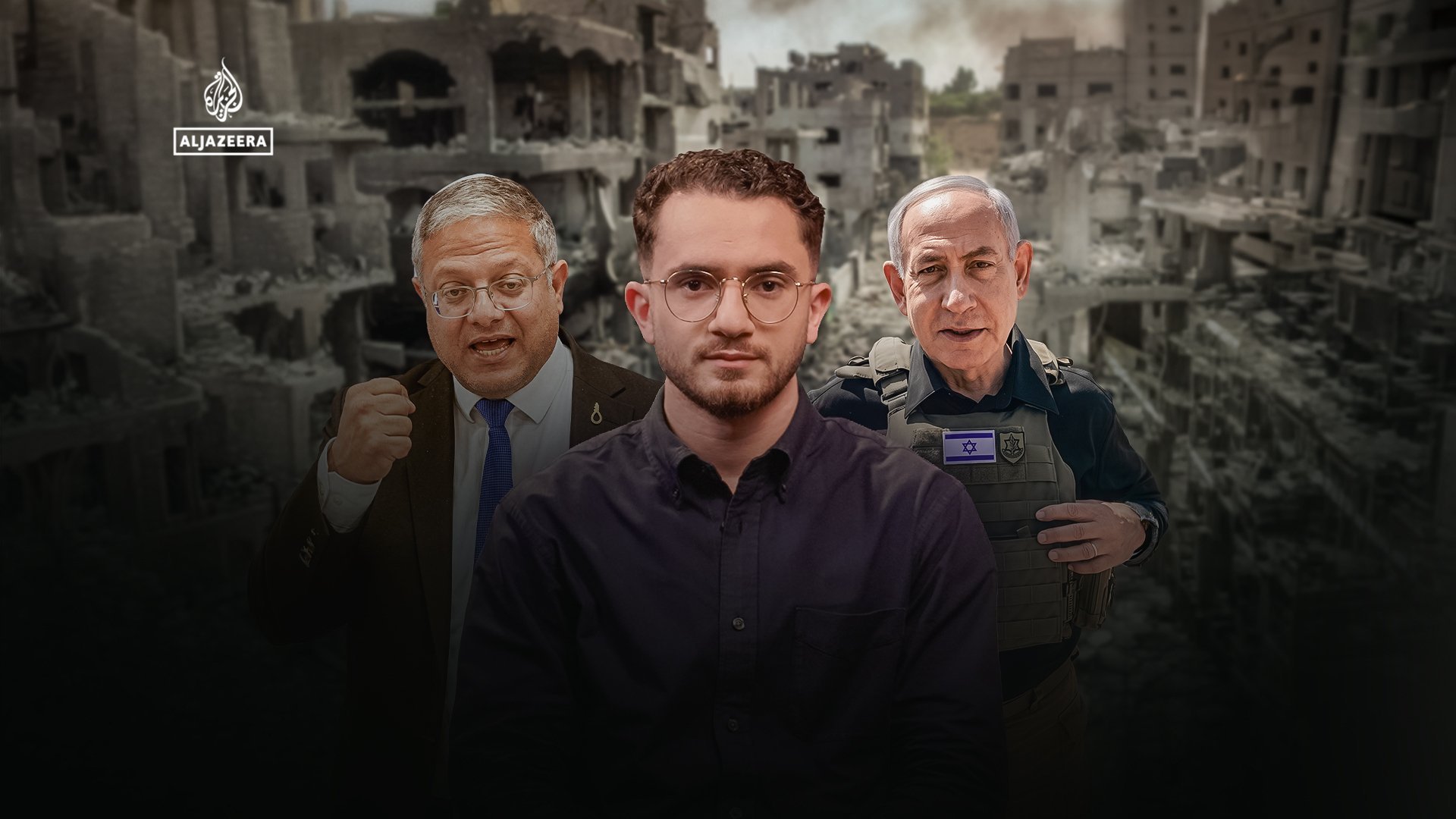
Israeli military planning increasingly relies on artificial intelligence targeting systems while the security establishment advances proposals for large-scale Palestinian expulsion from Gaza. The integration of AI-driven warfare capabilities with expulsion rhetoric marks an escalation in the scale and technological sophistication of military operations. Officials describe these measures as central to long-term Israeli strategy in Gaza, suggesting any future ceasefire would likely include conditions for mass relocation. The strategy represents a shift from temporary military operations to permanent demographic engineering, with AI systems designed to optimize targeting while expulsion planning proceeds in parallel.
Middle East Conflicts Drive Energy Prices to Record Levels
Regional conflicts centered on Iran and its allies have pushed diesel prices to record highs, disrupting global energy markets. Both the Ukraine and Iran conflicts have knocked significant refinery capacity offline, tightening global supplies. Higher energy costs ripple through transportation, agriculture, and manufacturing sectors worldwide, amplifying economic pressure particularly on developing nations. The price surge reflects market concerns about potential future escalation and supply disruption, with traders pricing in risk premiums for further instability.
Iran War Looms Over U.S. Midterm Election Strategy
The Iran conflict and broader Middle East escalation have emerged as unexpected pivot points in U.S. midterm election strategy. Candidates across both parties are positioning themselves on Iran policy, with debates over containment, direct military action, and diplomatic engagement shaping campaign messaging. Polling indicates voters view Iran policy as increasingly important amid perceived U.S. credibility questions, potentially influencing races in swing states where foreign policy carries unusual weight.
Compiled from the configured RSS feed. Published 2026-09-04 18:32 UTC.