
Iran Conflict — 2026-09-03 (PM)

Iran’s missile strikes on Kuwait have escalated military tensions to their highest point in months, marking the first direct U.S.-Iran military exchange since July. Global oil markets reacted sharply, with Brent crude surging above $96 per barrel and rising 7% over the week as traders price in renewed Middle East instability and the risk of further escalation in the strategic Strait of Hormuz.
Iran Fires Missiles at Kuwait, Oil Markets Surge
Iran’s firing of missiles at Kuwait marks a significant military escalation in the ongoing regional conflict. The strikes prompted immediate reactions from global oil markets, with Brent crude rising above $96 per barrel as traders assess disruption risks to Middle East energy supplies. The U.S. and Iran have now traded military strikes for the first time since July, indicating a period of renewed direct confrontation between the two powers.
Asian Energy Storage Plans Accelerate Amid Strait of Hormuz Concern
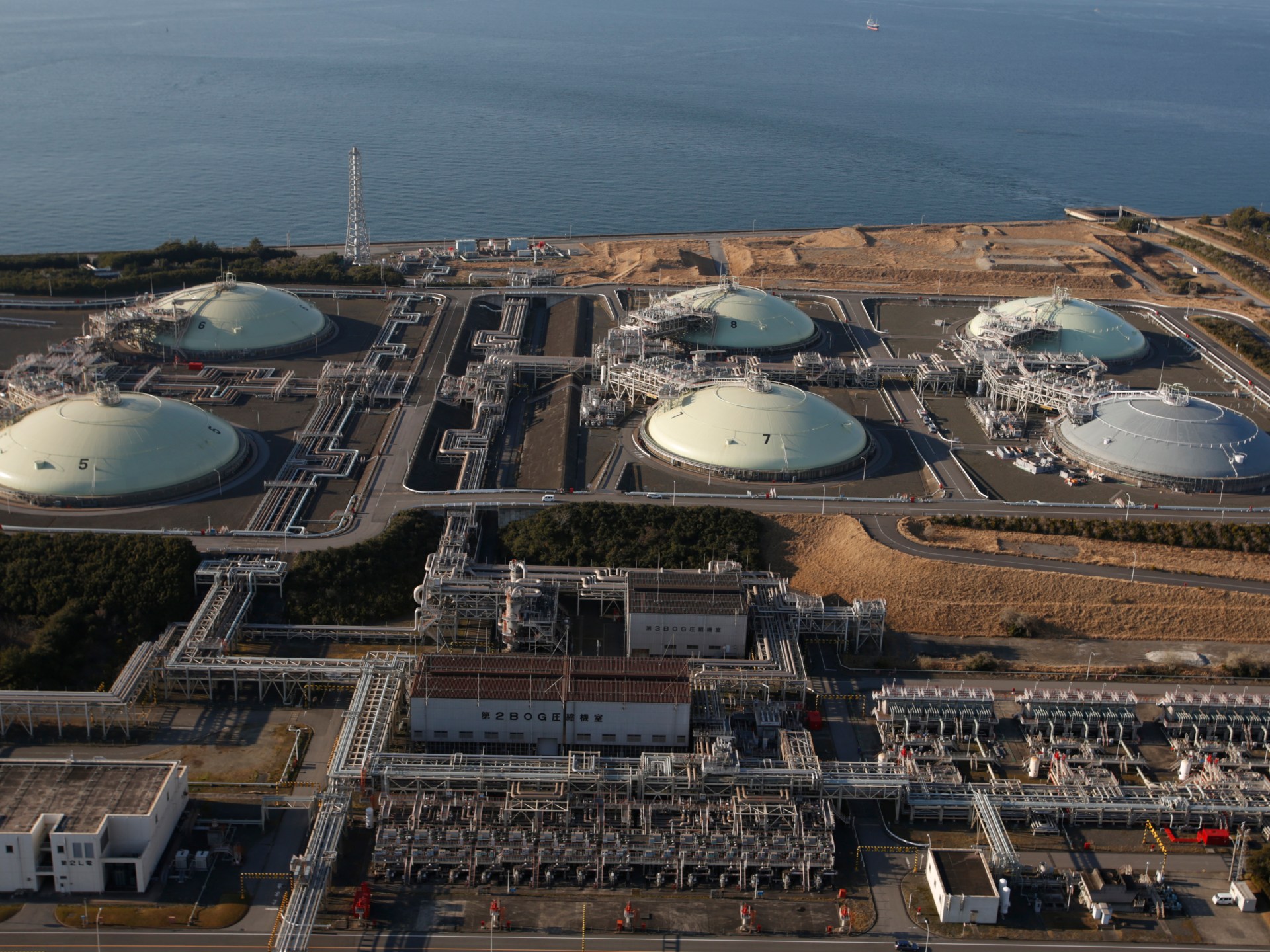
Asian economies are rapidly expanding oil and natural gas storage capacity to reduce dependency on shipments through the Strait of Hormuz, where roughly 20% of the world’s oil transits daily. The Strait crisis—driven by renewed Iran-related tensions—is accelerating regional energy security investments as countries seek to buffer themselves against potential supply disruptions. Japan, South Korea, and Southeast Asian nations are leading these efforts, viewing local storage as critical infrastructure against geopolitical volatility.
Compiled from the configured RSS feed.