
Iran Conflict — 2026-09-02 (AM)
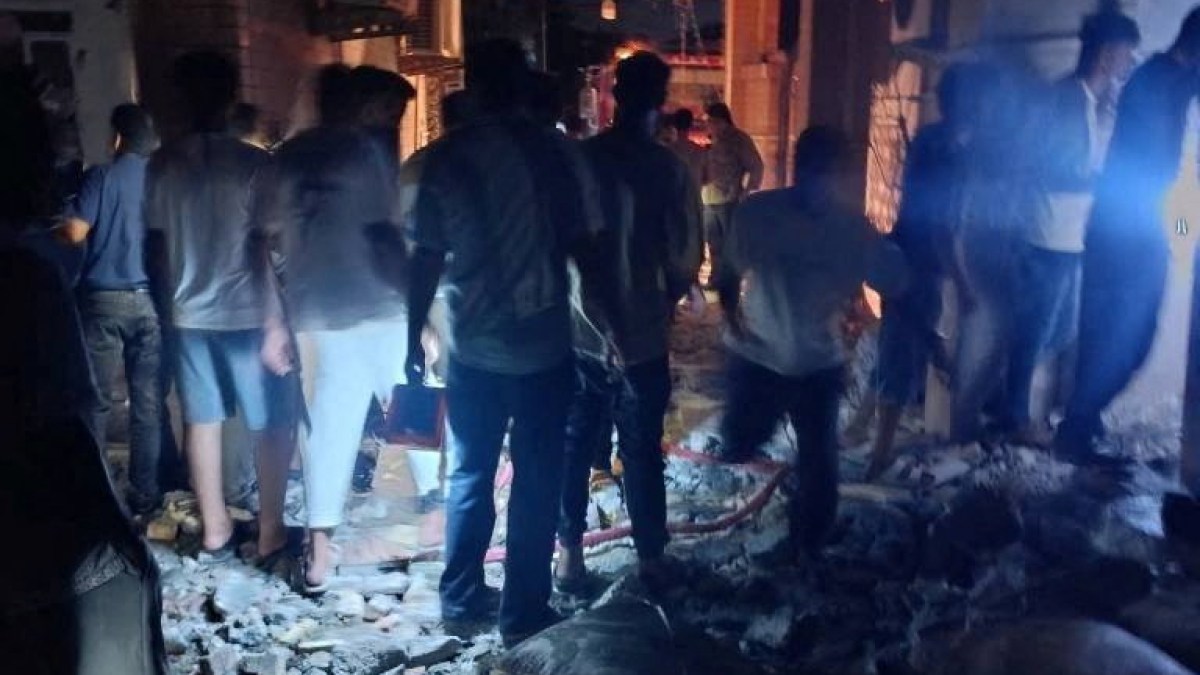
The US military delivered a fresh barrage of strikes against Iranian Revolutionary Guard Corps installations across the country, intensifying the conflict’s air war phase. Iran reported civilian casualties, claiming US strikes hit a wedding party in Sirik, killing five and wounding 63. Oil markets responded sharply, with Brent crude rising over 2% amid the tit-for-tat escalation. The exchange underscores the fragile military equilibrium—neither side forced to negotiate, both raising costs of the prolonged stalemate.
US Intensifies Air Campaign on Iranian Military Targets
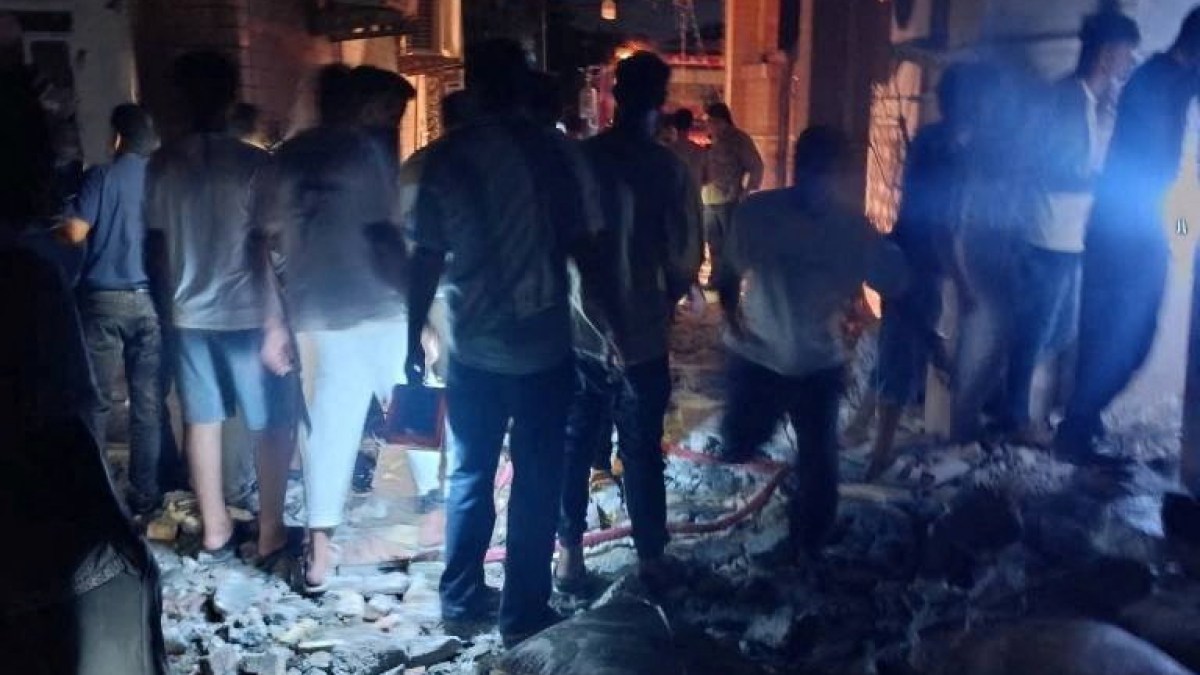
The US Air Force conducted multiple strikes against Islamic Revolutionary Guard Corps (IRGC) facilities across Iran, expanding the scope of military operations against Iranian military infrastructure. Iran’s defense ministry announced the strikes targeted multiple IRGC sites, and civilian sources reported the strikes included an attack on a wedding celebration in Sirik, a coastal city in Hormozgan Province. The reported civilian toll—5 confirmed dead, 63 wounded including women and children in Kuhestak—marks another escalation in civilian harm allegations, adding to the conflict’s humanitarian toll.
Oil Markets Absorb Escalation as Brent Crude Surges

Brent crude rose more than 2% following the latest round of US-Iran strikes, reflecting trader expectations of sustained energy market premiums as long as the conflict continues. The oil market’s muted reaction—a single-digit percentage move rather than the panic spikes seen in earlier conflict phases—suggests markets have priced in a prolonged war of attrition. Energy traders are resigned to ongoing supply-side uncertainty from the Strait of Hormuz, with no near-term resolution expected despite tactical diplomatic overtures from third parties.
IAEA Demands Access to Iranian Nuclear Facilities
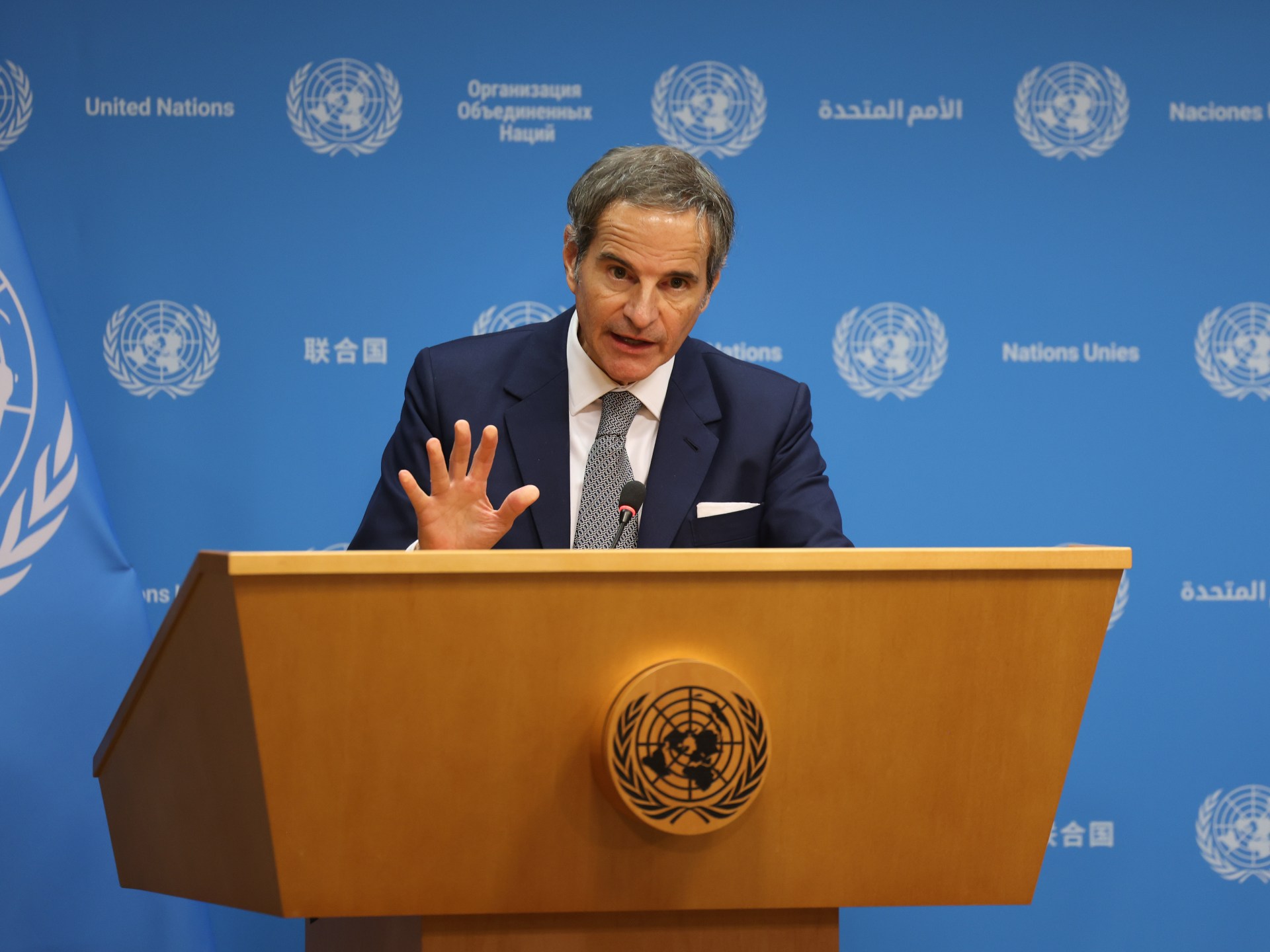
The International Atomic Energy Agency (IAEA) formally called for immediate access to Iranian nuclear sites to verify Tehran’s nuclear material stocks and activities, citing mounting proliferation concerns. The UN nuclear watchdog stated that lack of information and restricted site access create an accountability gap during a period of military escalation. The IAEA’s formal demand reflects concern that wartime conditions and potential damage to nuclear facilities could mask proliferation activities or create unintended nuclear hazards.
Russia Pledges Expanded Support for Iran Amid Ukraine Conflict
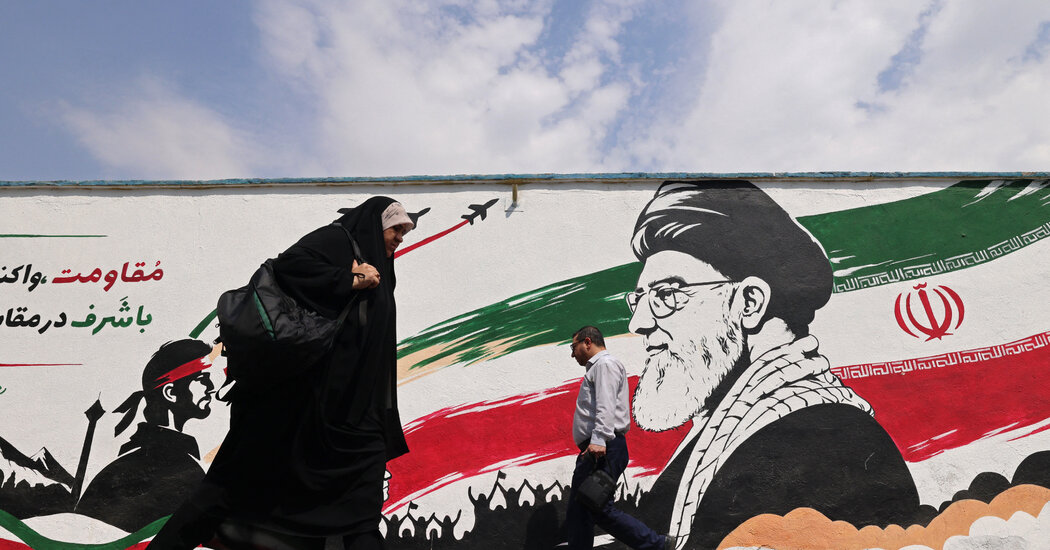
Russian President Vladimir Putin pledged increased military and political support for Iran, framing Tehran’s conflict with the US as aligned with Moscow’s strategic interests against Western influence in the Middle East. Putin’s backing signals deepening Russia-Iran coordination as both states face Western sanctions and military pressure. The Kremlin’s public endorsement reflects a calculated alignment with Iran’s position, positioning Russia as a counterweight to US military operations and a potential guarantor of Tehran’s strategic survival.
In Brief
- Trump Reiterates No Negotiation Pressure: The US administration continues to signal it is not forcing Iran to the negotiating table, maintaining maximum pressure through strikes while publicly denying coercion—a messaging position that undercuts diplomatic off-ramps.
Compiled from unread RSS feeds: Al Jazeera, CNBC, New York Times, UN News.