Iran Conflict — 2026-09-01 (PM)
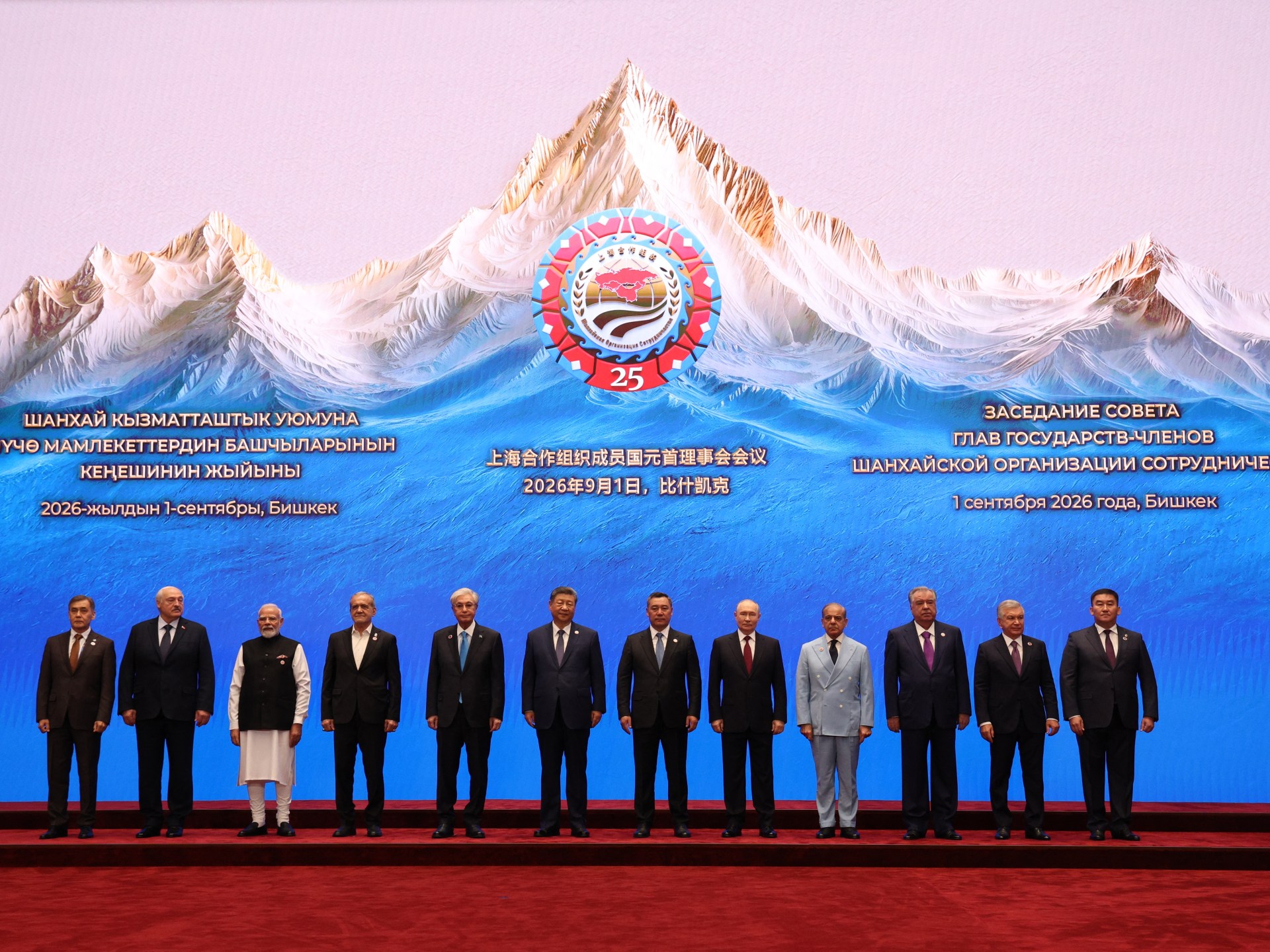
The Shanghai Cooperation Organization backed Iran at a summit in Bishkek as the Trump administration escalated its confrontational posture, signaling a harder line that risks prolonged conflict across the Gulf region. Major powers lined up in opposing camps over Iran policy: the SCO nations voiced opposition to US military operations and sanctions, while Beijing explicitly rejected compliance with American measures. Tehran seized the diplomatic opening to demand Washington honor existing agreements as tensions spiked in the Strait of Hormuz.
SCO Summit Condemns US Attacks and Sanctions on Iran
The Shanghai Cooperation Organization—representing 43 percent of the world’s population and 23 percent of global GDP—made a direct statement against US military actions and sanctions on Iran at its summit in Bishkek. The organization’s strong position reflects growing international sentiment that the American campaign against Iran has destabilized the region and undermined multilateral agreements. The summit highlighted the geopolitical realignment taking place as Eastern powers increasingly coordinate on Iran policy in opposition to Western-led sanctions regimes.
Trump Administration Signals Harder Line on Iran
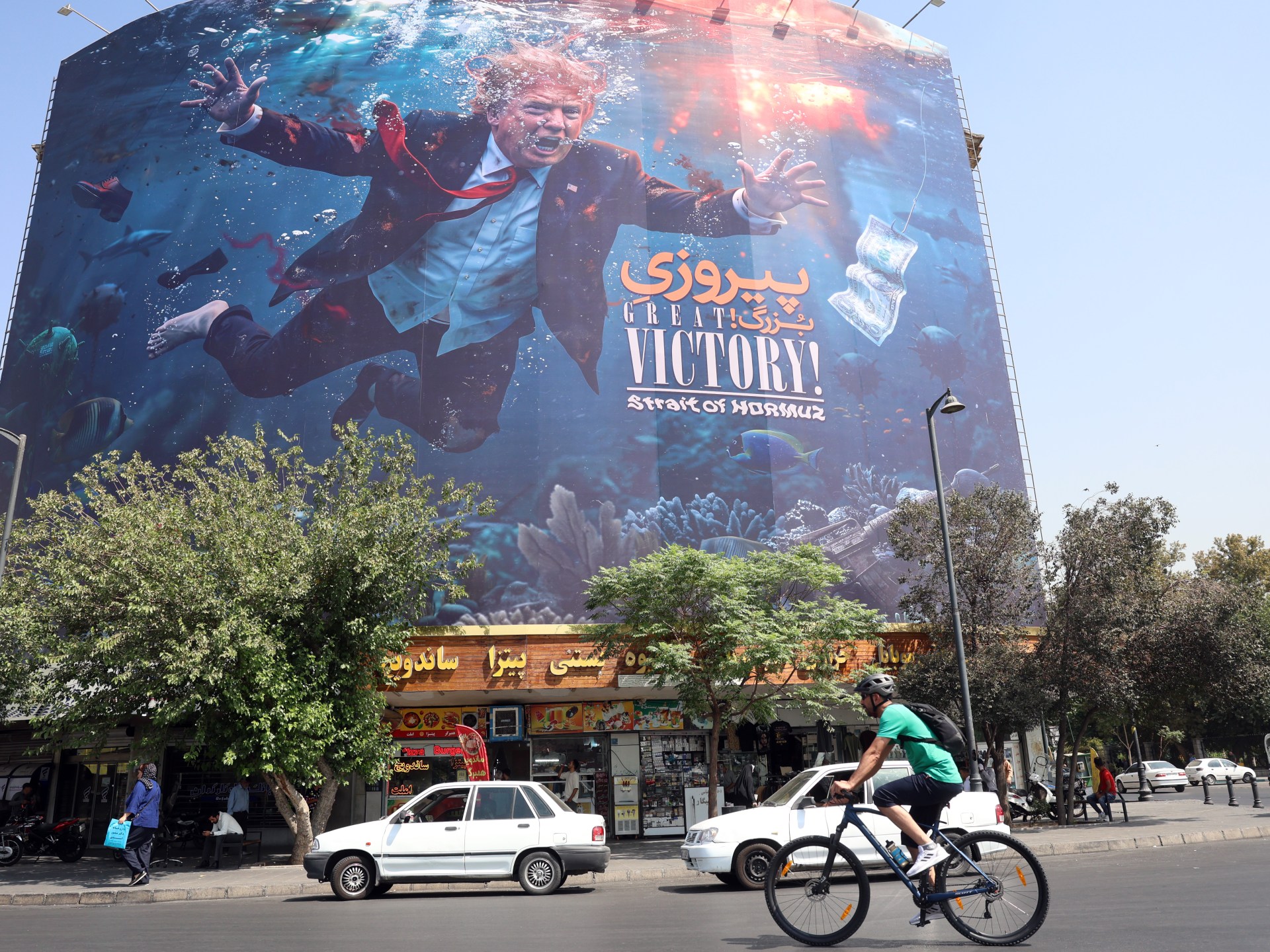
The Trump administration is charting a more aggressive course against Iran as hostilities escalate, publicly signaling a “hit them hard” approach that raises the risk of protracted conflict in the Persian Gulf. The harder-line strategy comes amid mounting tensions and sets the stage for potential military confrontations that Gulf allies and international observers warn could destabilize energy markets and global commerce. The administration’s rhetoric suggests a shift toward maximalist demands rather than negotiated settlements.
China Rejects US Sanctions Compliance
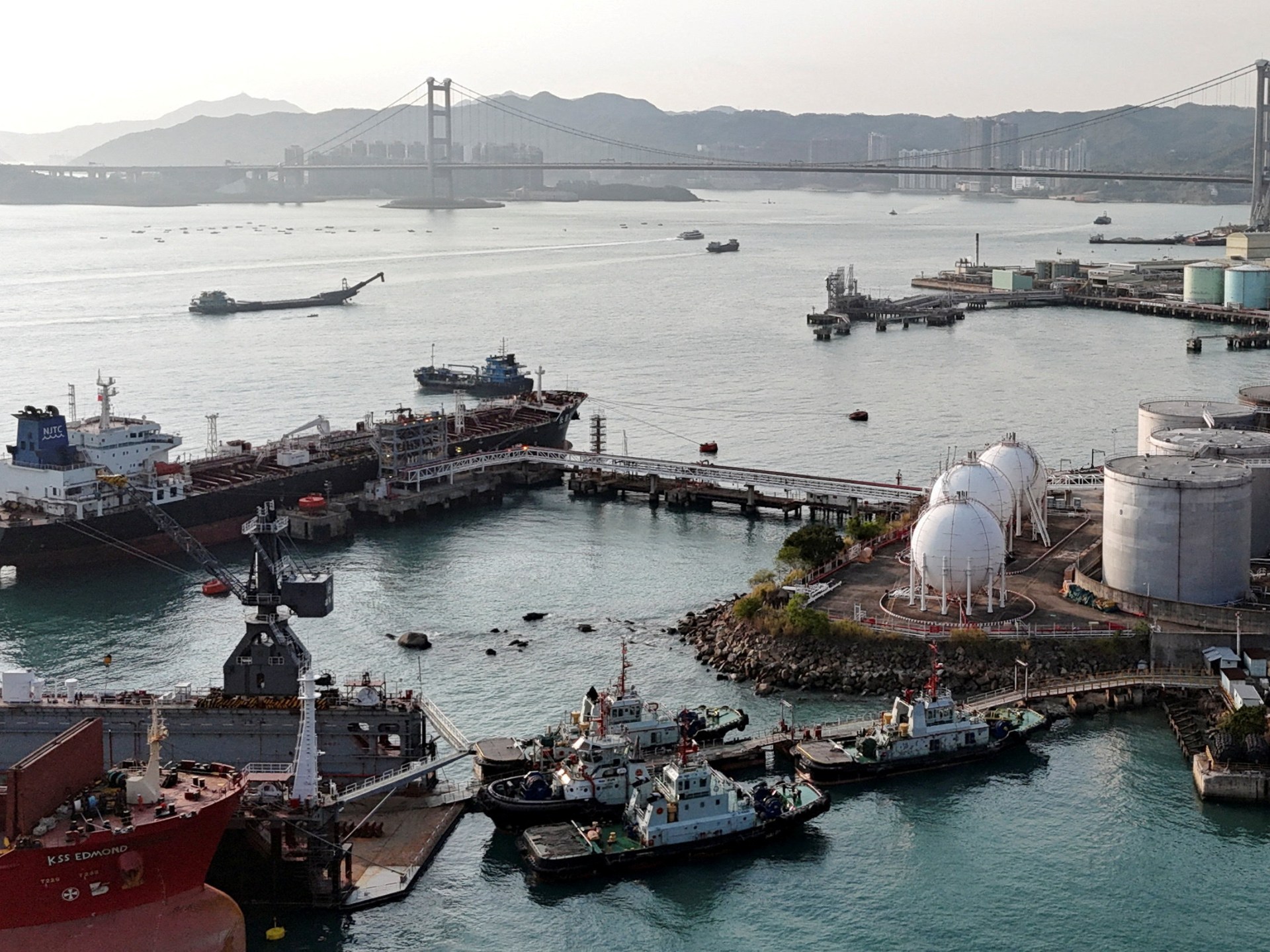
Beijing has made clear it will not comply with American sanctions against Iran, citing both capability and strategic interest. China’s explicit refusal signals that US sanctions architecture lacks the global consensus needed for enforcement and suggests Beijing views strengthening ties with Tehran as advancing its broader geopolitical interests. The Chinese position undermines Washington’s leverage over Tehran and reflects the deepening Sino-American strategic rivalry across the Middle East.
Iran Demands U.S. Honor Diplomatic Commitments
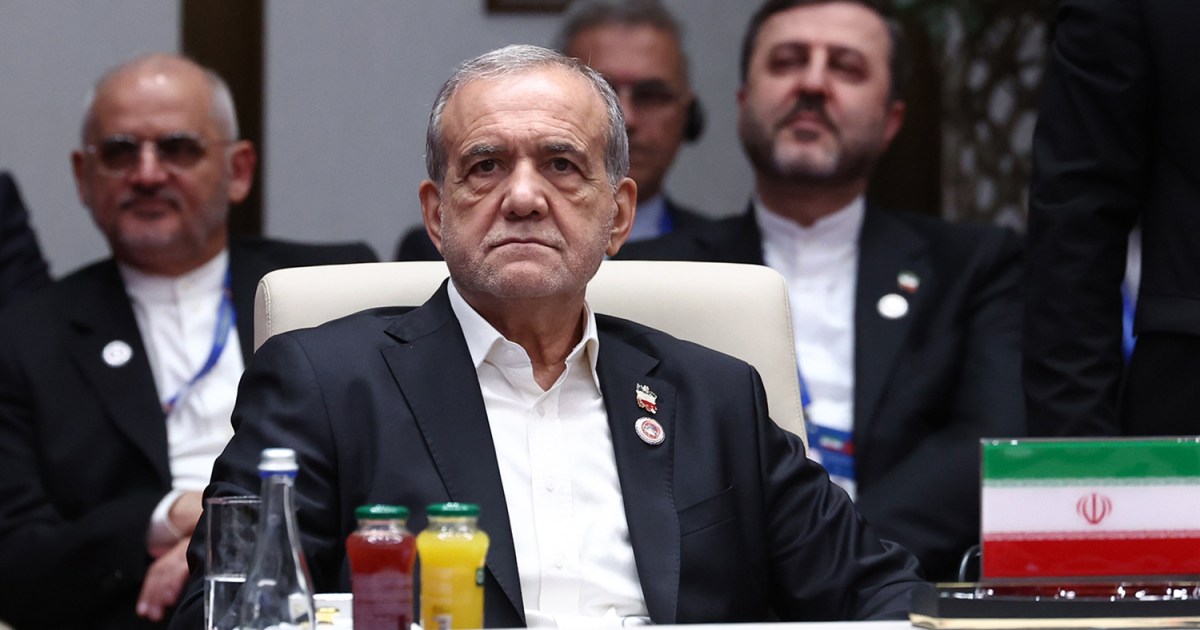
Tehran called on Washington to respect the terms of existing memoranda of understanding after military attacks sent tensions soaring in the Strait of Hormuz. The Iranian demand reflects both diplomatic signaling and the immediate security crisis: attacks in the strategic waterway that handles roughly one-third of global maritime oil trade threaten not just bilateral relations but international economic stability. The Strait remains a flashpoint where tactical incidents could spiral into wider conflict.
Iranians Abroad Divided Over Escalating War
The diaspora remains fractured over the escalating conflict, with Iranians living outside the country holding sharply divergent views on the war and its trajectory. The internal divisions reflect broader societal polarization within Iran itself and complicate diplomatic outreach efforts that might otherwise leverage community channels for de-escalation.
Compiled from configured news feeds.