Iran Conflict — 2026-09-01 (NOON)
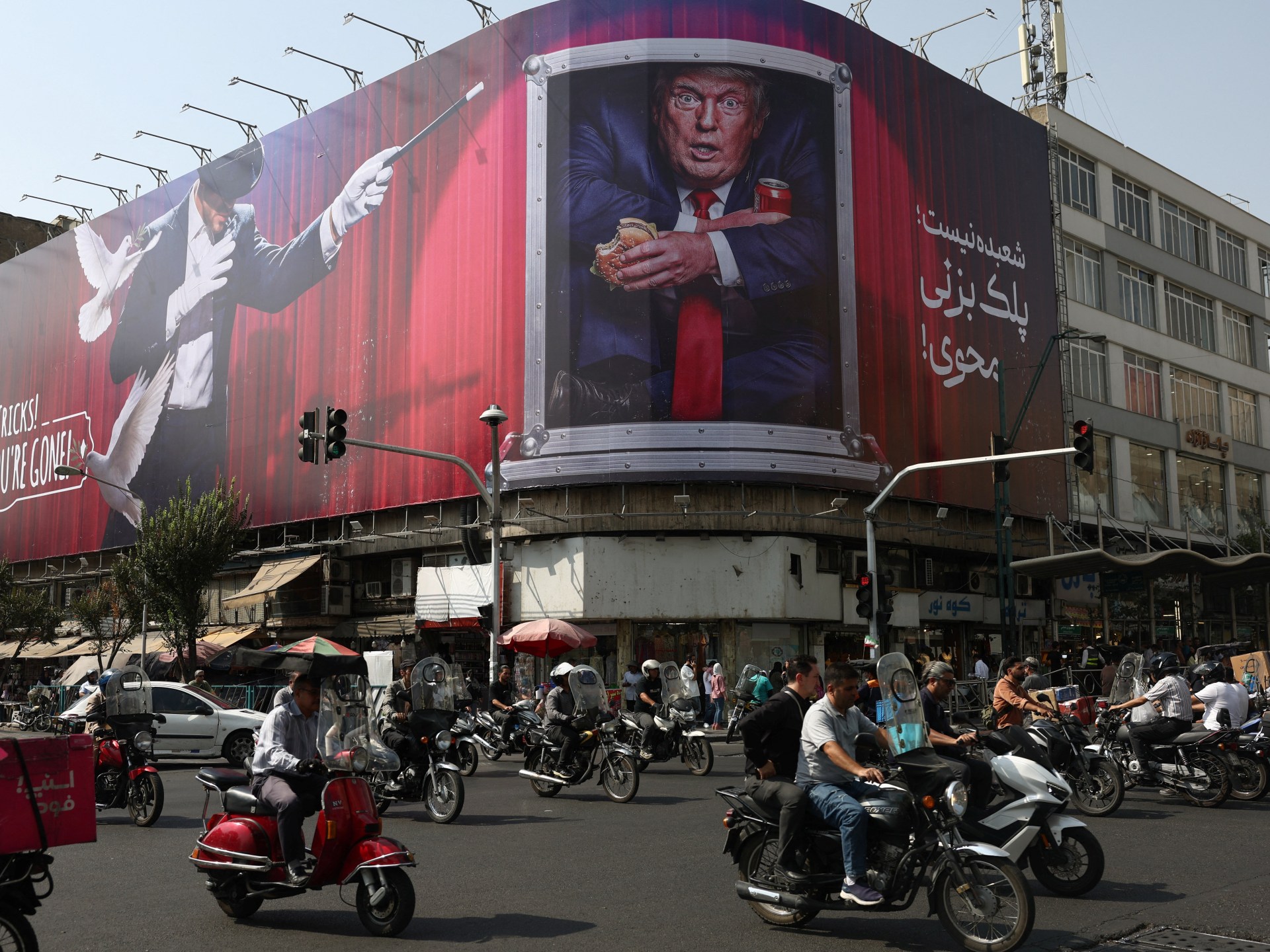
The conflict between the US and Iran has escalated into a high-stakes rhetorical and military showdown. Following a weekend exchange of strikes—with the US bombing Iran’s Larak Island and Tehran launching retaliatory attacks on US positions in Jordan and the UAE—President Trump has declared Iran a failed state and pledged a military response. Vance has signaled US resolve through AI-generated videos depicting attacks on Iranian infrastructure. Oil markets are reacting sharply to the risk of further escalation.
Trump Labels Iran ‘Dead’ and Promises Retaliation
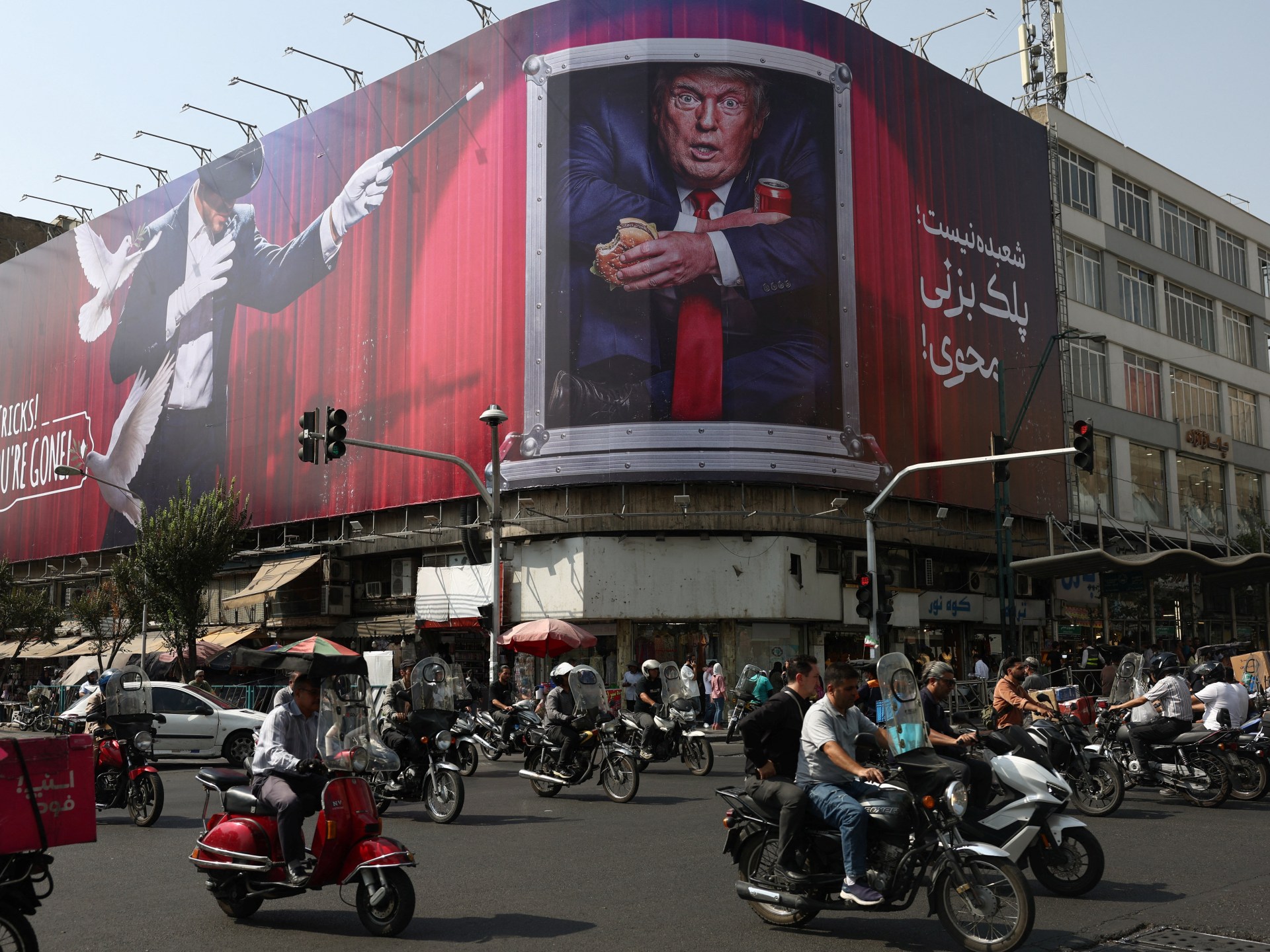
Speaking to reporters at the Oval Office on Monday, President Donald Trump declared Iran “officially a failed nation” and “dead,” claiming the country has lost its military capacity and economic stability. Trump asserted that inflation in Iran has reached 300%, soldiers are unpaid, and the government is “in total disarray.” He called for Iran’s leadership to be prosecuted for what he described as killing over 100,000 demonstrators during protest crackdowns—a figure significantly higher than his earlier claims of 60,000. Trump also claimed Washington is escorting roughly 30 ships per night through the Strait of Hormuz and that the waterway remains in “extremely good shape,” despite Iran’s blockade since the US-Israel war began in February. He promised a military response to Iran’s weekend strikes, saying “We’re going to hit them hard.”
Vance Uses AI-Generated Attack Videos as Messaging Tool
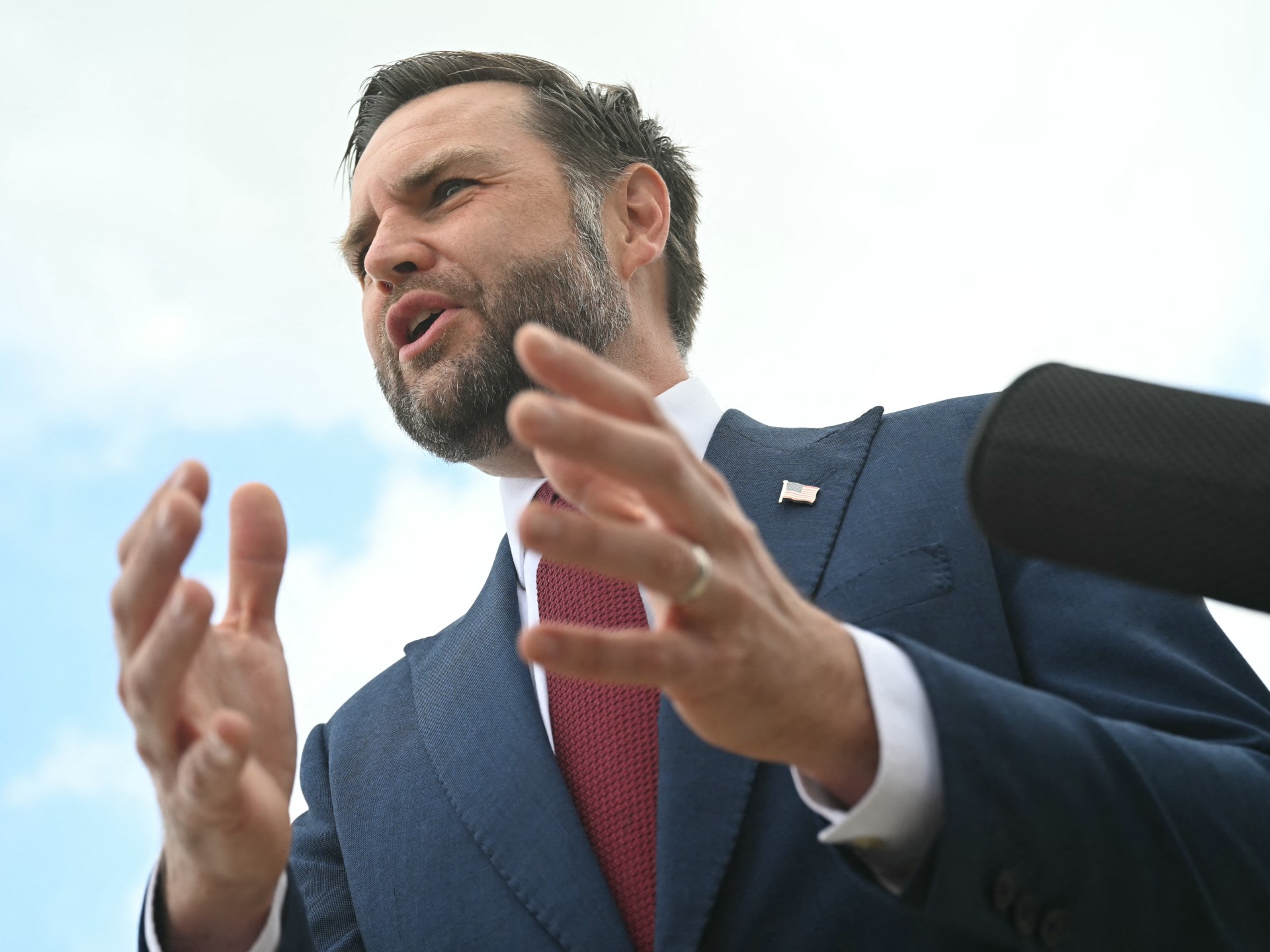
Vice President JD Vance revealed that the Trump administration is deploying AI-generated videos depicting attacks on Iranian infrastructure—specifically Kharg Island, a critical petroleum export facility—as a psychological message to Tehran. Vance framed the videos as signals of US capability and intent, stating Trump is “sending a message” to Iran. The release of these synthetic attack scenarios follows Trump’s public threats and signals a shift toward using advanced technologies for strategic communication and coercion. The videos were followed by additional warnings from President Trump himself, escalating the psychological pressure on Iranian decision-makers.
Oil Markets Surge on Escalation Risks
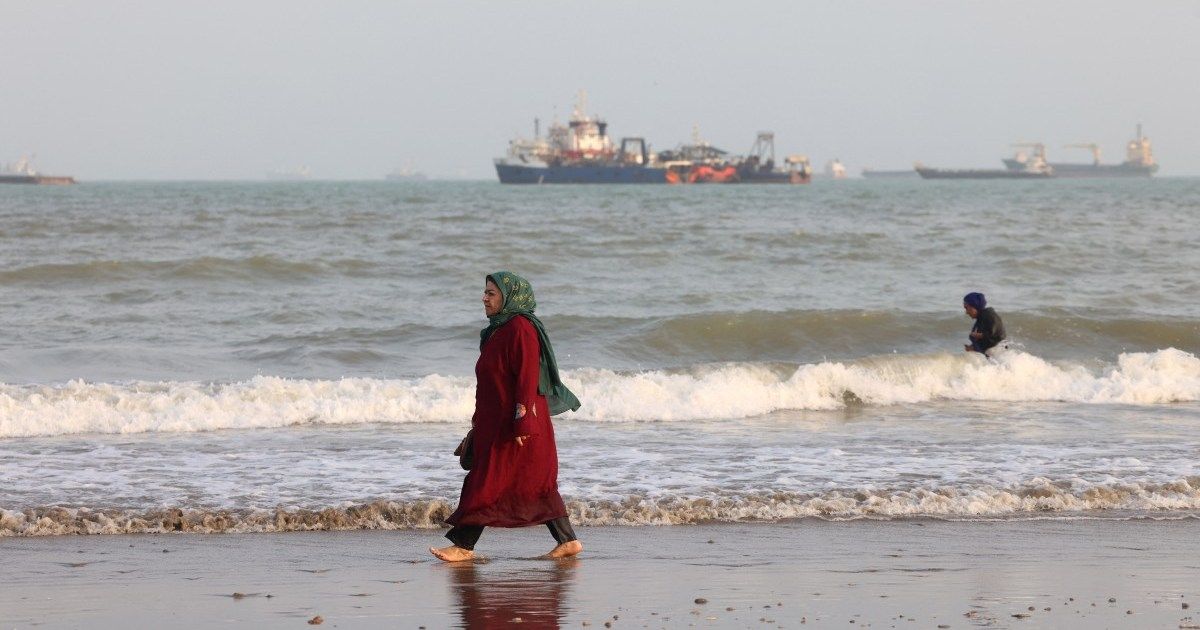
Global oil prices have climbed sharply as markets price in the risk of further US-Iranian military exchanges. Brent crude peaked at $94.40 per barrel on August 21 but has since settled into a trading range of $86–$91 following the lapse of diplomatic initiatives. The weekend exchange of strikes—the first in over a month—has reignited concerns that the conflict could disrupt energy supplies from the world’s most important oil shipping chokepoint. Rising energy costs are cascading through financial markets, pushing mortgage rates to their highest levels since June 2025 as investors flee risk assets and commodities attract hedge buying against geopolitical volatility.
US Sanctions Target Iran’s Educational Access
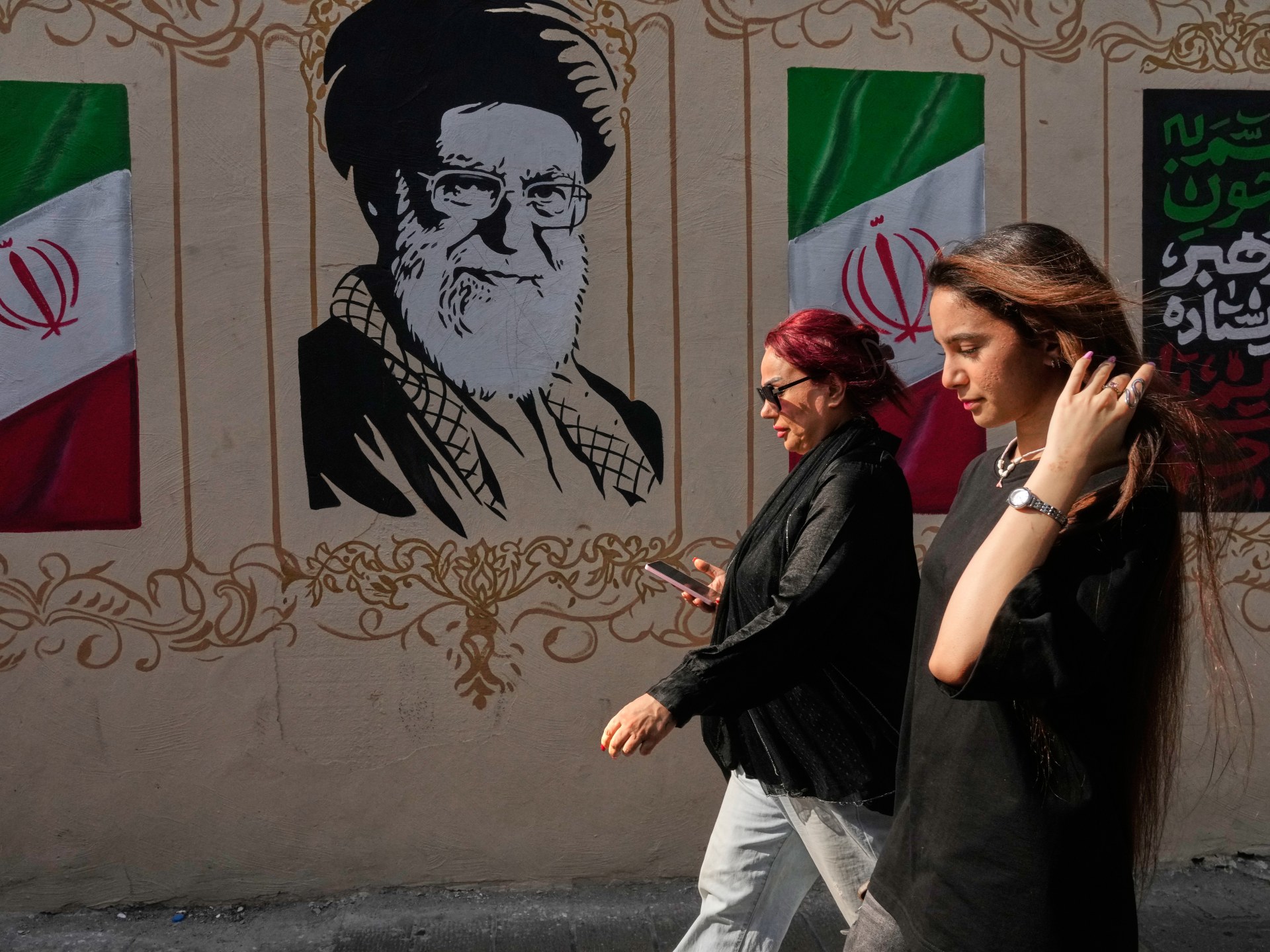
The Trump administration has imposed new sanctions targeting Iran’s access to digital education platforms, including the popular language-learning app Duolingo. Iranian social media users have dubbed the move “Duolingo D-Day,” expressing frustration that sanctions are now restricting education and cultural exchange. Inside Iran, many citizens report feeling “unjustly erased from the international community” as sanctions tighten not only on military and financial sectors but on civilian tools for learning and connection. The sanctions represent an expansion of the economic pressure campaign beyond traditional defense and energy targets into domains that directly affect ordinary Iranians seeking to maintain global cultural and professional ties.
Compiled from Al Jazeera and regional news sources.