
Iran Conflict — 2026-08-31 (PM)
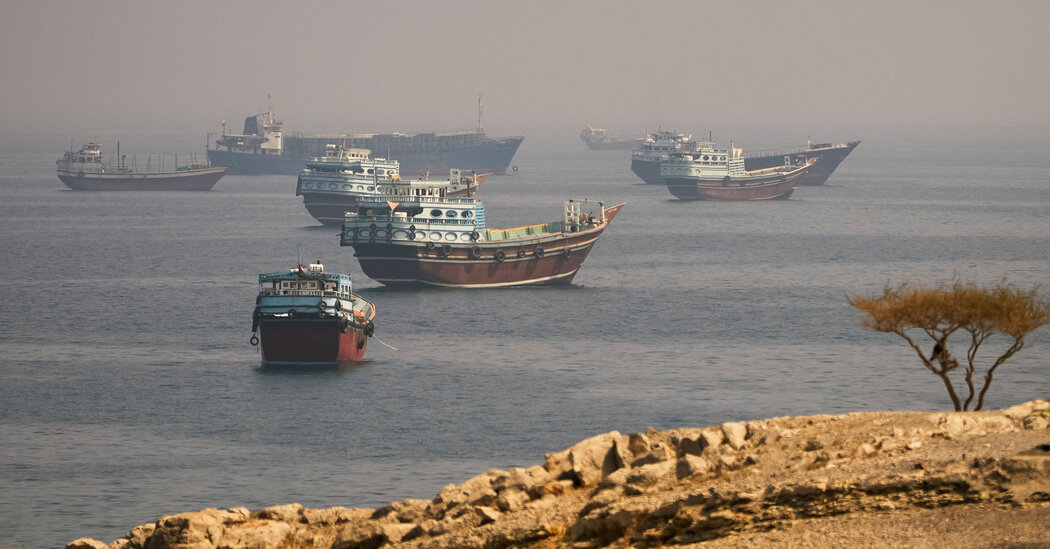
After a month of relative calm, the United States and Iran exchanged attacks on August 31, marking a sharp renewal of the six-month conflict. American strikes on strategic Iranian military installations triggered immediate retaliation across the region, drawing neighboring states into direct confrontation. The escalation underscores the fragile state of military de-escalation in the Middle East and threatens to reignite broader regional instability.
U.S. Strikes Larak Island; Iran Retaliates Against Jordan and UAE
The U.S. military conducted strikes against two Iranian missile launcher positions on Larak Island in the Strait of Hormuz on August 31, escalating hostilities after a monthlong pause. Iran responded with coordinated attacks on targets in Jordan and the United Arab Emirates, demonstrating its capacity to project force beyond its borders. The renewed exchanges came as a shock to regional capitals that had begun cautiously preparing for an extended ceasefire.
Larak Island’s Strategic Role in Iranian Military Control
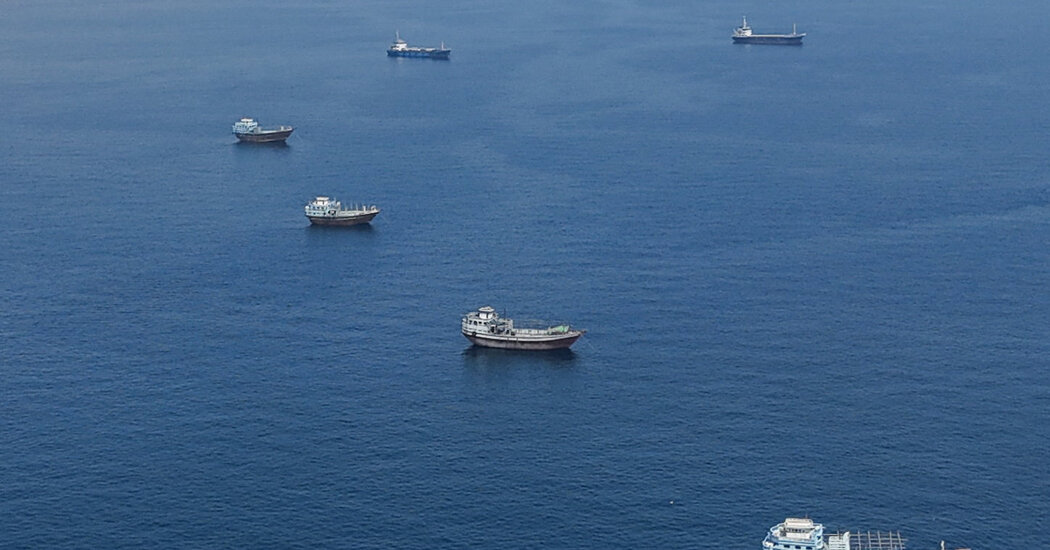
Larak Island, a roughly 30-square-mile territory in the Strait of Hormuz, serves as a critical foothold for Iran’s military operations and its strategy to control shipping lanes through one of the world’s most vital waterways. The island hosts advanced weapons systems and coordinates Iran’s broader maritime defense posture. U.S. targeting of the island reflects Washington’s intent to degrade Iran’s ability to threaten international commerce and naval operations in the region.
UAE Intercepts Iranian Drone; Denies Airbase Attack Reports
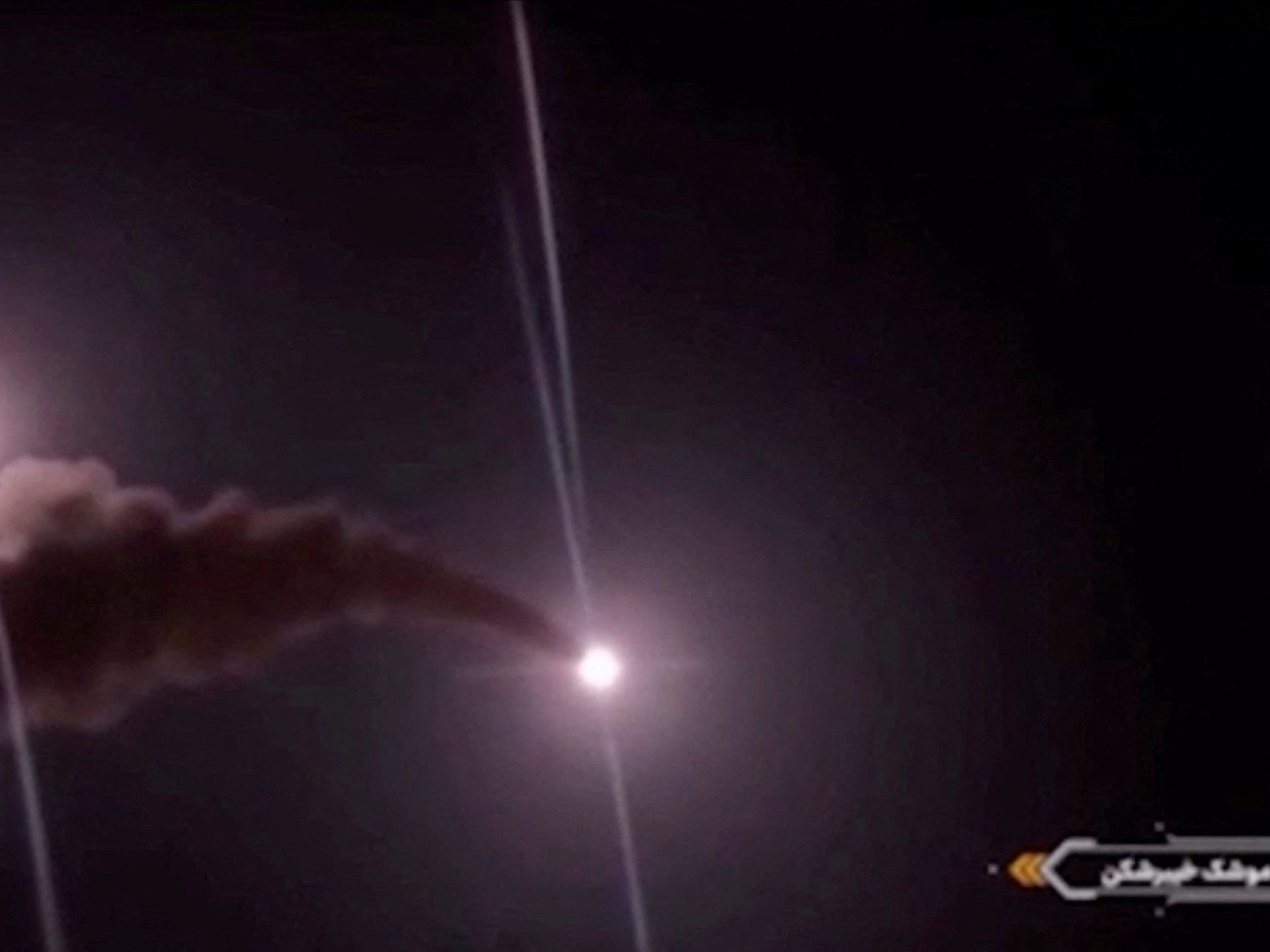
The United Arab Emirates reported intercepting a drone launched from Iran during the overnight military exchanges, though the nation denied reports of a direct attack on its Al Menhad airbase. The interception demonstrates the active air defense systems now deployed across the UAE to counter Iranian projectiles. The denial of a successful strike on the airbase suggests either effective defensive capabilities or a limited Iranian targeting package, but underscores the renewed threat to UAE civilian and military infrastructure.
Strait of Hormuz Mining: Assessing Iranian Capability Claims
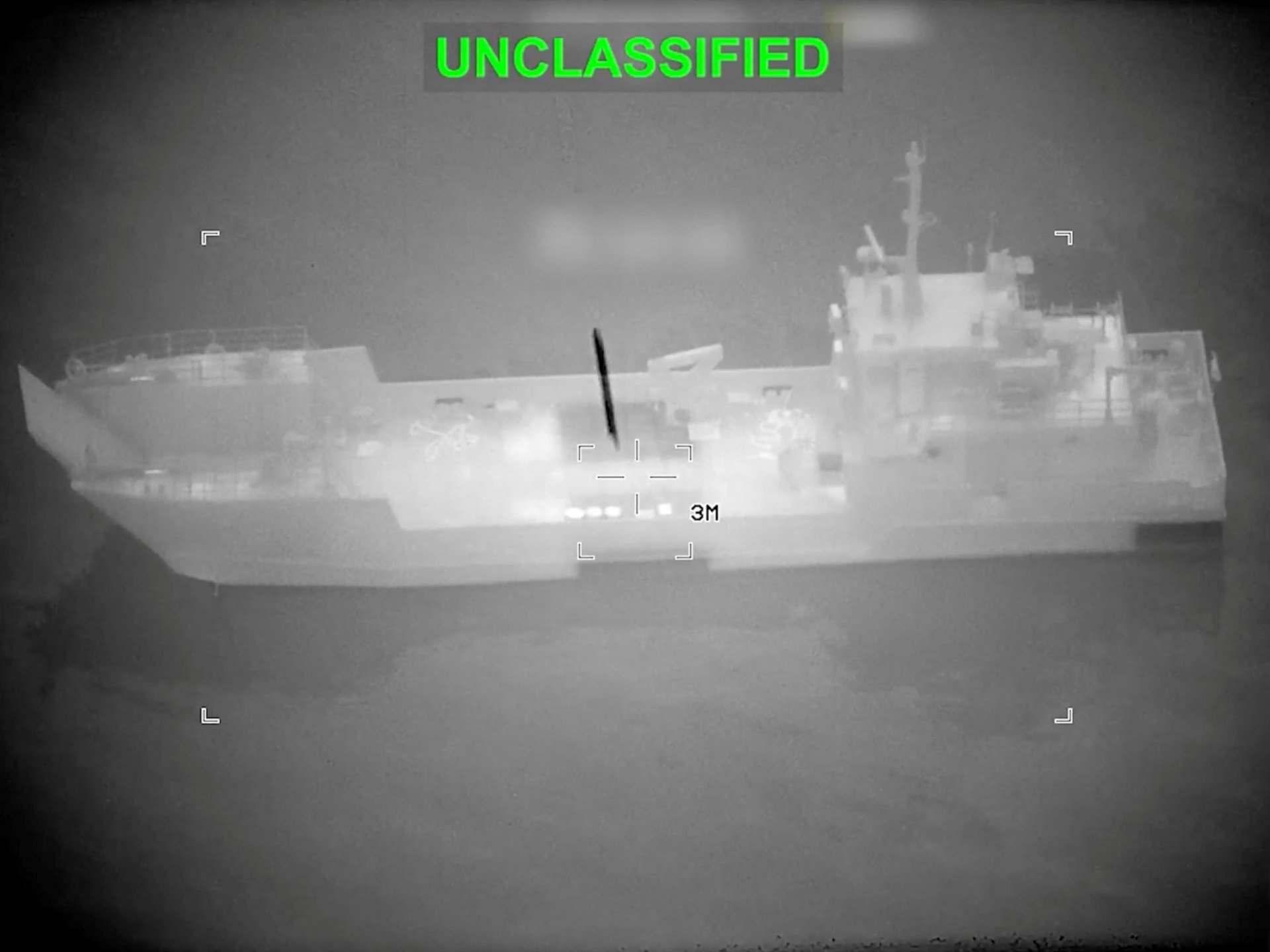
U.S. officials have alleged that Iran possesses the capability to use modified rocket systems to deploy mines in the Strait of Hormuz, a capability analysts describe as technically implausible but within Iran’s demonstrated pattern of adapting conventional weapons to asymmetric purposes. Iran has a long history of weaponizing commercial and military technology, and the claims highlight ongoing U.S. concerns about Iranian threats to global shipping. Experts note that while large-scale mining operations remain unlikely, Iran’s adaptive engineering expertise warrants serious monitoring.
Global Economic Winners and Losers From the Iran Conflict
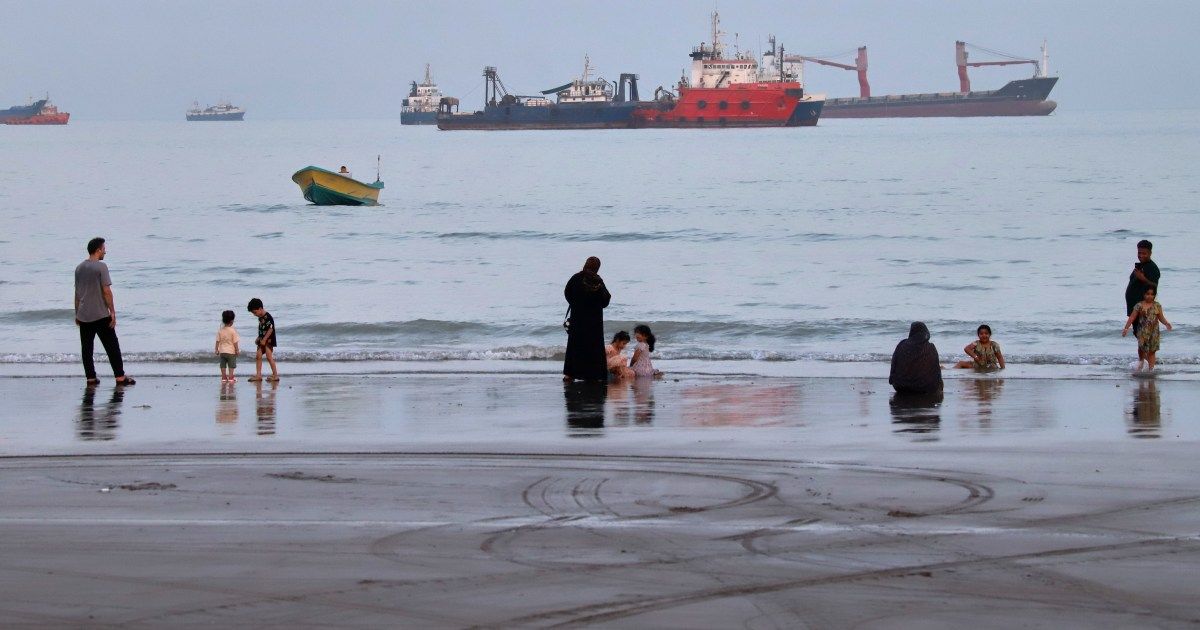
The escalating U.S.-Iran conflict has created sharp economic divergences across global sectors and nations. Airlines and automakers have absorbed significant losses due to fuel cost spikes and supply chain disruptions, while banking and energy sectors have recorded exceptional profits from elevated oil prices and heightened demand for financial hedging. Emerging markets dependent on affordable energy face acute vulnerabilities, while net energy exporters and financial institutions have flourished—a pattern expected to intensify if military exchanges continue.
Russia and Iran Rally with China and India at SCO Summit
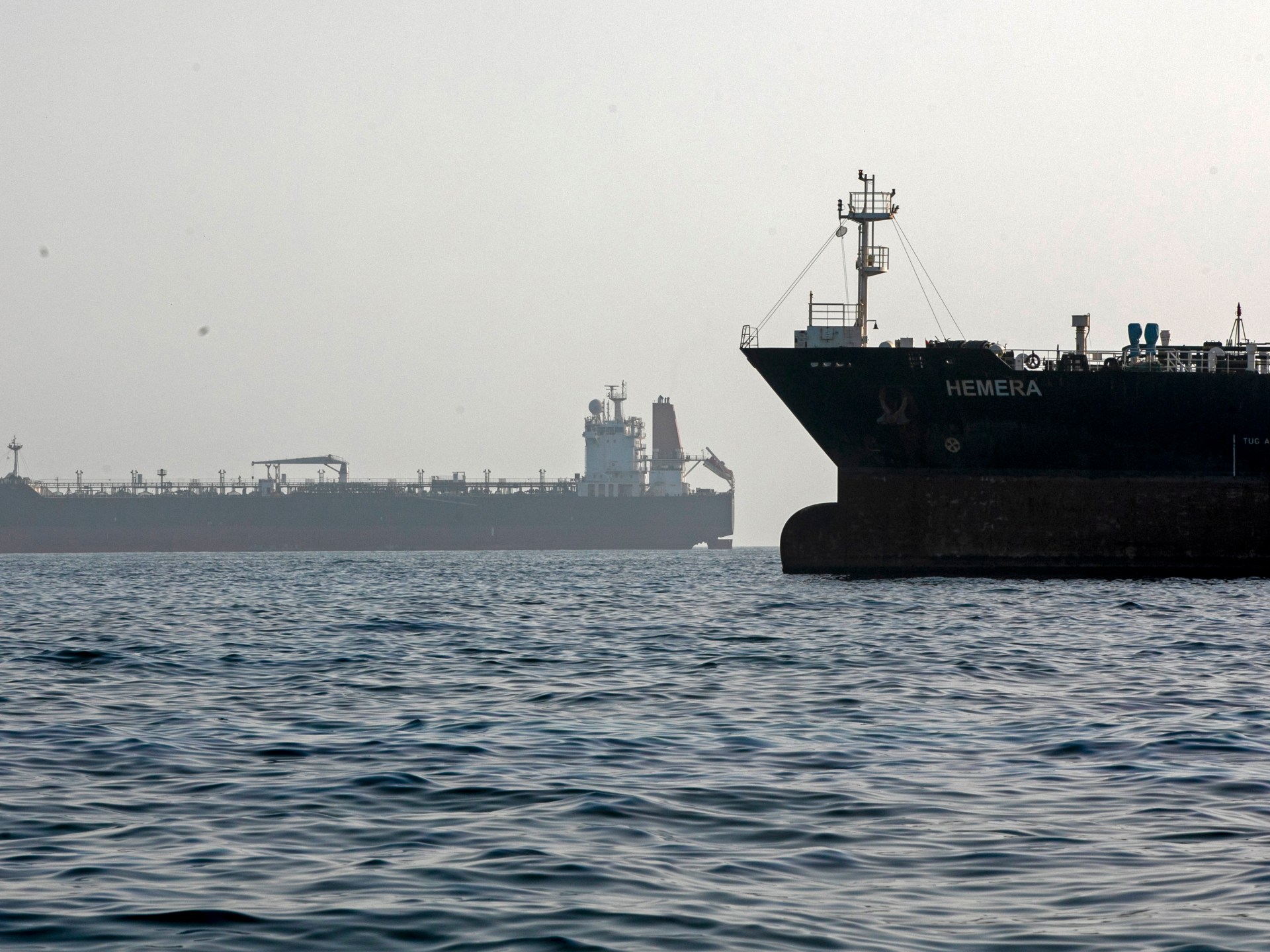
Presidents Putin of Russia and Iranian leadership gathered with Chinese and Indian counterparts at a Shanghai Cooperation Organization (SCO) summit in Kyrgyzstan, signaling a consolidated non-Western bloc response to U.S. military actions. The two-day meeting demonstrated the limits of U.S. economic sanctions and military pressure in isolating adversaries when sustained by coordinated support from major powers. The summit underscores the deepening integration of Russia and Iran as wartime allies and their shared commitment to countering perceived U.S. hegemony through multilateral platforms.
In Brief
G20 Finance Officials Address War’s Global Impact — Treasury ministers and central bankers from the Group of Twenty gathered to discuss the cascading economic effects of the Iran conflict, with particular focus on oil market volatility and global supply chain resilience. China and Russia participated despite being at odds with Western members over the causes and responsibility for the ongoing military escalation.
Compiled from international news feeds.