
Iran Conflict — 2026-08-30 (PM)
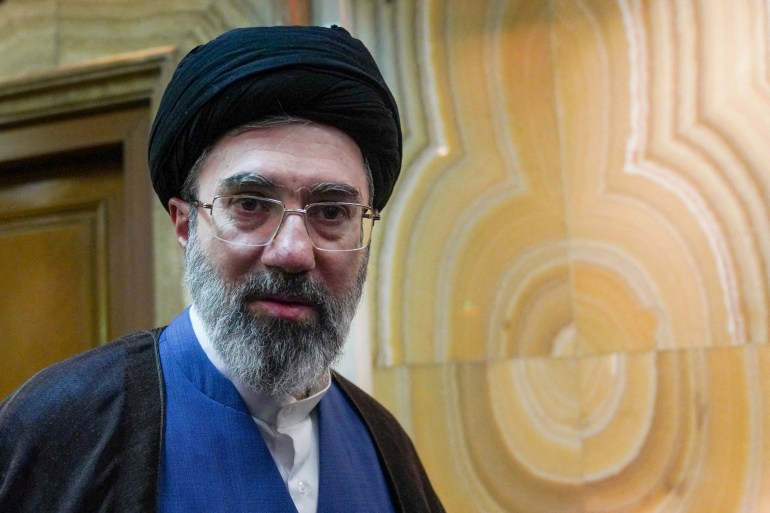
Six months into the US-Israel war on Iran, the crisis has settled into a grinding economic siege with no diplomatic breakthrough in sight. Supreme Leader Mojtaba Khamenei called for Gulf unity against a “real enemy,” but regional mediation efforts have stalled as the Strait of Hormuz remains functionally closed. For ordinary Iranians, the war has brought accelerating inflation, fuel shortages, and a quality of life in freefall despite government resilience.
Khamenei Calls for Gulf Unity as Hormuz Blockade Tightens
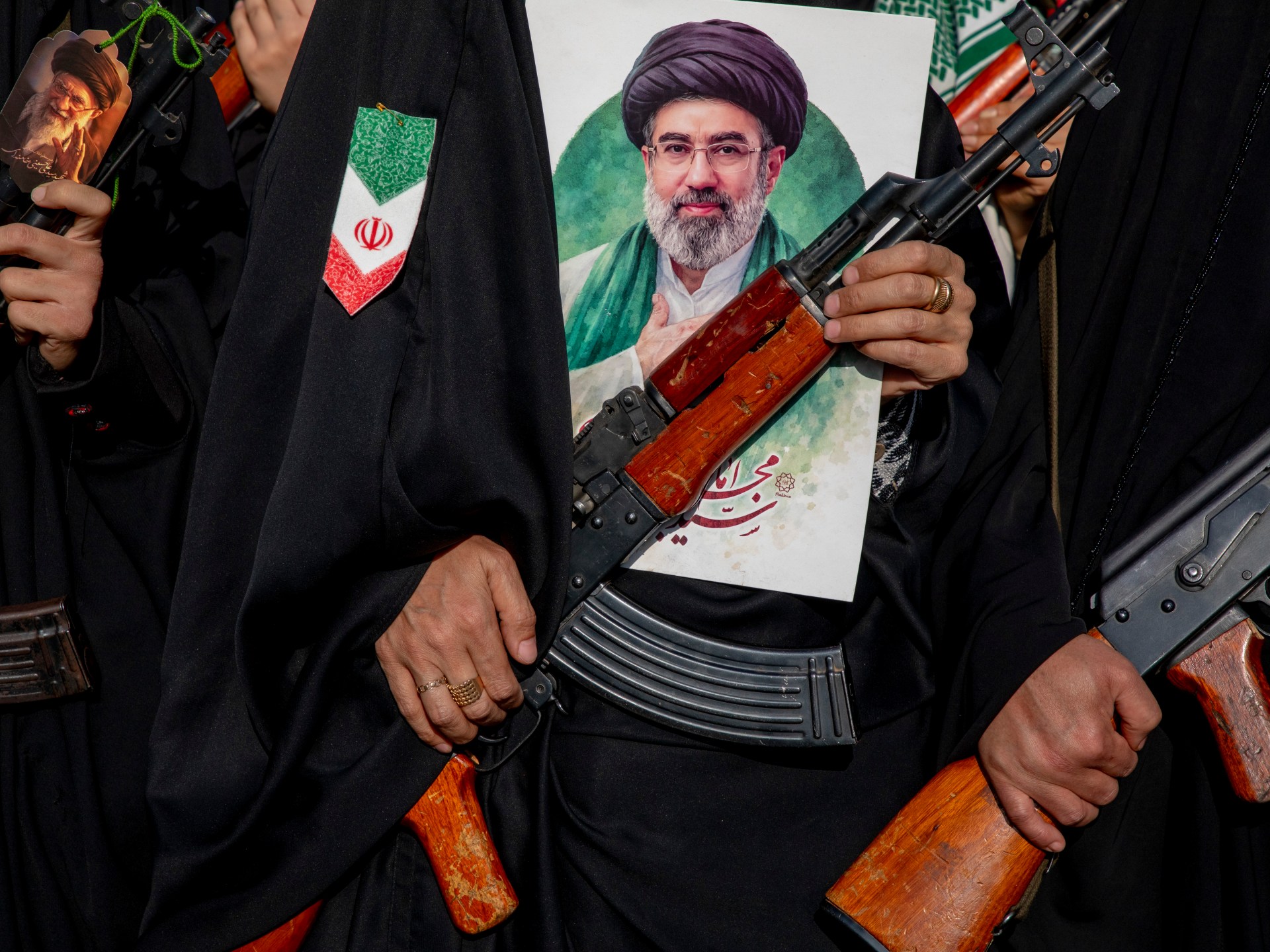
Supreme Leader Mojtaba Khamenei urged Gulf leaders to identify and confront their “real enemy,” cementing Iran’s hard line on the Strait of Hormuz despite renewed regional mediation. Deputy Foreign Minister Kazem Gharibabadi declared the strait “closed” and said any vessel must coordinate with Iran, undercutting temporary transit agreements negotiated with Oman and Qatar. Only seven commodity vessels crossed Hormuz on Thursday—down from 17 a day earlier—leaving about 400 ships and 6,000 seafarers stranded in the Gulf. International mediators, including Qatar’s Prime Minister, have intensified efforts to restart talks, but Iran’s demands for US commitment to a failed June memorandum remain unmet.
Economic Crisis Deepens as Iranians Face Hyperinflation and Fuel Shortages
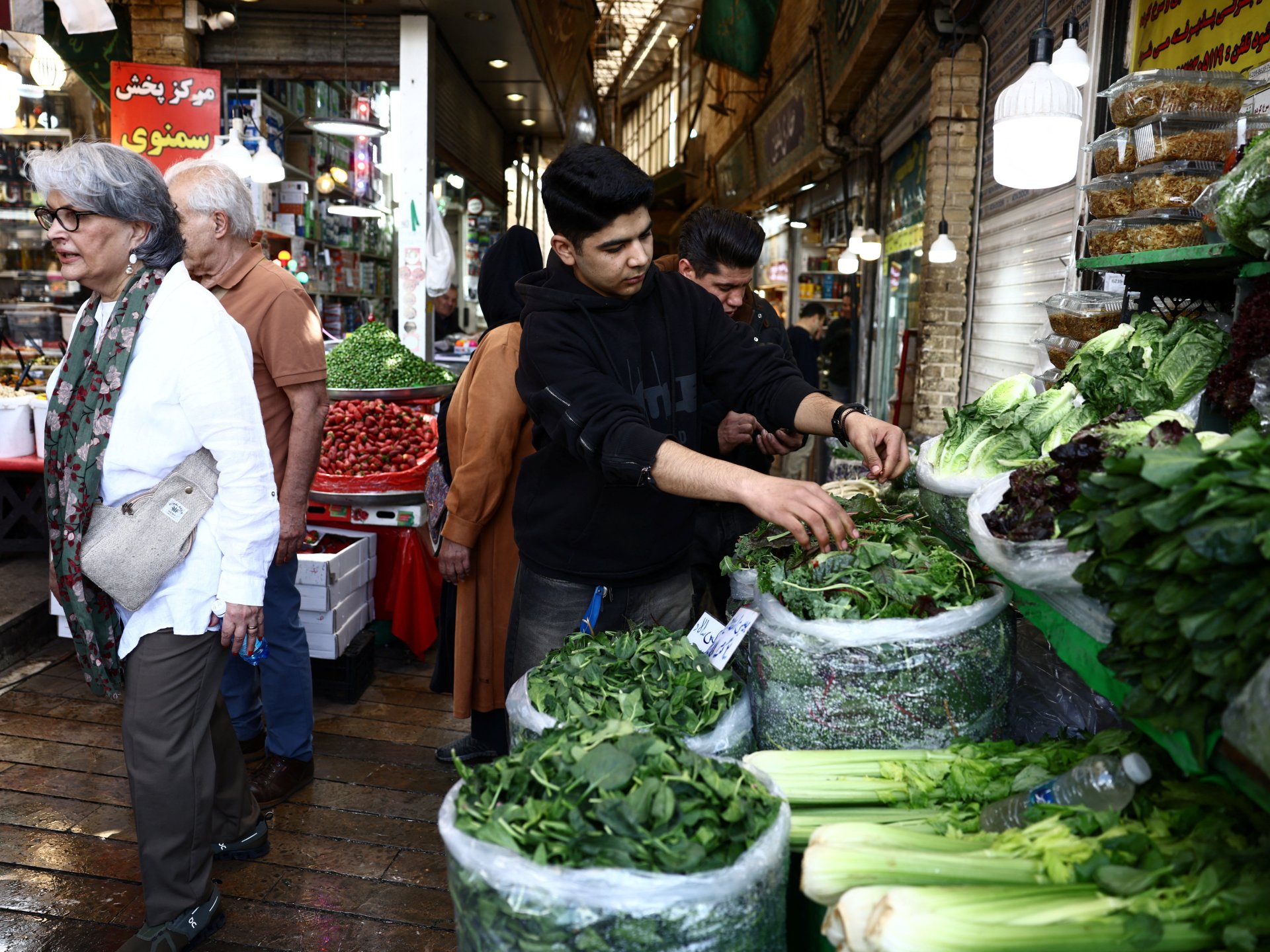
Six months into the war, inflation has devastated ordinary Iranians’ purchasing power. Inflation hit 89 percent year-on-year in the past month, with food costs surging 127 percent, while Iran’s currency—the rial—plummeted to an all-time low of 2.06 million per US dollar. A data analyst in Tehran reported his salary has halved in real terms despite three raises, from over $1,000 monthly three years ago to less than $500 today. Fuel and electricity shortages are worsening, with authorities already cutting personal vehicle quotas and preparing for winter natural gas rationing. President Masoud Pezeshkian admitted the government is unable to improve living conditions for the population under siege, with imports and exports down nearly 35 percent.
War’s Political Toll Mounts as Trump, Netanyahu, and Iran Face Domestic Pressure
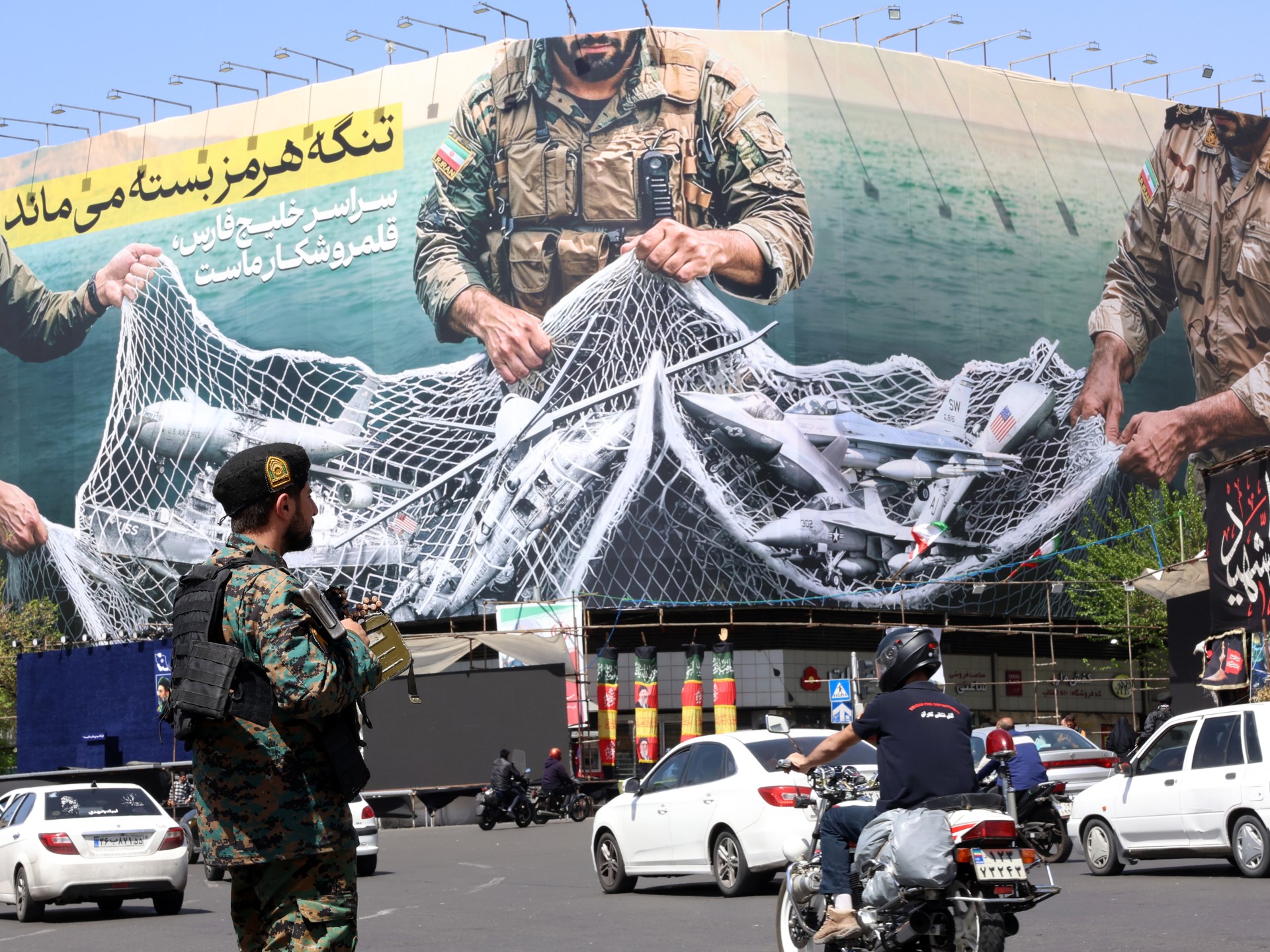
Six months of inconclusive war are reshaping politics on all three home fronts. Trump’s approval rating has collapsed to a record low of 33 percent as gasoline prices have risen 50 percent since February 28; his repeated claims of an imminent Hormuz deal are failing to shore up Republican prospects ahead of November midterms. Israeli Prime Minister Netanyahu is trailing in polls and faces accusations of pursuing regime change rather than preventing Iran’s nuclear progress—Netanyahu’s political opponents now argue the war has advanced Iran’s nuclear capability and failed to restore Israeli security. Inside Iran, the government has survived intact under new Supreme Leader Mojtaba Khamenei, but it faces an irreconcilable split between diplomacy advocates and hardliners, plus intensifying crackdowns on dissent, executions, and mandatory hijab enforcement as authorities tighten control amid external pressure.
Gulf Energy Infrastructure Remains at Risk as Oil Markets React
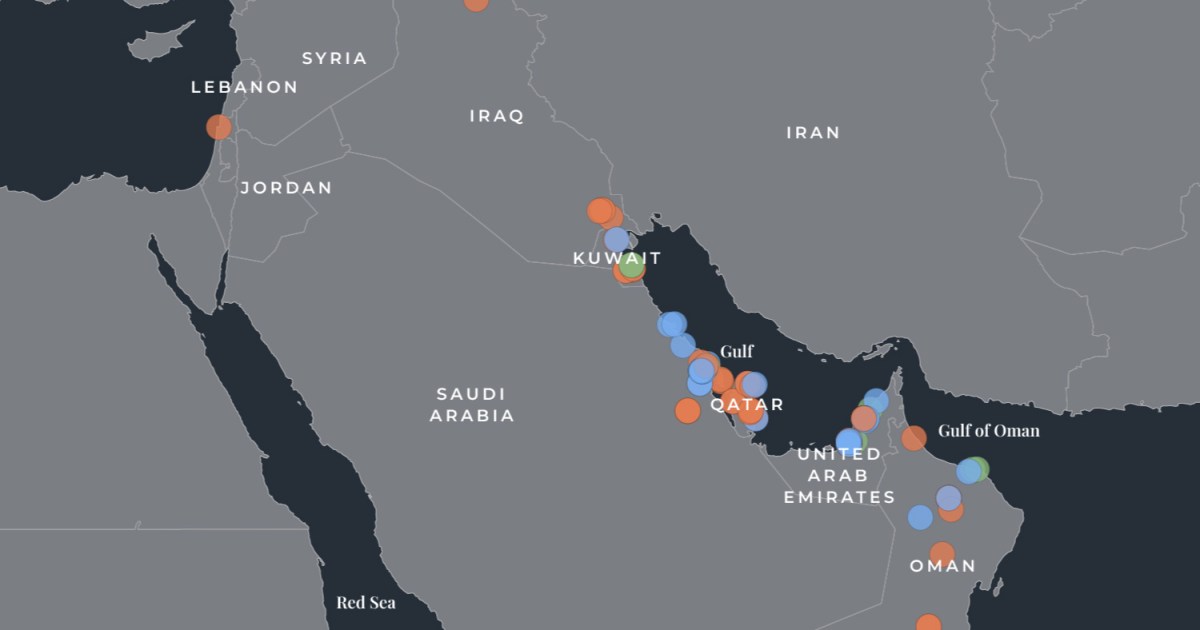
The US-Israel campaign against Iranian energy targets has left Gulf oil and gas infrastructure vulnerable to ongoing Iranian strikes and proxy attacks. US energy companies have profited from rising oil prices but remain exposed to regional escalation. The continued blockade of Hormuz—where about 20 percent of global oil and liquefied natural gas shipments normally pass—is reshaping energy supply chains and raising costs for importing nations.
Compiled from the configured RSS feed.