Iran Conflict — 2026-08-29 (NOON)
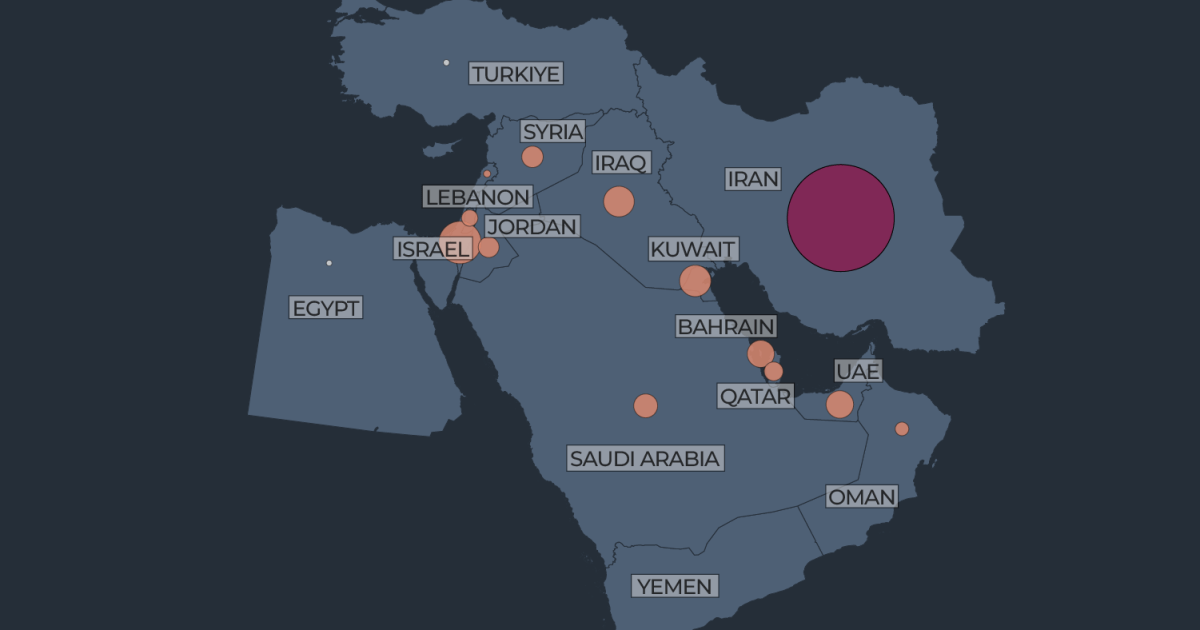
Six months into the military confrontation between the United States and Iran, assessments suggest Tehran has proven more resilient than anticipated, even as the conflict reshapes regional security and accelerates economic isolation. Trump’s pivot from direct military strikes to maximum sanctions pressure signals a shift in strategy, but analysts warn Iran’s strategy remains unchanged: weathering external pressure through regional leverage and internal consolidation.
Iran’s Strategic Position After Six Months
Iran appears to have absorbed six months of military and economic pressure while maintaining strategic depth in the region. The shift from open combat to economic warfare by Washington reflects the limits of military escalation, yet further sanctions targeting Iran’s banking and trade networks threaten to accelerate humanitarian hardship for ordinary Iranians. Expert analysis indicates that despite diplomatic rhetoric, Tehran shows no signs of abandoning its regional networks or defensive capabilities, positioning itself through proxies and alliances across the Gulf and Levant.
Humanitarian Crisis Deepens in Gaza
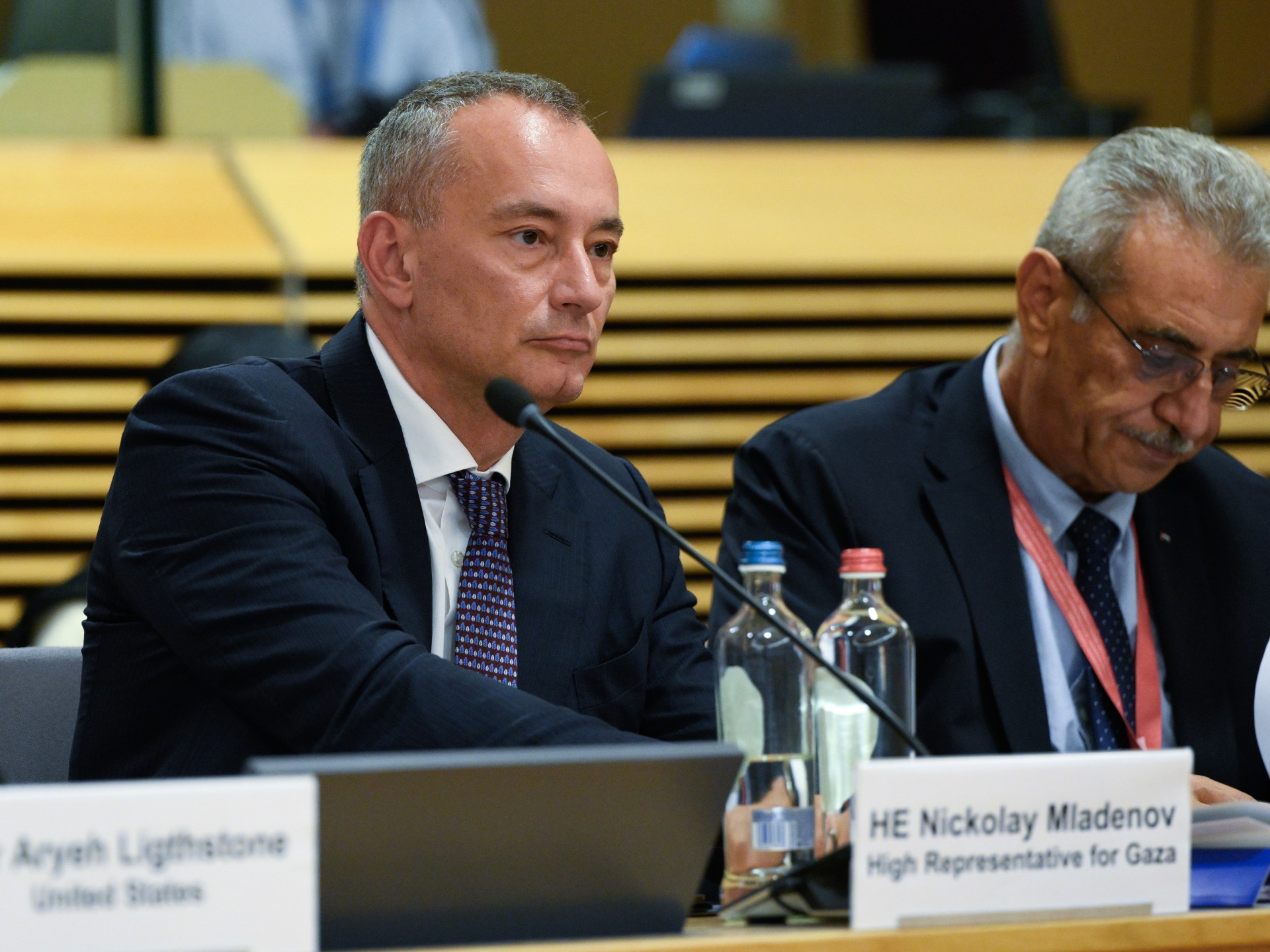
As the six-month mark passes, the Gaza ceasefire teeters on collapse. Envoys warn of imminent breakdown while the humanitarian situation deteriorates: cash shortages are forcing Palestinians to rely on unreliable online payment systems, and aid flows remain insufficient to address hunger and displacement. The ceasefire mechanism itself, designed to prevent escalation, shows signs of strain as violations mount and political disagreements over reconstruction block progress.
Israeli Operations Continue Against Palestinian Targets
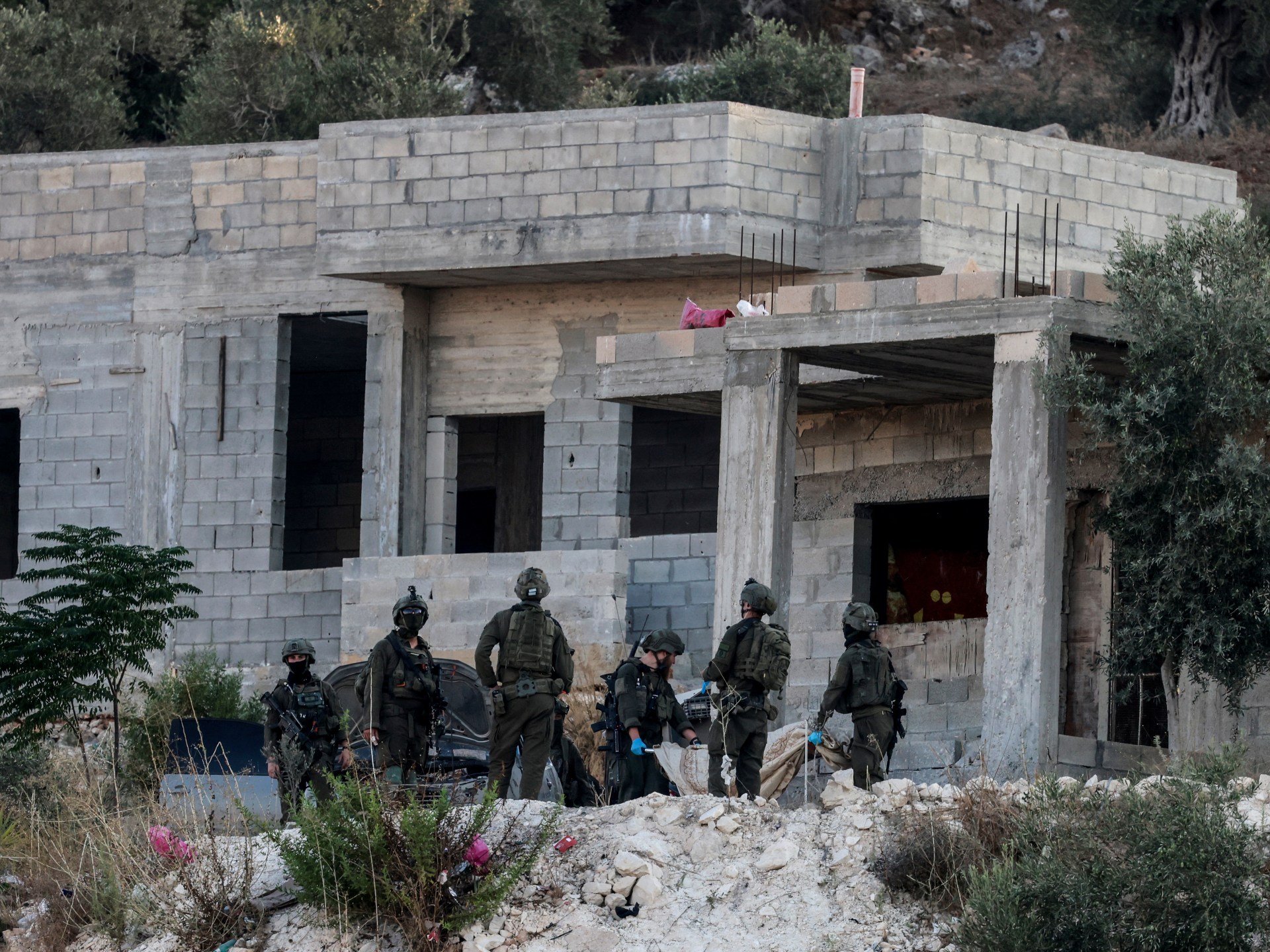
Israeli strikes continue killing Palestinian civilians across the West Bank despite ongoing ceasefire efforts in Gaza. An airstrike in Jenin killed three Palestinians, while settlers escalate pressure on Palestinian communities, targeting factories and businesses to force displacement. These operations occur amid the broader six-month conflict, extending the violence beyond the formal ceasefire zones and targeting civilian economic infrastructure.
Emerging Gulf Security Architecture
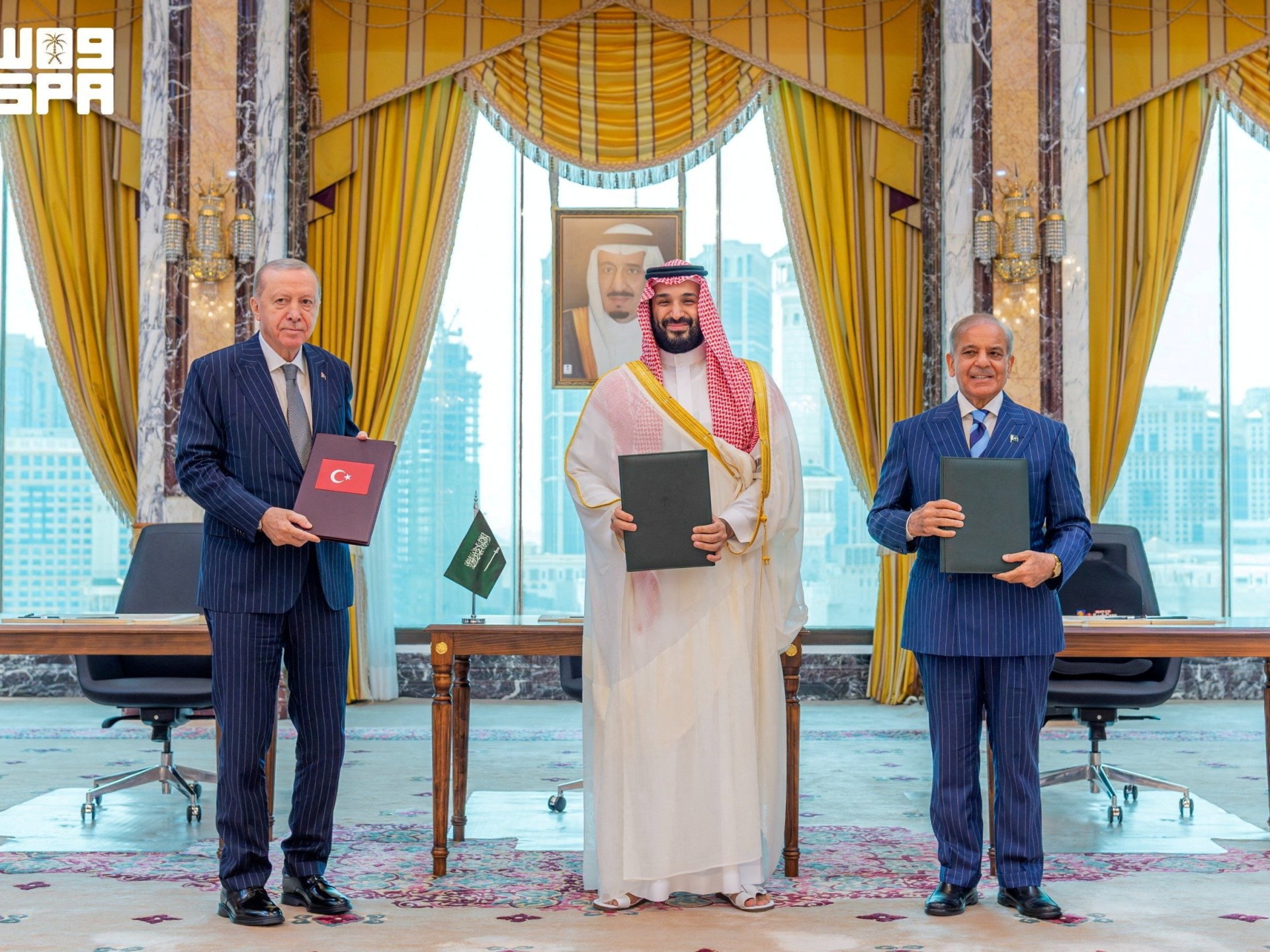
The six-month conflict is reshaping diplomatic alliances in the Gulf. State actors are building overlapping security partnerships with the US while simultaneously pursuing bilateral defense arrangements. This emerging architecture reflects regional hedging: Gulf states maintain security ties with Washington while diversifying partnerships and strengthening intra-Gulf coordination. The strategy aims to manage Iran’s regional influence without total dependence on any single power.
Economic Toll and Sanctions Escalation
The US Treasury has moved to sanction UAE branches of Egyptian banks alleged to facilitate Iran’s financial networks. These measures target the informal trade routes that have sustained Iran through six months of maximum economic pressure. Each wave of sanctions narrows Tehran’s options and increases the cost of regional operations, yet so far has not produced the desired policy shift from Iran.
In Brief
- Yemen’s divided education system collapses further as the conflict disrupts schooling across the country, leaving students’ futures uncertain.
- Iranian officials signal openness to diplomacy while calling for international pressure on US sanctions, maintaining Tehran’s standard negotiating posture.
Compiled from the configured RSS feed.