
Iran Conflict — 2026-08-29 (AM)
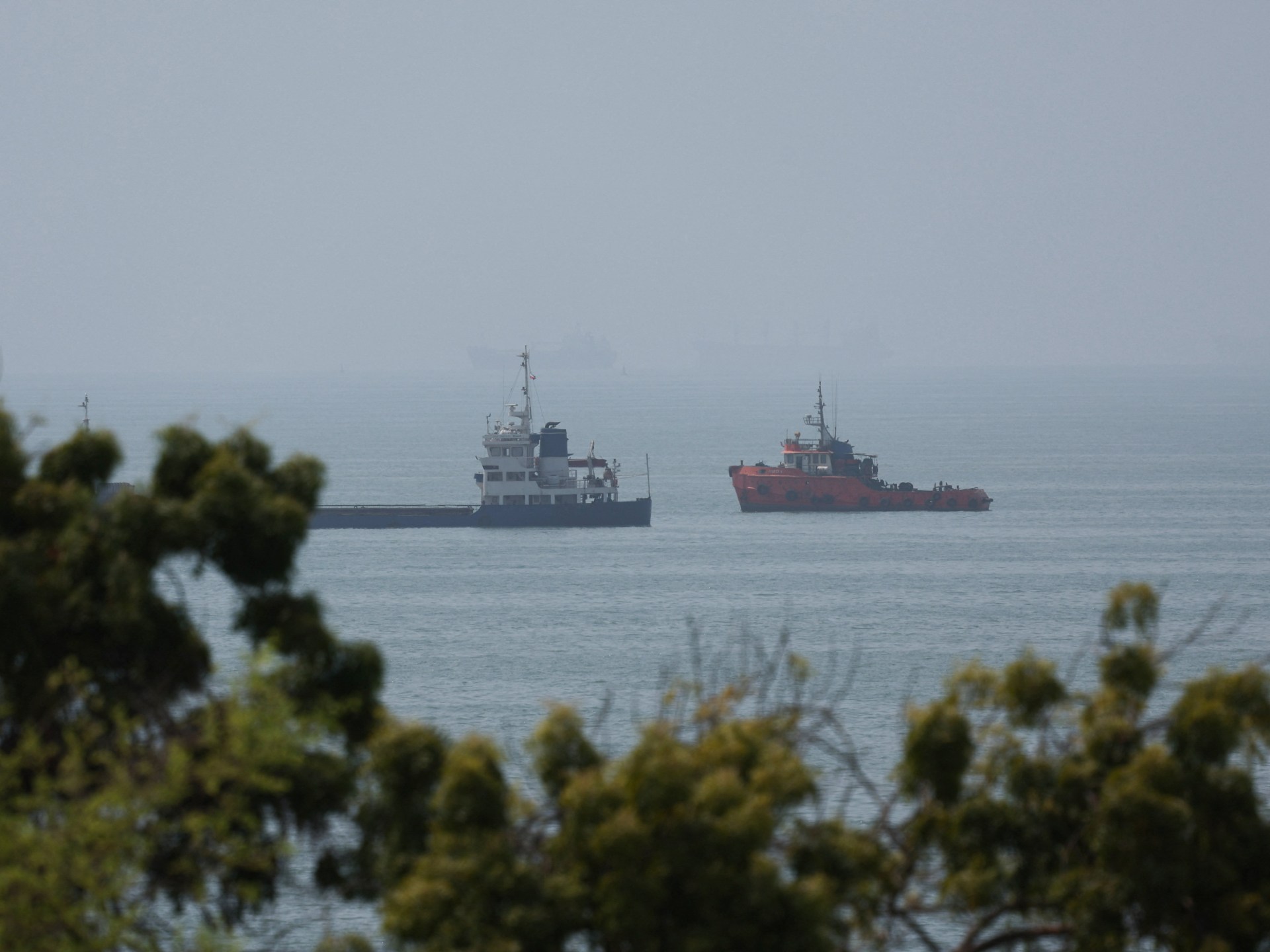
Six months into the Iran-US conflict, both sides are shifting strategies. Tehran claims control over critical maritime chokepoints while Washington escalates economic warfare through naval blockades. The Gaza theater remains volatile as ceasefire negotiations falter.
IRGC Asserts Hormuz Control Amid U.S. Naval Blockade
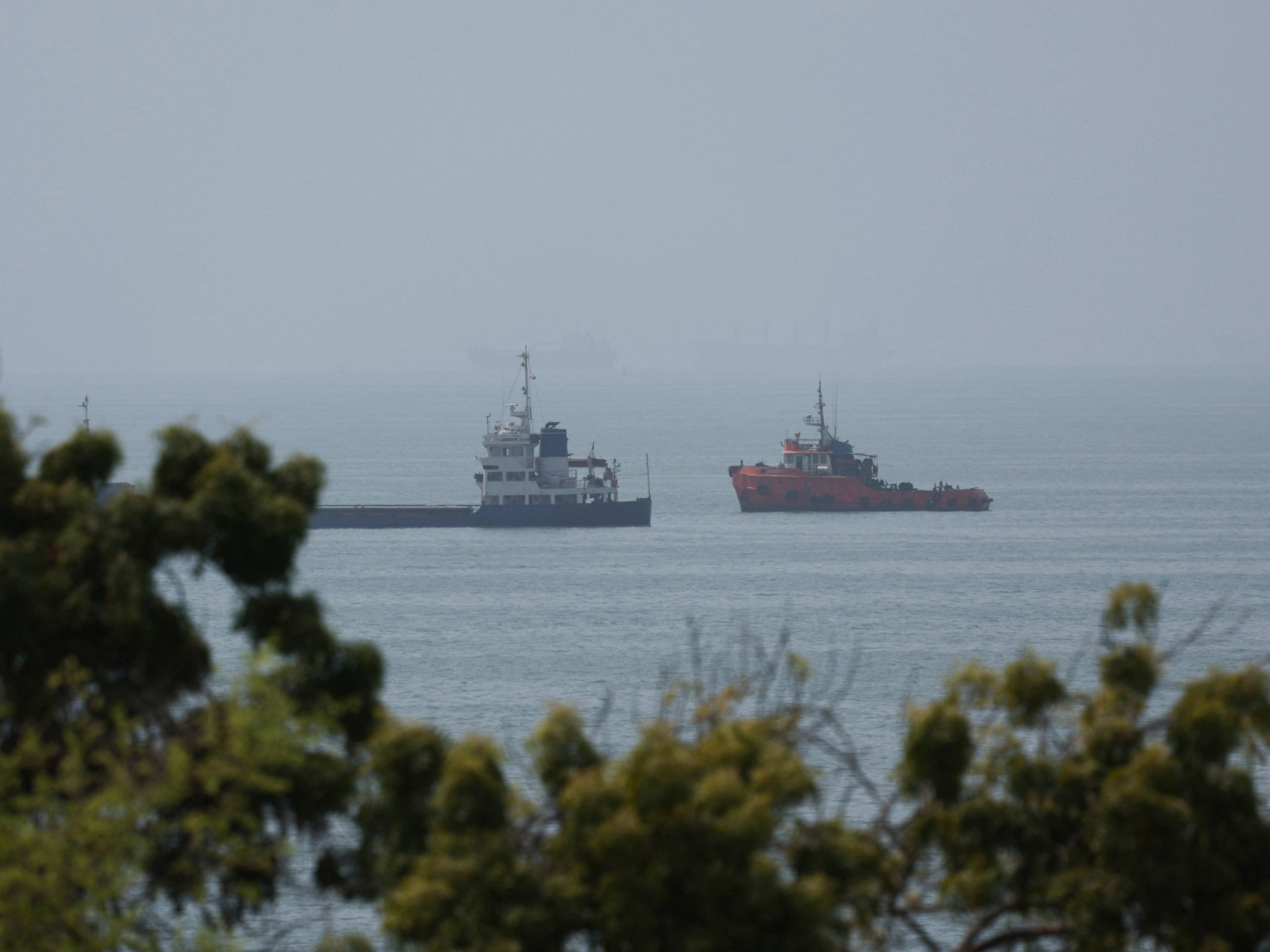
Iran’s Islamic Revolutionary Guard Corps claims decisive control over the Strait of Hormuz, a critical strategic chokepoint through which roughly one-third of global maritime oil trade passes. The assertion comes as the U.S. Navy maintains an intensive blockade designed to strangle Iran’s oil exports. The rival claims highlight the escalating maritime competition between Tehran and Washington, with both sides maneuvering for strategic advantage in one of the world’s most economically vital waterways. The blockade has forced Iranian tankers to seek alternative routes and exploit sanctions circumvention schemes to sustain exports.
U.S. Shifts to Economic Warfare as Military Campaign Stalls
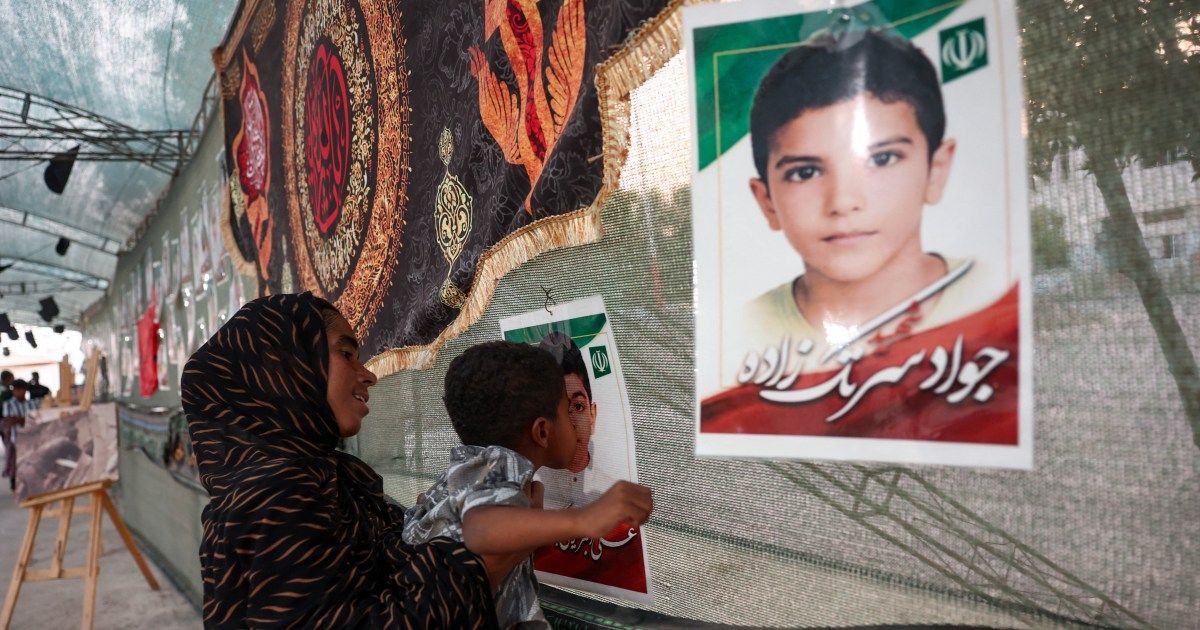
After a dozen waves of intensive airstrikes failed to force Tehran to abandon its territorial claims over the Strait of Hormuz, the Trump administration has pivoted to a campaign of comprehensive economic siege. The U.S. Navy’s blockade has slashed Iranian oil exports, degrading Tehran’s ability to fund military operations and sustain its economy. The shift reflects recognition that military bombardment alone cannot achieve political surrender; instead, Washington is betting that sustained economic pressure will eventually compel concessions. This strategy mirrors Cold War containment doctrine but operates at a vastly accelerated tempo.
Six Months In: Both Sides Face Unfulfilled Goals
As the conflict enters its seventh month, neither Washington nor Tehran has achieved its core objectives. U.S. president’s stated goals—neutralizing Iran’s missile capabilities and forcing a territorial retreat from the strait—remain unfulfilled despite superior air power and a blockade tightening month by month. Iran, for its part, has maintained territorial claims and kept its ballistic arsenal operational, though at significant economic cost. Analysts warn that the current military stalemate could entrench indefinitely absent a political breakthrough, with neither side able to deliver a knockout blow. Iranians increasingly express war fatigue and frustration with the government’s inability to secure a negotiated settlement.
Gaza Ceasefire at Risk as Israeli Operations Continue

The fragile Gaza ceasefire is on the brink of collapse as Israeli military operations continue and humanitarian conditions deteriorate. A U.N. envoy warned that Gaza risks being “gone for good” without immediate intervention, pointing to devastating Israeli strikes that have destroyed aid supplies and killed dozens of civilians in recent days, including four children in separate incidents. The ongoing hostilities underscore the conflict’s expansion beyond Iran-U.S. dynamics into the broader regional proxy theaters, where Palestinian civilians bear the heaviest costs. International pressure for permanent de-escalation grows daily, but political will for cessation remains absent on all sides.
Compiled from the configured RSS feed.