Iran Conflict — 2026-08-28 (NOON)
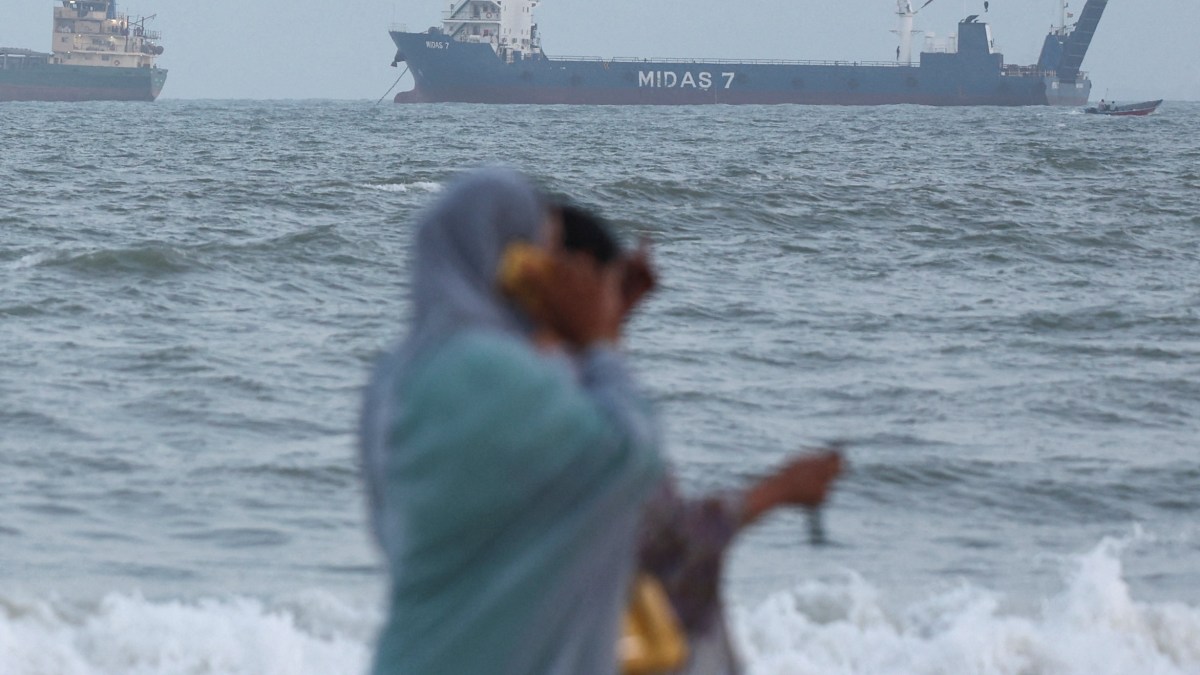
As the Iran-US conflict enters its seventh month, the rapid military campaign the Trump administration expected to wrap up in four to six weeks has instead solidified into a grinding stalemate. The war has reshaped regional politics, tested Iran’s economic resilience, and left Arab Gulf states navigating uncertain futures.
Six-Month Stalemate: War Without Victory
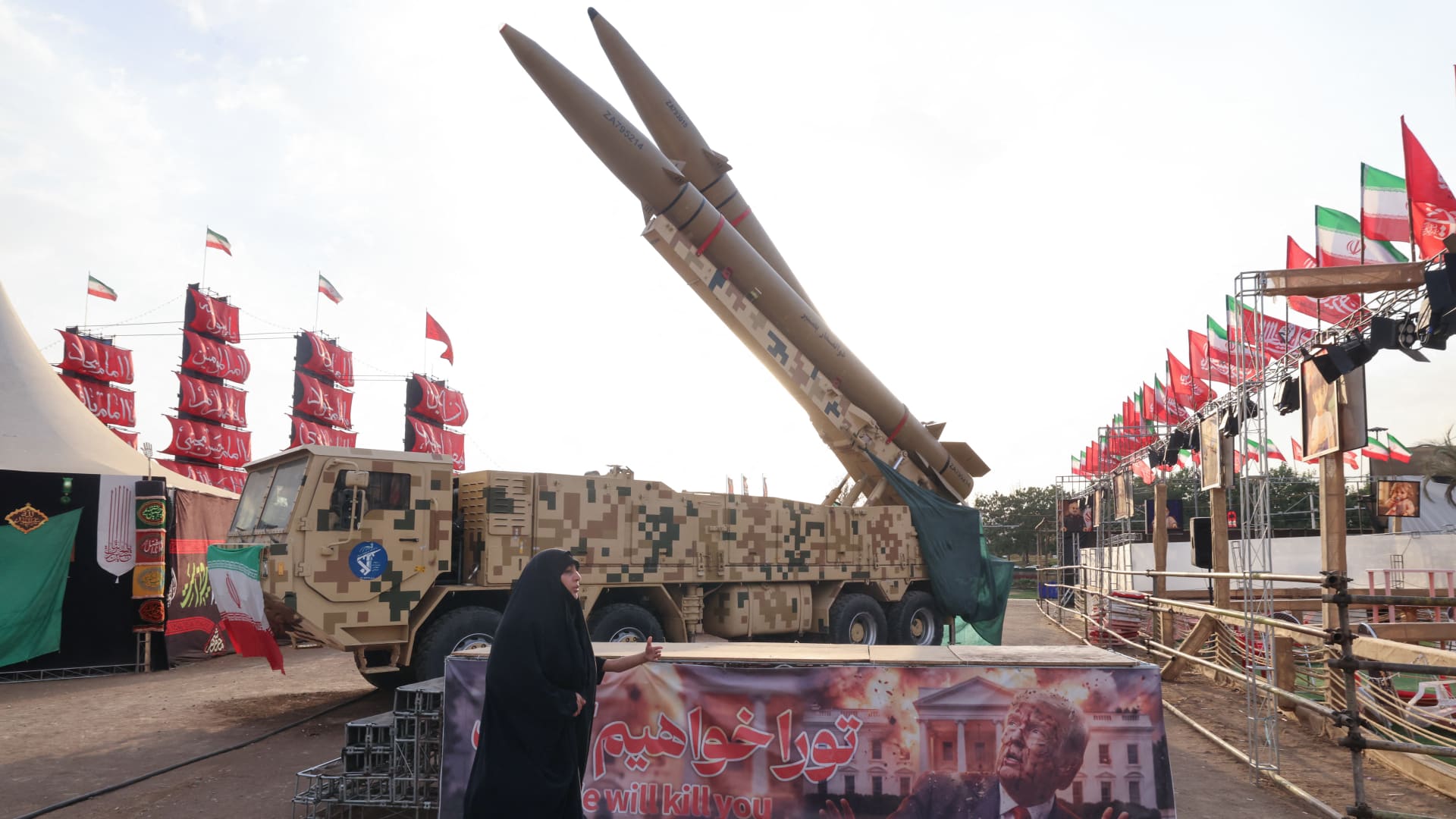
The war has far exceeded initial US projections, with markets and analysts now resigned to a prolonged conflict. Despite sustained military pressure, neither side has achieved decisive victory — Iran remains functionally intact, while the US has not compelled regime change or full capitulation. The conflict has created a new normal in global energy and commodity markets, where traders have adjusted to perpetual Iran war premiums embedded in oil and shipping costs.
Iran’s Economic Crisis Deepening, Leadership Fracturing
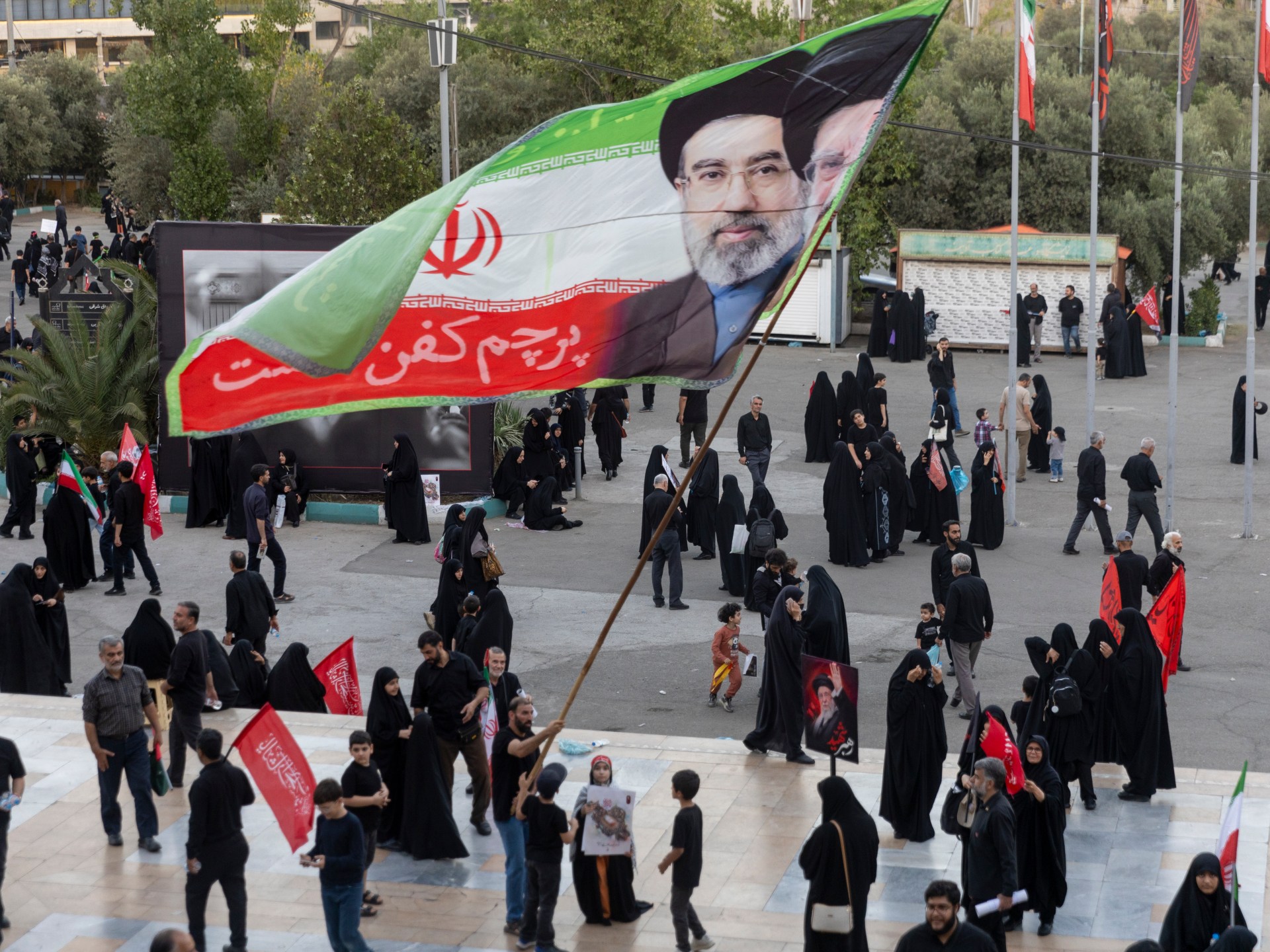
Economic pressure is emerging as the war’s most consequential front for Tehran. Sustained sanctions, disrupted trade corridors, and currency depreciation are straining Iran’s already fragile economy. Within the Iranian leadership, divisions are sharpening over how to respond — between hardliners pushing for escalation and pragmatists seeking negotiations. The economic toll is falling disproportionately on Iran’s poor and middle class, creating domestic dissent that complicates any unified strategic response.
Arab States Caught Between Superpowers
The six-month stalemate has left Arab Gulf states in an uncomfortable position. Economically dependent on US security guarantees, yet reliant on normalized trade relationships and concerned about regional destabilization, Saudi Arabia, UAE, and other Gulf members face a prolonged period of uncertainty. Some states have quietly pursued diplomatic backchannels while maintaining official neutrality, uncertain whether the conflict will end in US-led consolidation or gradual normalization.
Compiled from the configured RSS feed.