
Iran Conflict — 2026-08-26 (AM)
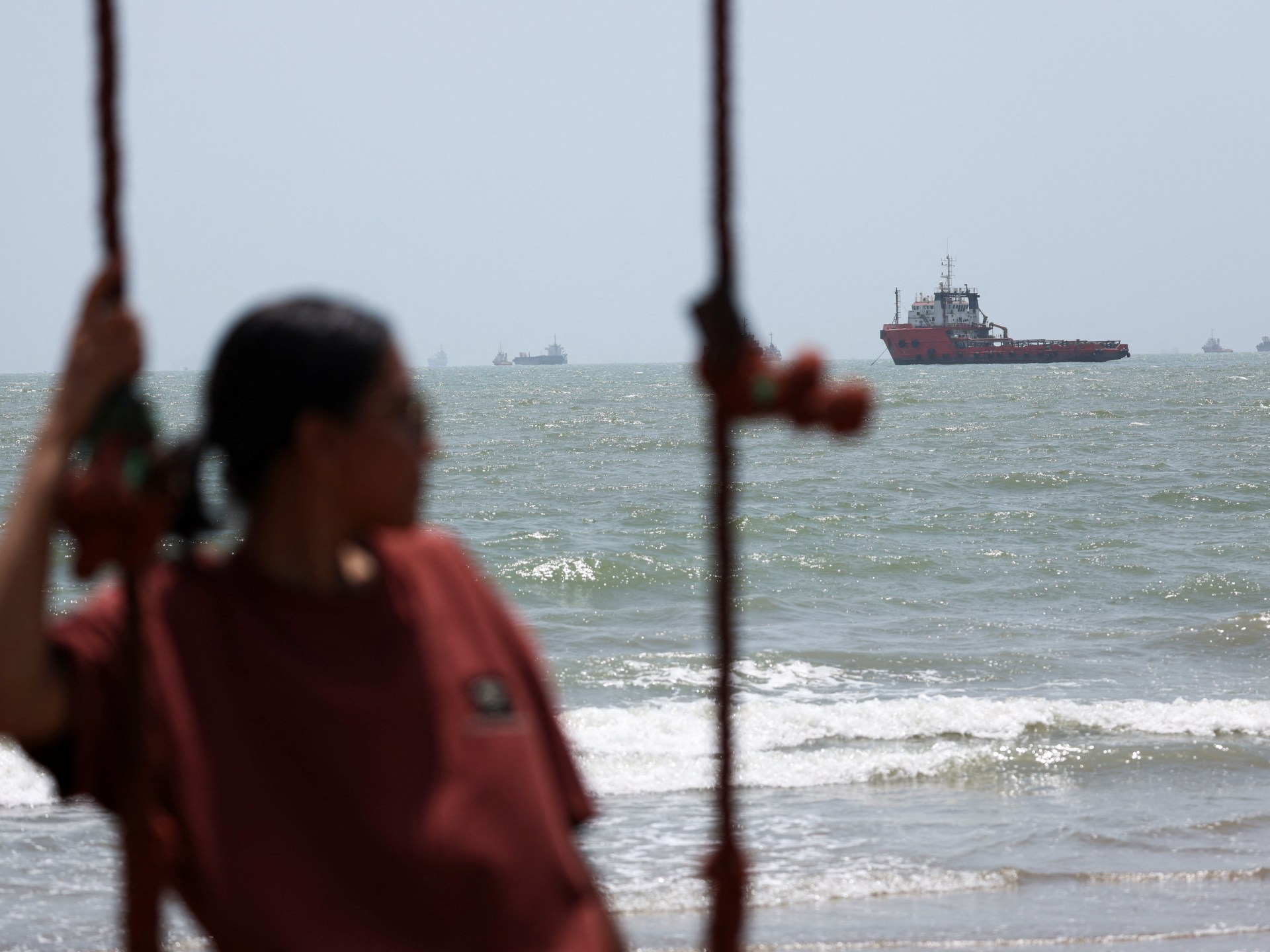
Iran’s Deputy Foreign Minister has reaffirmed that the Strait of Hormuz remains closed despite ongoing negotiations with Oman on a temporary shipping corridor. Meanwhile, the US has intensified its economic pressure strategy, announcing sweeping sanctions targeting Iran’s gold, digital assets, aviation, and shipping sectors. Oil markets are stabilizing as shipping companies adapt to new routing patterns through the Gulf of Oman.
Hormuz Status Remains Disputed
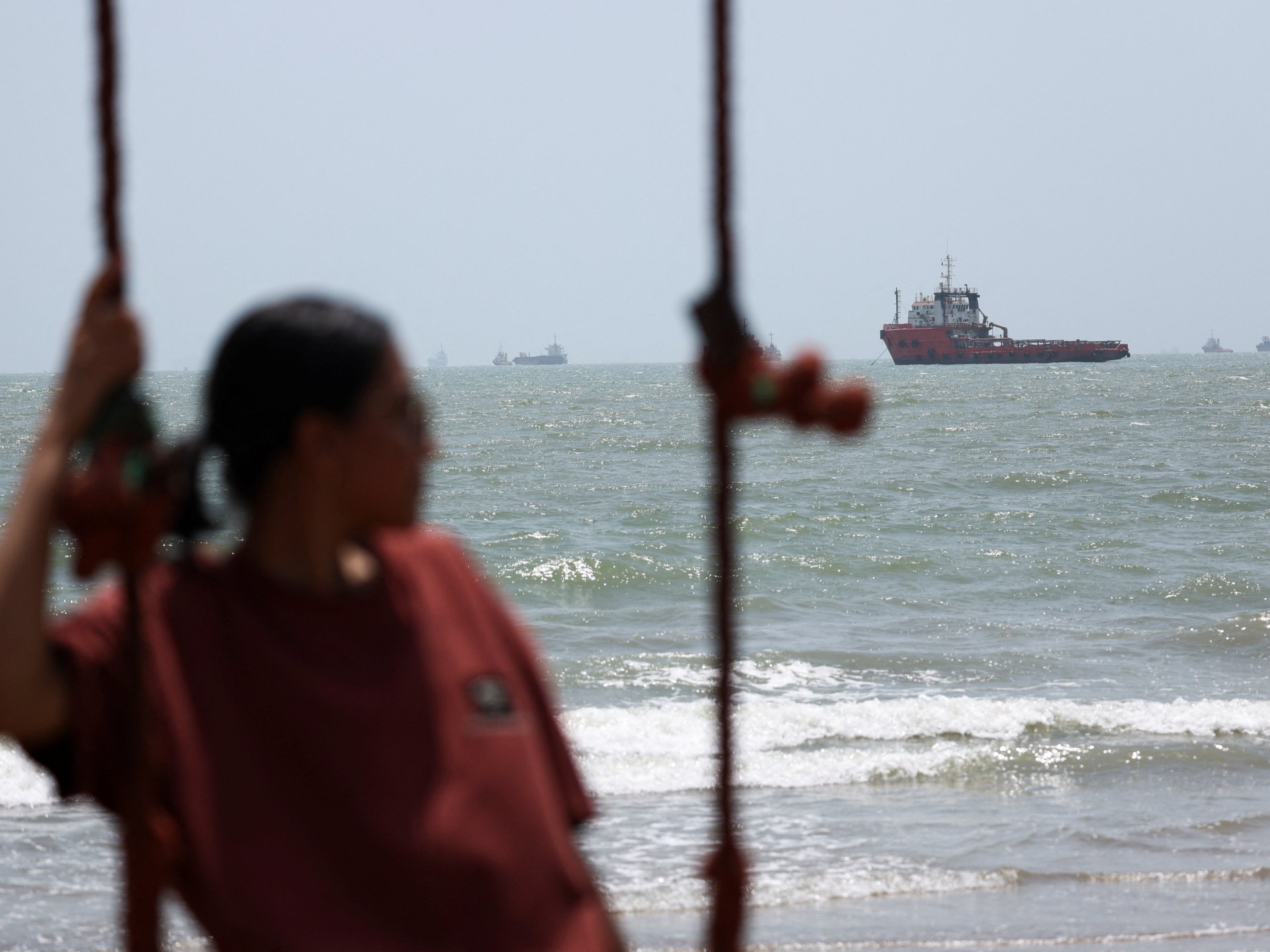
Iranian Deputy Foreign Minister Kazem Gharibabadi stated that the Strait of Hormuz remains closed despite discussions on a temporary transit agreement with Oman, insisting that Washington must return to its commitments under the original memorandum of understanding before the waterway is fully reopened. Meanwhile, US President Trump declared that all mines have been cleared from the strait’s international waters and warned Tehran that any ships laying new mines will be destroyed. The conflicting statements underscore the ongoing standoff over one of the world’s most critical shipping lanes, through which roughly one-third of global maritime oil trade flows.
US Announces ‘Economic D-Day’ Against Iran

The Trump administration has launched what it terms an “Economic D-Day,” announcing comprehensive sanctions targeting Iran’s gold, digital assets, aviation, shipping, and technology industries. The broadened sanctions package threatens penalties for any country or entity engaging with these Iranian sectors, marking a significant escalation of economic pressure alongside the ongoing naval blockade. Analysts note this represents a pivot toward sustained economic coercion rather than military escalation, though experts question whether sanctions alone can compel Iranian concessions without additional military pressure or diplomatic incentives.
Oil Markets Stabilize on Shipping Optimism
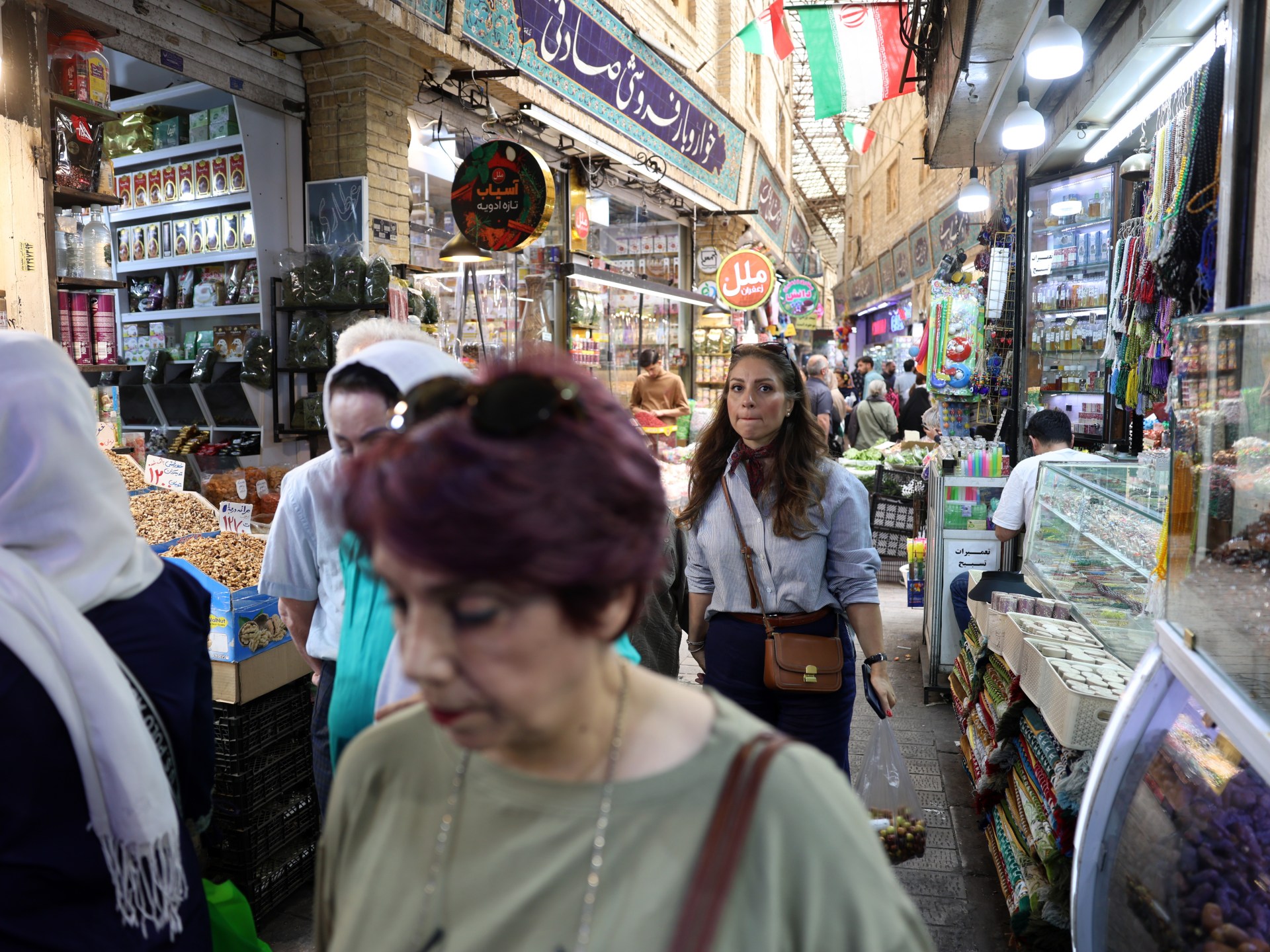
Brent crude fell 2.0 percent to $86.80 per barrel, while US West Texas Intermediate dropped 1.8 percent to $80.87 on hopes that the Strait of Hormuz corridor agreement with Oman could facilitate renewed shipping. The two-percent daily decline reflects market expectations that at least partial Hormuz access may restore global oil supply stability. Shipping companies are meanwhile establishing alternative routes through the Gulf of Oman, with vessel-tracking services reporting at least 20 ship-to-ship transfer sessions daily, pumping an estimated 25 million barrels of crude and refined products from regional producers around Iran’s closure.
US Restores Diplomatic Presence in Middle East
The US State Department announced plans to restore diplomatic staffing at Middle East embassies after withdrawing personnel during the February 2026 escalation. Full staffing will return to missions in Israel, Jordan, and Oman, while Gulf posts in the UAE, Saudi Arabia, Qatar, and Lebanon will remain capped at 85 percent capacity. This modest restoration signals a shift toward sustained diplomatic engagement rather than emergency posture, though below full peacetime levels. The move suggests US confidence in de-escalation trajectory while maintaining readiness for renewed tensions.
Regional Military Activity Continues
Israeli air strikes targeted the southern Lebanese village of Kafr Rummana in the Nabatieh district, continuing routine strikes in the region. Israeli forces have also advanced into a southern Syrian village in operations targeting Iranian-linked positions. These ongoing strikes maintain baseline military pressure while broader policy pivots to economic coercion.
Compiled from the configured RSS feed.