
Iran Conflict — 2026-08-25 (NOON)
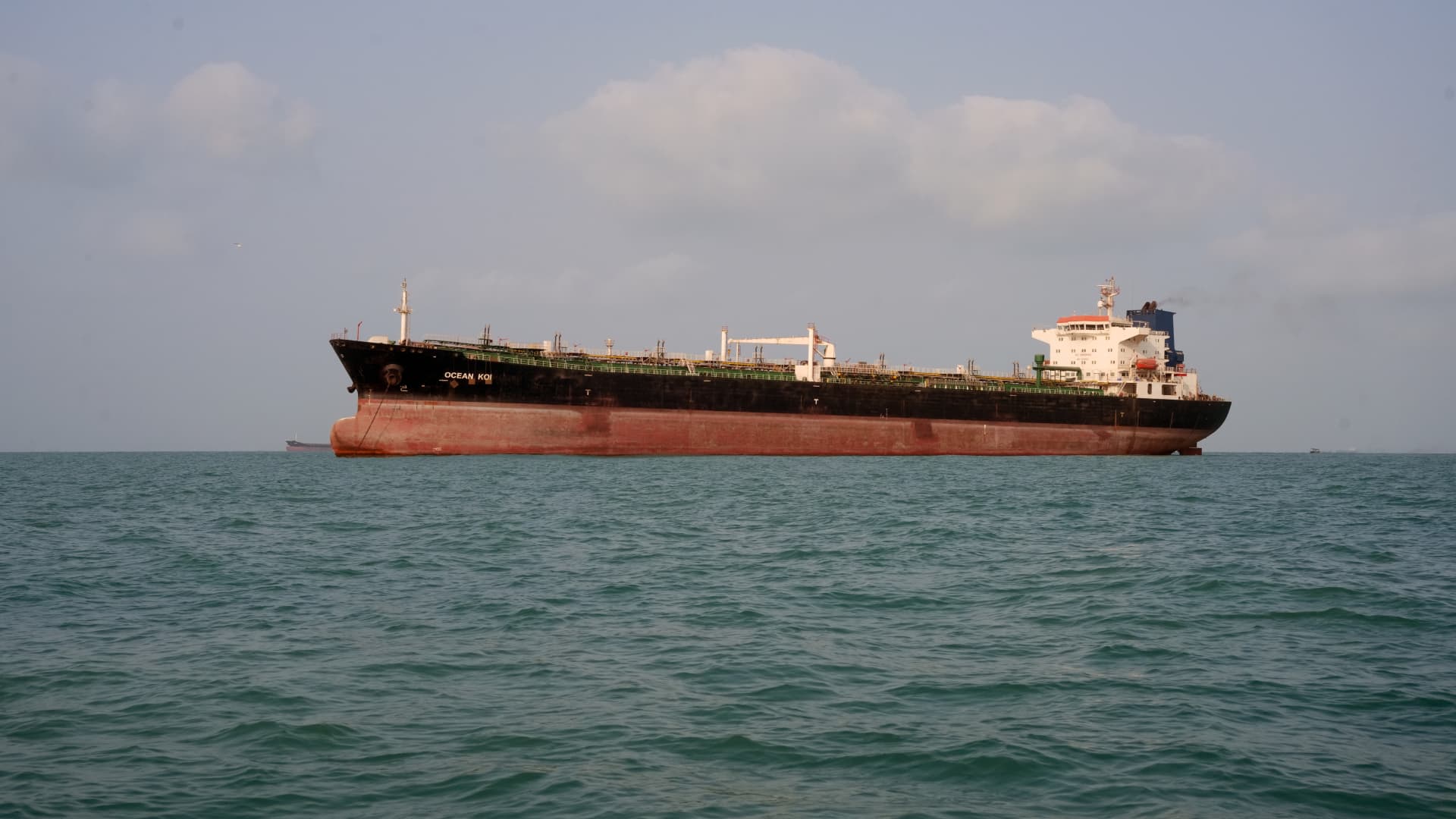
The Trump administration’s shift toward economic pressure rather than military escalation has eased immediate conflict fears, even as diplomatic efforts to resolve US-Iran tensions resume. Pakistan’s military leadership concluded talks in Tehran signaling potential movement on the negotiation track. Meanwhile, Israel continues operations in Gaza following the departure of Jared Kushner from the region, raising humanitarian concerns as the conflict persists across multiple fronts.
US Shifts to Economic Pressure, Oil Markets Ease
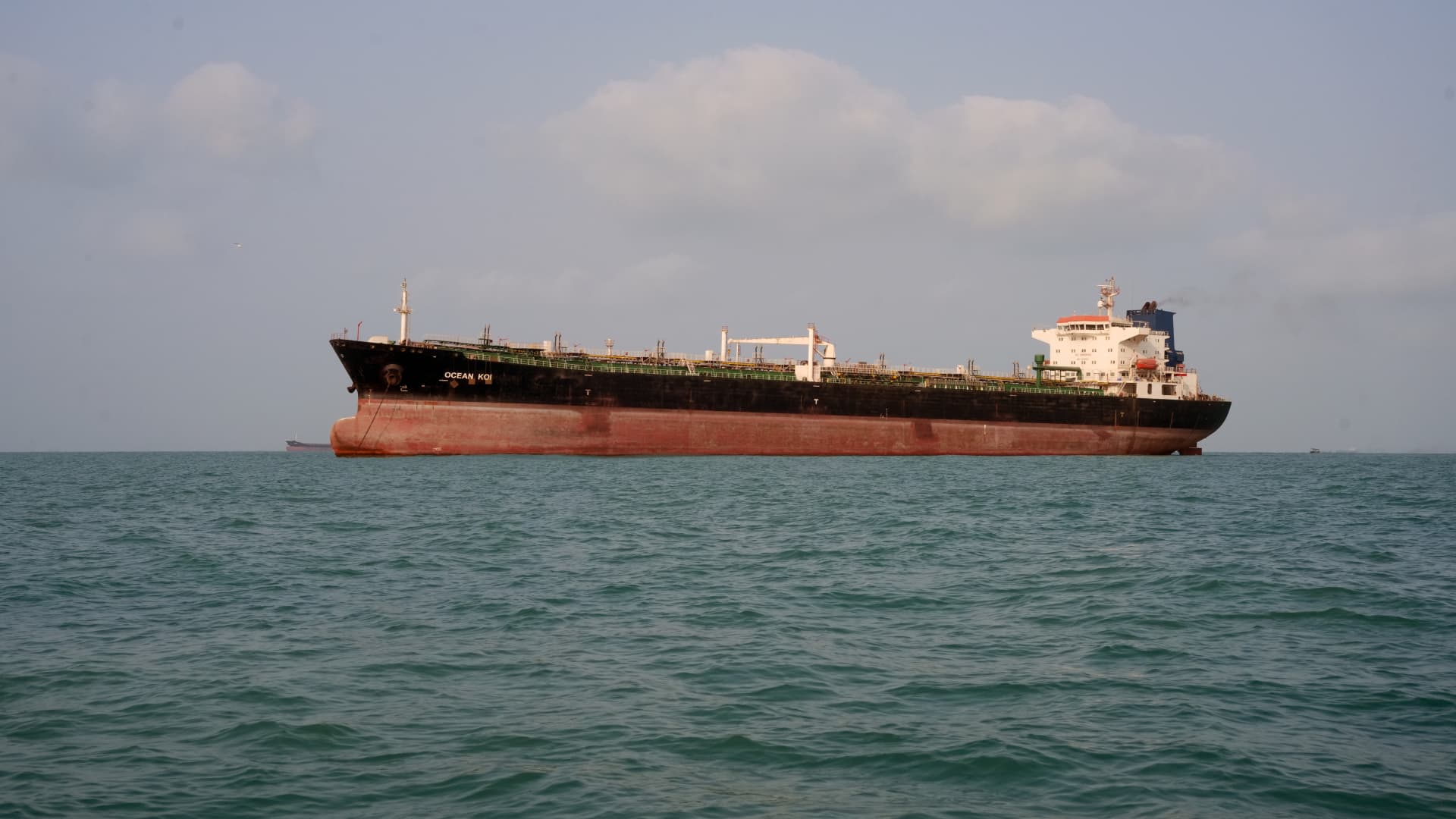
Oil prices fell 3% as markets interpreted the Trump administration’s pivot toward economic coercion rather than military confrontation with Iran. The shift signals a preference for sanctions and targeted trade restrictions over direct military strikes, easing investor concerns about a broader regional war that could disrupt global energy supplies. Crude’s decline reflects reduced fear of Strait of Hormuz disruption, though analysts note economic pressure tactics remain potent tools against Iranian revenues and military capabilities.
Pakistan Mediates Fresh Iran-US Talks
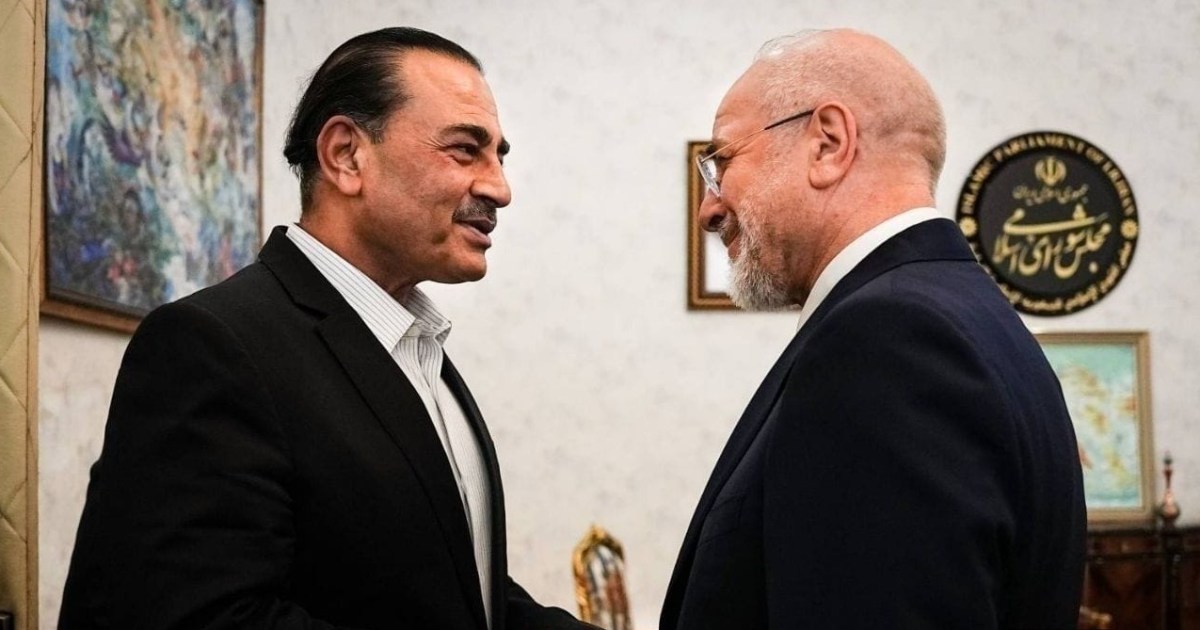
Pakistan’s army chief and interior minister completed a daylong diplomatic mission to Tehran, reporting significant progress in efforts to de-escalate US-Iran tensions. The talks represent a renewal of back-channel negotiations after periods of heightened military posturing. Pakistan’s role as mediator signals both countries may be seeking off-ramps from the conflict cycle, though details of proposed agreements remain undisclosed. The diplomatic activity suggests space for negotiated resolution remains open despite ongoing regional tensions.
Gaza Operations Continue After Kushner’s Exit
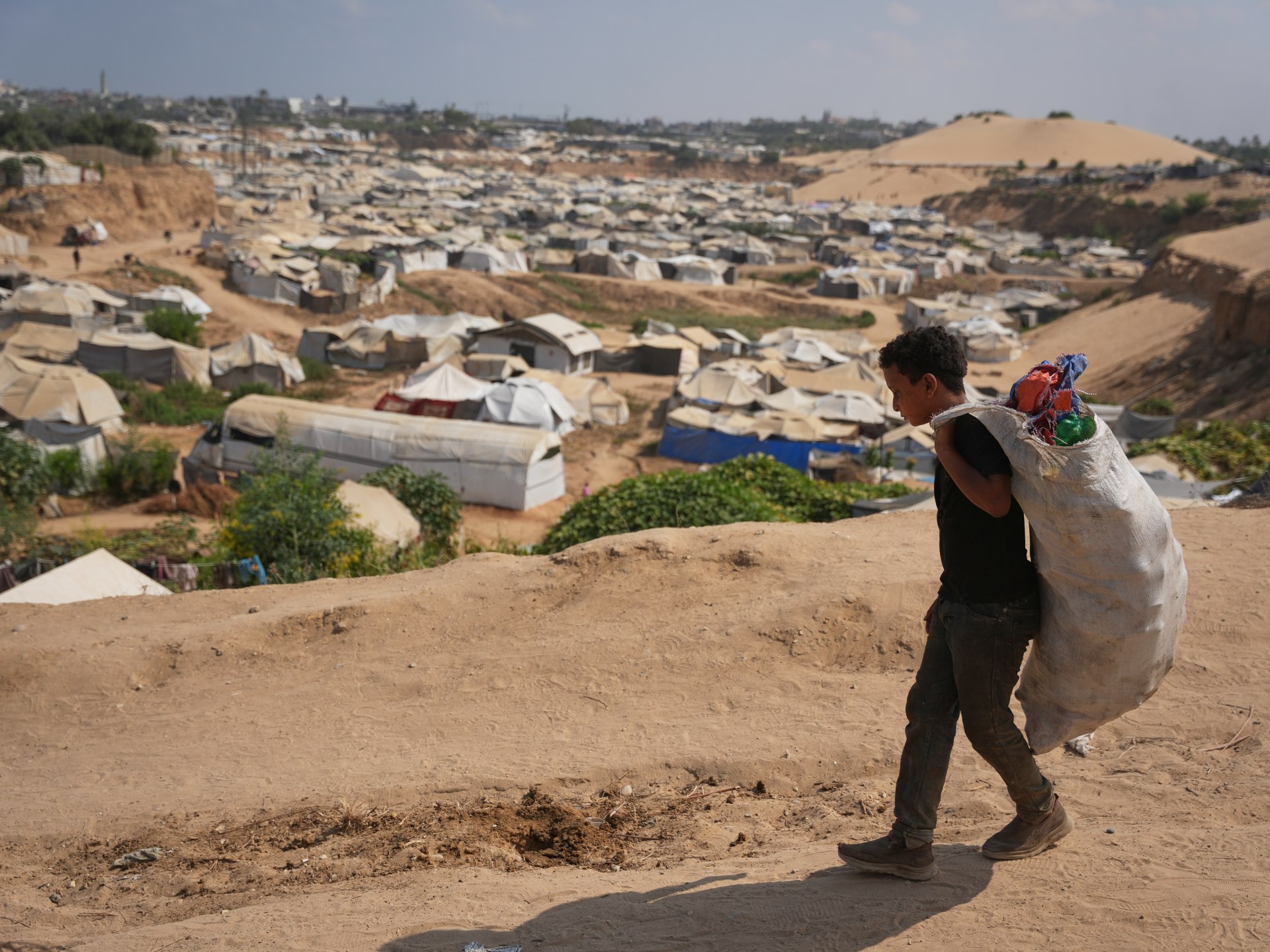
Israel escalated military operations in Gaza following Jared Kushner’s departure from the region, signaling an end to diplomatic pressure for restraint. The intensified campaign occurs despite international condemnation of Israeli conduct in both Gaza and the West Bank, with countries voicing criticism but imposing minimal diplomatic or economic consequences. Operations target civilian infrastructure and populated areas, raising humanitarian alarm as the conflict deepens following months of failed diplomatic initiatives aimed at de-escalation.
Houthis Target Saudi Shipping in Red Sea

Yemen’s Houthi forces reported a successful attack on a Saudi-owned oil tanker in the Red Sea, with the Bahri shipping company confirming the vessel was struck. All crew members were reported safe after the incident. The attack represents continued Houthi operations against maritime traffic in regional waters, maintaining pressure on Saudi-led coalition activities and drawing attention to the broader Yemen conflict intertwined with Iran-US tensions.
Syria: War Crimes Justice Moves Forward

Syria’s accountability process advanced with the sentencing of a top regime cleric known as the “barrel bomb mufti” to life imprisonment for war crimes. The conviction marks a rare moment of justice for victims of the Assad regime’s systematic attacks on civilian infrastructure, including hospitals. Separately, Syria’s president celebrated the nation’s removal from the US state terrorism list, marking a diplomatic shift that signals potential regional realignment as conflict dynamics evolve across the Middle East.
In Brief
- Gaza Humanitarian Crisis: UN reports children in Gaza remain at risk despite marginal improvements in acute hunger, with fuel shortages limiting aid delivery across the territory.
- Saudi Diplomacy: Crown Prince Mohammed bin Salman visits France for talks with President Macron, signaling broader regional diplomatic engagement amidst conflict dynamics.
Compiled from the configured RSS feed.