
Iran Conflict — 2026-08-25 (AM)

The Trump administration has shifted strategy from kinetic military action to comprehensive economic isolation, launching “Operation Economic Outcast” to block Iran’s access to global markets through secondary sanctions. Meanwhile, Israeli strikes on Gaza continue to escalate despite the conflict’s protracted military stalemate, and American public support for the war is eroding.
Trump Administration Escalates Economic War: “Operation Economic Outcast” Announced
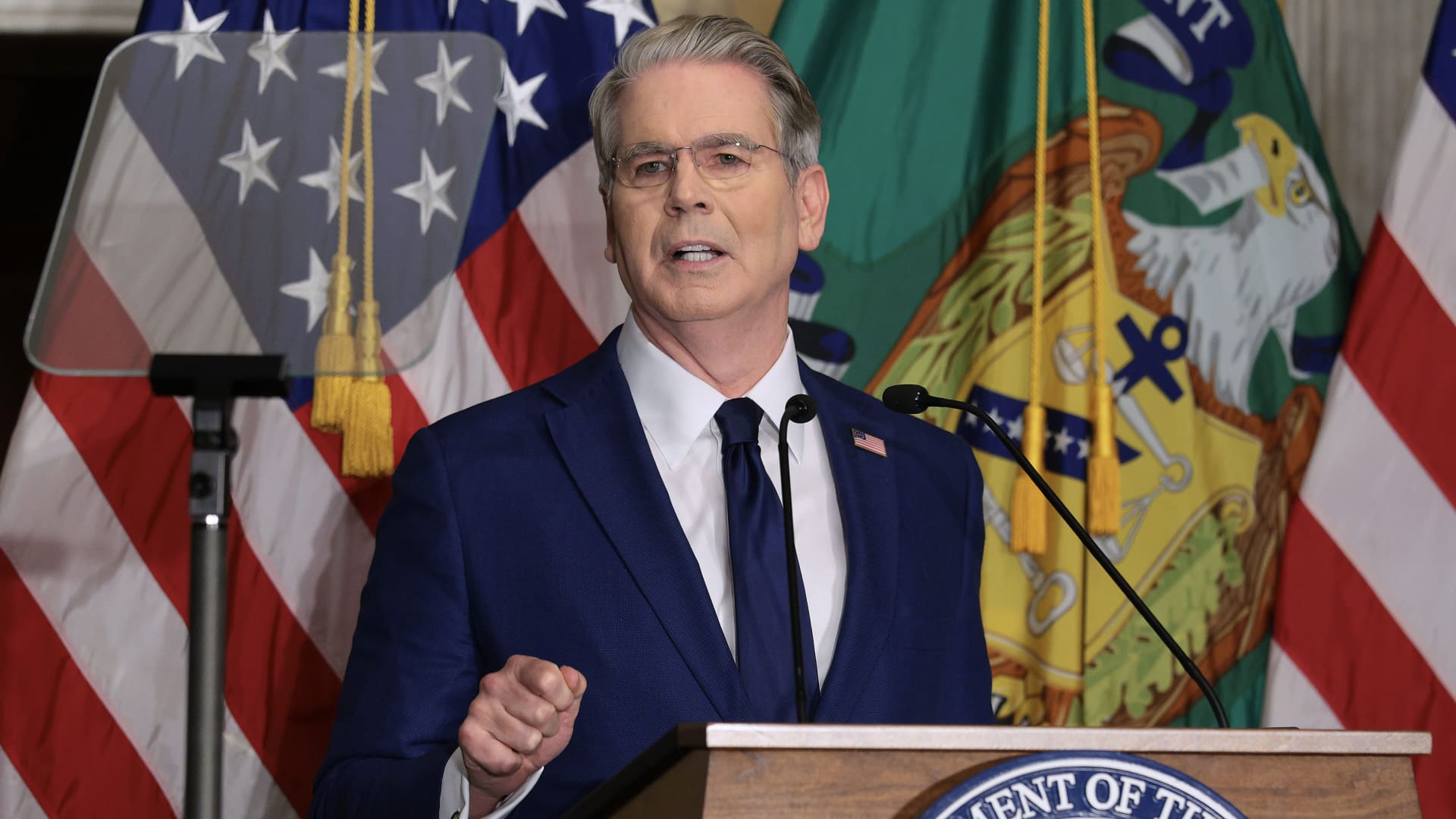
Treasury Secretary Scott Bessent unveiled a comprehensive sanctions campaign designed to cut Iran off from the global economy by targeting the country’s trading partners and major revenue sources, including oil exports. The administration’s new approach, dubbed “Operation Economic Outcast,” represents an escalation in economic pressure aimed at forcing Iranian capitulation through financial strangulation rather than continued military operations. The plan explicitly targets secondary sanctions on nations and entities that maintain economic relationships with Tehran, signaling that Washington views economic isolation as more effective than the six-month military campaign, which has failed to achieve political objectives.
China Targeted in Secondary Sanctions Regime
The Trump administration explicitly signaled that no nation—including China—will be exempt from secondary sanctions if they maintain economic ties with Iran. This represents a significant escalation in Washington’s willingness to impose costs on major trading partners who refuse to sever economic relationships with Tehran. Analysts note that China’s continued trade relationship with Iran presents a major vulnerability in the US sanctions architecture, as Beijing has historically resisted US pressure to abandon profitable trade relationships.
Iran’s Economic Resilience Question: Weathering Maximum Pressure Redux
Iran’s Minister of Economy Ali Madani-Zadeh responded to the new sanctions campaign by noting Tehran’s experience surviving maximum-pressure sanctions since 2015. Analysts assess that Iran has built economic redundancy through trade partnerships (particularly with China and other non-aligned states) that may help cushion the immediate impact, though average Iranians will bear the brunt of economic contraction through reduced purchasing power and unemployment. The question for policymakers is whether economic measures alone, absent diplomatic engagement, will shift Iranian behavior—historical precedent suggests economic pressure without negotiation pathways tends to entrench rather than capitulate regimes.
Gaza Escalation: Israeli Strikes Intensify on Civilian Infrastructure
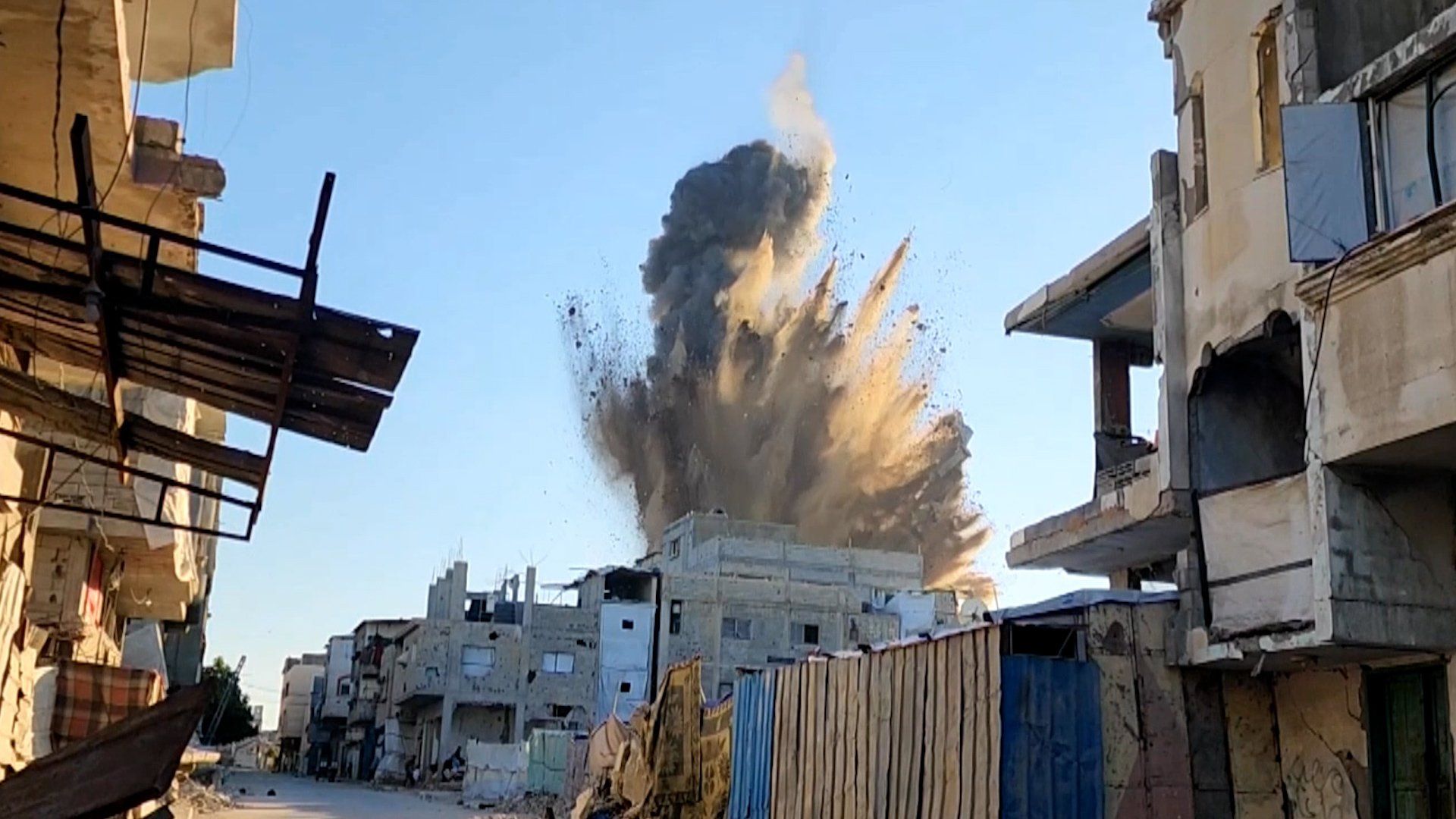
Israeli military operations in Gaza have intensified with strikes on critical civilian infrastructure including a major desalination plant and a mosque, compounding the humanitarian crisis in the enclave. Displaced Palestinians sheltering in makeshift tent camps continue to face attacks, with at least one civilian killed in a recent strike in Deir al-Balah. The targeting of water infrastructure raises concerns about collective punishment and potential violations of international humanitarian law, as destroying desalination capacity directly threatens the survival of the entire civilian population dependent on the facility for drinking water.
US Domestic Support Eroding: Poll Shows Declining War Backing
A new poll indicates that American public support for the Iran war is declining, with Republican backing particularly soft. Rising fuel prices and fears of a prolonged conflict are cited as primary drivers of the shift in sentiment. Trump’s approval rating has reached record lows amid the conflict, suggesting that economic costs at home are translating into political damage despite the administration’s claims of military and strategic success.
Compiled from the configured RSS feed.