
Iran Conflict — 2026-08-23 (AM)
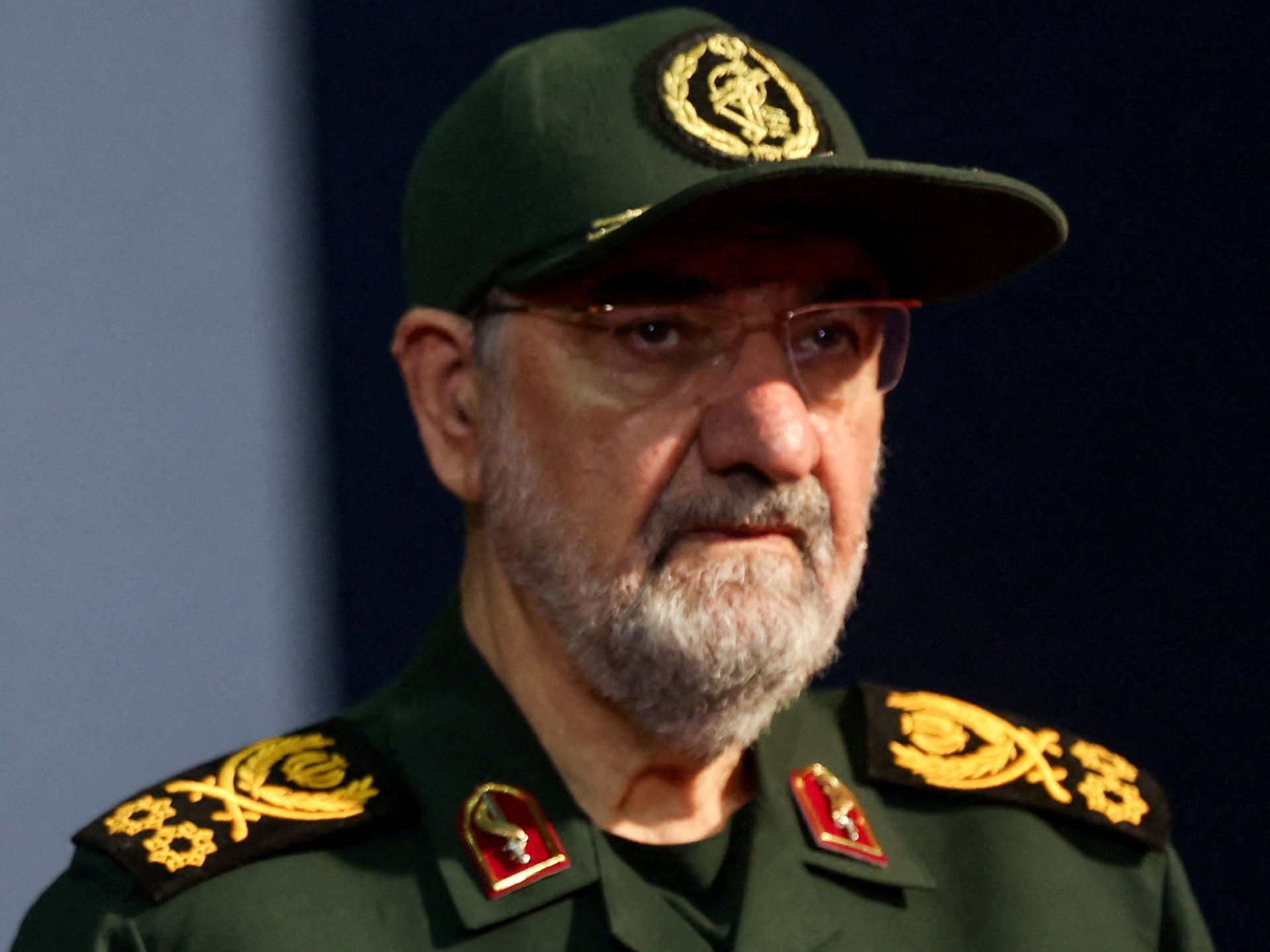
Iran’s leadership escalated rhetorical pressure on neighboring countries, threatening hostile action against any state that joins a US-led economic campaign. Simultaneously, Tehran moved to stabilize regional commerce by permitting Iraqi oil tankers through Hormuz, signaling efforts to maintain economic relationships despite broader geopolitical tensions. Israel’s military operations continued across Gaza and Syria, while regional powers recalibrate diplomatic alignments amid shifting security dynamics.
Iran Threatens Retaliation Over US Economic Campaign
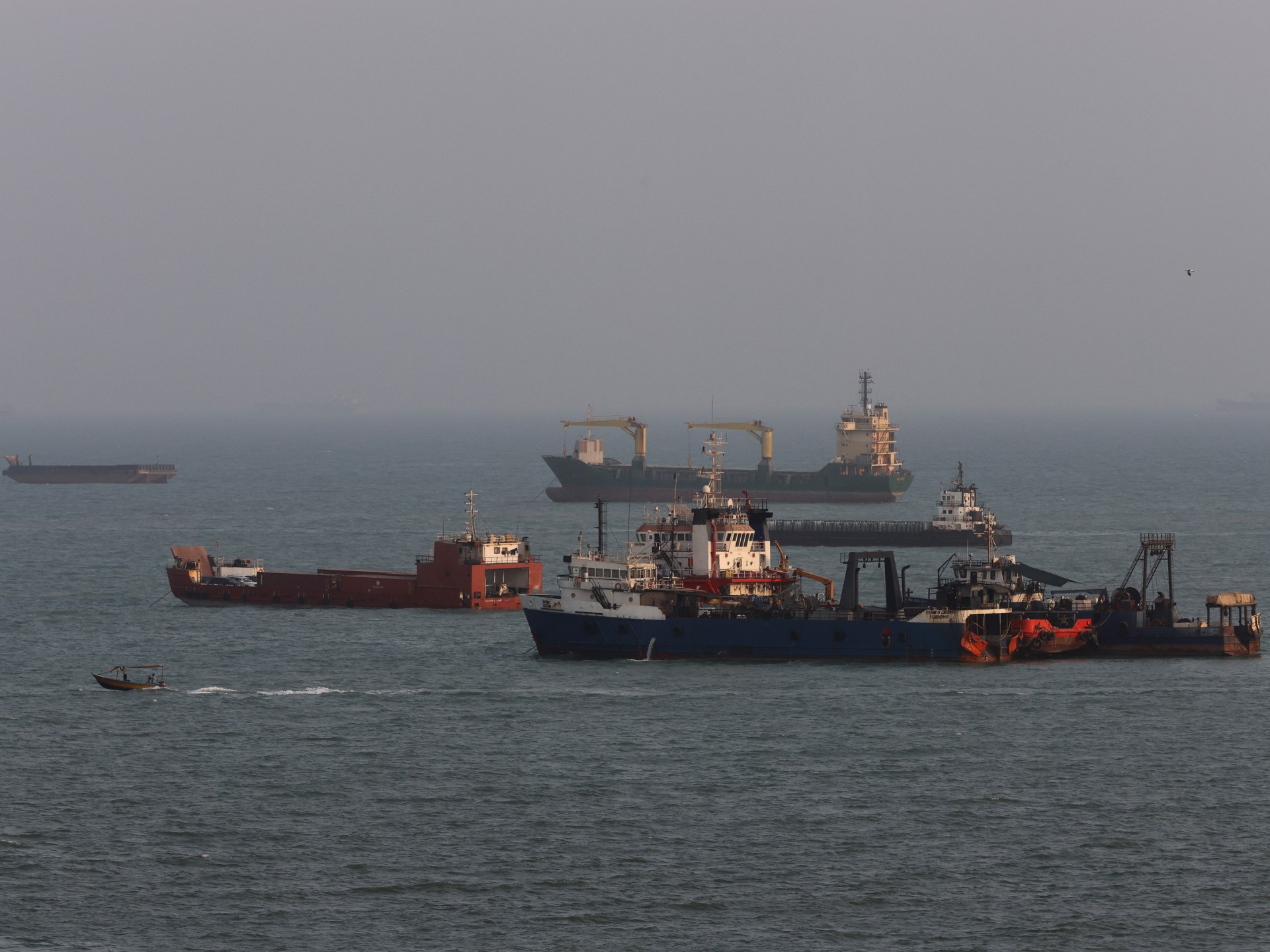
Iranian officials declared that any nation joining what they characterized as a US “economic D-Day” campaign would be treated as an enemy and face retaliation targeting their regional interests. The threat represented an escalation in Iran’s response to proposed international economic pressure, framed as a defense against coordinated Western-led sanctions efforts. Officials emphasized that Tehran would consider cooperation with the US economic initiative a direct hostile act.
Iran Opens Hormuz to Iraqi Oil, Signals Selective Stability
Tehran granted permission for select Iraqi oil tankers to transit the Hormuz Strait, a strategic move signaling willingness to maintain critical energy commerce despite regional hostilities. Iraqi President Nizar Al-Amidi simultaneously pledged that Iraqi territory would not be used as a launch point for attacks against any nation, effectively distancing Iraq from broader conflict dynamics. The dual moves suggested Iran’s preference for selective engagement over total economic shutdown of key regional partners.
Gaza Escalation Continues; Israel Expands Strike Operations
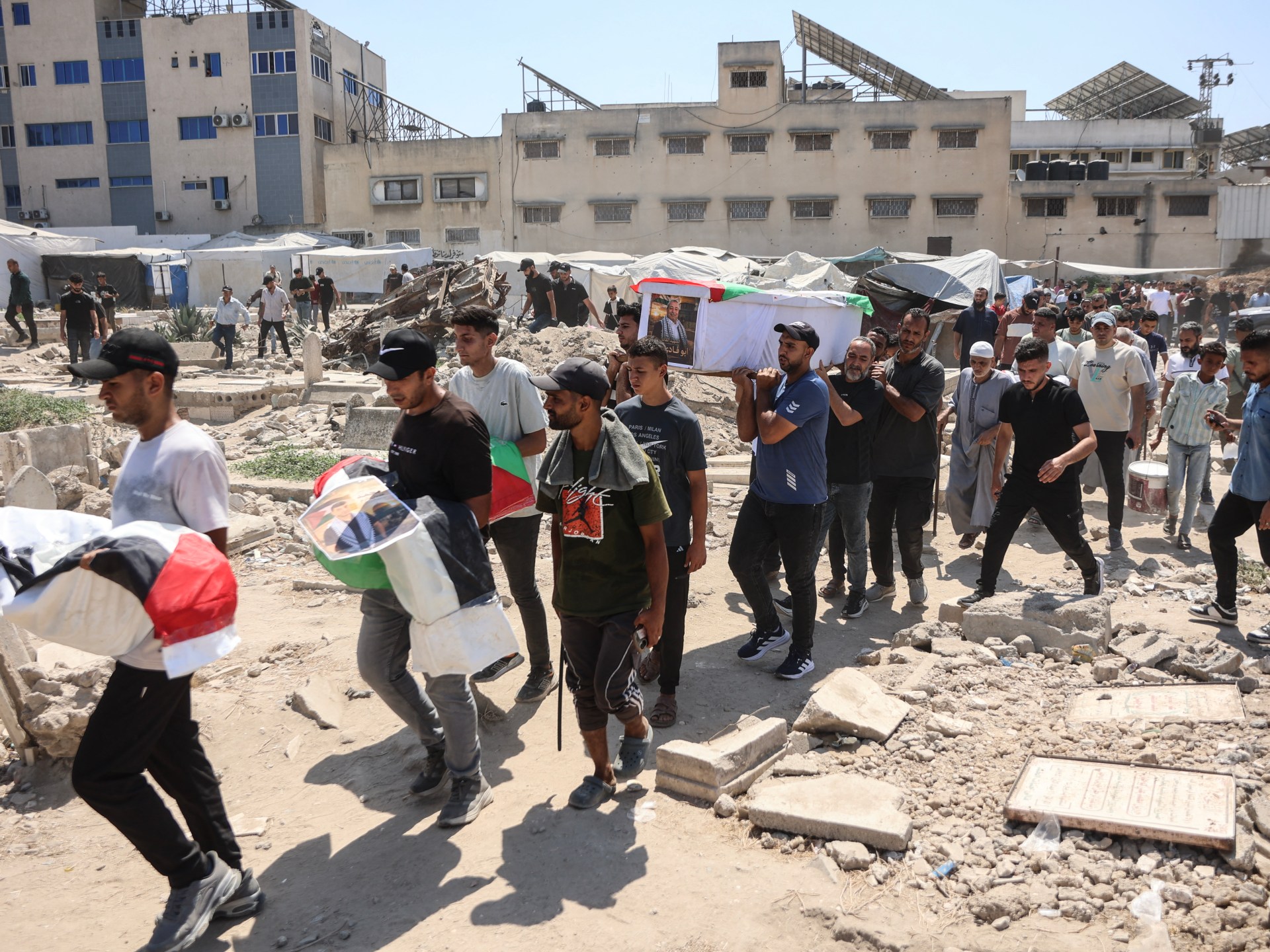
Israeli military strikes killed two people in Gaza and injured several others during drone attacks on civilian areas, including a strike on a family vehicle in Deir el-Balah. Simultaneous Israeli drone operations targeted a civilian vehicle in Syria, reflecting a widened scope of military action across multiple fronts. The continued escalation raised humanitarian concerns as civilian casualties mounted amid ongoing air operations.
Regional Powers Realign as Turkey-Israel Tensions Mount
Israel and Turkey’s divergent security interests in Syria increasingly shape broader Middle Eastern power structures, with implications for Saudi Arabia and other Gulf actors. Israeli military operations in Syrian territory have created friction with Turkey’s regional objectives, while both powers seek alignment with or against Saudi strategic interests. The emerging realignment reflects a complex three-way negotiation over Syria’s future and regional influence that cuts across traditional alliance lines.
In Brief
- West Bank settlements: Israeli settlers and military forces injured multiple Palestinians during incursions into West Bank communities, continuing a pattern of friction in occupied territories.
- Diplomatic pressure: Over 100 former diplomats called on France and the UK to impose sanctions on Israel over Palestine policy, signaling international divisions over response strategies.
Compiled from the configured RSS feed.