
Iran Conflict — 2026-08-22 (AM)
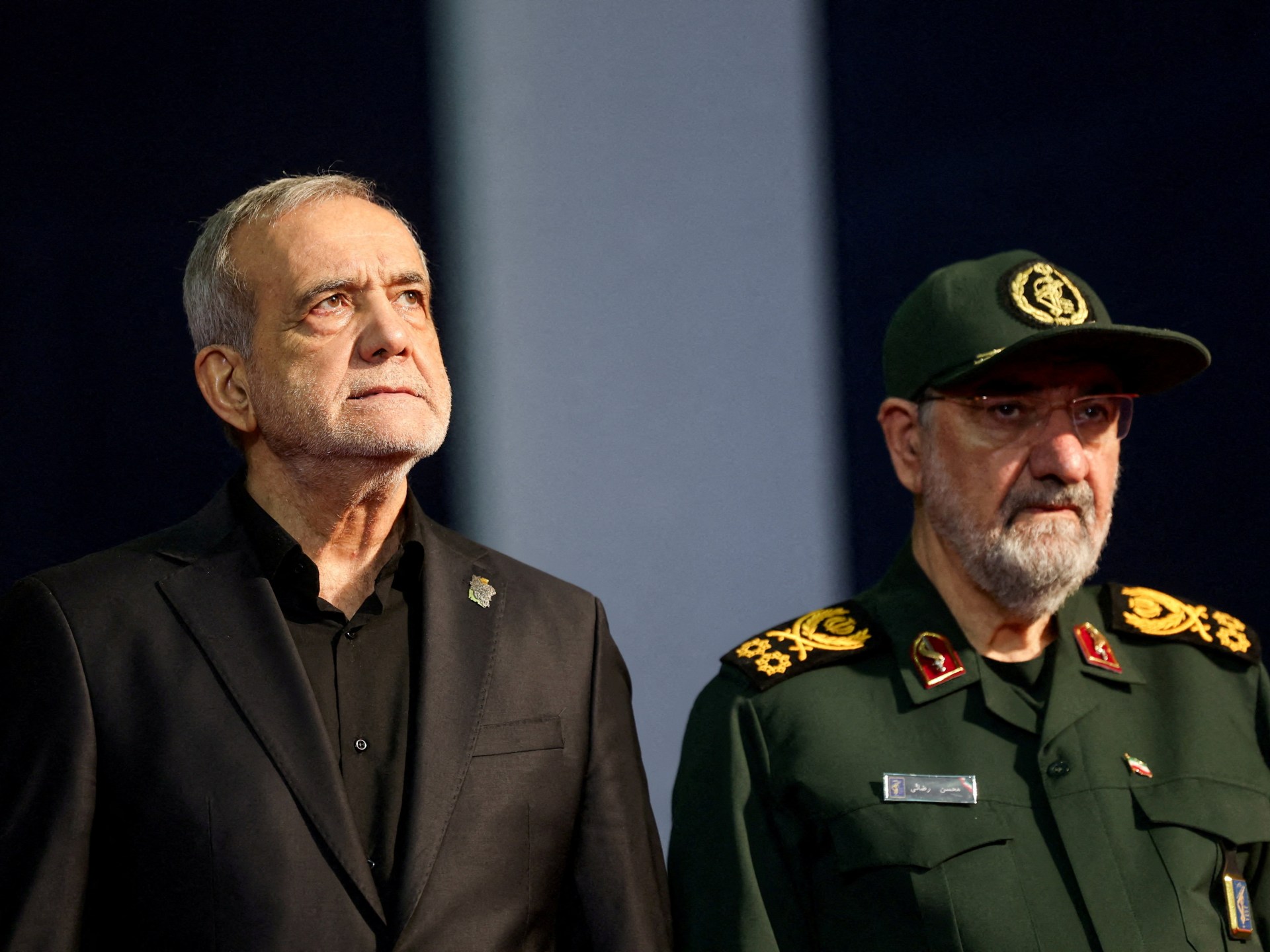
Diplomatic standoff deepens. As the six-month mark approaches, both Iran and the United States harden their positions while economic pressure replaces military escalation as Washington’s primary strategy. Tehran continues to signal willingness to negotiate but from claimed positions of strength, while the Trump administration dismisses Iranian overtures as insufficient.
Stalled Negotiations: Iran Claims Strength as Trump Dismisses Prospect
Iranian President Masoud Pezeshkian stated Friday that Tehran should end the war “now as we are in a position of power and dignity,” claiming global recognition of Iran’s “victory” and noting that the US has “attacked our schools, hospitals and infrastructure in violation of all regulations.” The president defended the expired June memorandum of understanding against hardline domestic critics, insisting it contained no capitulation clauses. However, Iran’s military leadership, through Major-General Ali Abdollahi, countered with defiant rhetoric, warning that armed forces “will respond to the enemy’s new threats with crushing, punishing and devastating responses.” Meanwhile, Oman and Iran’s foreign ministers discussed resuming dialogue on Strait of Hormuz shipping disruptions, even as Washington maintains a naval blockade and organizes secret convoys protecting five to ten million barrels of daily oil exports through the southern corridor.
President Trump rejected any imminent peace deal, declaring Iran “would love to make a deal, but they’re not ready to make the right deal in my opinion.” He stated the US views the Strait of Hormuz as “American territory right now,” signaling Washington’s intent to maintain military control over the critical waterway.
Economic Sanctions Replace Military Campaign as Trump’s “D-Day”
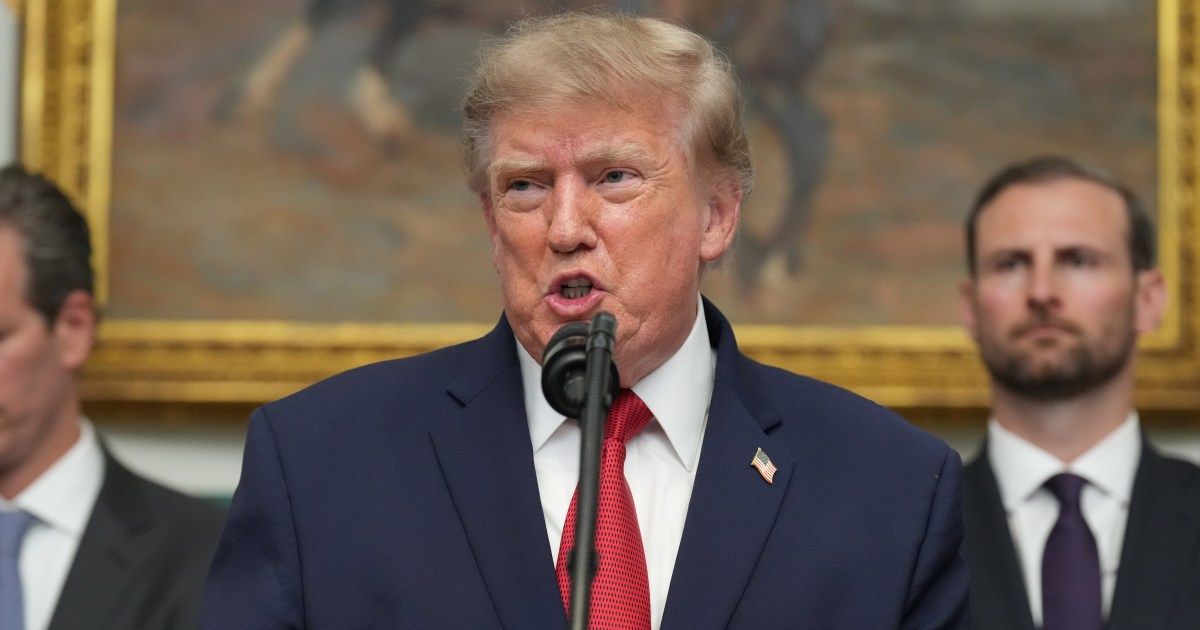
After six months of military operations that failed to produce the political capitulation Washington sought, the Trump administration is shifting strategy toward comprehensive economic isolation. Treasury Secretary Scott Bessent announced plans to “collapse” Iran’s economy through a sanctions campaign, with Bessent holding a press conference Monday to unveil details. Trump’s use of military terminology—“D-Day”—to describe economic pressure signals frustration with the limited results of conventional warfare. Analysts note, however, that Iranians have endured maximum-pressure sanctions since the 2015 nuclear deal’s collapse and are unlikely to capitulate under renewed economic coercion. A major vulnerability in Washington’s isolation strategy is China’s continued trade relationship with Tehran; while US officials warn of “economic consequences” for any nation providing “lifelines to Iran,” targeting the China-Iran connection carries significant risks for US-Sino relations, particularly as Trump seeks a summit with President Xi Jinping next month. Iran’s Foreign Ministry condemned the sanctions plan as “economic terrorism” and a “declaration of war on all nations,” arguing they violate UN Charter principles of sovereign equality and international law.
Iran Threatens European NATO Infrastructure; Bulgaria Bezmer Base in Crosshairs
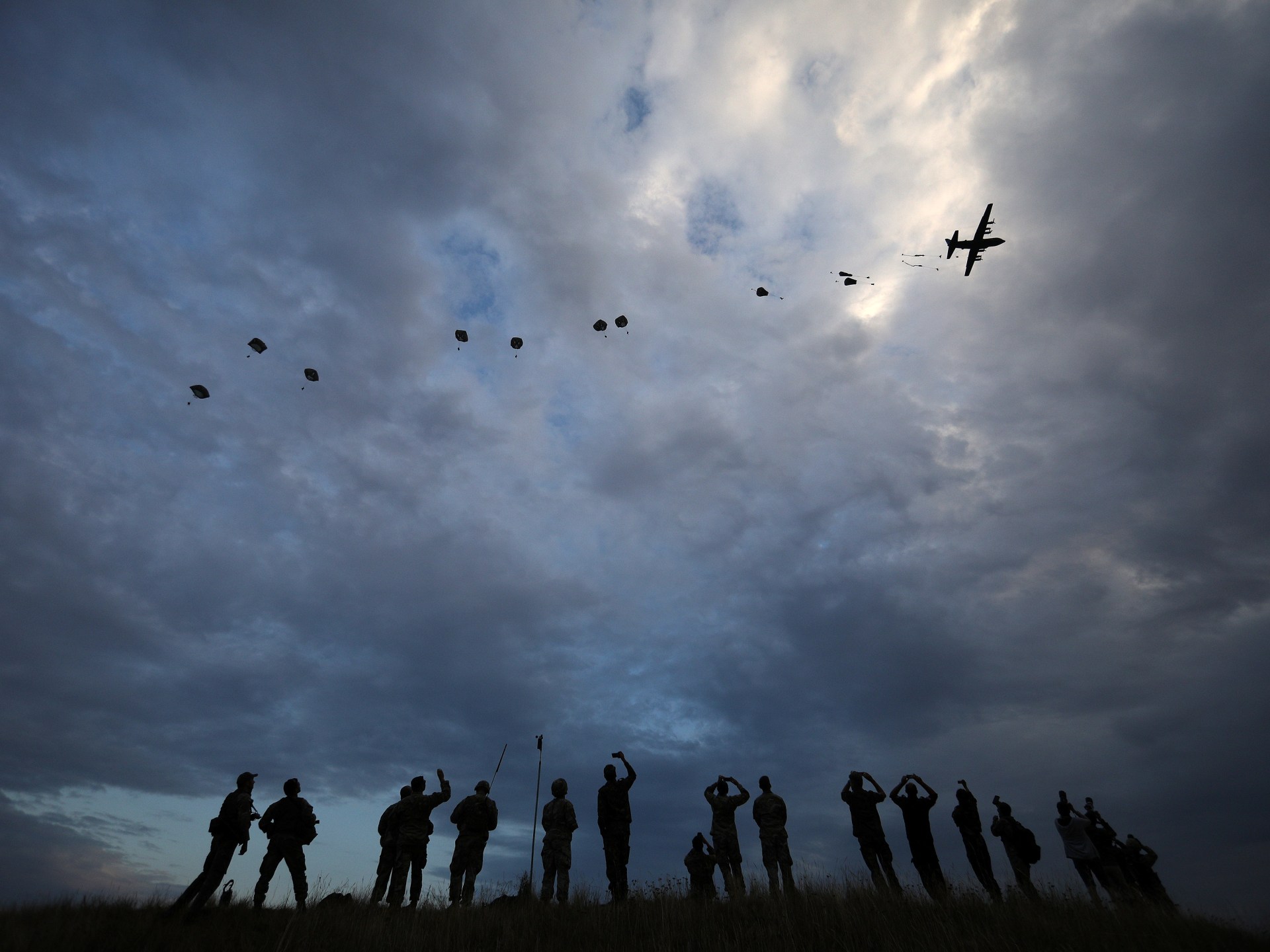
Expanding its targeting matrix beyond the Middle East, Tehran has threatened southeastern European allies hosting US military assets. Iran’s Foreign Minister Abbas Araghchi warned that any nation aiding US “aggression” against Iran would be considered a legitimate target for Iranian retaliation. Bulgaria, which approved the use of its Bezmer Air Base for US aircraft refueling operations, has become a specific focus of Iranian threat rhetoric. The base functions as critical logistical support for US Middle East operations and aid to Ukraine via Black Sea routes, making it strategically valuable but politically exposed. According to Financial Times reports citing Iranian sources, Tehran will consider attacking European targets if Washington escalates further. Analysts debate whether an actual Iranian strike on Europe would be strategically rational—an attack on a NATO and EU member would likely trigger Article 5 collective defense clauses and hand Trump the European coalition he has so far failed to assemble, potentially expanding the conflict dramatically. For now, Iran appears to calculate that credible threats to European infrastructure may deter further base expansions and divide the European-US coalition, but the credibility trap means repeated threats without action will eventually require demonstration strikes to maintain deterrent effect.
Turkey Formally Seeks Netanyahu Arrest Warrant; Regional Legal Pressure Mounts
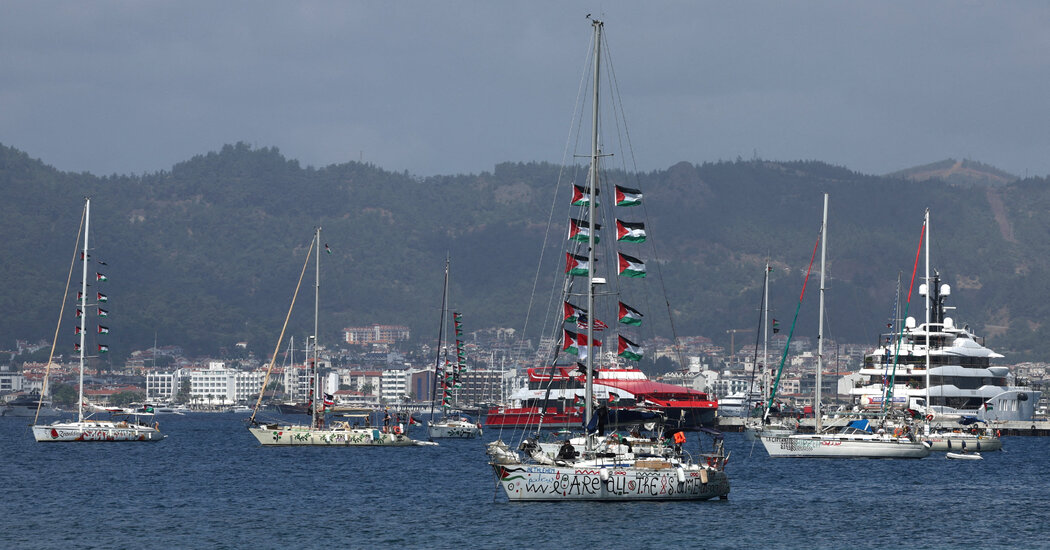
Turkey has formally requested that Interpol issue an arrest warrant for Prime Minister Benjamin Netanyahu, accusing him of genocide and crimes against humanity related to Gaza operations. The request escalates months of diplomatic friction and Turkish condemnation of Israeli military conduct. Turkey also submitted a warrant request for other Israeli officials, reflecting Ankara’s effort to leverage international legal mechanisms as a diplomatic weapon. Western allies including the US have criticized Israel for ending its probe into the 2024 World Central Kitchen airstrike, with multiple nations calling the closure premature and warning of legal consequences.
In Brief
Palestinian humanitarian crisis deepens: UN Human Rights Office identified 22 Palestinian deaths in Gaza between August 13–19 as potentially constituting war crimes; Israel launched renewed raids on Gaza police facilities, killing eight officers and a child.
Settler violence continues: Israeli settlers killed two Palestinians in separate West Bank incidents Friday; Palestinian doctor Dima Amin arrested in Ramallah after speaking publicly against medical practitioner detentions.
Compiled from the configured RSS feed.