
Iran Conflict — 2026-08-21 (NOON)

The Trump administration intensifies economic pressure on Iran with threats of “economic D-Day,” while regional tensions simmer over Israeli settler violence in the West Bank and the repositioning of US military assets. Oil markets respond to the tightening sanctions rhetoric as negotiations and proxy tensions shape the region’s security landscape.
Trump’s ‘Economic D-Day’ Against Iran Reshapes Regional Calculus
The Trump administration has signaled a strategic shift toward comprehensive economic isolation of Iran, replacing military confrontation with sanctions-driven coercion. The Treasury Secretary’s public commitment to economic measures drew Tehran’s attention, with Iranian lead negotiator Mohammad Bagher Ghalibaf warning that Iran “must plan to overcome U.S. sanctions” after Trump’s “economic D-Day” threats. Oil markets reacted by posting a second straight week of gains as hopes for a swift reopening of the critical Strait of Hormuz shipping lane dimmed, with prices reflecting supply-chain anxieties tied to the escalating economic warfare. The move signals a hardening line against Iranian interests even as negotiations technically continue.
US Designates Hezbollah as Iranian Proxy, Escalates Sanctions on Financing Network
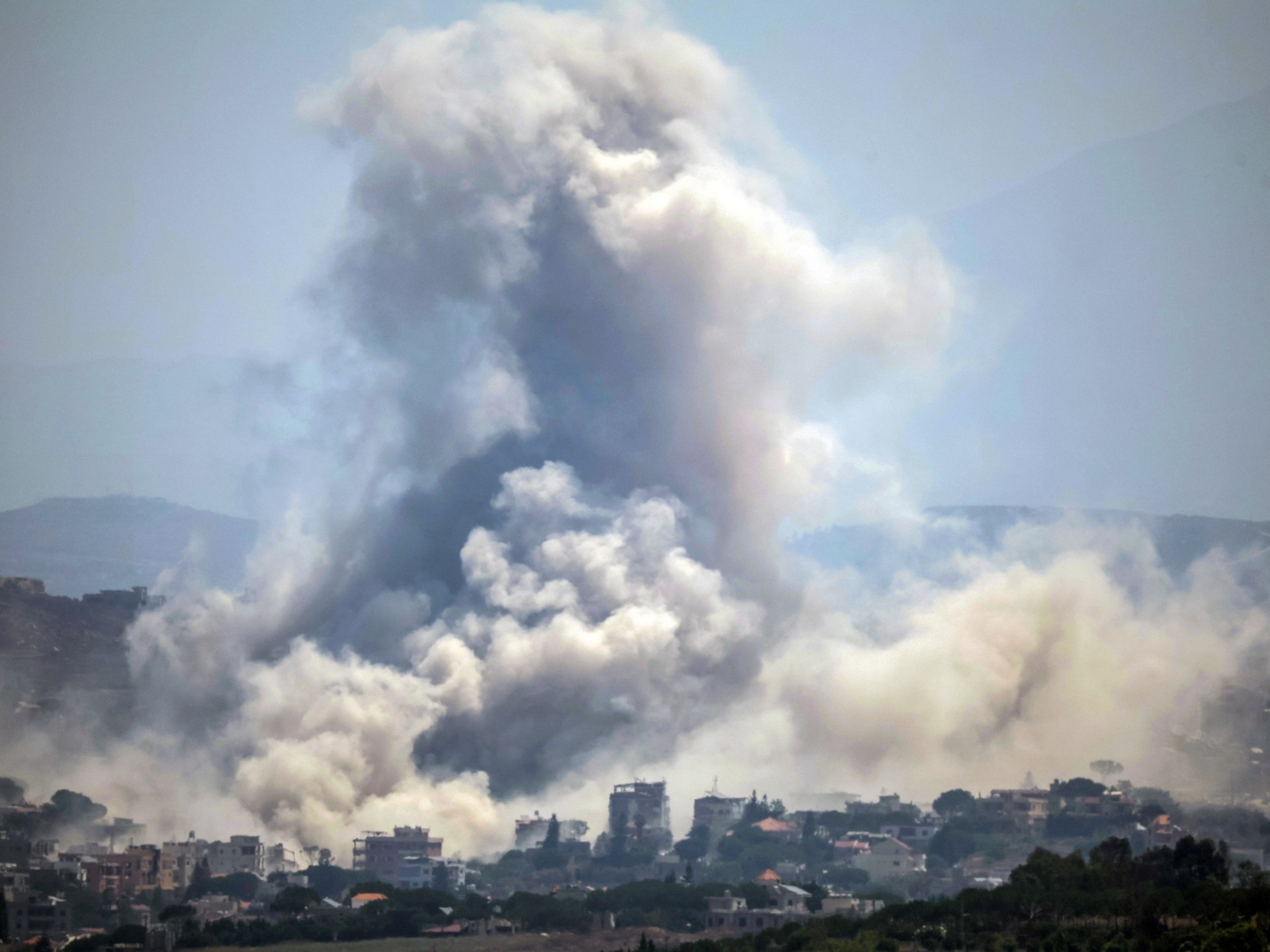
The US Treasury Department formally labeled Hezbollah an extension of the Iranian Revolutionary Guard Corps’ (IRGC) Quds Force and announced sanctions targeting the organization’s financing networks. The designation tightens pressure on Lebanon-based Hezbollah’s operational capabilities and international fundraising, while signaling Washington’s intent to degrade Iranian proxy forces across the Middle East. The move accompanies broader economic sanctions against Iran and reflects the administration’s strategy of targeting Tehran’s regional influence through its allied militant organizations.
US Shifts Military Assets for Iran Contingency; Asian Allies Raise Strategic Concerns
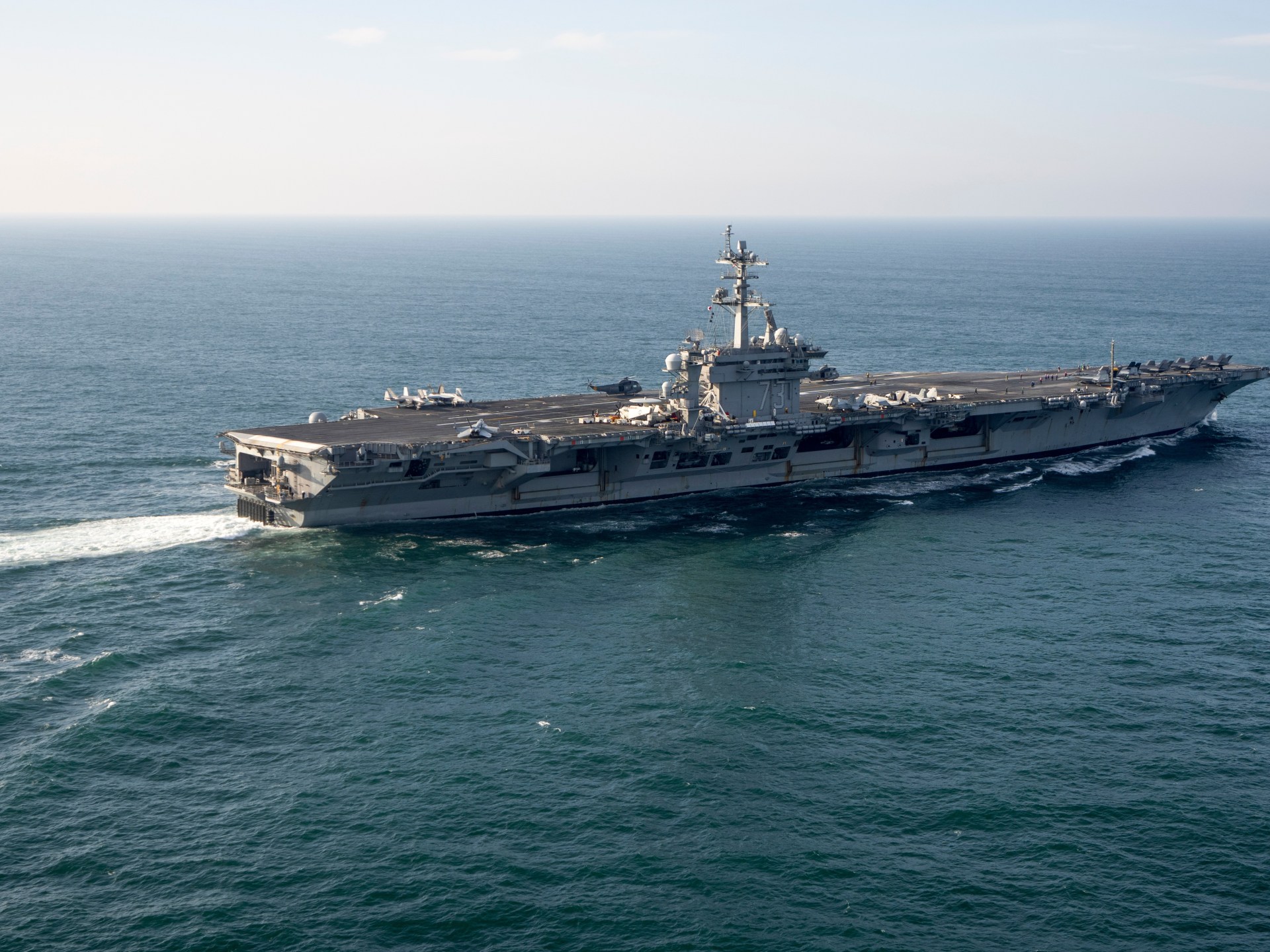
The Trump administration has begun repositioning military assets ostensibly for a potential Iran conflict, prompting concern among Asian allies about US commitment to regional security against Chinese threats. While the bulk of US forces remain in the Indo-Pacific, allies in South Korea, Japan, and allied nations worry the reallocation signals a reduced deterrent posture toward Beijing at a moment of rising tensions. The move underscores the strategic trade-off between maintaining presence against China and preparing for Middle East contingencies.
Israeli Settler Violence Escalates; West Bank E1 Settlement Plan Draws Condemnation
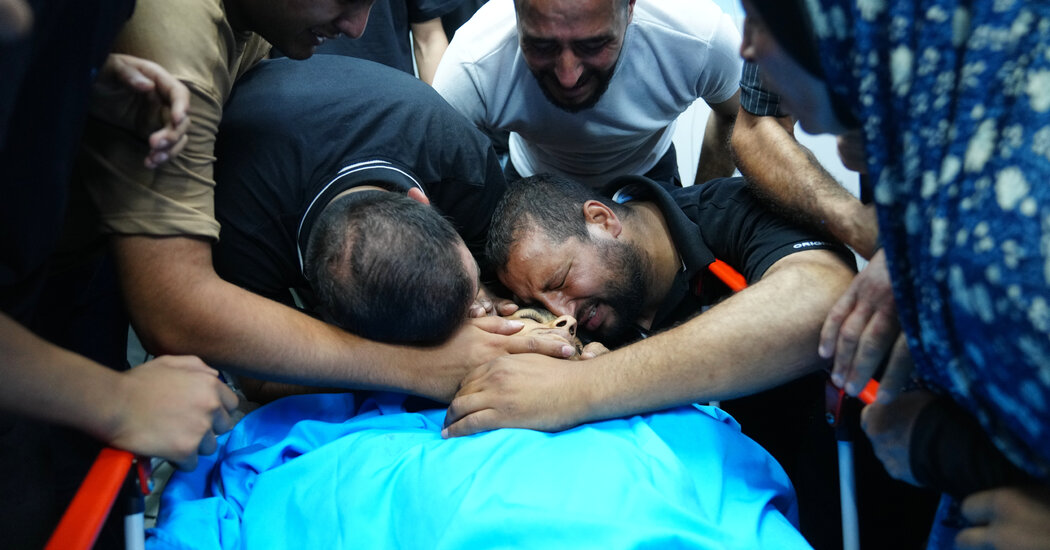
A Palestinian teenager was killed after Israeli settlers entered a West Bank village near Nablus, marking another escalation in settler-perpetrated violence that has surged across the occupied territory. Palestinian and Israeli authorities offered divergent accounts of the incident, with reports indicating settlers attacked the community while residents slept. Concurrently, Europe and Canada condemned Israeli government plans to expand the E1 settlement block, warning of “legal and reputational consequences” for nations participating in the project. The combined settler violence and government expansion plans signal sustained pressure on Palestinian communities as diplomatic efforts to broker a settlement remain stalled.
Compiled from the configured RSS feed.