
Iran Conflict — 2026-08-21 (AM)
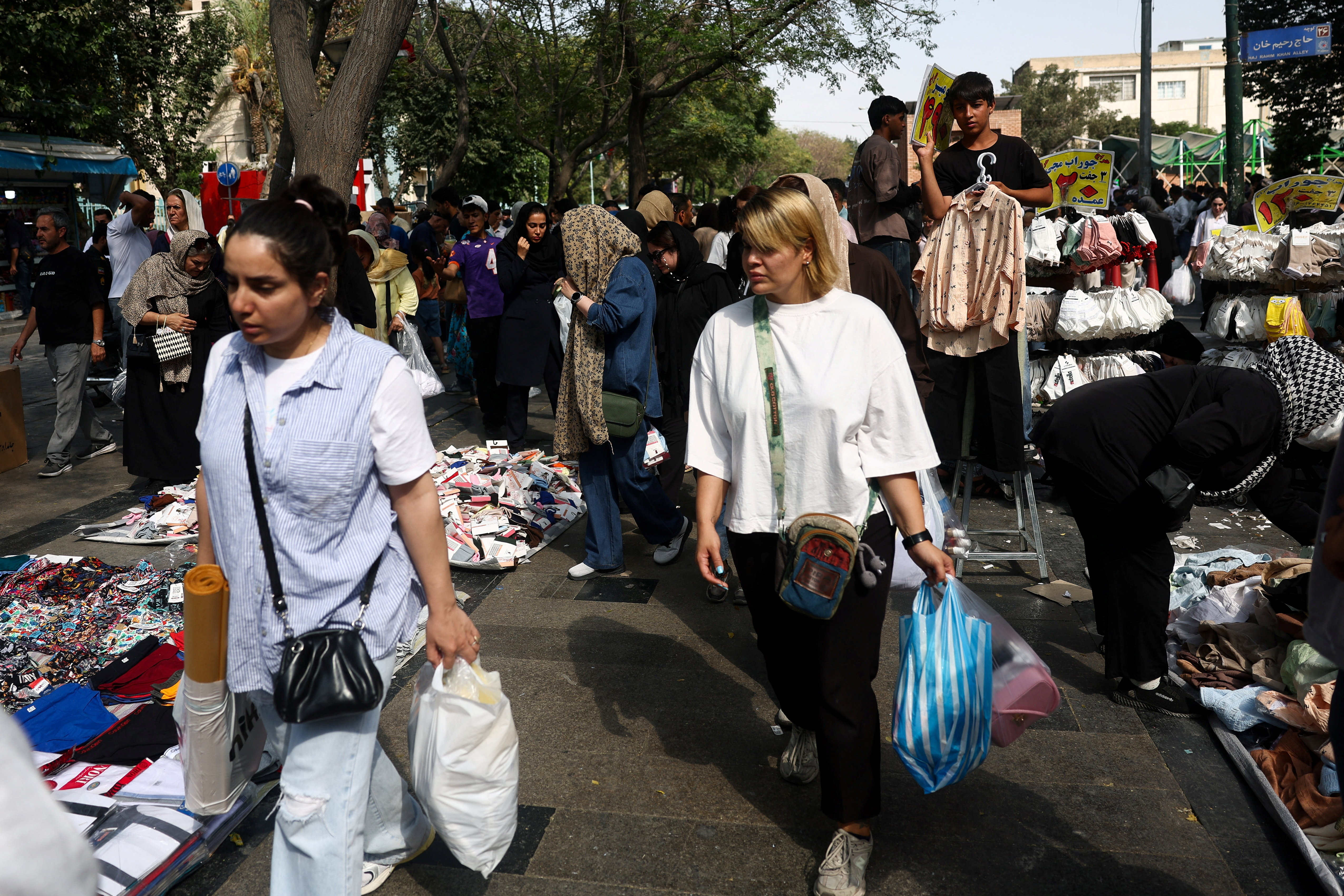
The US is shifting its Iran strategy toward maximum economic pressure six months into the war. Treasury Secretary Bessent unveiled measures designed to collapse Iran’s economy while President Trump signals reluctance for large-scale military escalation. The approach aims to achieve strategic objectives through financial isolation—but faces the challenge of enforcing compliance from key trading partners like China and Russia.
US Escalates Economic Pressure Without Military Escalation
Treasury Secretary Scott Bessent announced new economic measures intended to “collapse” Iran’s government, signaling a shift toward maximum financial pressure. President Trump’s public messaging—invoking an “economic D-Day”—appears designed to convey to Iran that the US prefers economic coercion over returning to active combat operations, nearly six months into the conflict. Bessent acknowledged that large-scale military engagement is unlikely to resume, with the focus shifting decisively to economic tools. The timing of the announcement comes as the war continues without a clear path to resolution.
China and Russia Emerge as Obstacles to US Isolation Strategy

Iran’s deep commercial relationships with China and Russia present a formidable challenge to American efforts to enforce comprehensive economic isolation. Analysts warn that Beijing and Moscow possess both the capacity and incentive to circumvent US sanctions through continued trade and financial arrangements, potentially negating much of the intended impact on Tehran’s economy. Iran’s foreign minister dismissed Trump’s threats as a political “diversion” from America’s own internal challenges, signaling Tehran’s confidence in maintaining critical trade relationships outside the US-led sanctions regime. The structural depth of Iran-China and Iran-Russia ties—established over decades—suggests that unilateral US measures may prove insufficient without broader international coordination.
In Brief
Cost of secondary sanctions: Trump’s strategy carries significant risks for US-allied economies; applying secondary sanctions to countries trading with Iran could impose “tremendous costs” on global commerce and coalition partners.
Compiled from the configured RSS feed.