
Iran Conflict — August 18, 2026 (AM)
Trump’s administration has hardened its stance on Iran, rejecting any extension of the expired Memorandum of Understanding and demanding Tehran’s capitulation. The US claims operational control of the Strait of Hormuz as regional powers escalate posturing across the Gulf, Red Sea, and Levantine fronts.
Trump Rejects Iran’s MoU, Demands Surrender
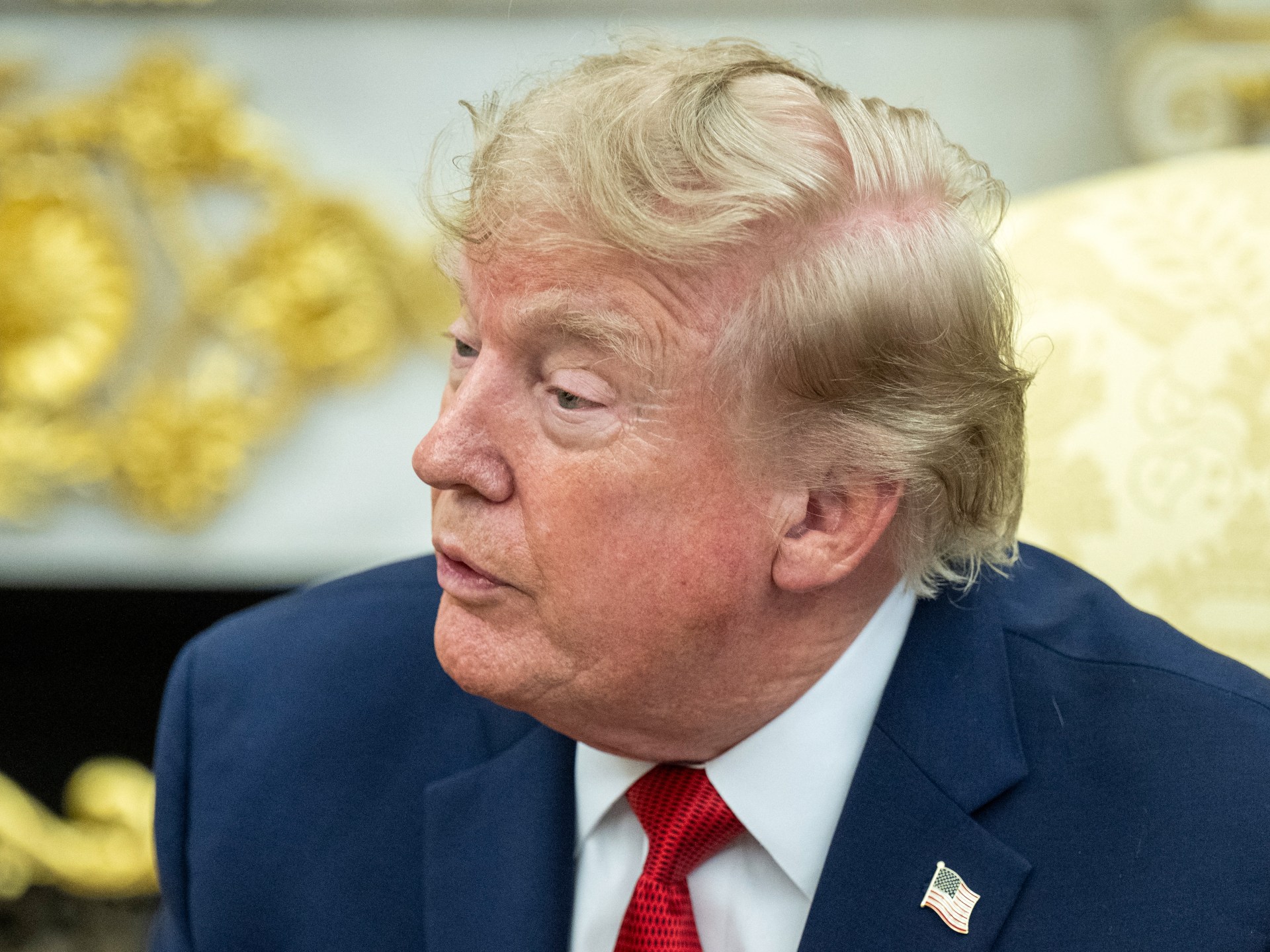
US President Trump has rejected any possibility of extending the bilateral MoU with Iran that expired on Monday, instead calling on Tehran to “put up the white flag of surrender.” The American position has hardened to an ultimatum—a significant escalation from previous negotiations. Trump signalled direct contact with Iran’s Islamic Revolutionary Guard Corps (IRGC), leveraging the communications channel to reinforce the demand for capitulation. The administration maintains that any deal framework must guarantee Iran’s non-acquisition of nuclear weapons and cease support for regional proxies, conditions Iran has previously rejected as non-starters.
Iran Signals Readiness for Ground Operations
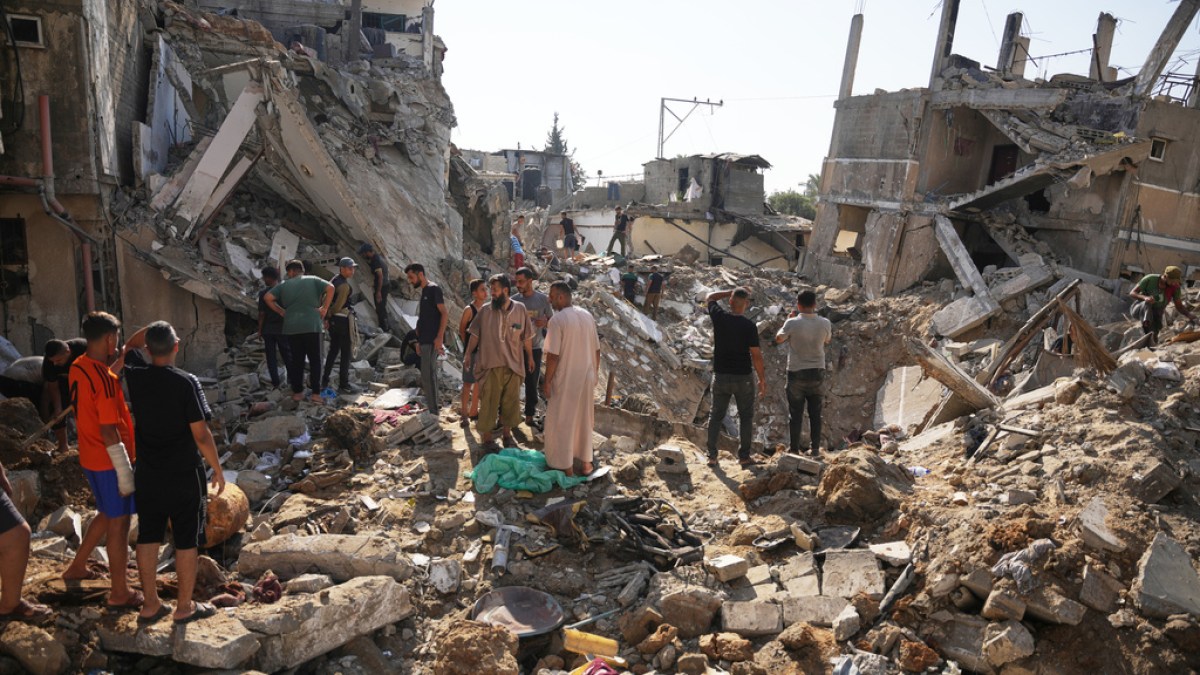
Iranian leadership has publicly signalled readiness for escalated military operations, including potential US ground operations on Iranian soil. This represents a strategic shift from previous postures of deterrence-through-denial to a confrontational stance suggesting Iran is preparing for a sustained conflict at higher intensity. Military analysts interpret the statement as both defensive positioning (pre-emptively claiming readiness to counter US invasion) and signalling to domestic audiences that Tehran is not backing down under American pressure.
Large Fire at Iraqi Fuel Depot
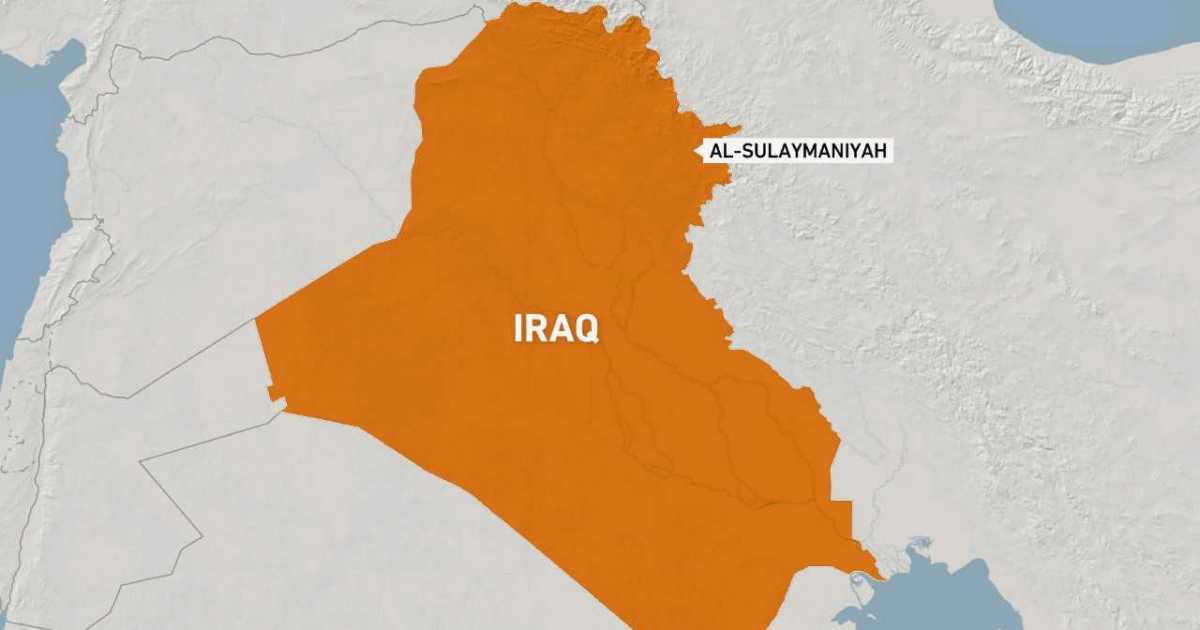
A major fire broke out at a fuel depot near Iraq’s Sulaimaniyah in northern Iraq, igniting concerns about either military strikes or sabotage in the volatile region. While Iraqi officials have not confirmed the cause, the incident underscores the vulnerability of critical infrastructure across the conflict zone and the risk of regional spillover effects. Iraq, hosting US military advisors and caught between American and Iranian spheres of influence, remains a critical flashpoint where direct and proxy forces could collide.
Houthis Escalate Red Sea Strikes

Yemen’s Houthi militia has claimed a strike on a Saudi-flagged vessel in the Red Sea, part of an accelerating pattern of attacks on commercial and military shipping. The escalation signals Iran’s proxy forces are not constraining their operations despite US diplomatic pressure and military posturing. Houthi strikes have intensified over the past weeks, targeting shipping lanes critical to global trade and complicating international efforts to maintain freedom of navigation in one of the world’s busiest maritime corridors.
Yemen’s Drone War Intensifies

Yemen’s warring factions have demonstrated rapidly advancing drone and missile capabilities, with multiple sides claiming aerial strikes and successful interceptions. The escalation reflects years of Iranian support to Houthi forces and parallel equipment flows from other regional actors. The drone war has become a signature feature of the conflict, with Yemeni drones reportedly reaching targets hundreds of kilometres away, raising questions about Saudi and UAE air defences and the sustainability of the blockade.
In Brief
- Kushner on Gaza rebuild: Trump’s Middle East envoy Jared Kushner stated that Gaza will not be rebuilt until Hamas disarms, complicating any ceasefire or reconstruction efforts.
- Israeli pressure in Lebanon: Israeli military operations are raising the cost of conflict for Lebanon’s civilian population, with UNIFIL documenting increased casualties and displacement.
Compiled from the configured RSS feed.