
Iran Conflict — 2026-08-17 (NOON)
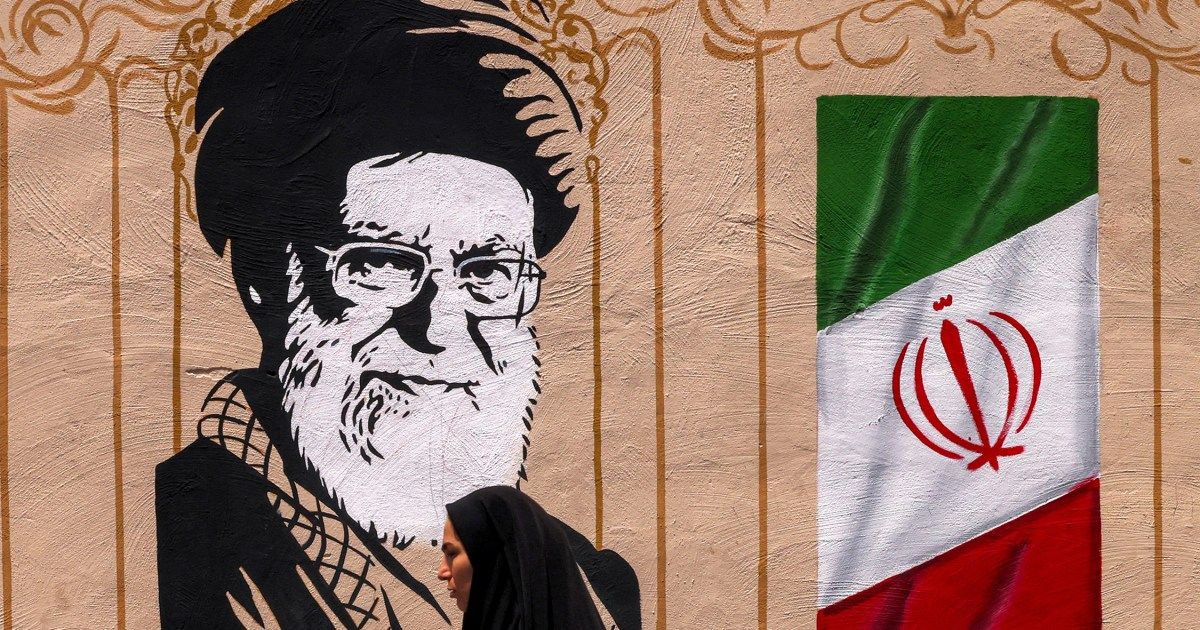
The US-Iran ceasefire agreement collapsed on August 17 after barely one month, with neither side achieving breakthrough nuclear negotiations. The accord, which was meant to open the Strait of Hormuz for 60 days of final deal-making, crumbled amid continued military probing, escalating Trump rhetoric, and Iranian signals of indefinite confrontation.
Ceasefire MoU Collapses After One Month of Failed Negotiations
The US-Iran Memorandum of Understanding, signed in July with a 60-day window for final negotiations on Tehran’s nuclear program, effectively ended on August 17 when both sides declared the accord void. President Trump deemed the MoU “over” within the first month after continued military activities by both sides despite the ceasefire framework. The deal’s core commitment—keeping the Strait of Hormuz open for shipping and commerce during talks—has been overtaken by renewed military posturing and diplomatic gridlock.
Oil Markets React as Strait of Hormuz Shipping Plummets

Global oil prices climbed sharply on August 17 as the collapse of the US-Iran ceasefire reignited fears over stability in the Strait of Hormuz, the world’s most critical chokepoint for energy supplies. Shipping traffic through the strait has declined to a new low as insurers and vessel operators navigate heightened military risk, threatening global energy markets already sensitive to geopolitical shock. The price spike reflects investor concern that the resumption of uncontrolled US-Iran military activity could trigger a broader regional escalation.
Trump Threatens Military Response; Shipping Grinds to Halt
President Trump escalated rhetoric on August 17 by threatening military strikes against Oman if it “gets in the way” of US operations in and around the Strait of Hormuz. The threat, made amid the ceasefire collapse, signals Trump’s intent to personally ensure shipping freedom and deter Iranian interference. Shipping traffic in the vital waterway has reached unprecedented lows as commercial operators avoid the conflict zone, creating economic pressure on both sides but raising the risk of direct US military intervention.
Iran’s Supreme Leader Signals War Footing; Khamenei Consolidates Control
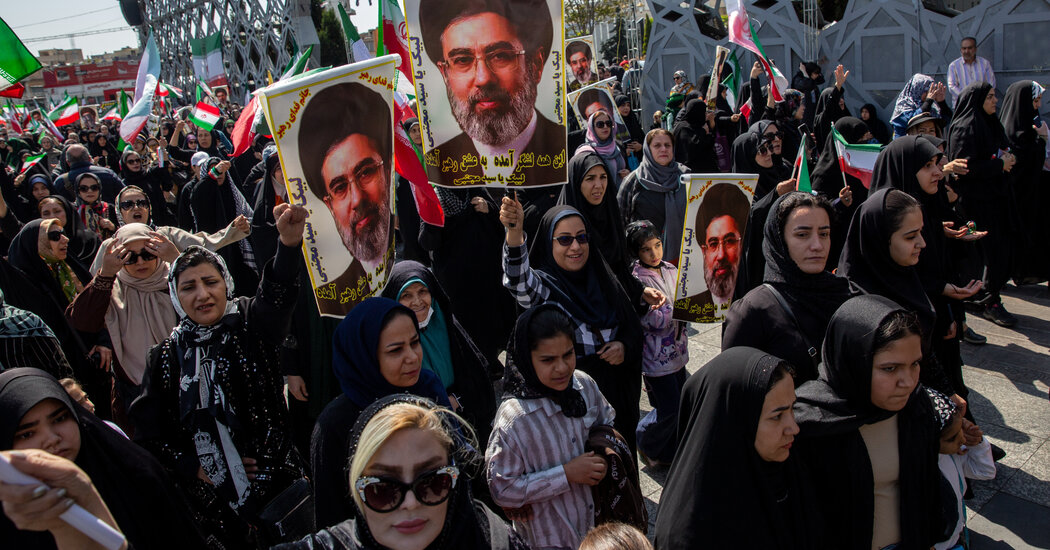
Ayatollah Khamenei has signaled Iran’s commitment to indefinite confrontation with the US and Israel by appointing hard-line loyalists to top military and security posts. The restructuring appointments indicate Khamenei’s determination to maintain a war-ready posture and suppress domestic dissent over the failed ceasefire. Iran’s negotiating team, led by Parliament Speaker Mohammad Bagher Ghalibaf, has publicly declared both military and political victory over the US and Israel, framing the ceasefire’s collapse as vindication of Iran’s negotiating position rather than a defeat.
Proxy War Resumes: Iraqi Kurdish PM’s Office Targeted by Drones
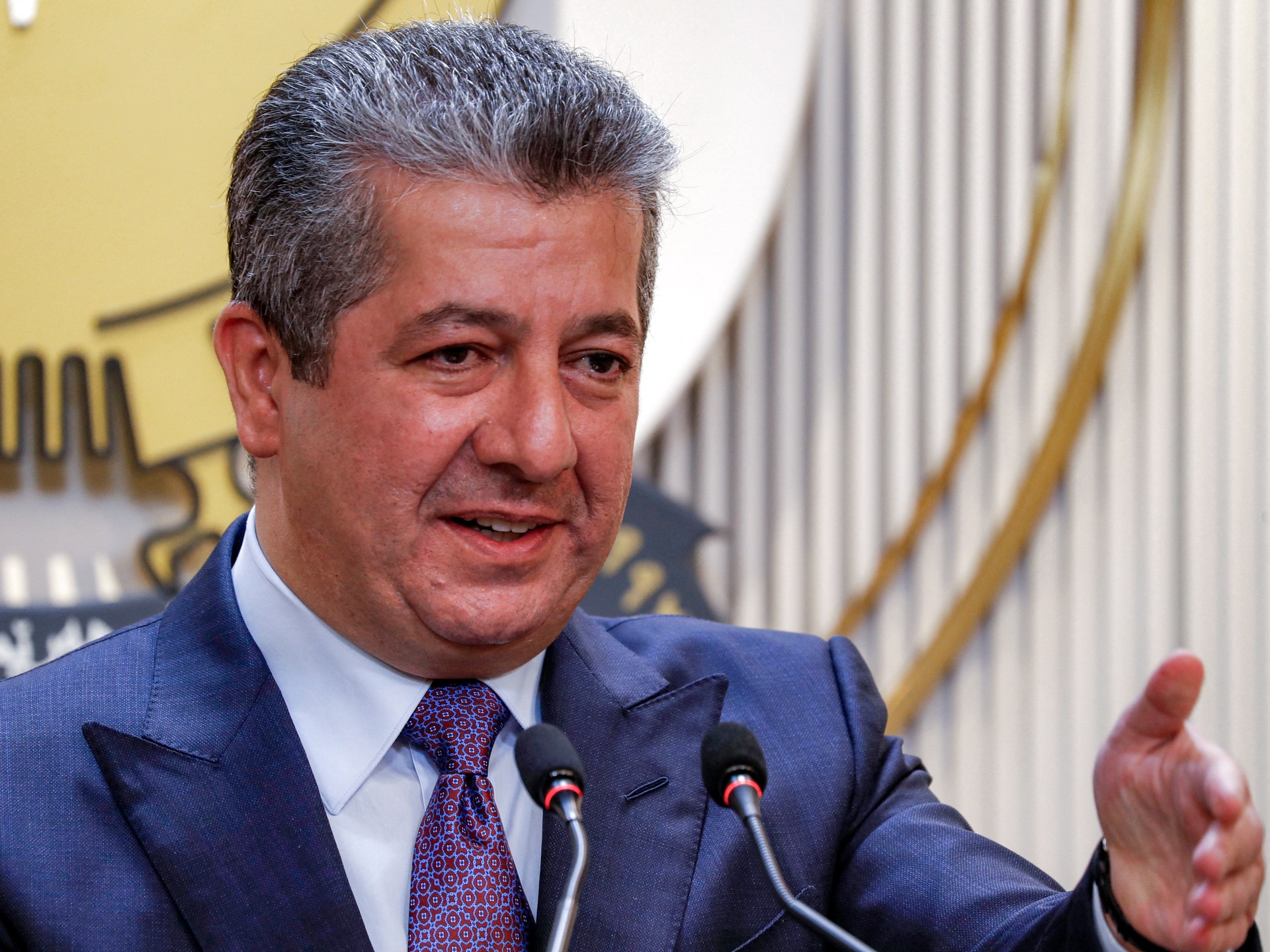
The collapse of the ceasefire immediately opened the door to renewed proxy activity in Iraq. Explosive drones targeted the office of Iraqi Kurdish Prime Minister Masoud Barzani and the residence of his security chief on August 17, signaling resumed Iranian-backed militia operations in northern Iraq. No casualties were reported, but the strike underscores how quickly the conflict can diffuse through proxy networks once the formal ceasefire framework disintegrates, threatening to expand the geographic scope of confrontation beyond US-Iran direct exchanges.
In Brief
- Yemen escalation watch: Houthi drone capabilities continue to expand as their “drone war” muscle grows in the absence of ceasefire constraints.
- Israeli-Palestinian track: A humanitarian relief boat sailing from Bristol aims to break Israel’s Gaza siege amid ongoing regional tensions.
Compiled from the configured RSS feed.