
Iran Conflict — 2026-08-13 (AM)
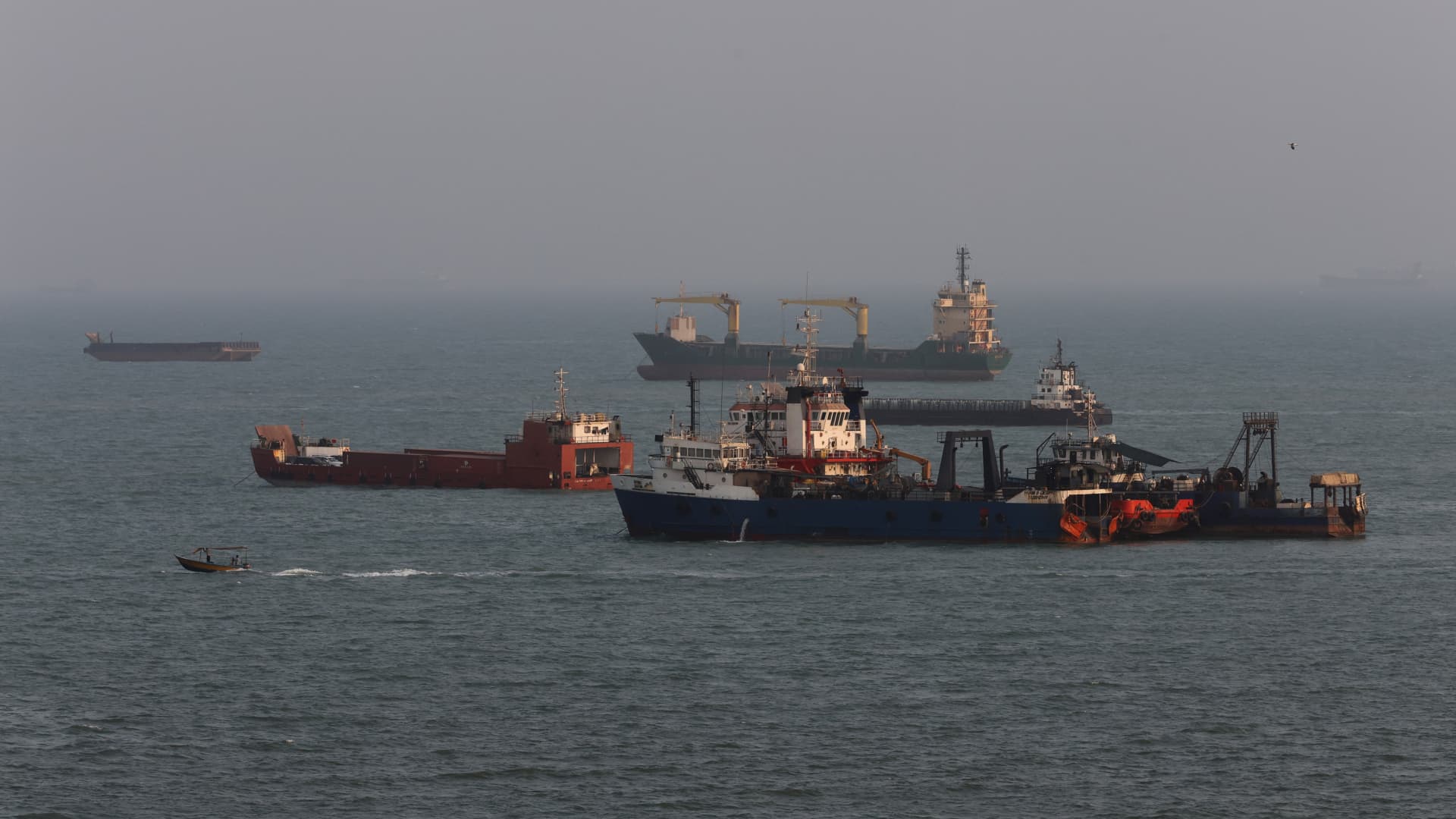
The NOON cycle (08:30 UTC / 12:30 UAE) finds the US-Iran standoff hardening on multiple fronts. Iran’s Persian Strait Gulf Authority publicly declared that the Strait of Hormuz “remains blocked and will not be reopened until Iran’s conditions are accepted,” directly contradicting President Trump’s repeated assertion that the US has “total control” of the waterway. The diplomatic and military tracks remain deadlocked as the war enters its sixth month.
Strait of Hormuz stalemate
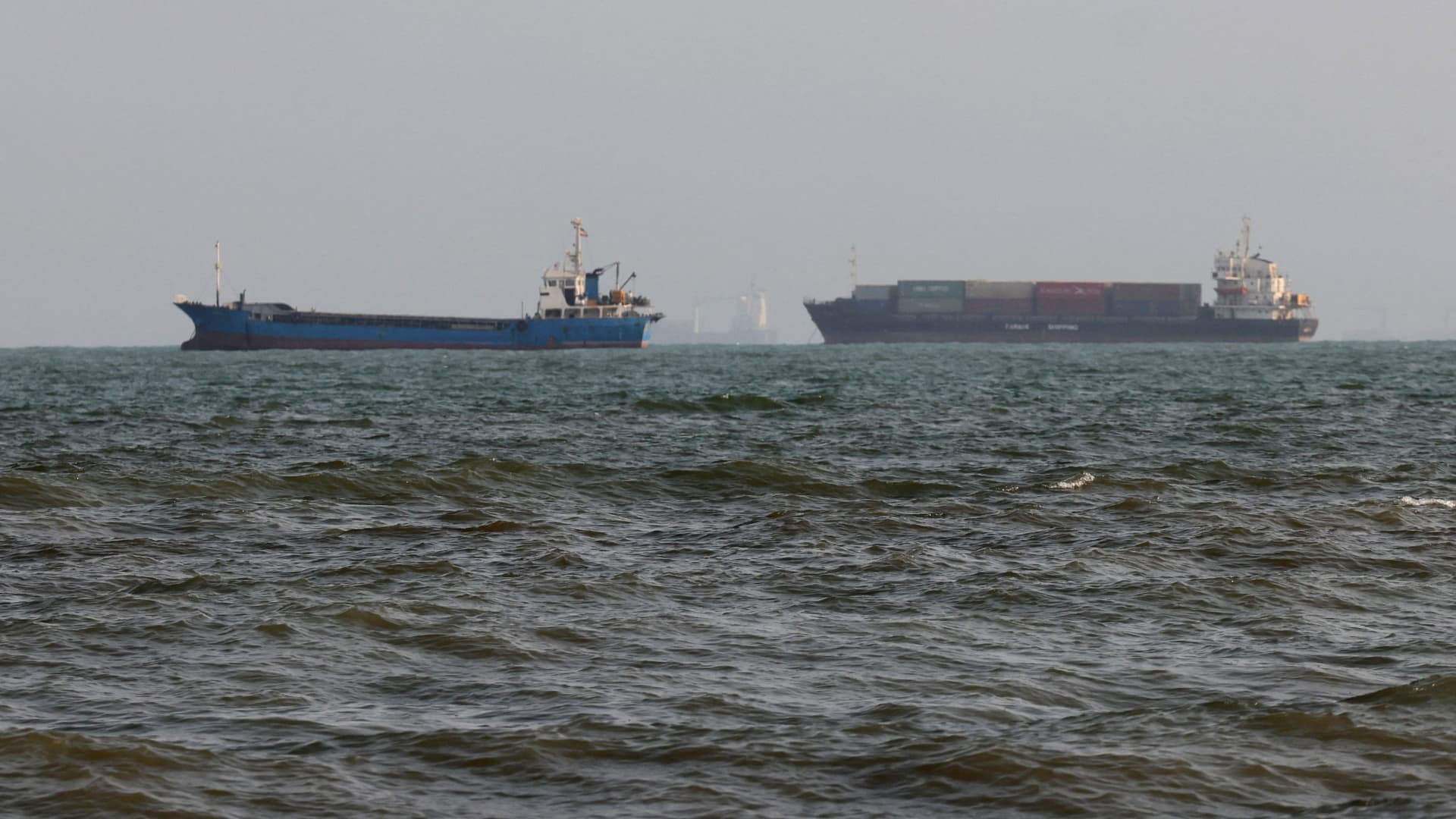
Iran’s Persian Strait Gulf Authority on Wednesday declared that “the Strait of Hormuz remains blocked and will not be reopened until Iran’s conditions are accepted,” the most explicit official denial of US control since President Trump reiterated on Truth Social that “the U.S.A. has total control over the Strait of Hormuz.” Shipping traffic through the strait has dropped to roughly 8 vessels per day, down from a pre-war daily average of about 130 ships and a recent ten-day average of 12. Iran’s new Supreme National Security Council secretary, Mohsen Rezaei, outlined the same four conditions he presented to China’s envoy Cong Peiwu on Tuesday: end the US blockade, end the war, release frozen Iranian assets, and agree to a region-wide ceasefire including Lebanon and Gaza. A standalone Oman-brokered traffic-separation scheme remains unsigned despite Tehran’s claim last week that it had been finalised.
Houthi threat to Saudi shipping
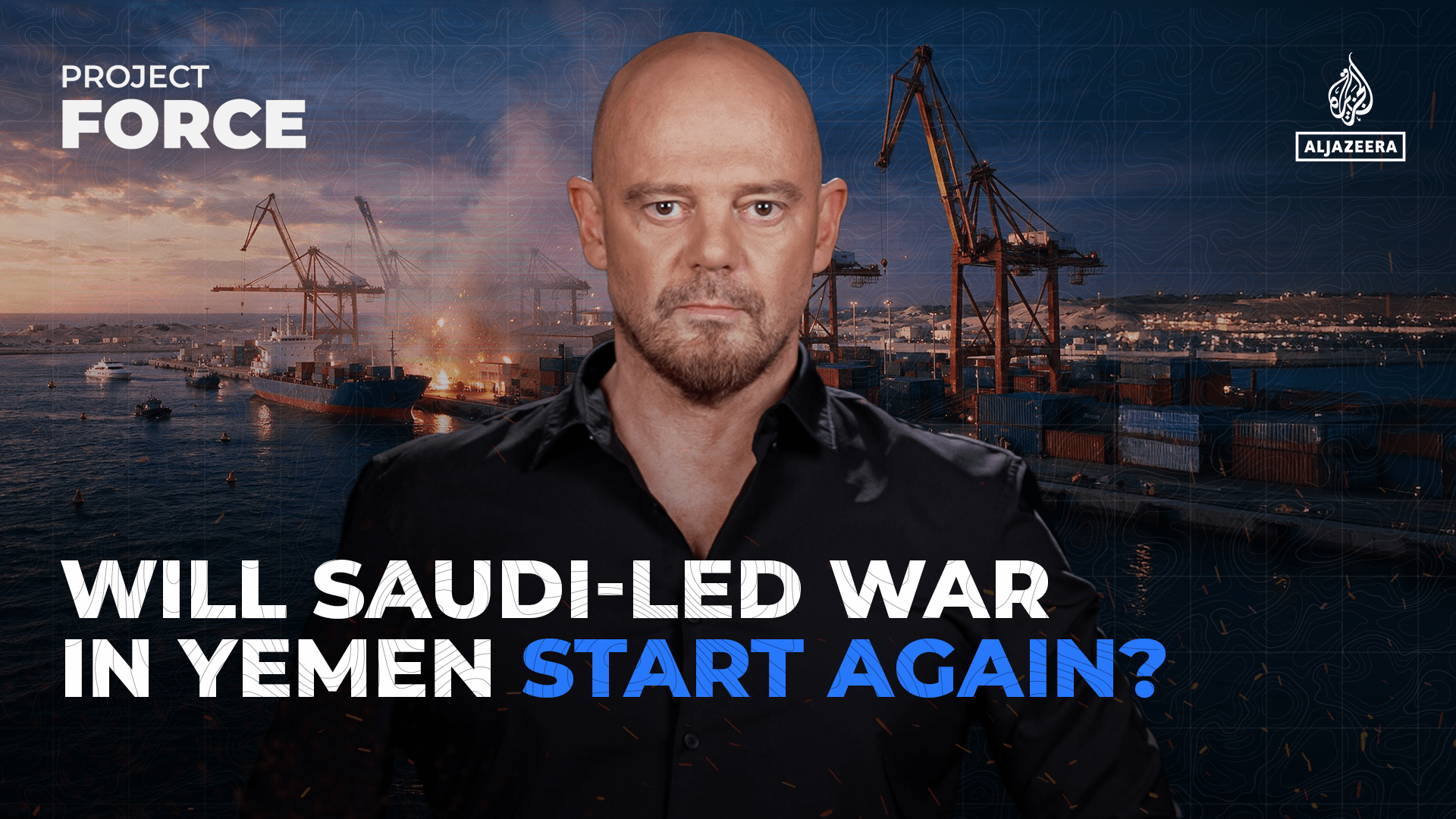
Yemen’s Houthis announced a new naval blockade targeting Saudi Arabian shipping, raising the prospect of a full-scale resumption of the Saudi-Houthi war that has been largely dormant since the July 2025 de-escalation. The Houthi-run Saba news agency framed the move as retaliation for Saudi blockade enforcement, and Al Jazeera’s Project Force programme reported that the announcement “threatens to restart full-scale war” between the two sides. The escalation comes alongside the existing Houthi posture in the Red Sea and Bab al-Mandab Strait, where the group struck the Egyptian-owned Tihamah earlier this week, killing six crew members including three Pakistani and one Indonesian national. Gulf shipping is now navigating simultaneous Iranian and Houthi disruption across two chokepoints.
Lebanon accuses Israel of international law violations
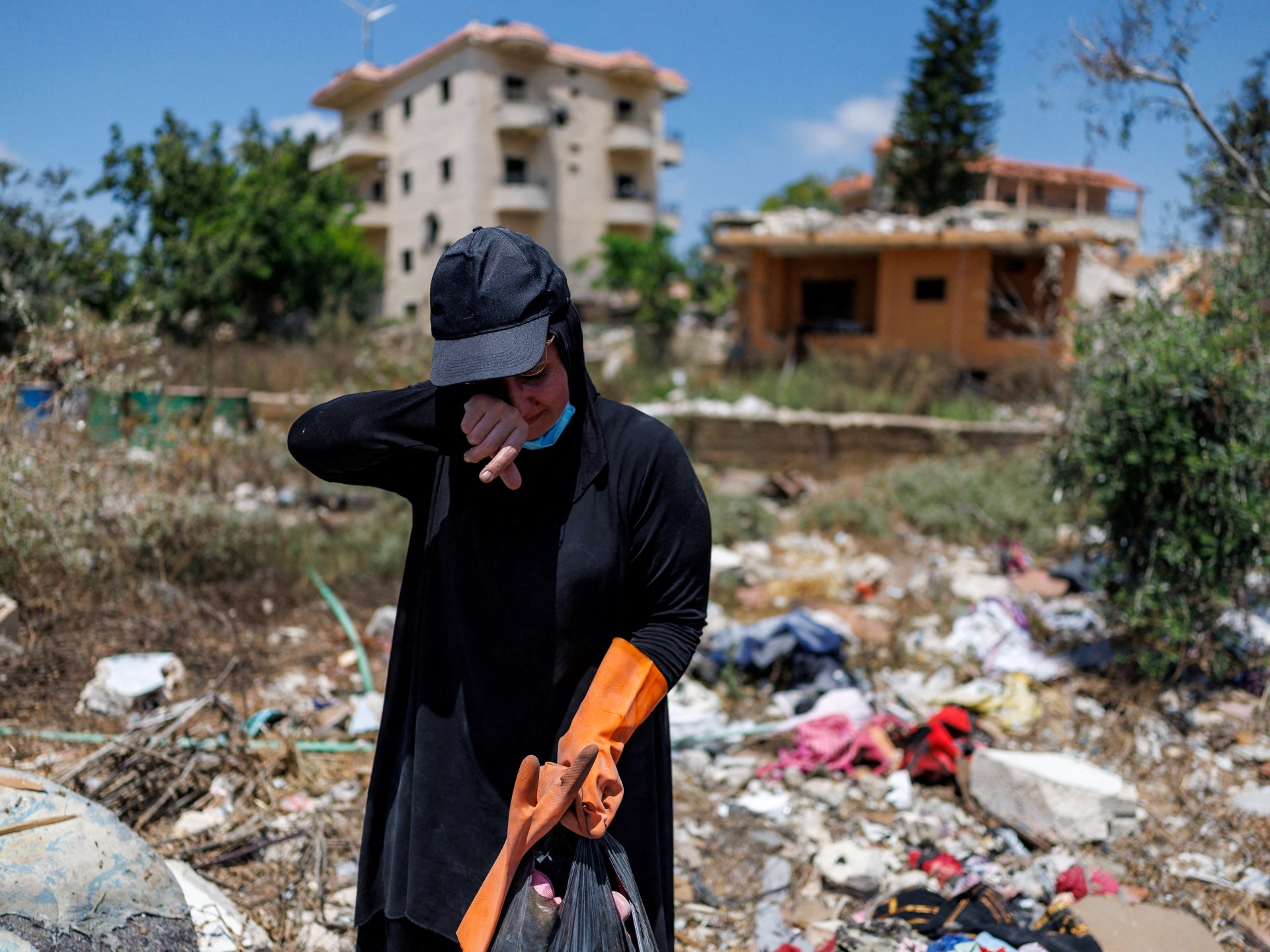
Lebanese Prime Minister Nawaf Salam on Wednesday accused Israel of carrying out “attacks, incursions, demolitions and the systematic destruction of homes” in southern Lebanon that constitute “a serious violation of the principles and rules of international law and international humanitarian law.” His statement came hours after Israeli Defence Minister Israel Katz toured southern Lebanon and said Israeli forces were “destroying the underground infrastructure” and “destroying all the houses.” Katz separately declared Israeli troops would not withdraw from occupied zones in Lebanon, Syria, or Gaza. The US State Department told Al Jazeera that Washington “expects all parties to act in a manner consistent with the framework they agreed to” while maintaining that Israel “has clearly stated that it has no territorial ambitions in Lebanon.” The April 17 ceasefire remains in name only.
Gulf markets and oil prices under pressure
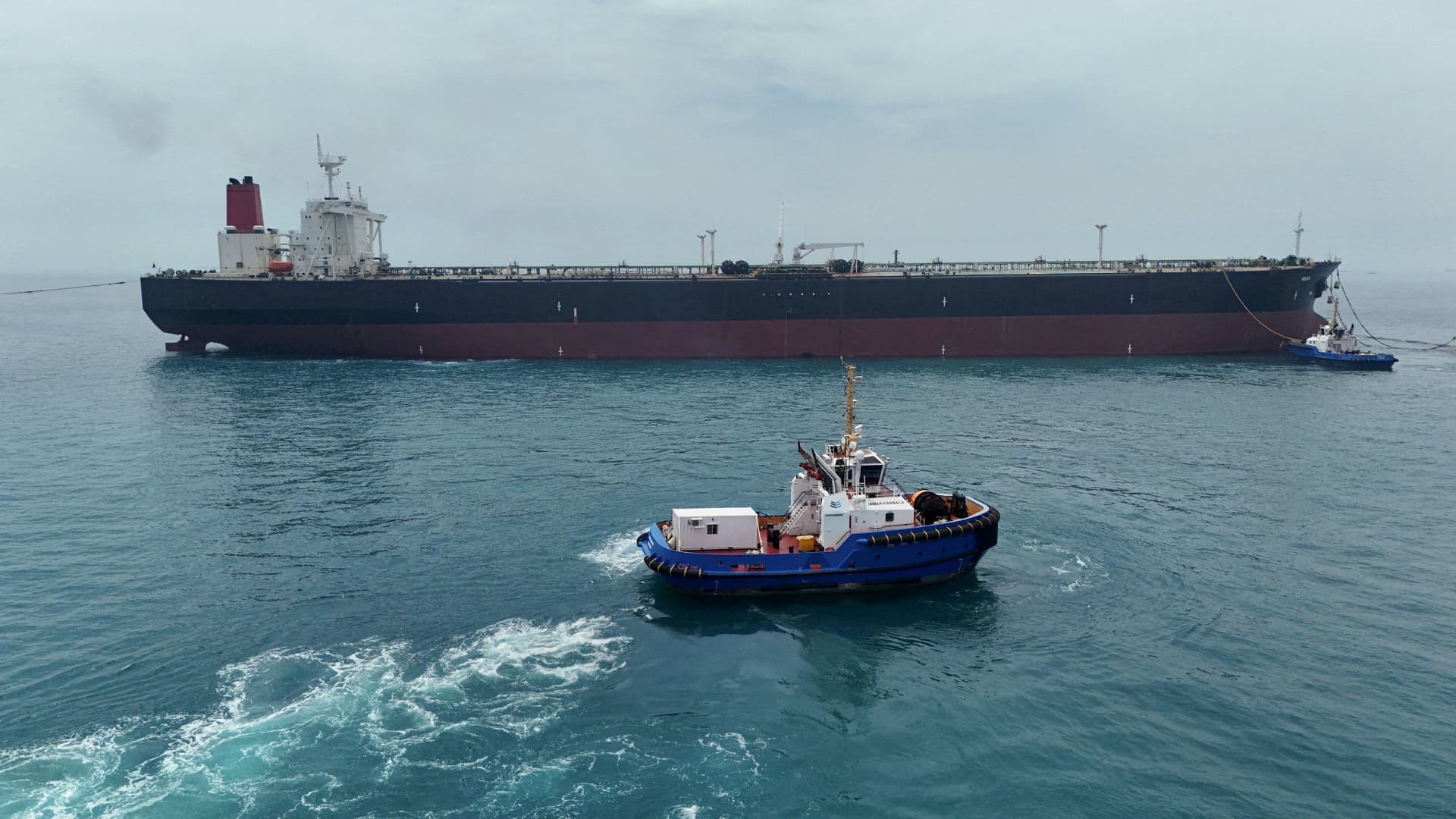
Gulf stock markets opened lower on Thursday as the US-Iran impasse over the Strait of Hormuz continued to weigh on regional sentiment, with Reuters reporting that investors are pricing in prolonged disruption to energy flows. US crude prices have held above $83 a barrel this week, supported by Iran’s insistence that the strait will not reopen until its conditions are met. The Arabian Gulf Business Insight reported that war-related Hormuz tensions have so far failed to drive oil significantly higher, suggesting markets are partially discounting the blockade as structural rather than transient. Gulf states are meanwhile scrambling for alternative shipping routes, with analysts pointing to overland pipeline options through Saudi Arabia and the UAE that could partially bypass the strait.
UN Security Council spotlights West Bank settler violence
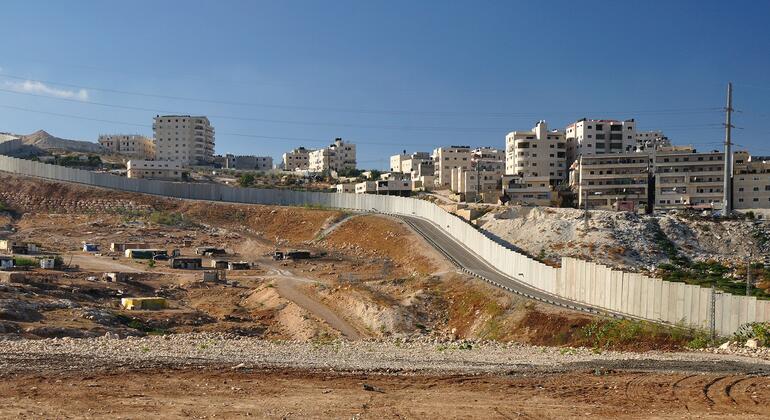
The UN Security Council convened Wednesday for a session focused on Israeli settler violence in the occupied West Bank, with member states expected to hear updated figures on displacement and attacks. The session follows last week’s UK statement that July alone saw 13 Palestinians and two Israelis killed in settler-related incidents, with more than 1,300 incidents affecting over 250 Palestinian communities, 900 injured, and 3,200 displaced. UN OCHA data documents the West Bank as approaching “breaking point” after months of escalating settler raids, home demolitions, and forced displacement. The session comes amid continued international concern over the trajectory of de facto annexation in Area C.
In Brief
- Russia-Iran war windfall: Al Jazeera’s Counting the Cost examined whether Russia’s economy is “cracking” despite the Iran conflict windfall, pointing to sanctions enforcement and energy market shifts.
- Gulf Hormuz alternatives: Gulf states are exploring pipeline and overland routes to bypass the Strait of Hormuz as the standoff drags into a sixth month.
- Pakistan mediation track: Islamabad’s Deputy Prime Minister and Deputy Foreign Minister held follow-up talks with Iran, Saudi Arabia, and Kuwait on August 10, with Interior Minister Mohsin Naqvi continuing his visit to Tehran.
Compiled from the configured RSS feed.